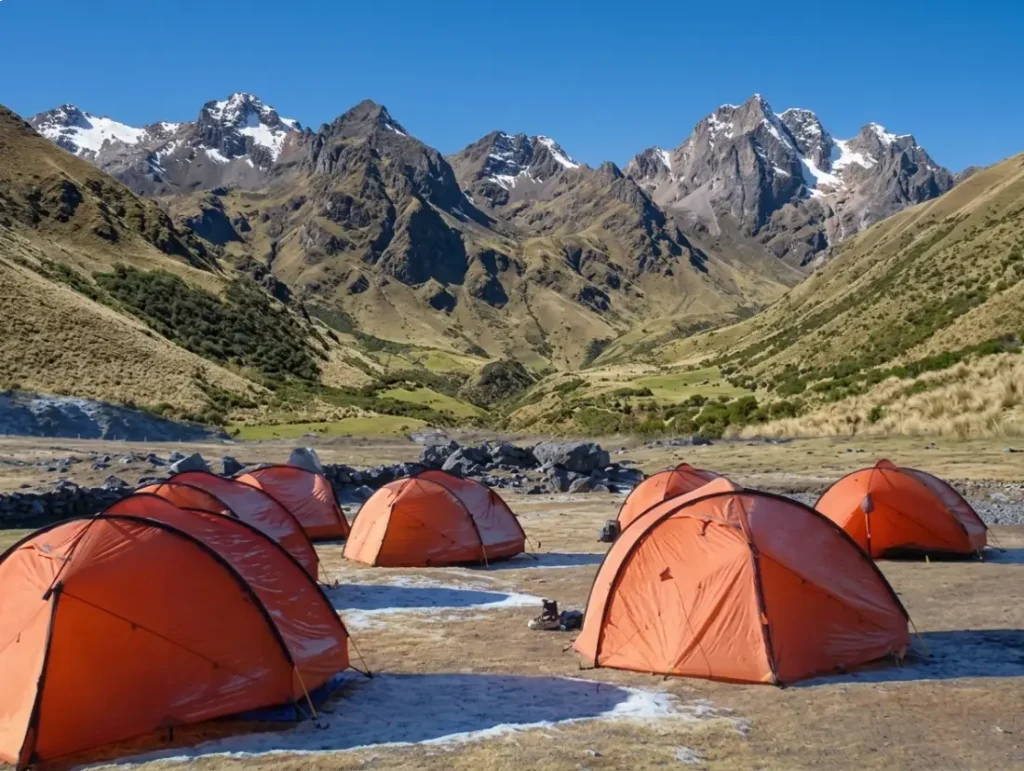
The mountains for camping in Cusco offer a deep connection with Andean nature. That is why we at Trails to Machu Picchu guide you toward less-traveled peaks. You will find serene landscapes where the silence is broken only by the wind.
Plan your stay under the Andean stars
Sleeping at high altitude requires thorough preparation and knowledge of the surroundings. First, you must choose the time of year that guarantees clear skies for your safety.
Dry season for camping
In the Andes, the weather dictates the pace of any outdoor expedition. Therefore, we suggest planning your trip between the months of May and August. During this period, the absence of rain makes setting up tents on firm ground easier.
Additionally, you will enjoy sunny days with excellent visibility of snow-capped peaks. Mind you, remember that the lack of clouds accelerates nighttime heat loss.

How to avoid crowds?
If you are looking for tranquility, we recommend staying away from the most famous commercial circuits. We at Trails to Machu Picchu prefer to explore side valleys where mass tourism does not reach. This way, your campsite will be a space of absolute peace and environmental respect.
To achieve this, we often look for little-explored mountain routes that maintain their original essence. These trails allow you to get to know the real life of the shepherds of Cusco.
The best mountains for camping in Cusco
There are various destinations that stand out for their beauty and low influx of visitors. Below, we present four ideal options for an authentic and solitary experience.
1. Waqrapukara and its stone horizons
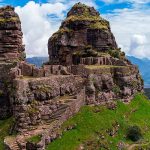
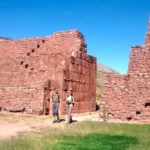
This archaeological site is located above an impressive canyon facing the Apurímac River. You will arrive after a moderate hike through golden grasslands and strange rock formations. Once there, you will notice that the sleeping areas offer a privileged view of the abyss.
To make the most of the place, we suggest using the authorized campsites on the Waqrapukara route. These spots are protected from the strong winds that usually blow at sunset in the area. 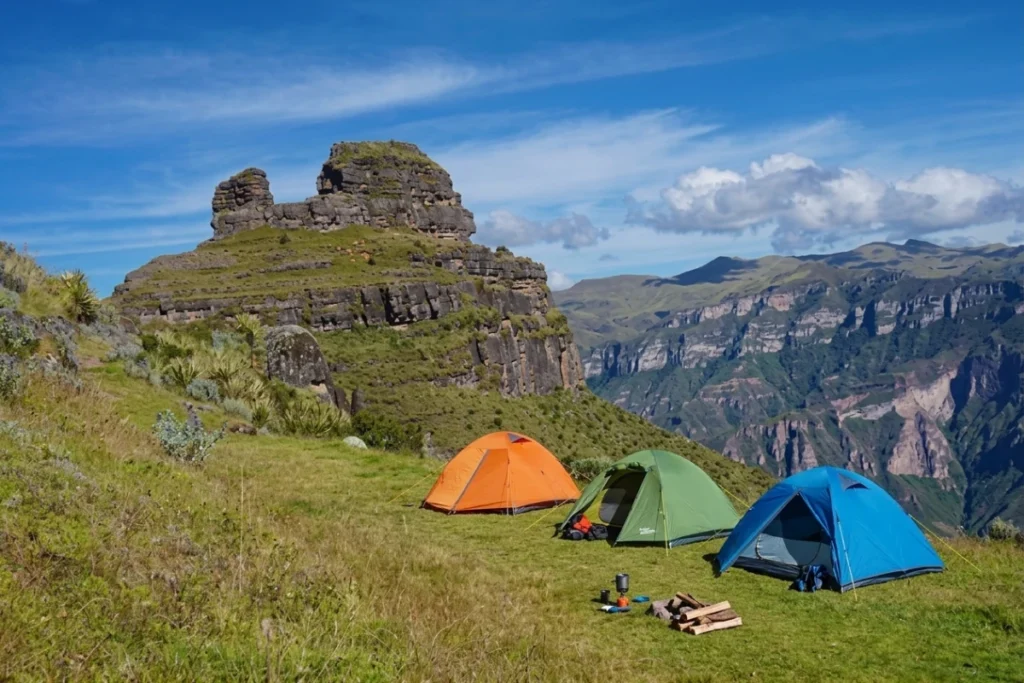
2. The surroundings of Mount Ausangate
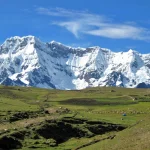
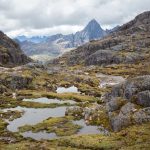
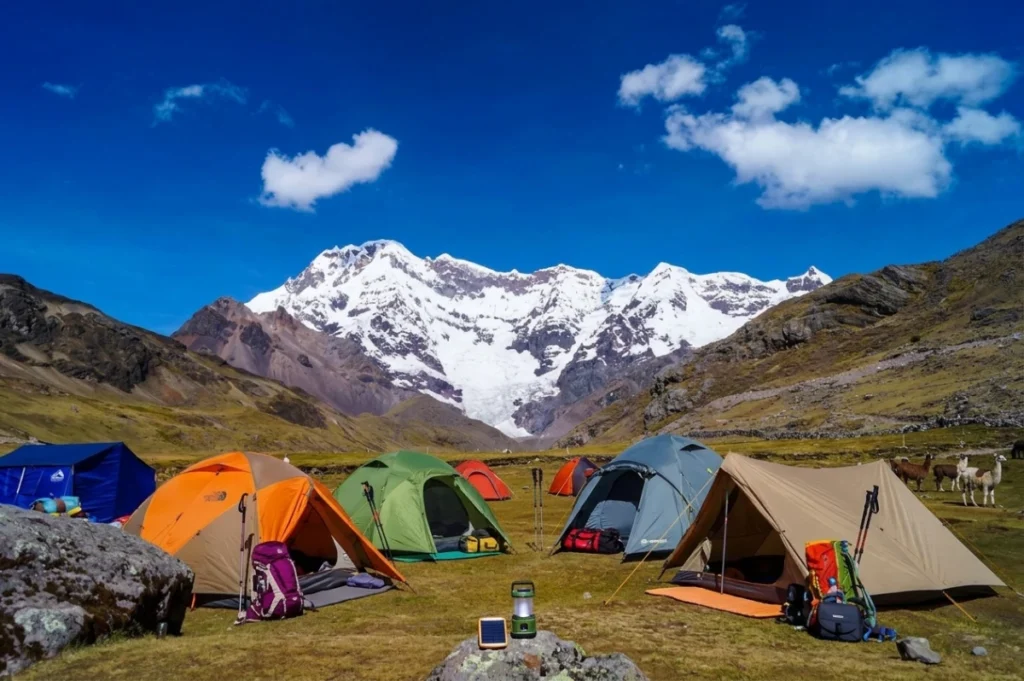
The Vilcanota mountain range is home to the highest and most respected peaks in the entire region. Hiking along its slopes allows you to observe turquoise-colored lakes and hanging glaciers. It is a demanding area, but it rewards every effort with postcards of great natural beauty.
We recommend camping near Mount Ausangate to feel the energy of the mountain. Keep in mind that you will sleep above 4,000 meters above sea level.
3. The plains of the Palccoyo mountain range
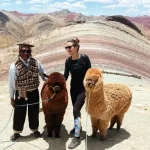
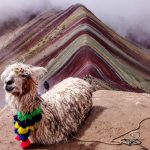
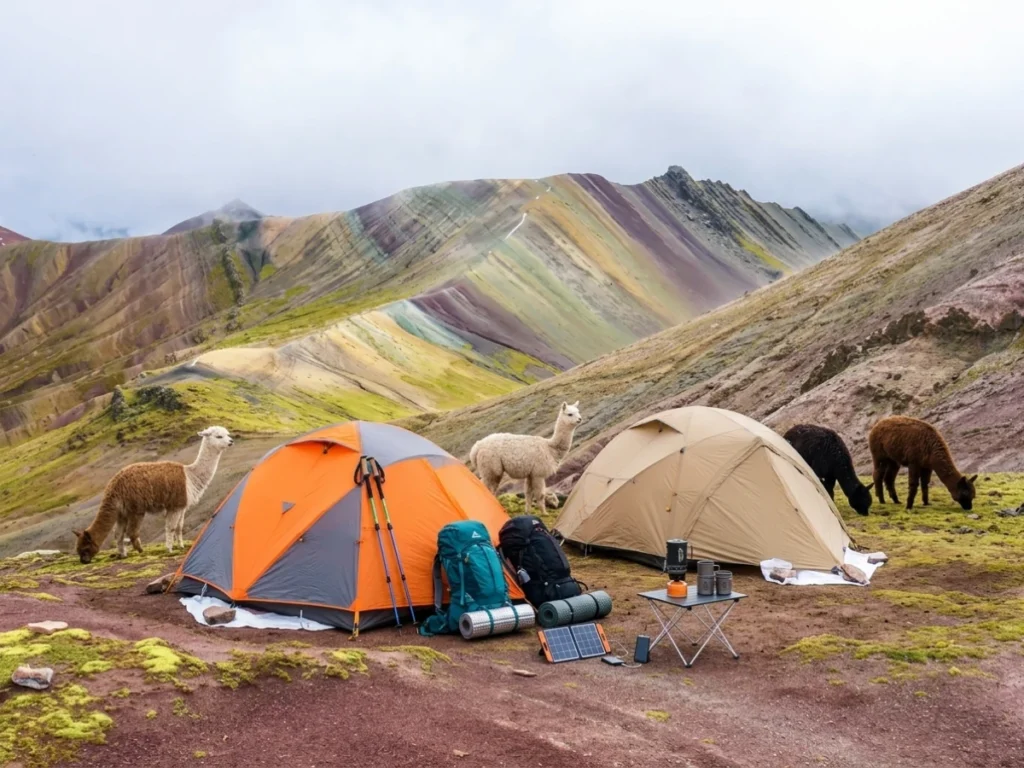
Although many visit this area just for the day, spending the night there is a smart decision. You can walk among lesser-known natural viewpoints surrounding the Rainbow Mountains. As evening falls, the changing light over the minerals creates a unique visual effect.
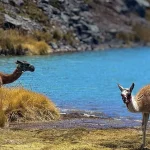
In addition, this area stands out for the rich biodiversity of the Cusco puna that you will see at sunrise. It is very common to observe herds of vicuñas and alpacas grazing near your tent.
4. The Lares Valley and its peaks
This destination is famous for its hot springs, but its mountains offer much more. You will find trails connecting remote communities where time seems to have stood still centuries ago. Therefore, we consider them to be the least visited mountains in Cusco with the greatest cultural potential.
To experience this adventure, follow these steps:
- Choose a local guide who knows the traditional trails.
- Request the necessary permits from the valley’s local communities.
- Prepare light gear for the climbs toward mountain passes.
- Bring a sleeping bag designed for sub-zero temperatures.
Health and technical gear at high altitude
Physical well-being is your priority when you decide to sleep in the mountains for camping in Cusco. Therefore, you must pay attention to your body’s signals and the gear you carry.
Altitude sickness prevention
The lack of oxygen can affect your performance and your rest at night. To avoid discomfort, we suggest spending at least two acclimatization days in the city of Cusco. Drink plenty of water and avoid heavy meals before heading up to the peaks.
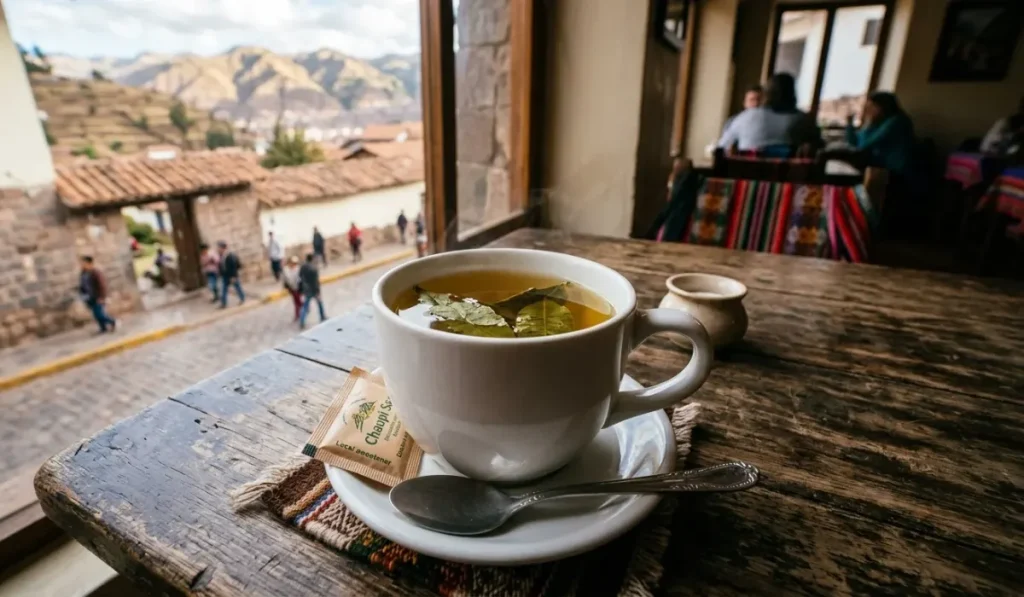
You can even consume coca leaf tea, a very effective traditional remedy. If you experience a persistent headache, descend immediately to an area with lower altitude.
Thermal mountain gear
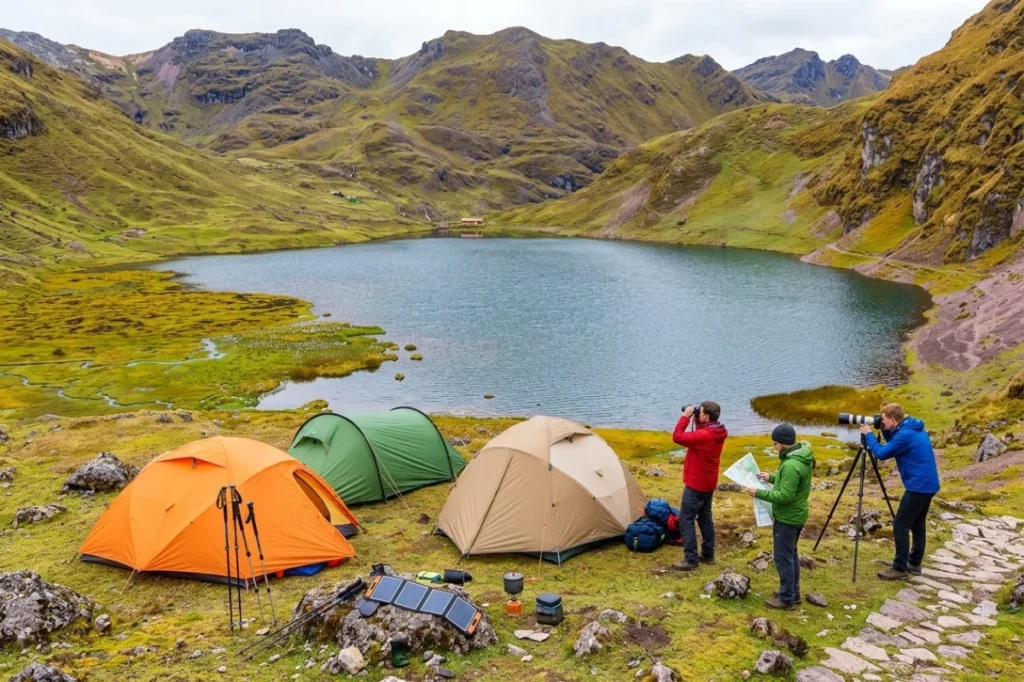
Nighttime weather in the Andes is extremely cold, even during the dry season. For this reason, it is vital that your clothing follows a layering system. The first layer should be made of synthetic material to keep you dry and sweat-free.
For your rest, consider the following technical items:
- A 4-season tent with snow or wind skirts.
- An insulating sleeping pad with a high R-value to block cold from the ground.
- A down or high-density synthetic jacket for the night.
- A thermal beanie and gloves to protect your extremities from the freezing air.
Science and culture under the night sky
Sleeping at high altitude offers you educational opportunities that you won’t find in the cities. The clarity of the air makes it possible to observe astronomical and biological phenomena with surprising clarity.
Observing Inca constellations
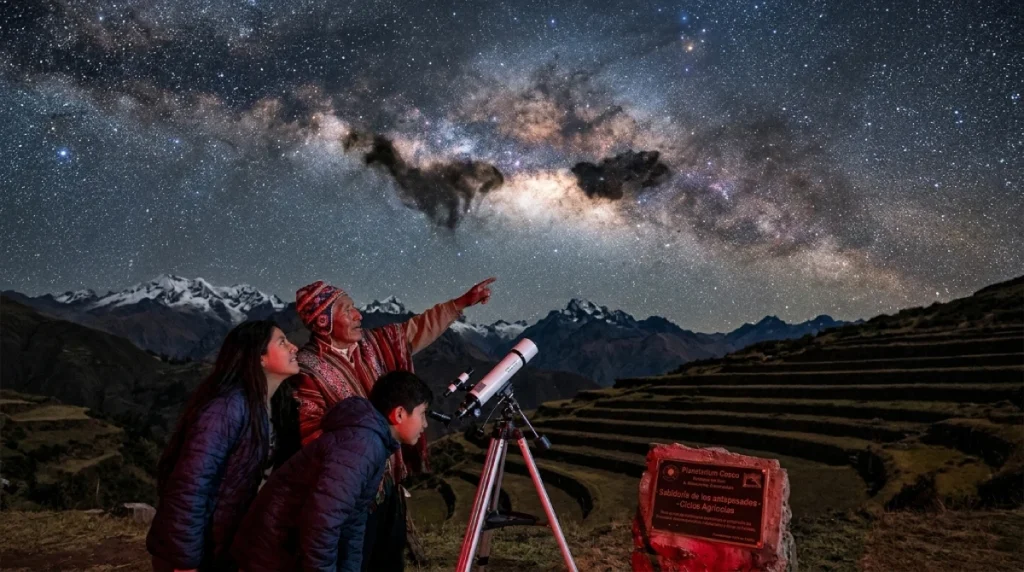
The total darkness of remote mountains facilitates studying the night sky from another perspective. You will notice that the ancient Peruvians not only looked at the stars, but also at the dark clouds of the Milky Way. These shapes represent Andean animals such as the llama, the toad, and the partridge.
According to research from the Planetarium Cusco, these dark figures marked the agricultural cycles of the communities. That is why looking at the sky today connects you directly with the wisdom of the ancestors.
Why does altitude affect you more at night?
A study published in the journal High Altitude Medicine & Biology in 2021 analyzed sleep at high altitude. Researchers determined that the partial pressure of oxygen decreases during deep sleep. In practice, this means you might wake up with a feeling of shortness of breath.
To mitigate this effect, we recommend sleeping with your head slightly elevated. Additionally, keep minimal ventilation in your tent to prevent the accumulation of carbon dioxide.
Responsibility and safety on remote routes
Exploring remote areas carries an ethical responsibility toward the environment and local communities. We at Trails to Machu Picchu always promote a positive impact in every place we visit.
Benefits of community-based tourism
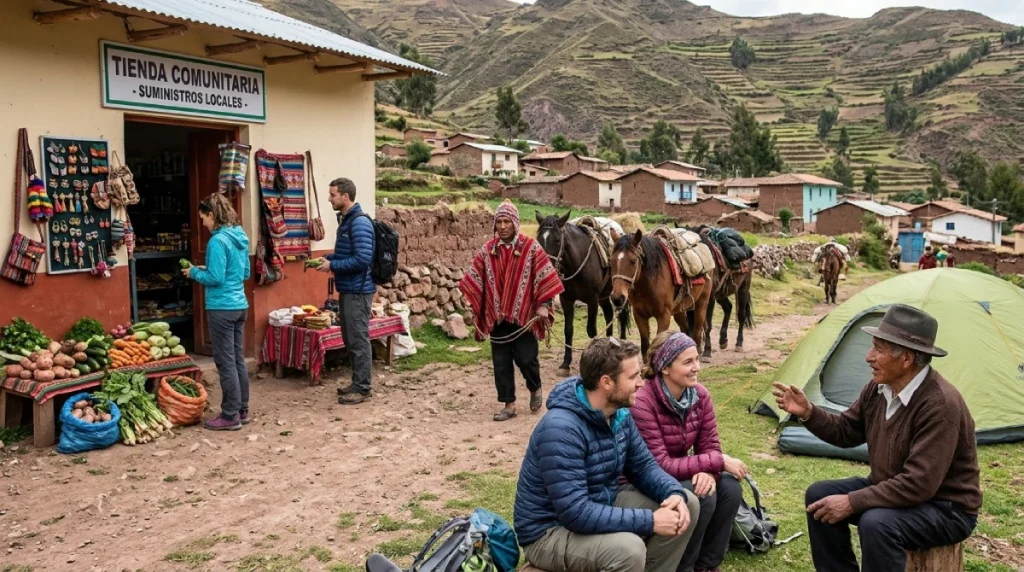
By camping near small villages, you contribute directly to the economy of local families. We recommend hiring muleteers or purchasing supplies at local community shops along your way. In this manner, the benefits of travel are shared fairly and equitably.
Furthermore, this allows you to learn stories and traditions that do not appear in conventional guidebooks. Local residents are often the best guardians of safety in remote areas.
Permit and waste management
Many of these lands belong to local farming communities or are natural areas protected by the State. Therefore, you should inform yourself about camping permits in Cusco before setting up your tent. Respecting designated areas helps preserve the flora and fauna of fragile ecosystems.
To leave the place better than you found it, follow these basic rules:
- Carry all your trash with you until you reach a town or city.
- Do not use chemical soaps in natural water sources.
- Avoid making campfires, as Andean grassland is highly flammable.
- Use already marked trails to avoid eroding untouched terrain.
Prepare your next trip with us
As you have seen, the mountains for camping in Cusco offer an unforgettable adventure for those seeking solitude. The key to success lies in good planning and proper gear for the cold. We at Trails to Machu Picchu can help you organize this experience safely; contact us.
If you are ready to get away from traditional routes, follow these final tips:
- Check the weather forecast one day before leaving.
- Share your route and return date with trusted people.
- Rely on professionals if it is your first time in the Andes.