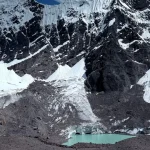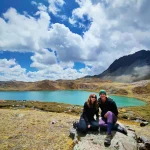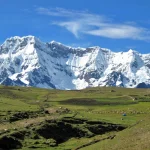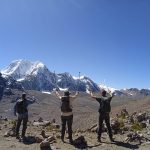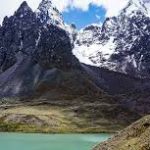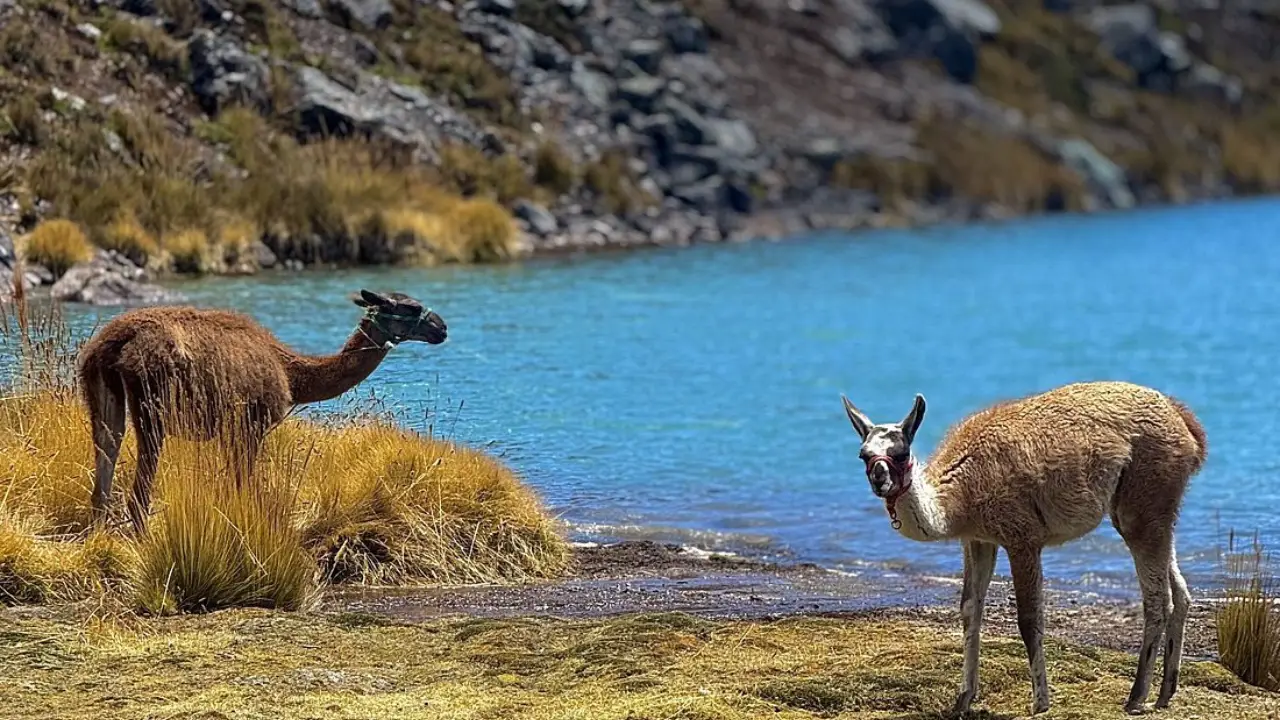
The 7 lagoons of Cusco are mirrors of water that originate directly from the glaciers of the Ausangate snow-capped mountain. At Trails to Machu Picchu we suggest this route to connect with the pure nature of the Andes. You will notice that each lagoon has a different shade due to the concentration of minerals in its bed.
Geographic setting of the 7 lagoons of Cusco
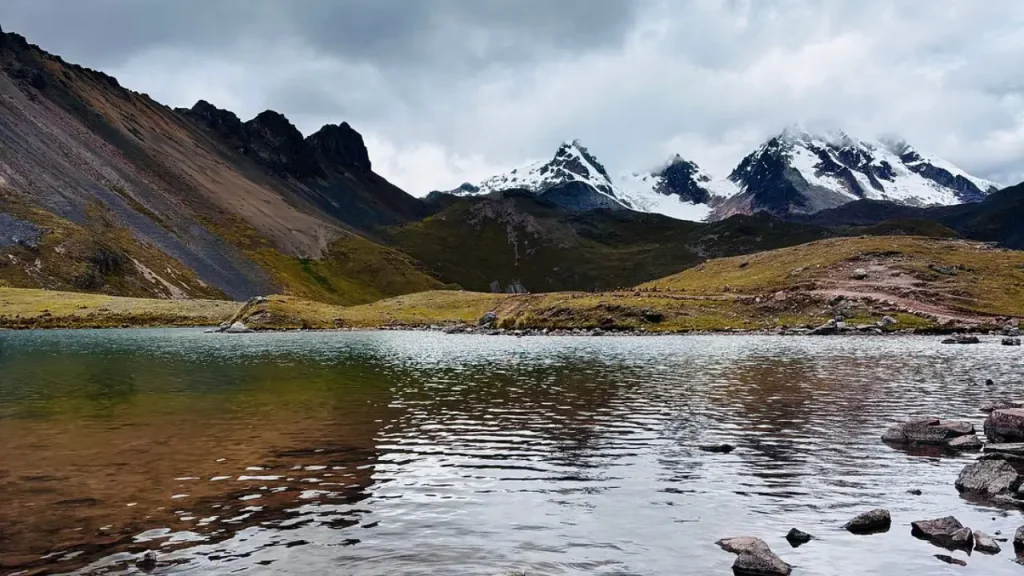
To understand this landscape, you must first know the hydrological importance of the Vilcanota mountain range. This mountain chain feeds a large part of the region’s valleys through the melting of its peaks. Additionally, the altitude of the route exceeds 4,000 meters above sea level.
Hydrography of the Ausangate massif and its basins
The water from these lagoons belongs to a complex network that irrigates the lowlands of Quispicanchi. Thanks to this system, local communities maintain their agricultural activities and the breeding of Andean camelids.
According to reports from the National Water Authority (2021), these basins are vital to the ecosystem. If you observe closely, you will see how small streams connect one reservoir to another during your hike.
This water system is organized as follows:
- Surface waters that come directly from glacial melt.
- Underground filtrations that feed the nearby wetlands.
- Seasonal runoff that increases volume during the austral summer.
Geological origin of the Cusco lagoons
The formation of these deposits is the result of erosive processes that occurred over thousands of years. You will notice that the basins of the lagoons were carved by the slow movement of enormous masses of ice.
According to a study by the National University of San Antonio Abad of Cusco (2022), the current glacial retreat accelerates this process. As a result, the morphology of the lagoons changes gradually over the decades.
To understand their structure, you must consider these geological factors:
- Accumulation of moraine sediments that act as natural dams.
- Presence of minerals such as sulfur and copper in the rocks.
- Tectonic activity that defines the depth of each water basin.
- Constant water erosion from intense rains in the high area.
Description of each lagoon on your tour
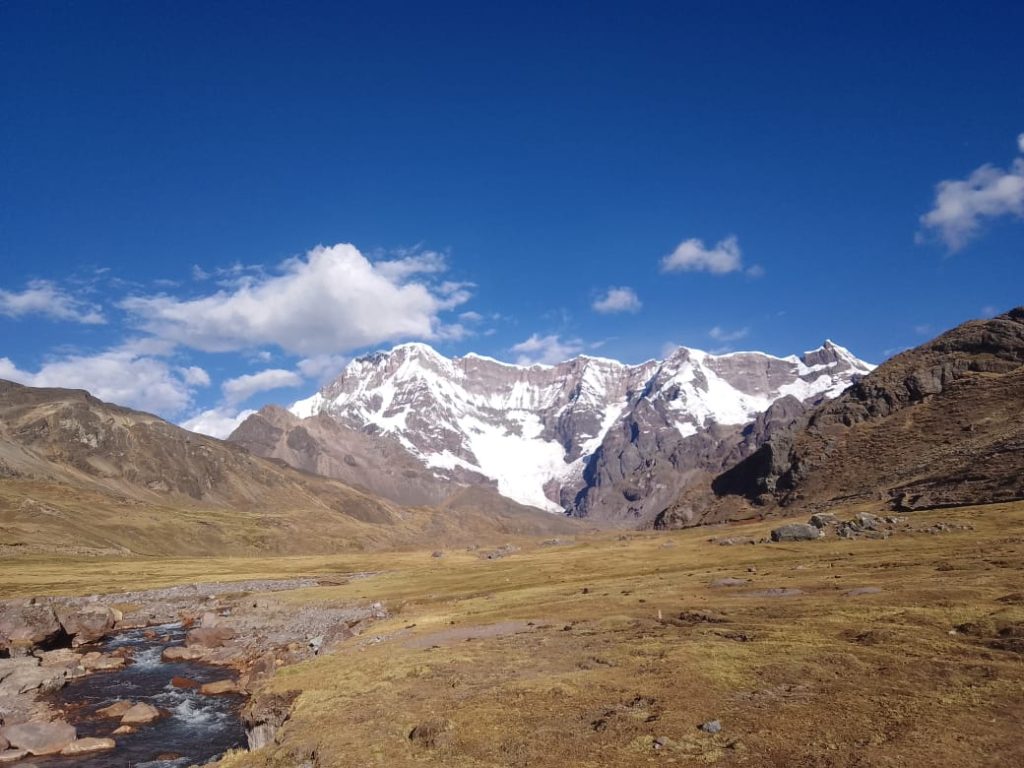
Now that you know the origin of the landscape, it is time to explore each stop on the circuit. The order of the 7 lagoons of Cusco usually follows the traditional route that surrounds the central massif.
At Trails to Machu Picchu we organize this tour so you can see the most notable color changes. We suggest preparing your camera, as sunlight transforms the reflections at each hour of the day.
1. Description of the Pucacocha Lagoon
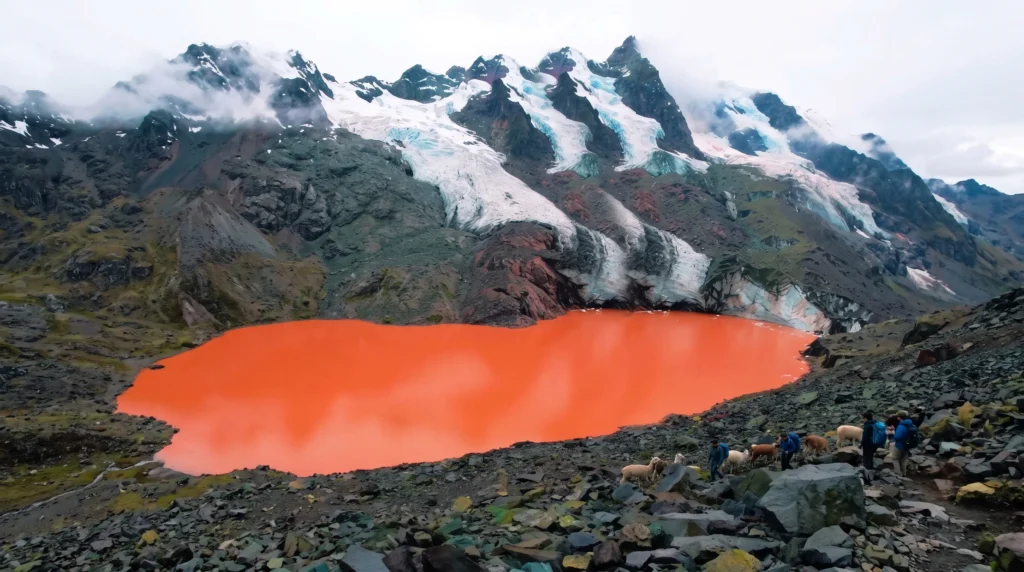
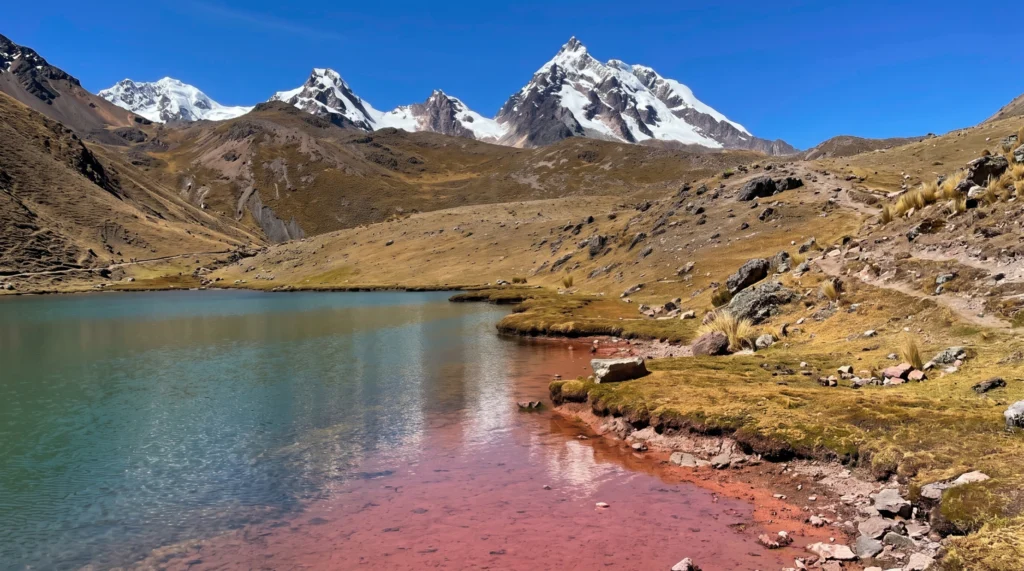
This is the first important lagoon you will see and its name means red lagoon in Quechua. You will notice that its intense color is due to the high concentration of ferruginous sediments on its edges.
When walking along its shore, you will perceive the proximity of the Ausangate snow-capped mountain reflected in the water. It is one of the most striking points to observe the power of Andean nature.
To make the most of your visit here, follow these tips:
- Walk calmly to avoid fatigue from the initial altitude.
- Observe the ocher tones of the rocks surrounding the mirror of water.
- Stay on the marked trails to protect the vegetation on the edge.
2. Andean symbolism of the Otorongo Lagoon
The name of this lagoon refers to the jaguar, a sacred animal in the worldview of the Andes. Local communities attribute a protective energy to its waters linked to the strength of this feline.
Beyond the belief, the landscape here is serene and allows you to rest for a moment. You will feel the silence of the mountain become deeper while you contemplate its surface.
Difference between Otorongo Female and Male
In reality, this sector is divided into two nearby mirrors of water with different characteristics. The Otorongo Male lagoon is larger and usually features darker and deeper colors.
On the other hand, the Otorongo Female is smaller in size but has greater visual clarity. Both represent the duality that governs life in the Andean world according to local traditions.
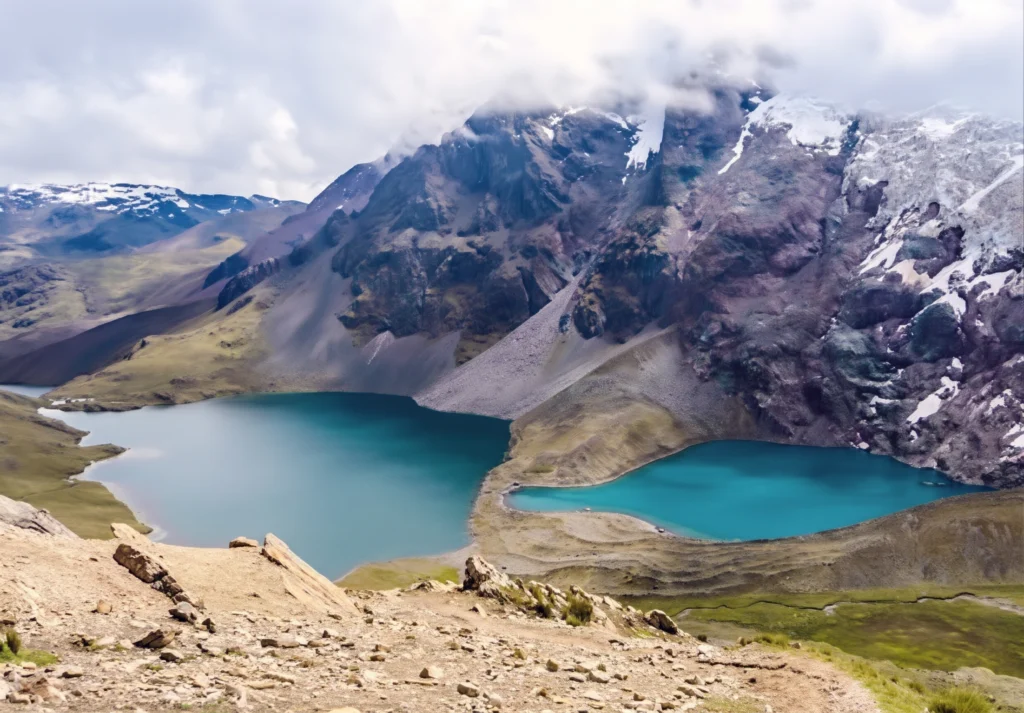
3. Sediment analysis at the Alqacocha Lagoon
This lagoon stands out for its changes in tone depending on the angle of sunlight. You will notice that the water seems to change from gray to deep blue in a matter of minutes.
Geographic research by the Geophysical Institute of Peru (2020) indicates that the sediments here are very fine. These materials remain suspended in the water and scatter light in a particular way.
The characteristics of this soil include:
- Presence of rock flour produced by glacial grinding.
- Mineral deposits that come from ancient volcanic slopes.
- Low amount of organic matter due to the extreme temperature.
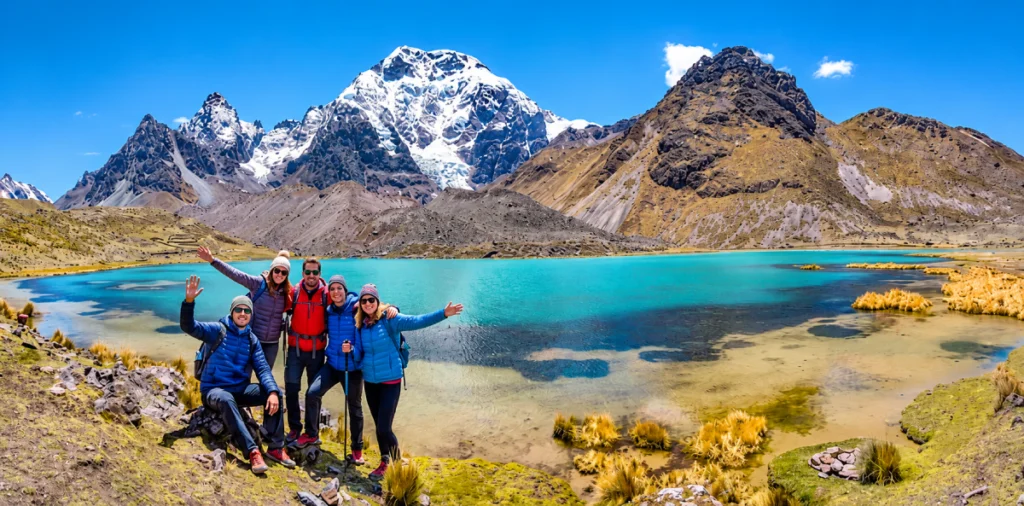
4. Wildlife at the Ccomercocha Lagoon
If you are looking to observe animal life, this is the ideal place on the entire circuit. The name of the lagoon means green lagoon and its edges usually have more natural grasses.
You will often see high-Andean birds seeking refuge in its calm, cold waters. We recommend bringing binoculars so you don’t miss the details of the species that inhabit this place.
Among the fauna you could spot are:
- The Andean goose or Huallata, which usually walks in pairs.
- Small torrent ducks that swim near the rocks.
- Kestrels that fly over the slopes in search of food.
- Alpacas and llamas from local communities that graze nearby.
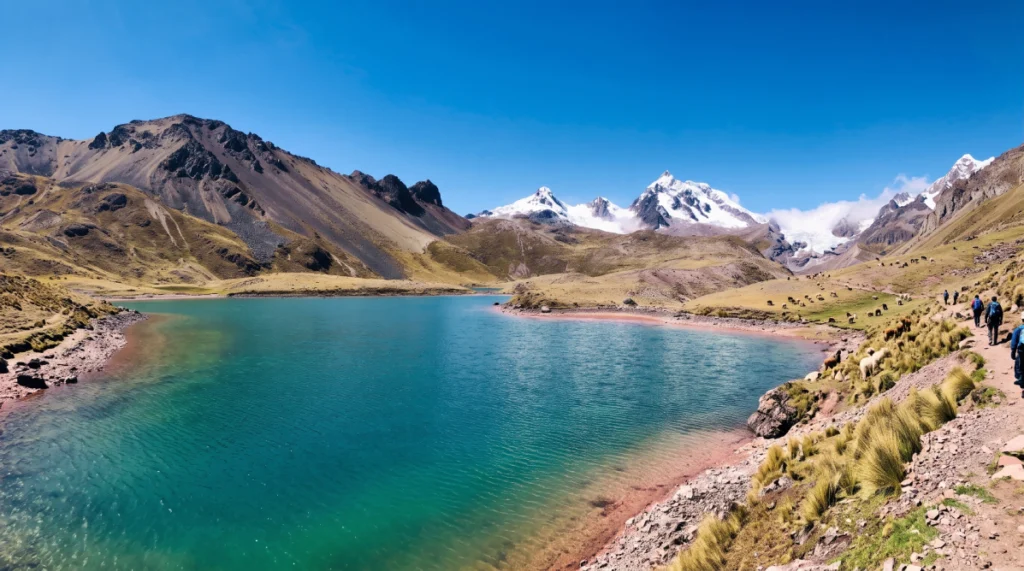
5. Characteristics of the Azul Ccocha Lagoon
The intense blue of this lagoon will surprise you with its purity and visual depth. It is perhaps the most photographed lagoon of the group due to the contrast with the clear sky.
You will notice that the water stays very clear because the sediments settle quickly at the bottom. This creates a visual effect of transparency that allows you to see the submerged rocks near the shore.
To enjoy it better, consider these points:
- Look for the natural viewpoint that offers a complete perspective of the reservoir.
- Be sure to wear sunscreen, as the reflection is very strong.
- Listen to the sound of the wind, which is usually more constant in this area.
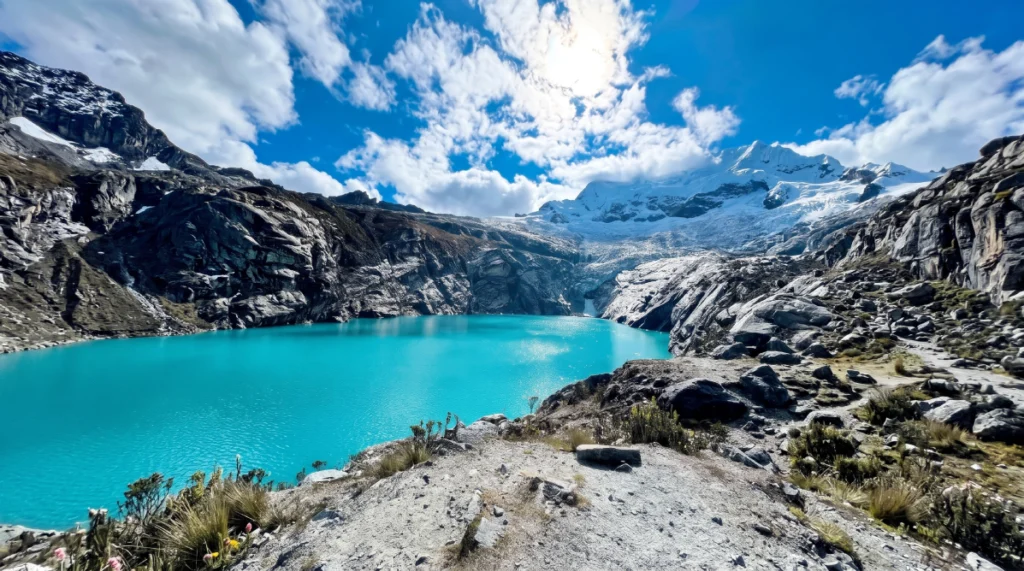
6. Patacocha Lagoon
This stop is located in a higher part of the main hiking trail. From here, you will have a privileged view of the valleys you left behind at the start of the day.
Unlike the previous ones, its size is smaller but its location makes it special. It is the perfect place to take a break before continuing to the last stretch.

7. Orco Cocha Lagoon
Finally, we arrive at the lagoon that closes this circuit of the 7 lagoons of Cusco. Its name translates to male lagoon and its environment is markedly rugged and rocky.
From this point, you can feel the satisfaction of having completed one of the most beautiful routes. Once you finish seeing it, the way back will take you towards the Pacchanta community.
Tips for booking your 7 lagoons excursion
After knowing each lagoon, it is vital to plan the practical details for your visit. At Trails to Machu Picchu we help you manage your reservation so you only have to worry about hiking.
You must consider that the weather in the mountain range changes very rapidly during the day. Therefore, we suggest following our recommendations for clothing and equipment for a better experience.
Recommended season and necessary equipment
Although you can visit the lagoons almost all year round, the dry season is the most favorable. During the months of May to October, you will have clear skies and better views of the snow-capped mountains.
Mind you, the cold is more intense during the early mornings and nights at this time. To be well prepared, we recommend including these items in your backpack:
- Thermal clothing and a jacket that blocks the cold wind.
- Hiking shoes with good traction for stony terrain.
- Trekking poles to reduce the impact on your knees.
- Water and some energy snacks such as nuts or chocolate.

Price of the 7 lagoons tour
The cost of this experience can vary depending on the additional services you decide to include. Generally, the packages cover transportation from Cusco, food, and specialized guide service.
If you want to know the updated details, at Trails to Machu Picchu we provide you with all the necessary information. We organize this tour for small groups, which guarantees closer and safer attention.
To make your reservation with us, follow these steps:
- Contact us through our website or official service channels.
- Choose the date of your trip and confirm availability of spaces.
- Tell us if you have any dietary restrictions to organize your meals.
- Receive your detailed confirmation with the pickup time at your hotel.
The 7 lagoons of Cusco await you with their vibrant colors and pure mountain air. If you are ready for this challenge, at Trails to Machu Picchu we accompany you every step of the way, contact us.