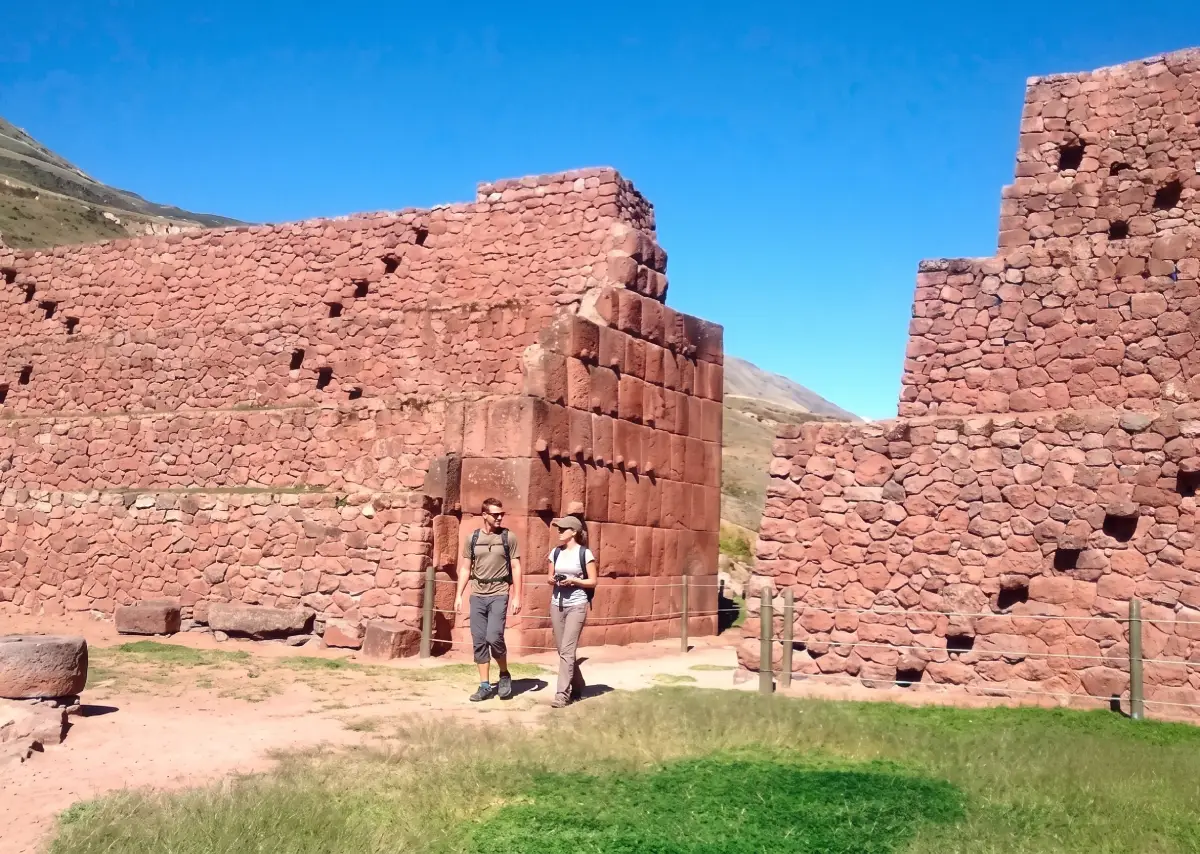
Visiting Pikillacta and the Wari culture is key to understanding the development of Andean civilizations before the Incas. That is why we at Trails to Machu Picchu always recommend this site during your time in Cusco. You will notice that its architecture and urban planning offer a different perspective on the pre-Inca past in the southern valley.
Historical reasons to explore the legacy of the Wari culture
When you arrive at this complex, you will immediately understand why it was a strategic enclave for the Andean empire. Due to its location, the Wari dominated the trade routes that connected the highlands with the high jungle. We usually explain to travelers that this place represents the maximum splendor of the Pikillacta Wari culture.
In addition, this archaeological site will allow you to appreciate the political expansion of one of the most organized societies of ancient Peru. Therefore, we suggest you observe the distribution of its streets and ceremonial plazas carefully. If you are interested in archaeology, here you will find answers regarding the most important Wari cultural administrative center in the south.
The importance of the Pikillacta Wari empire in the region
You should know that the importance of the Pikillacta Wari empire lies in its function as a node of territorial control. Thanks to its imposing size, the rulers supervised the agricultural production of the entire southern valley of Cusco. We at Trails to Machu Picchu believe that this control was fundamental for the stability of the empire.
During your tour, you will see that the city housed a large population of officials and specialized artisans. For this reason, the site shows a Wari social organization in Cusco that was highly hierarchical and efficient. You will notice that each sector had a specific function to maintain administrative order.
Archaeological findings in Pikillacta Cusco and their significance
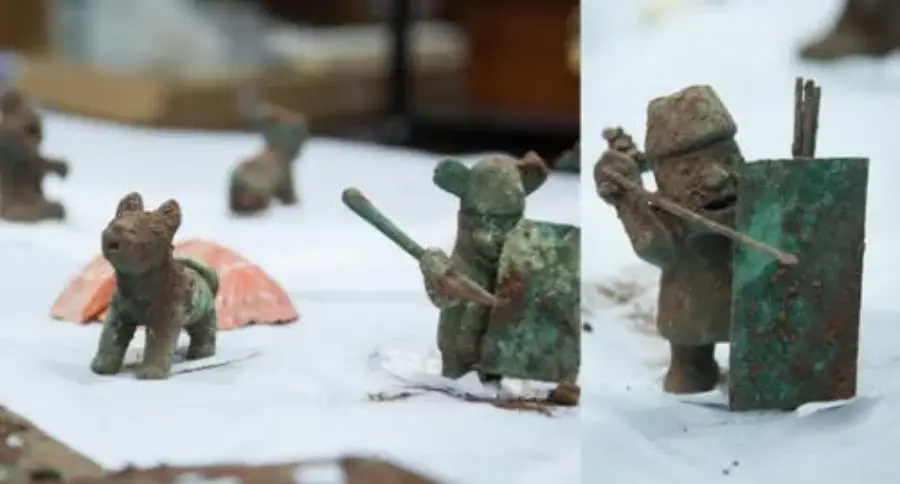
In recent years, various archaeological findings in Pikillacta Cusco have revealed new data about the rituals of this civilization. For example, researchers from the Cusco Deconcentrated Directorate of Culture found turquoise offerings in underground niches. These objects demonstrate the connection that the Wari maintained with distant regions such as the Altiplano.
Keeping this in mind, your visit will become a highly enriching pre-Inca history lesson in the southern valley. We recommend paying attention to the following elements that we usually highlight during our visits:
- Observe the stone statuettes that represent possible local ethnic chiefs.
- Look at the remains of polychrome pottery with complex geometric designs.
- Search for evidence of food storage or qolcas located in the peripheral areas.
- Identify the drainage systems that still function after centuries.
The innovative urban design of the Wari culture
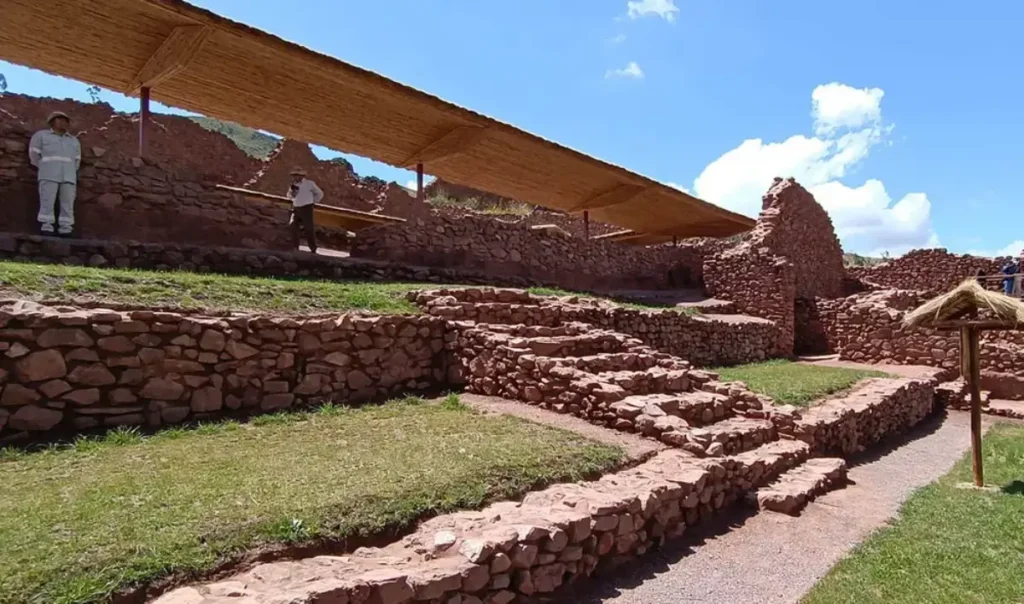
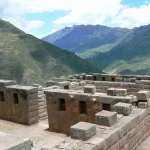
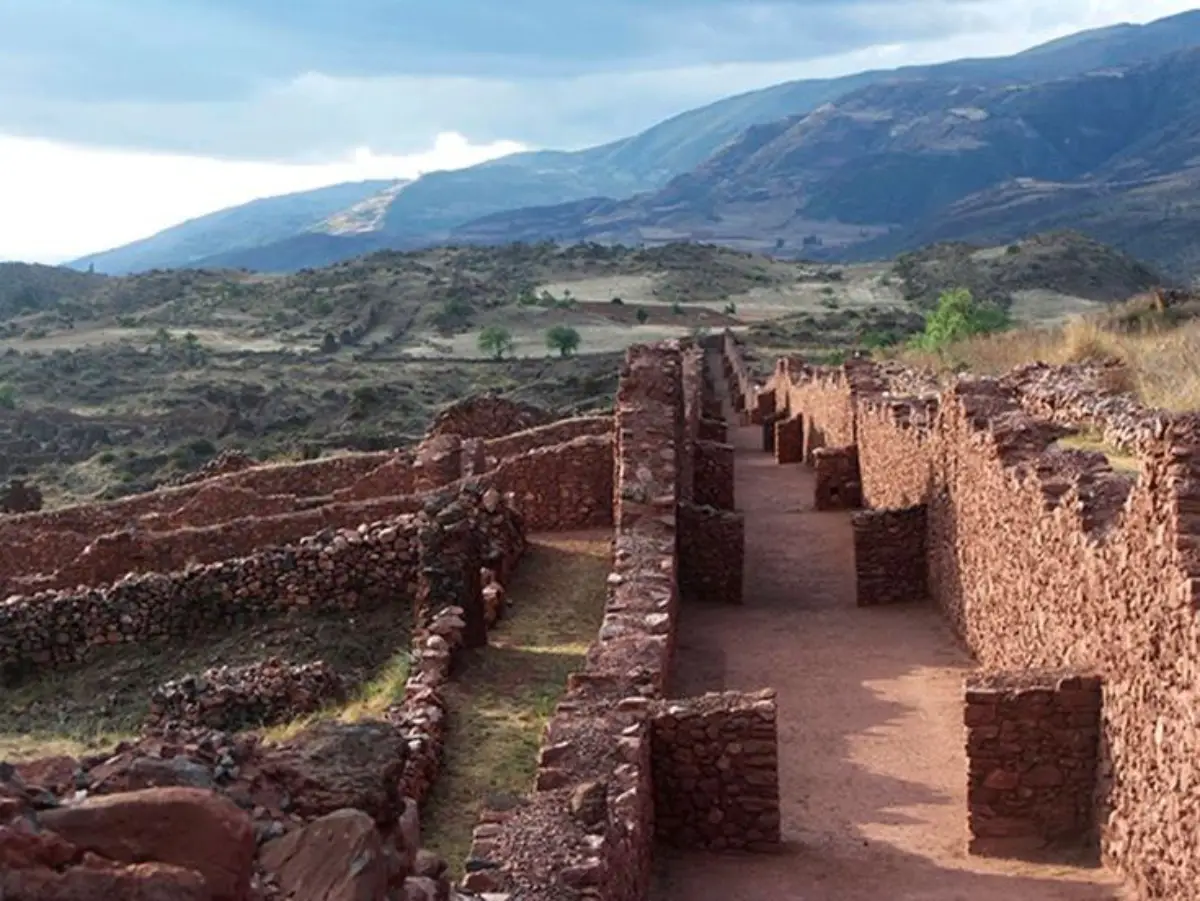
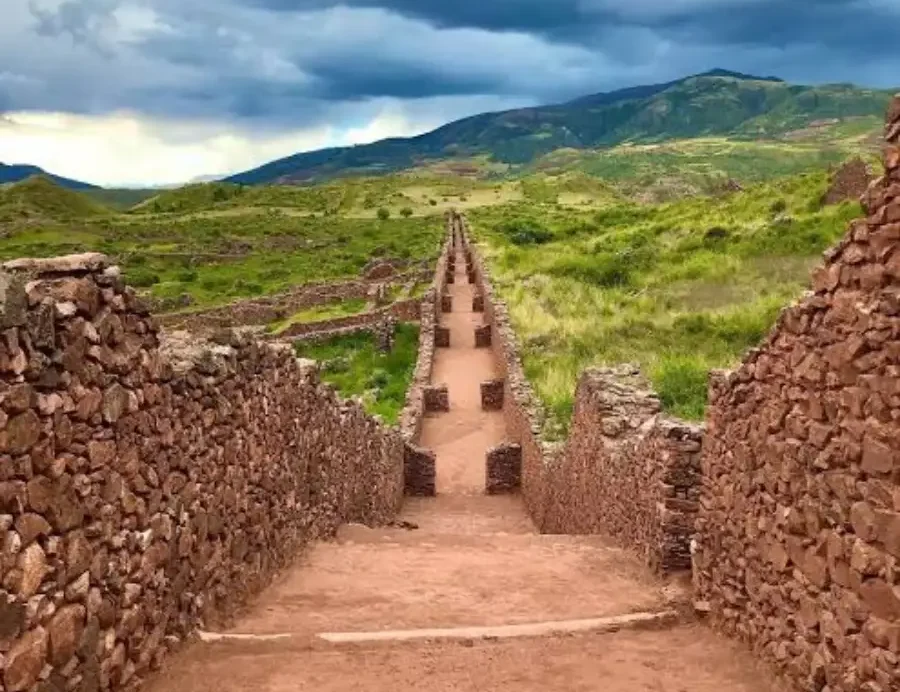
Now that you know its historical importance, it is time to analyze how they built this impressive stone city. The urban design of the Wari culture is characterized by its rigorous geometric planning and its orthogonal streets. You will notice that there are no curves, as the architects preferred the efficiency of straight lines.
Likewise, the city is divided into rectangular sectors that facilitated the surveillance and organization of the population. If you look at the general plan, you will see that the complex looks like a giant chessboard carved into the landscape. To enjoy the walk, we advise you to wear comfortable shoes to navigate its long passageways.
Double-faced walls in Pikillacta
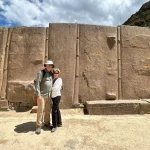
One of the most fascinating techniques you will see are the double-faced walls in Pikillacta. These walls consist of two exterior rows of stone filled with gravel and mud mortar. Thanks to this structure, the buildings could reach up to ten meters in height without losing stability.
Unlike other constructions, you will notice that the Wari plastered their walls with a layer of white gypsum. This made the city shine under the sun, creating an impressive visual effect for those who arrived in the valley. We at Trails to Machu Picchu usually point out these technical differences so that you understand the Andean constructive evolution.
Differences between Inca and Wari architecture
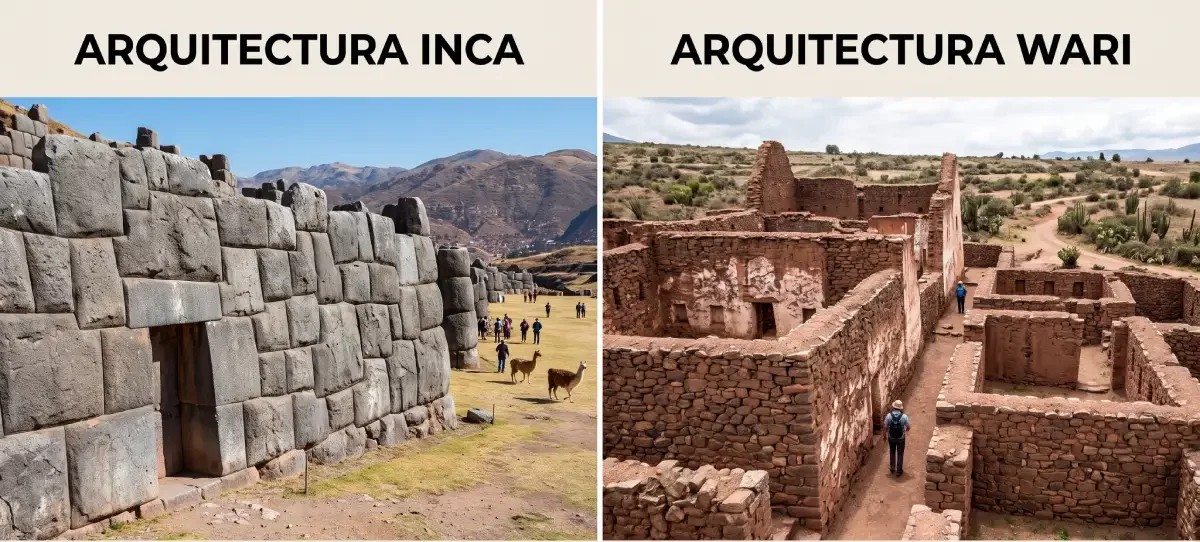
As you walk through the site, you will notice marked differences between Inca and Wari architecture in every structure you visit. For example, the Wari used abundant mud to join the stones, while the Incas preferred a perfect fit. In addition, Wari buildings are usually taller and narrower than later imperial enclosures.
To help you identify these distinctions, we present this quick comparison that will help you during your visit:
- The Wari built straight walls with plaster or fine mud finishing.
- The Incas usually gave a slight earthquake-resistant inclination to their stone walls.
- The Pikillacta Wari culture prioritized large enclosures with long, blind corridors.
- Inca architecture integrated its buildings with the natural shapes of the rocks.
The use of mortar in Wari walls
You will notice that the use of mud mortar allowed the Wari to build with small, rustic stones. Therefore, they did not need to carve gigantic blocks to achieve the monumentality of their administrative buildings. This technique made it easier for them to raise entire cities in relatively short periods of time.
The distribution of plazas and closed spaces
Another point you should check is the scarcity of windows in the walls facing the street. Because of this, life in the city was very private and protected from outside eyes. In contrast, the large central courtyards served as meeting points for official religious ceremonies.
Organizing your tour of the South Valley
After understanding the architecture, you must plan the necessary steps to reach this historic destination. The tour of Pikillacta and Tipón is the most popular option to see the contrast between both cultures. We at Trails to Machu Picchu organize this tour so that you make the most of every minute of your morning.
However, remember that the altitude in this area is similar to that of the city of Cusco. For this reason, we advise you to visit the site after a day of acclimatization to avoid fatigue. Below, we detail the practical information you need for your outing.
Distance from Cusco to Pikillacta and transportation
It is important that you consider that the distance from Cusco to Pikillacta is approximately 30 kilometers. Therefore, the trip by private transport will take you about 45 minutes if you leave early in the morning. We suggest avoiding rush hours to avoid getting stuck in city traffic.
If you prefer public transport, you can take the buses that go to the town of Urcos. However, we recommend hiring a private service to have greater flexibility in your schedule. This way, you will be able to stay longer taking photographs from the best angles of the complex.
The tourist ticket for the south valley
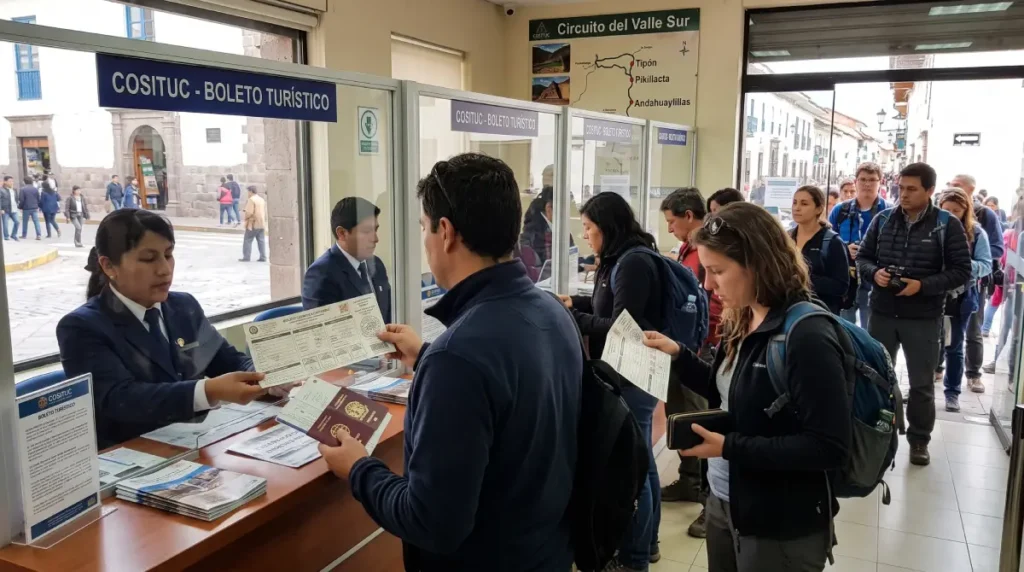
To enter the complex, it is mandatory that you have a valid tourist ticket for the south valley. This ticket includes entry to other important sites such as Tipón and the church of Andahuaylillas. Therefore, buying the full ticket is usually the most economical option if you plan to visit more places in Cusco.
To obtain your ticket without any issues, follow these steps that we usually indicate to our clients:
- Head to the COSITUC offices on Avenida El Sol in Cusco.
- Present your original identity document or passport at the time of purchase.
- Verify that the ticket stamp is legible to avoid problems at the checkpoint.
- Carry the physical ticket with you, as digital photos are not accepted at the gate.
Natural surroundings and views from the complex
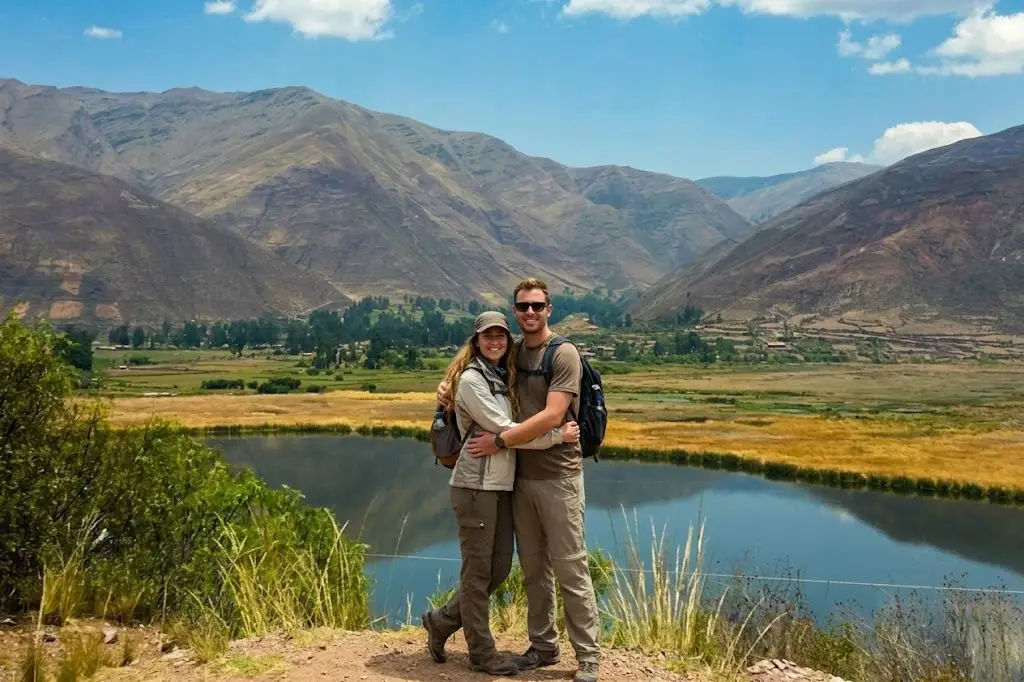
In addition to the history, the landscape surrounding the Wari city will take your breath away during your walk. The views from the Pikillacta archaeological complex allow you to see the breadth of the valley and the surrounding mountains. For this reason, many travelers consider this to be one of the best viewpoints in the south.
At Trails to Machu Picchu, we usually take a break at the highest points for you to rest. From there, you will see how ancient engineering perfectly adapted to the topography of this Andean region. You will even be able to spot the ancient roads that connected this city with other nearby production centers.
The Huacarpay Lagoon near Pikillacta
Just below the complex is the beautiful Huacarpay Lagoon, an ecosystem rich in aquatic biodiversity. You will notice that the lagoon attracts various species of ducks, herons, and other migratory birds in the area. Thanks to its proximity, you can combine your archaeological visit with a brief bird-watching session.
Taking this into account, the Huacarpay Lagoon near Pikillacta is the ideal place to have lunch after walking. We recommend trying local dishes at nearby restaurants that have a direct view of the water. Thus, you will enjoy Cusco gastronomy while observing the landscape that the Wari valued so much.
Conservation status of Pikillacta today
Despite the passage of centuries, the conservation status of Pikillacta is truly surprising for visitors. A study published in the journal Arqueología y Sociedad in 2021 highlights the resistance of its foundations. According to researcher Armando Valencia Arriola, hydraulic planning prevented humidity from destroying the bases of the buildings.
In practice, this means that you can still walk through streets that preserve their original layout from a thousand years ago. However, we ask that you respect the signs and do not climb on the walls to preserve them better. With your help, this legacy of the Pikillacta Wari culture will continue to inspire future generations of travelers.
Final tips for your visit to the South Valley
We hope this information motivates you to include this destination in your next tour of Cusco. Making a stop on a Pikillacta south valley tour will enrich your perspective on the evolution of Peruvian cultures. We at Trails to Machu Picchu will be delighted to help you organize every detail of your adventure.
To make your experience perfect, we suggest preparing your backpack with basic mountain items. Finally, remember that visiting these less-crowded sites offers you a deeper connection to the past. With us, you can explore the Pikillacta Wari culture in a comfortable, safe, and very professional way, contact us.
If you are ready to see these ancient walls, follow these final recommendations:
- Always wear a hat and sunscreen to protect yourself from the Andean sun.
- Carry a reusable water bottle to stay hydrated during the hike.
- Don’t forget your camera to capture the perfect geometry of the city.
- Hire a specialized guide to discover the secrets that the stones hold.