Choosing between the South Valley versus Sacred Valley Peru allows you to customize your experience in Cusco in a unique way. Therefore, understanding what each area offers is vital to make the most of your time in the Andes. While one is world-famous, the other holds impressive archaeological and artistic secrets.
Main differences between both valleys
To decide correctly, you must first know the marked differences between both valleys that influence your travel pace. You will notice that the Sacred Valley is much more extensive and receives a constant flow of visitors daily.
On the other hand, in the South Valley you will enjoy a more intimate and calm atmosphere. To help you visualize it better, consider these key points:
- The altitude varies slightly, but the south feels closer to the city.
- The archaeological sites in the north are Inca, while the south includes pre-Inca vestiges.
- The climate in the Sacred Valley tends to be a bit more temperate and warm.
- You will find a much broader and more varied hotel offer towards the north of Cusco.
Landscapes and geographic environment
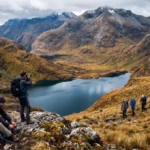
When traveling through the landscapes of the south of Cusco, you will see extensive plains and lagoons surrounded by less steep mountains. This natural environment invites a more relaxed and mystical contemplation throughout the bus ride.
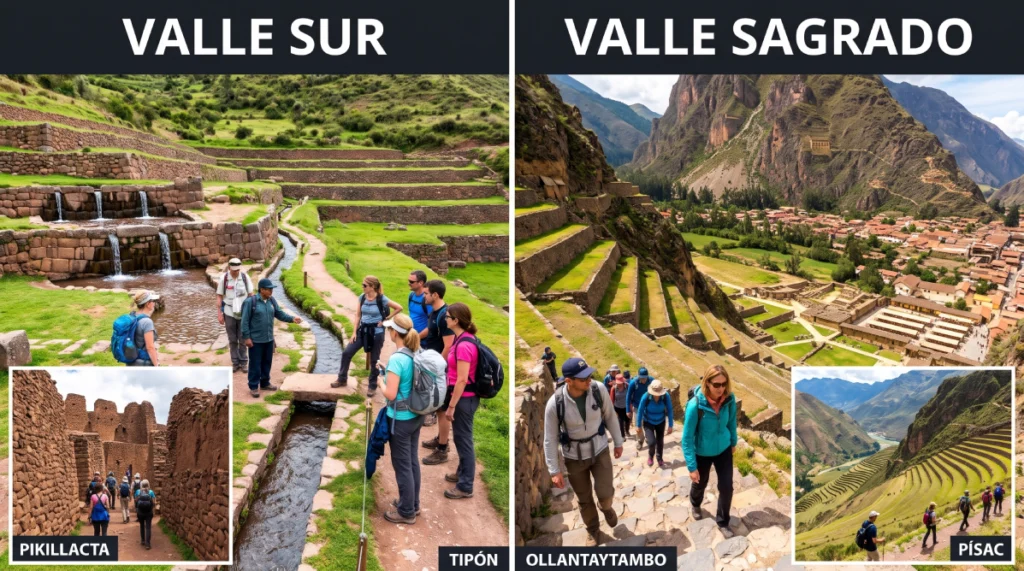
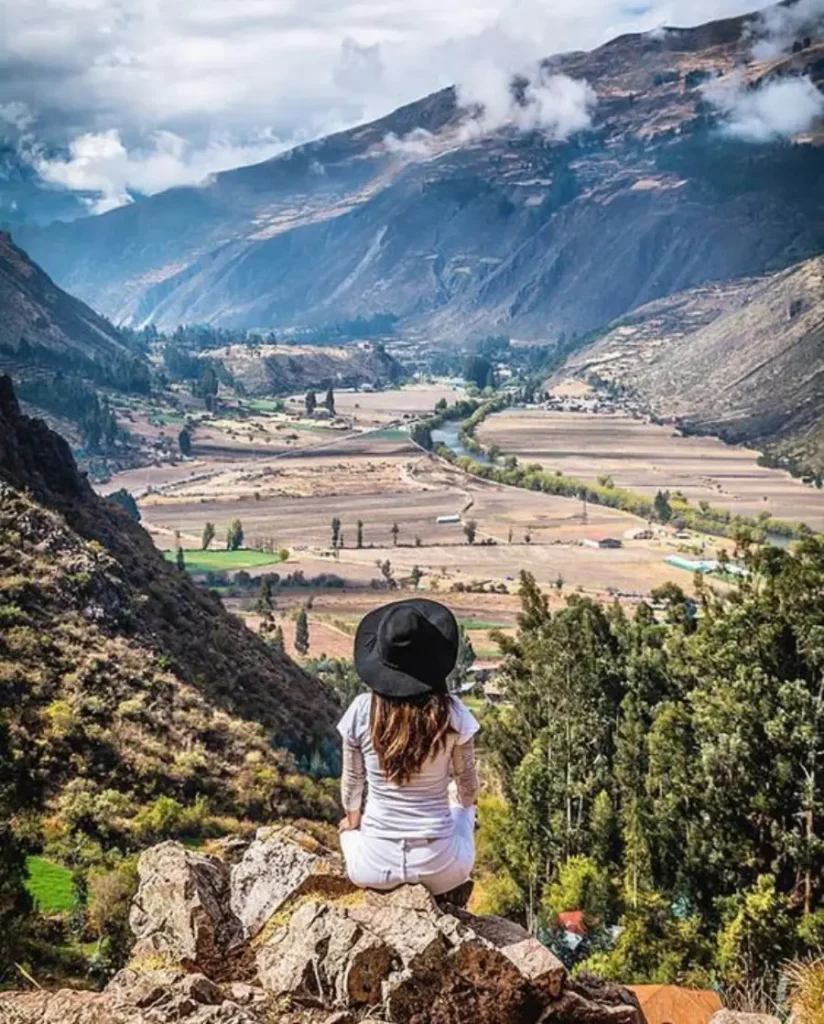
On the other hand, the Sacred Valley impacts with its snow-capped peaks and a rushing river that winds between towns. Both settings are beautiful; however, the south stands out for its open horizon and traditional cultivated fields.
Types of architecture and archaeological remains
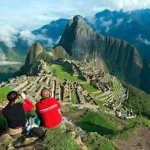
You will notice that the construction in the Sacred Valley is purely imperial, with stones perfectly polished and fitted together. We at Trails to Machu Picchu usually highlight that this area shows the maximum splendor of the Inca empire.
However, towards the South Valley you will discover a fascinating mix of eras and very varied construction styles. There you will see everything from planned mud cities to colonial temples with gold finishes and wall paintings.
Advantages of visiting each valley
When analyzing the South Valley versus Sacred Valley Peru, you will discover that each destination satisfies a different traveler’s interest. Therefore, we recommend you choose based on the type of history you wish to know during your stay.
Both routes offer specific benefits that enrich your knowledge about current Andean culture. Here we present the main advantages of visiting each valley so that you can plan successfully:
- The Sacred Valley is the natural and mandatory step before reaching Machu Picchu.
- You will find fewer tourists in the South Valley, which allows taking photographs without crowds around.
- The northern area offers famous craft markets such as those of Pisac and Chinchero.
- The south allows you to visit the Andean Baroque route and its religious artistic treasures.
Benefits of the Sacred Valley
This destination is ideal if you are looking for the classic experience and want to see the largest monuments of Cusco. Furthermore, its direct connection with the train to Aguas Calientes makes it a very convenient strategic stop.
You will also be able to enjoy top-tier gastronomy in restaurants located facing the Urubamba river. It is a vibrant route where you will always find movement, local fairs, and very complete tourist infrastructure.
Reasons to choose the South Valley
If you prefer silence and less conventional archaeology, the attractions of the South Valley will exceed all your initial expectations. You will be able to walk through ancient streets without rush and talk to local residents more directly.
Furthermore, this route is perfect for history lovers who wish to see the Peruvian cultural evolution. We at Trails to Machu Picchu consider that this tour perfectly complements the global vision of the region.
Why include the South Valley in your route
Beyond comparisons, this sector holds treasures of engineering and art that you will not see in other places. Therefore, visiting it gives you a much broader perspective on how ancient societies were organized.
From irrigation systems to urban planning, the sites in this area are true lessons in living history. We suggest you pay special attention to the following points of interest during your guided visit:
Hydraulic engineering of Tipón
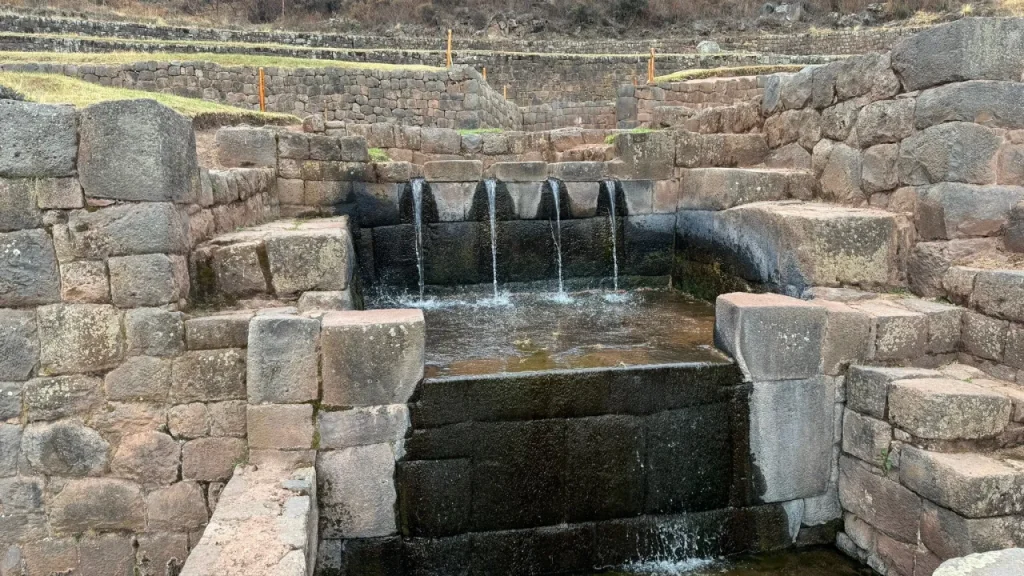
In this archaeological site, you will observe how the Incas mastered water with technical mastery that still amazes today. You will notice that the fountains and canals continue to function perfectly after more than five hundred years of construction.
The hydraulic engineering of Tipón consisted of a system of twelve terraces with constant and rhythmic waterfalls. According to recent research by the Ministry of Culture, this place functioned as a center of water worship and an agricultural laboratory.
Wari urbanism in Pikillacta
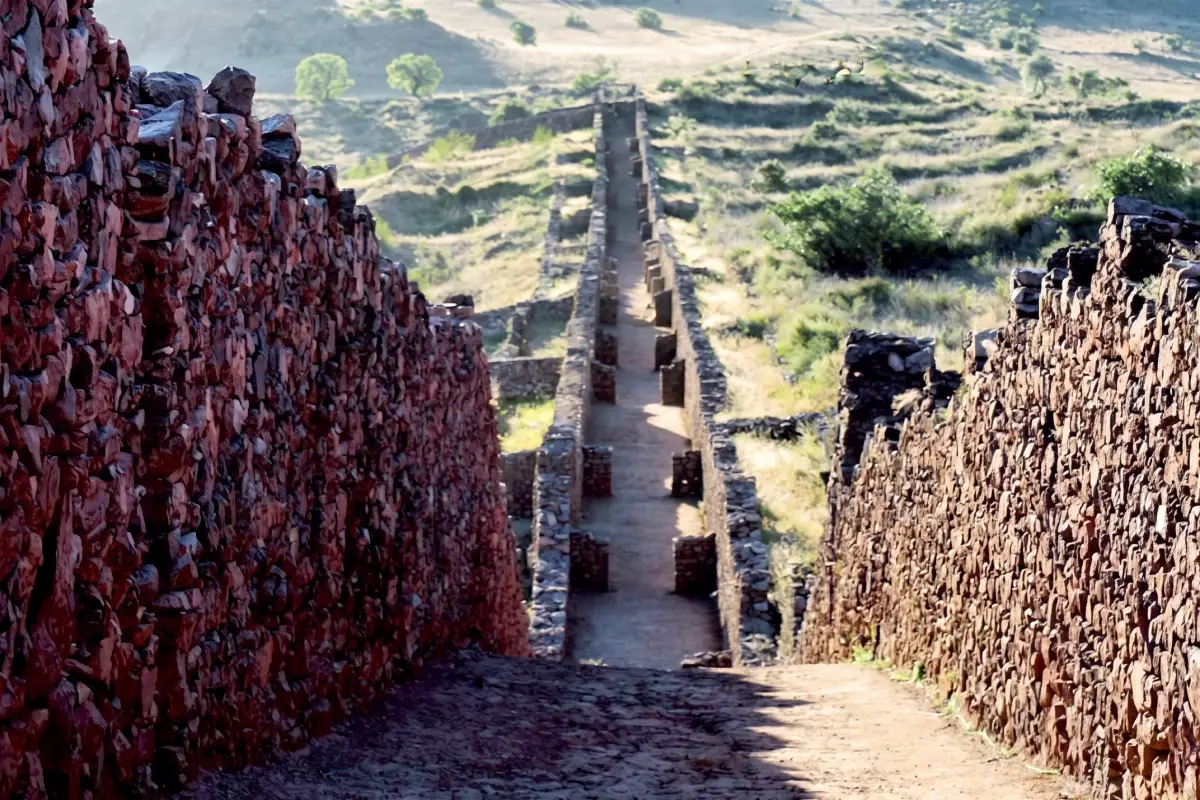
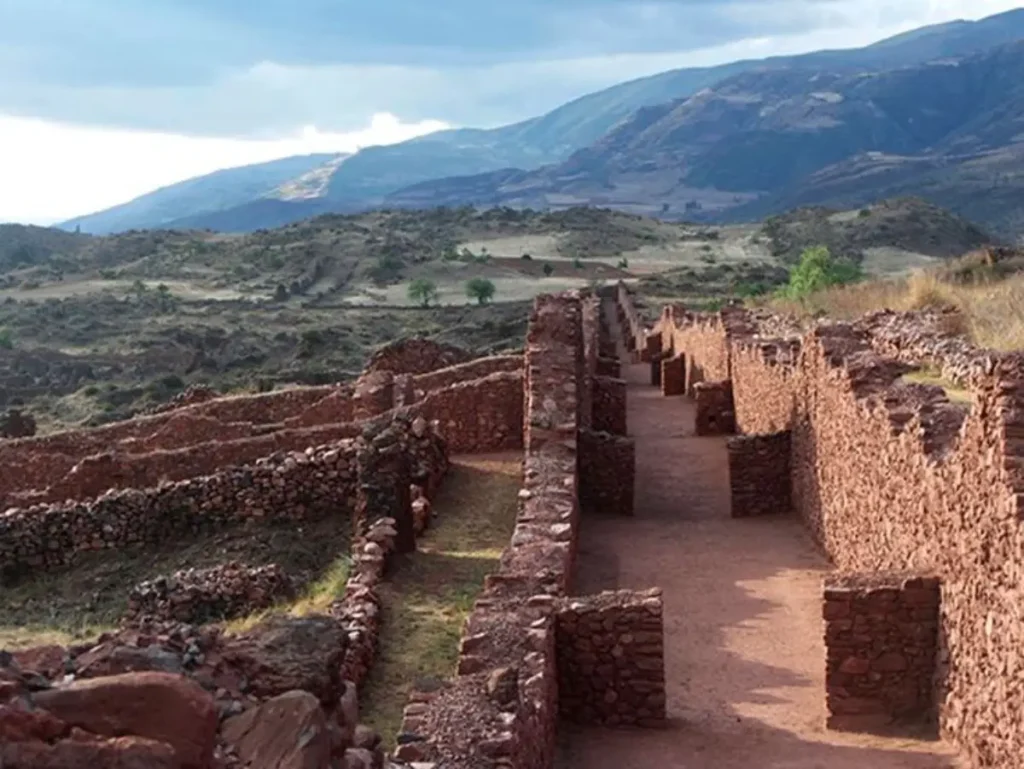
Upon arriving at this site, you will see an enormous city built with small stone and mud long before the Incas. It is one of the best examples of Wari urbanism in Pikillacta, with straight streets and well-defined sectors.
This pre-Inca culture greatly influenced the administrative organization that the Incas later perfected throughout their territory. Therefore, walking through its walls of up to twelve meters in height is a truly impactful historical experience.
Colonial architecture of Andahuaylillas
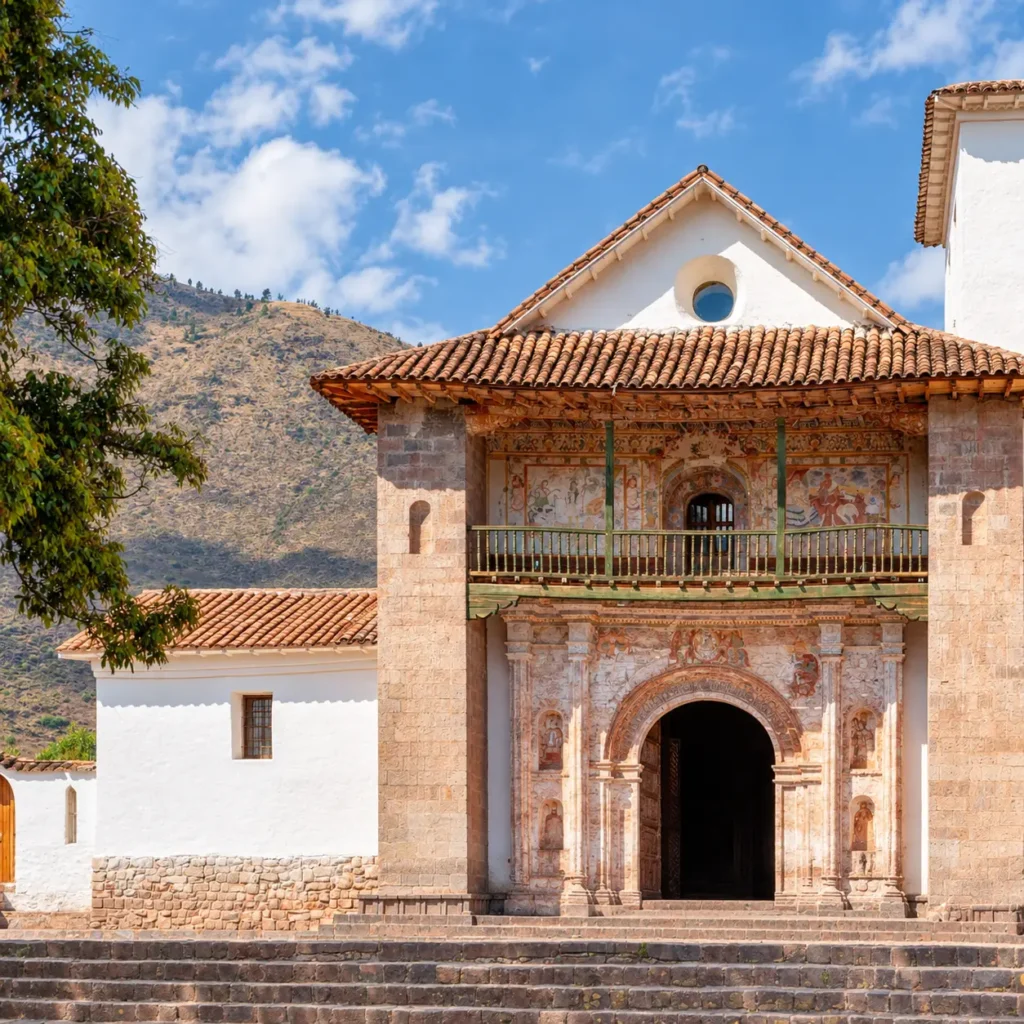
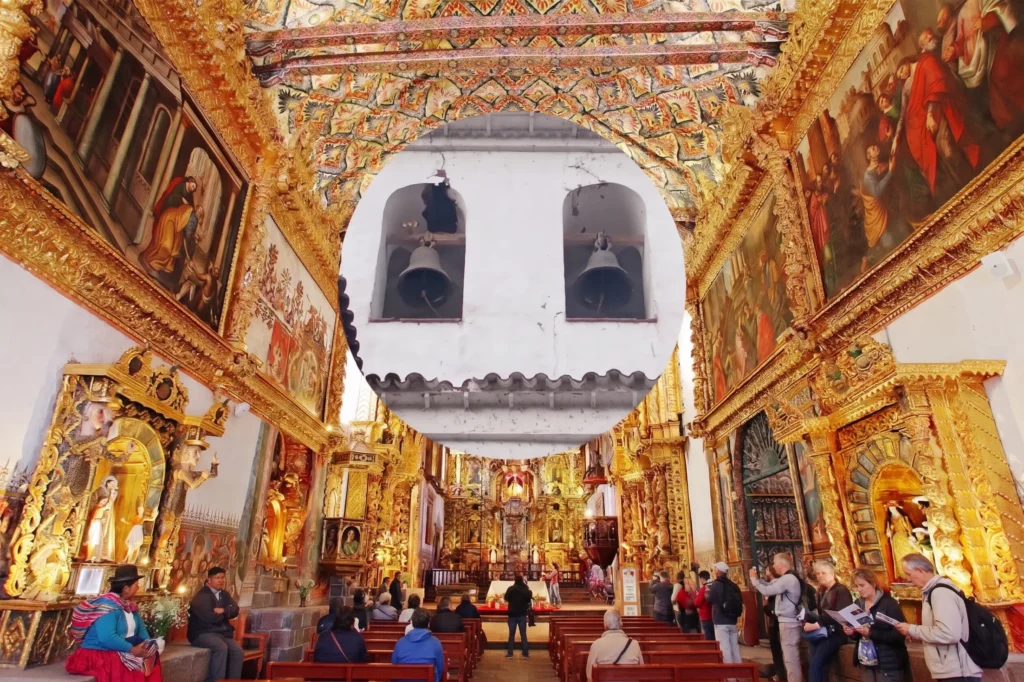
This small town houses a temple known as the Sistine Chapel of the Americas for its highly profuse internal decoration. The colonial architecture of Andahuaylillas stands out for its painted ceilings and altars covered with fine sheets of pure gold.
Inside the temple, you will appreciate the famous painting of the Cusco school that decorated a large part of the colonial temples. These works mix Catholic motifs with Andean elements, creating a visual syncretism that will leave you speechless for hours.
How to organize your combined itinerary
To integrate the South Valley versus Sacred Valley Peru into your plan, you must consider the distances and travel times. Therefore, we at Trails to Machu Picchu help you design an efficient and logical tour.
The ideal thing is not to rush the visits so that you can appreciate the details of each important archaeological site. Follow these recommendations to organize your days in Cusco in the best possible way:
- Define first how many total days you will dedicate to exploring the rural areas of the region.
- Establish a logical order of the itinerary that allows you to acclimatize to the altitude gradually.
- Choose the type of mobility you will use to move between the different points of interest.
- Book your tickets in advance to avoid unnecessary queues at the control centers.
Transfer time between valleys
You should know that both valleys are found in opposite directions taking the city of Cusco as the central starting point. Therefore, we do not recommend trying to visit both in a single day because you will end up very exhausted.
The transfer time between valleys can exceed two hours if you decide to cross from one end to the other. It is much better to dedicate full days to each area to enjoy the landscapes without looking at the clock constantly.
Combine valleys in three days
An excellent option to see everything without haste is to combine valleys in three days of intense but organized exploration. With us at Trails to Machu Picchu you can coordinate this plan to take advantage of every minute of your Andean stay.
This temporal distribution allows you to see the most famous sites and also the lesser-known corners of the region. Here we suggest a basic structure for your three-day plan in the Cusco valleys:
Day 1: The classic Sacred Valley
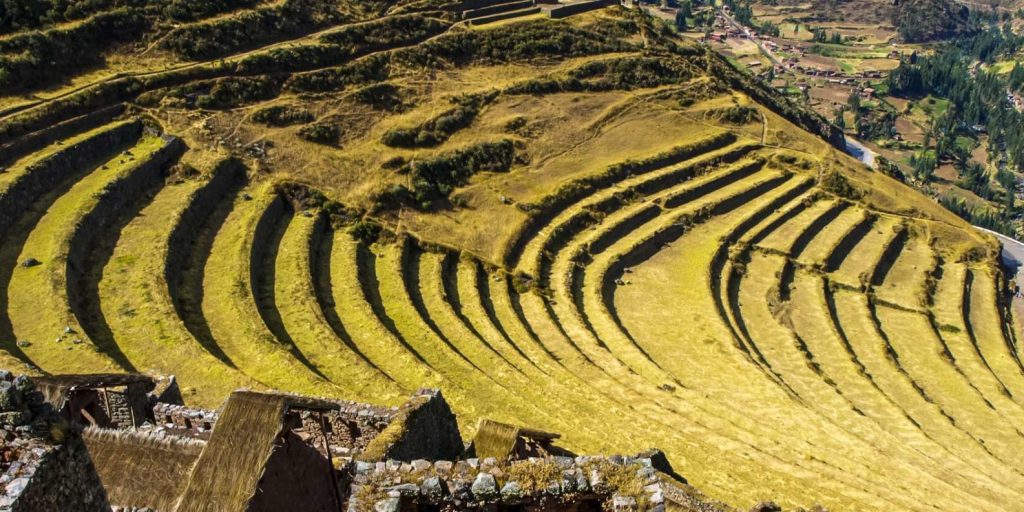
We recommend starting with the sites of Pisac and Ollantaytambo to have a strong first contact with the culture. You will enjoy the agricultural terraces and the massive stone temples that characterize the northern area of the department.
Day 2: Transition and deep Sacred Valley
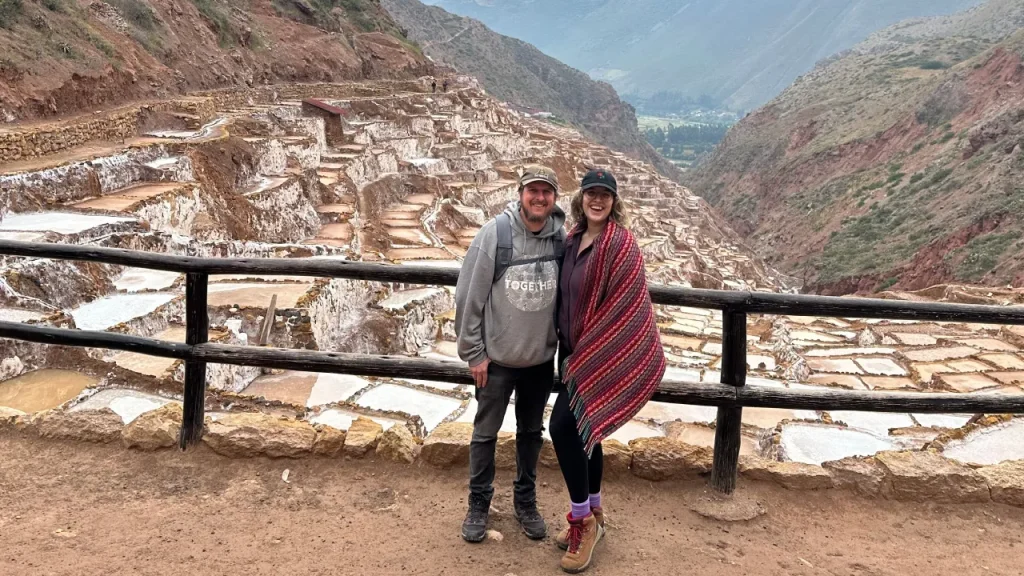
You can dedicate this day to getting to know Maras, Moray, and the picturesque town of Chinchero before returning to Cusco. It is an ideal day to understand Inca agriculture and buy authentic textiles directly from the hands of local artisans.
Day 3: The South Valley and Cusco
Finish your tour exploring Tipón, Pikillacta, and the wonderful church of Andahuaylillas during a calm and sunny morning. In the afternoon, you will have enough time to walk around the Qorikancha or rest in the central Plaza de Armas.
Practical tips for your visit
When planning your trip between the South Valley versus Sacred Valley Peru, consider that mobility is a determining factor. Therefore, choosing the right transport will allow you to fulfill your schedule without suffering unnecessary delays or stress.
It is also important to check the weather, as the rains can affect access to certain secondary rural roads. We suggest you take these practical tips into account before leaving your hotel in the morning:
Private or shared transport
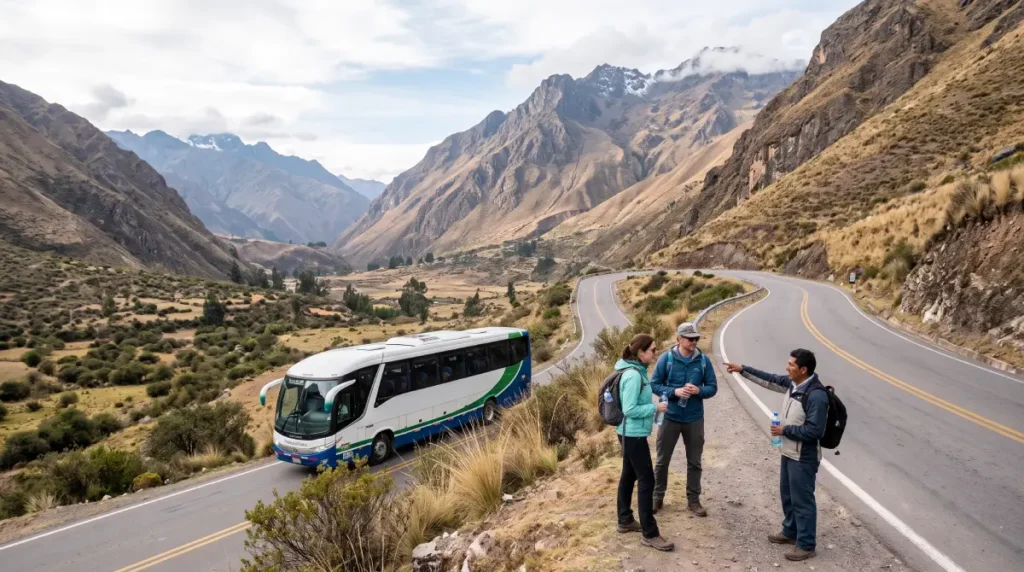
Deciding between private or shared transport will depend on your budget and the level of flexibility you wish to have. We at Trails to Machu Picchu usually recommend the private service if you are traveling in a group or with family.
Private transport allows you to stop at natural viewpoints and move at your own pace at each archaeological site. In contrast, shared service is cheaper; however, it has fixed schedules that you must strictly respect throughout the day.
Half-day excursions
If your agenda is very tight, half-day excursions are an excellent solution to get to know the South Valley. As the sites are close to the city, you can leave early and be back for lunch.
This option is ideal for those who wish to balance rest with cultural visits without finishing the day exhausted. When choosing the South Valley versus Sacred Valley Peru under this format, you make better use of the mornings of clear light.
Remember to always carry your Cusco Tourist Ticket, as it is indispensable for entering almost all the mentioned sites. At Trails to Machu Picchu we help you verify which attractions are included in each type of ticket currently available.
Conclusion
Integrating the South Valley versus Sacred Valley Peru into your trip guarantees you a complete and deep vision of the Andean world. While the north marvels you with its imperial scale, the south connects you with the mysticism and colonial art. Both valleys complement each other to offer you an enriching experience that you will remember forever as part of your Peruvian adventure.
If you wish to organize these routes without worries, we at Trails to Machu Picchu are ready to help you with every detail. Contact us to design your ideal itinerary together and ensure that you make the most of every treasure that Cusco has to offer.