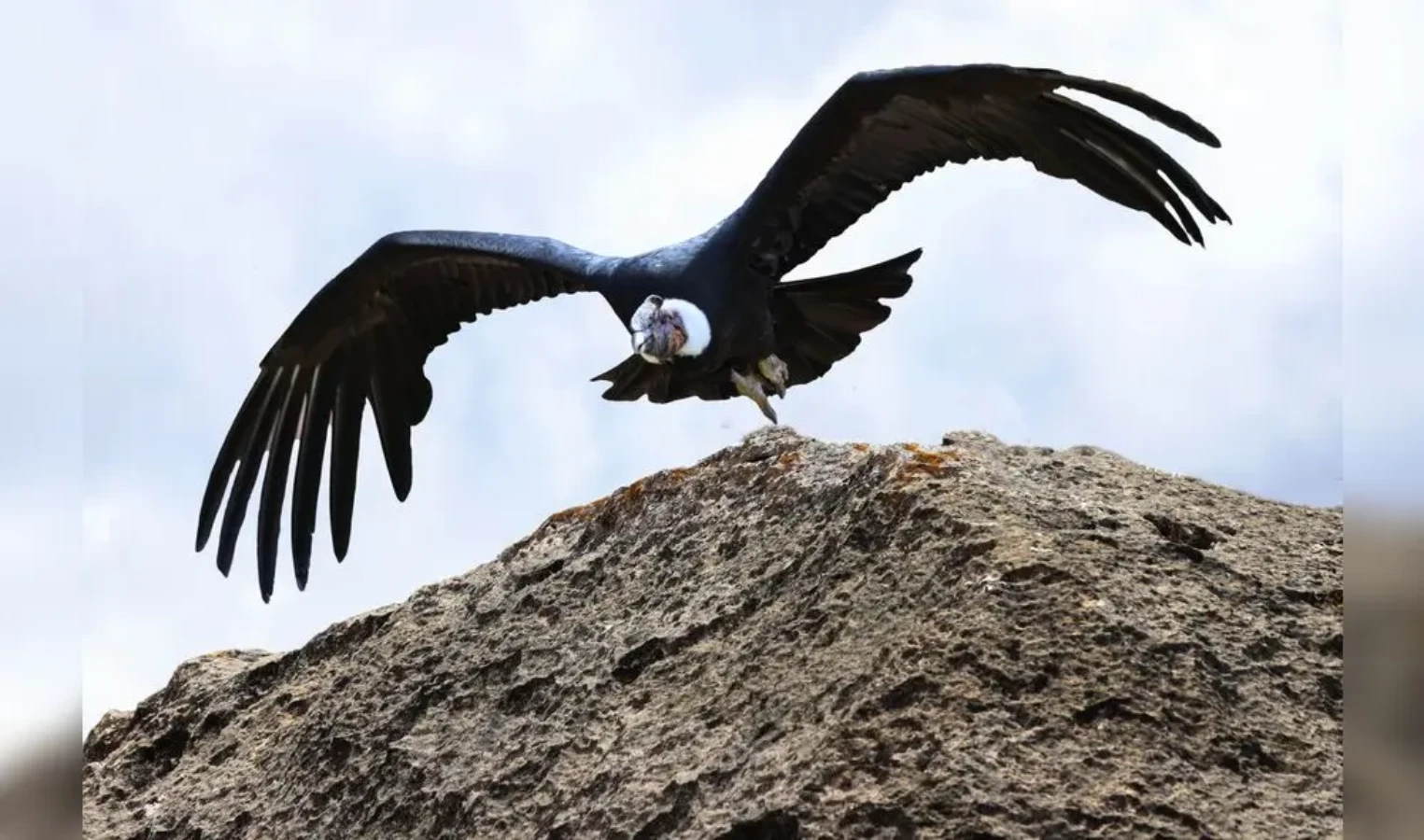
If you are looking for Where to see condors in Cusco, the Chonta Condor Viewpoint is one of the best-known destinations. This place is located in the province of Anta, within the district of Limatambo. The viewpoint is associated with the landscape of the Apurímac River Canyon and offers a space equipped for observing the flight of these birds. Additionally, SERFOR has identified the peasant community of Chonta as a potential point for sightings.
During an evaluation carried out in Cusco, adults, juveniles, and sub-adults were recorded. However, observing wildlife always depends on natural conditions. Therefore, no responsible operator should guarantee a specific number of birds. The destination is especially interesting for travelers interested in nature tourism in Cusco. It also allows for a combination of hiking, photography, and contemplation of the Andean landscape. Before choosing a tour, it is advisable to check access conditions and local instructions. This way, you can organize a responsible visit with realistic expectations.
- The Chonta Condor Viewpoint as the Main Observation Destination
- The flight of the Andean condor and natural observation conditions
- The habitat of the Andean condor in Cusco
- Other recorded presence points in Cusco
- Best time to observe condors in Cusco
- Condor sighting in Cusco and tourist experience
- Birdwatching tour in Cusco
- Andean condor route and trip organization
- Tips for responsible condor sighting
- Recommended equipment for the excursion
- Where to watch birds in Cusco besides the condor
- Natural attractions near Cusco to complement the visit
- Conservation of the Andean condor and responsible tourism
- Final recommendations for planning the visit
- Frequently asked questions
The Chonta Condor Viewpoint as the Main Observation Destination
Among the best places to observe condors in the tourist environment of Cusco, Chonta stands out. The resource is registered as the Natural Viewpoint of the Flight of Condors-Chonta within regional tourism inventories. Its location allows for the contemplation of sectors of the Apurímac Canyon from an elevated area. Furthermore, the landscape combines mountains, rock formations, and natural spaces typical of the Andes. The experience is mainly oriented toward wildlife and landscape observation. Therefore, it is appropriate for travelers looking for a different activity.
PROMPERÚ indicates that Chonta is located approximately 98 kilometers from the city of Cusco. The land journey takes about two and a half hours, according to their traveler’s guide. After the vehicular section, there is a walk of approximately 3.2 kilometers. This route can take about an hour, depending on the visitor’s pace. Entry requires a ticket, so you should consider this aspect before traveling.
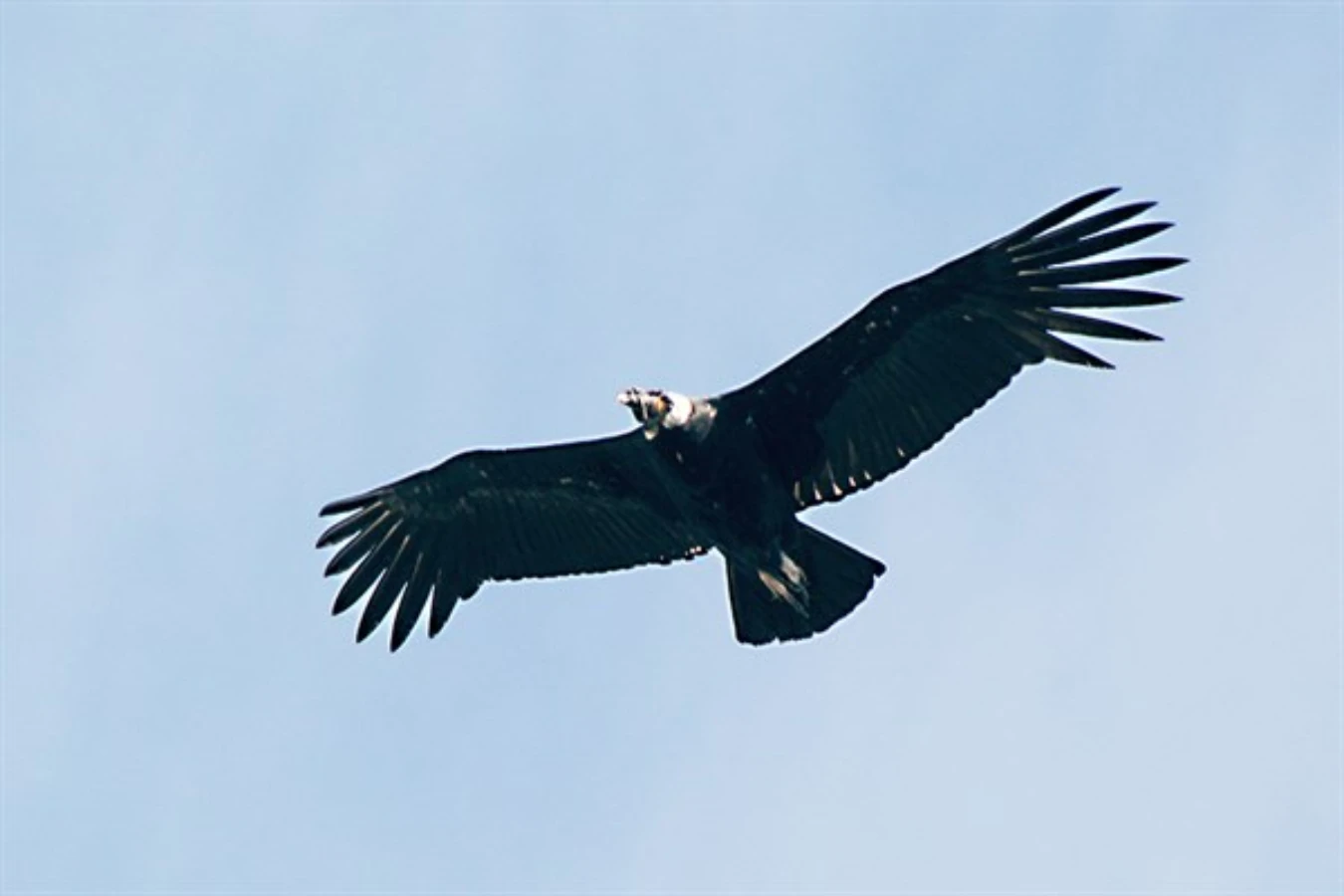
Characteristics of the Route to Chonta
The visit to Chonta combines land transport with a hike to the viewpoints. The final stretch allows for a progressive approach to the area designated for observation. Consequently, it is recommended to wear suitable footwear for uneven terrain. It is also advisable to bring clothing adaptable to temperature changes during the day. The area belongs to the high Andean environment, where conditions can vary rapidly.
Additionally, sun exposure can be considerable in open spaces. For this reason, travelers should bring sun protection and enough water. A relatively short walk can feel demanding after spending several hours at high altitude. It is also important to move at a steady pace and respect the instructions of local staff. The main objective is to reach the observation point without disturbing the environment. During the journey, you can appreciate different elements of the natural landscape of Anta. Thus, the outing does not depend solely on sighting the bird. The route also functions as a nature tourism in Cusco activity. (Link preserved: nature tourism in Cusco.)
The flight of the Andean condor and natural observation conditions
The flight of the Andean condor depends directly on environmental conditions. These birds use air currents to move and travel long distances. Therefore, their presence can change even during the same day. SERFOR explains that the condor can travel daily through extensive areas. Additionally, its high-altitude flight can make identification difficult from certain points. This means that visiting a recognized viewpoint does not guarantee observing individuals throughout the entire visit.
Behavior can also vary depending on food availability, weather, and atmospheric conditions. Therefore, it is convenient to dedicate enough time to observation. It is also recommended to bring binoculars whenever possible. A camera with a zoom lens can facilitate photography without getting too close to the birds. Visitors should avoid chasing them or trying to attract them with food. Nor should they leave established trails to seek better positions. These measures help maintain an appropriate distance from wildlife. Additionally, they reduce the risk of generating unnecessary changes in their natural behavior.
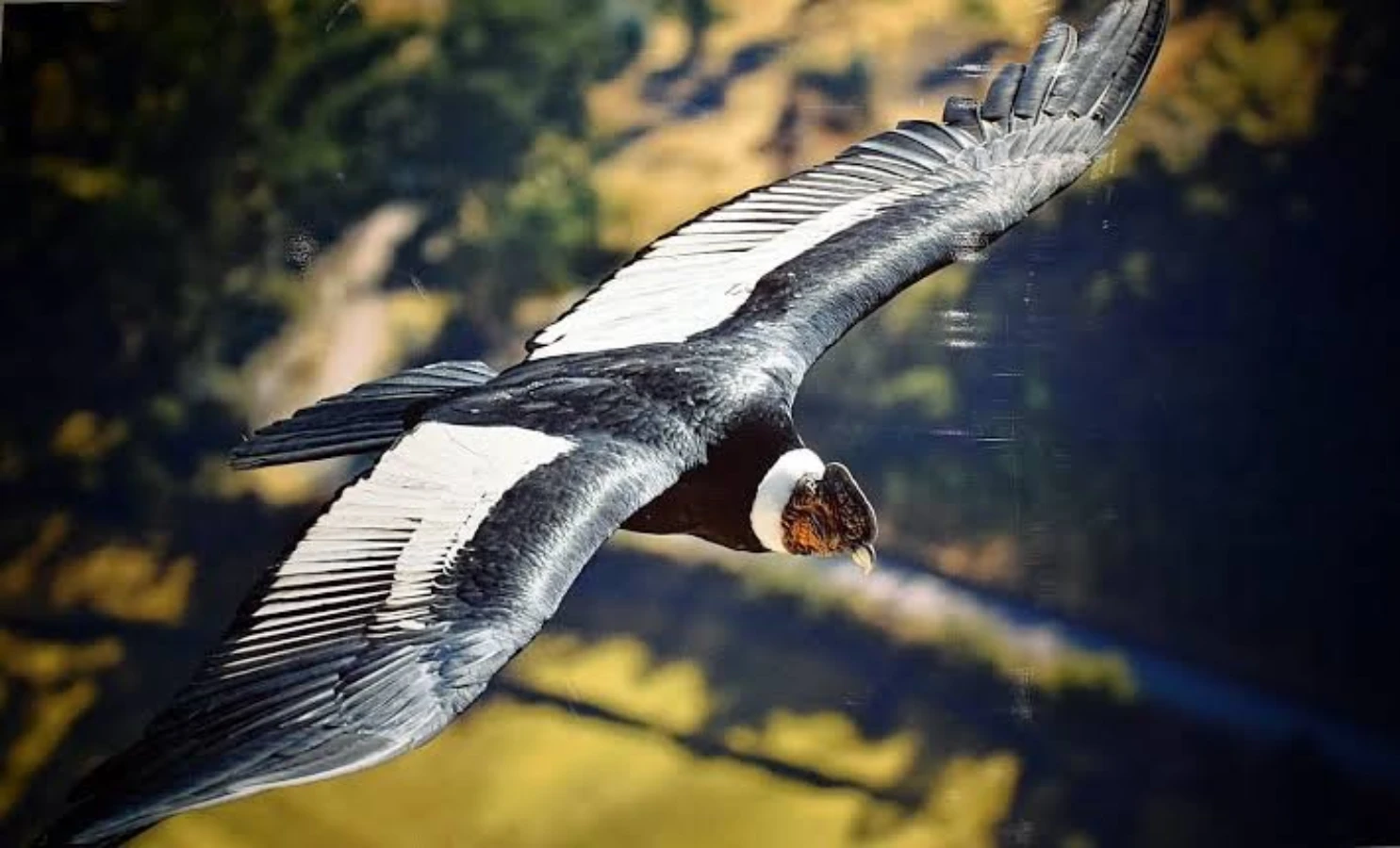
The habitat of the Andean condor in Cusco
Understanding the habitat of the Andean condor helps to better interpret any observation experience. The Vultur gryphus mainly inhabits different sectors of the Andes Mountains. The species especially uses open environments and areas near cliffs. These spaces can function as resting, movement, or nesting areas. Additionally, there are places known as condoreras (condor nesting sites), where several individuals can gather. However, not all condoreras are equipped to receive visitors. Some are located in difficult-to-access areas or require additional studies.
SERFOR has specifically pointed out this situation for different sectors of Cusco. The evaluation carried out in 2022 identified six observation points within the department. Among them were Chonta, Omacha, Phinaya, Vilcabamba, Abra Málaga, and Choquequirao. Some were considered important for understanding the distribution of the species. Therefore, not all should be interpreted as conventional tourist destinations. This difference is important for planning a safe and responsible visit. For travelers, Chonta currently offers a clearer tourist reference for this activity.
Other recorded presence points in Cusco
In addition to Chonta, there are other places where authorities recorded the presence of the condor. Omacha, in the province of Paruro, was one of the points evaluated. Observations were also made in Phinaya, within the province of Canchis. Sectors linked to Vilcabamba and Choquequirao were also considered. Likewise, Abra Málaga, in the province of La Convención, was part of the evaluation. These records are important for knowing the distribution of the species in Cusco.
However, they do not necessarily mean that there are regular tours to all these points. Some places were evaluated mainly within research and conservation work. Therefore, it is advisable to differentiate between an area with a recorded presence and a developed tourist attraction. This distinction avoids generating incorrect expectations among travelers. It also allows for choosing destinations with known tourist services and access. For a first experience, Chonta presents an alternative more directly linked to tourism. The other points may be of greater interest to specialized observers or more experienced visitors.
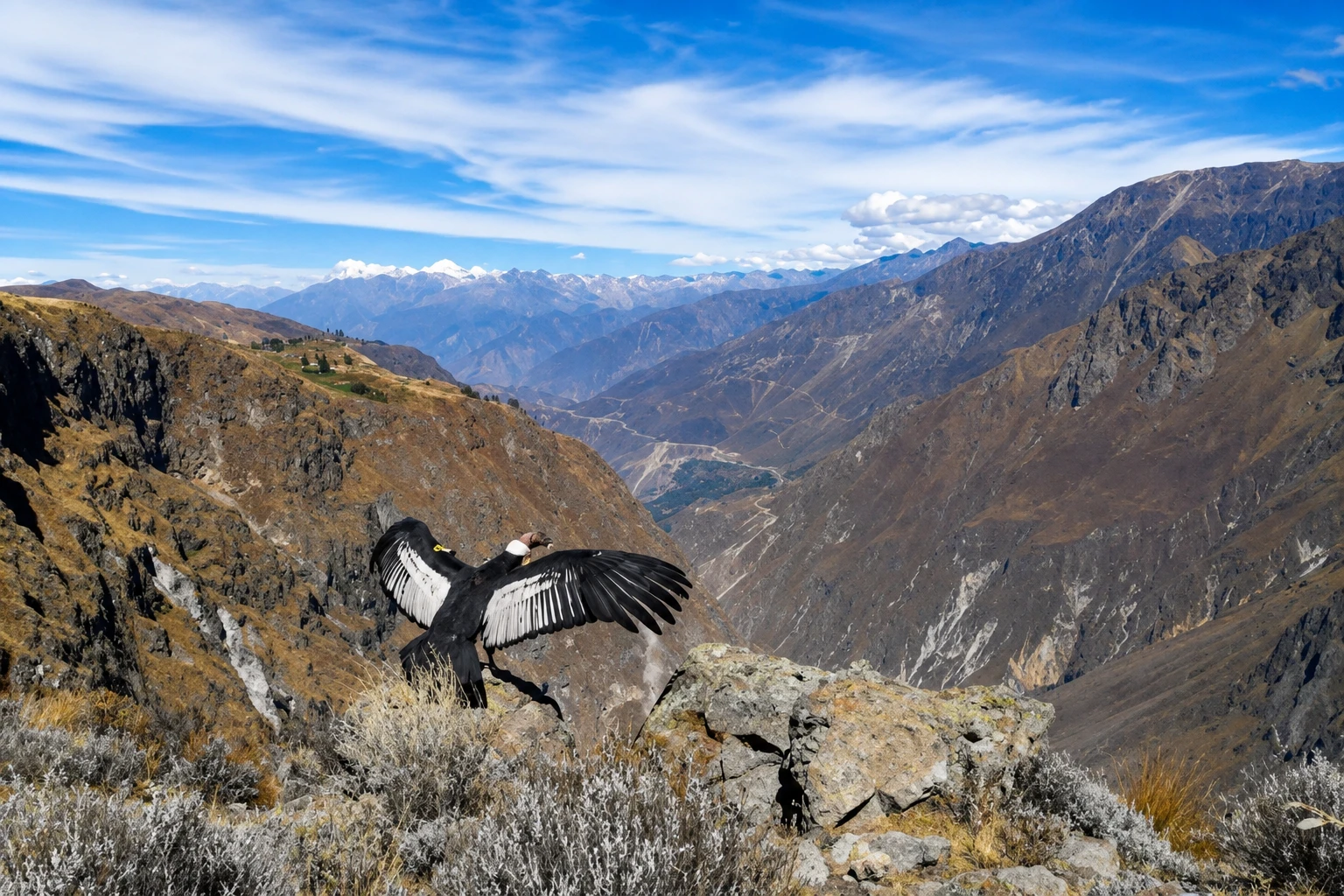
Best time to observe condors in Cusco
The best time to observe condors cannot be established as an absolute guarantee. The presence of the bird depends on natural factors that change every day. Among them are weather conditions and food availability. The daily activity of the individuals present in a certain area also influences this. SERFOR recorded birds perched and in flight during its evaluations in Cusco. Some were observed before starting their daily activity. Others appeared during their return after moving through the territory.
Consequently, the possibility of observation can vary even within the same period. Travelers should check recent conditions before going on the excursion. It is also useful to confirm the status of access with local operators. During rainy seasons, the hike may present different conditions. Additionally, clouds can make visibility difficult from elevated points. This does not mean that the condor disappears during those periods. There are simply more variables that can affect the visitor’s experience. Therefore, planning should consider both the weather and the state of the path.
Condor sighting in Cusco and tourist experience
The condor sighting in Cusco can be part of an experience focused on nature. The activity does not consist only of reaching the viewpoint and taking photographs. It also involves observing the behavior of the birds from a safe distance. The traveler can pay attention to their movements over the mountains. They can also identify differences between adult individuals and younger specimens. During responsible observation, it is preferable to remain quiet and avoid unnecessary movements. Additionally, large groups must follow the instructions of the local guide.
Relative silence can facilitate a better experience for all visitors. Patience is also important because birds do not follow tourist schedules. Therefore, a well-organized visit should set aside enough time for contemplation. The Andean condor in the wild must remain in its environment without human intervention. It is not appropriate to use food to attract it or to try to approach it directly. Nor should sounds be played to provoke responses from the birds. These practices can alter their behavior and affect their well-being. Thus, responsible observation becomes an essential part of the experience.
Birdwatching tour in Cusco
A birdwatching tour in Cusco can include different ecosystems. However, a specific excursion to Chonta has a more concrete focus. The visitor can combine condor observation with hiking and Andean landscapes. Before booking, it is important to check what each service actually includes. Some operators offer transport, a guide, food, and accompaniment during the hike. Others may have different schedules and departure points. Therefore, it is advisable to review the service conditions before making the payment. It is also important to check if the entry ticket is included.
The total duration can extend for a good part of the day. This is due to the distance between Cusco and the observation area. Additionally, the pedestrian section must be incorporated into the planning. A good service should inform about the difficulty of the route and the expected conditions. It should also explain the rules for observing wildlife. For those looking for a more specialized experience, there are birdwatching alternatives. These can include other ecosystems and species in addition to the condor.
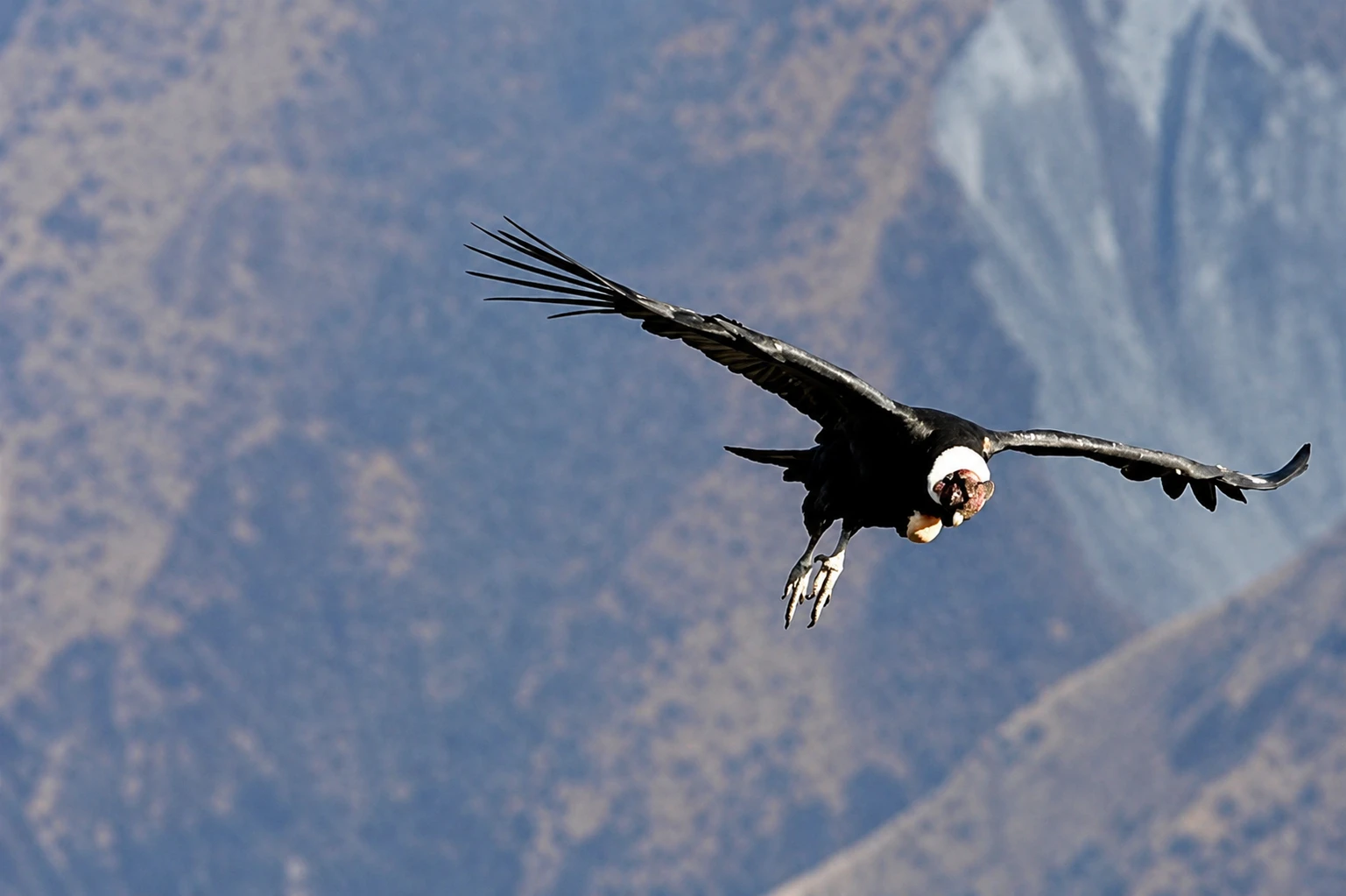
Andean condor route and trip organization
The Andean condor route to Chonta requires considering several logistical aspects. The distance from Cusco makes it advisable to organize the departure well in advance. According to available tourist information, the vehicular journey can last approximately two and a half hours. Then a pedestrian route of about 3.2 kilometers begins. This section can take around an hour depending on the visitor’s condition. Therefore, a round-trip excursion takes up a significant part of the day.
It is also necessary to consider breaks, food, and observation time. Independent travelers should check updated access conditions beforehand. Additionally, they must verify the current system for entering the viewpoint. Travelers hiring tourist services can request detailed information before booking. It is advisable to confirm the exact departure point from the city of Cusco. They should also check the type of transport used during the journey. Proper planning avoids delays and reduces difficulties during the hike. Furthermore, it helps to enjoy the experience without rushing the time allocated for sightings.
Tips for responsible condor sighting
The tips for sighting condors should focus mainly on safety and conservation. The first aspect consists of respecting the areas established for observation. It is also important to follow the instructions of the guides and local officials. Visitors should avoid approaching places used by the birds. Additionally, they should not try to enter restricted or difficult-to-access areas. The use of binoculars allows for better observation without reducing the safety distance.
For photography, a camera with a telephoto lens can offer better results. It is also advisable to keep the voice volume low during observation periods. Waste must return with the visitor and never be left in the environment. Food should not be thrown to attract birds or other animals. The condor fulfills an important ecological function as a scavenger species. Its conservation also depends on the protection of its natural habitats. SERFOR warns that poisoning constitutes a threat to this species. Therefore, any tourist activity must avoid practices that alter its behavior. The best experience consists of observing without intervening and leaving the place without impact.
Recommended equipment for the excursion
Preparing your luggage can considerably improve a day of wildlife sighting. For the hike to Chonta, it is advisable to wear shoes with good grip. It is also recommended to bring a jacket that can protect against wind or rain. High-altitude conditions can change quickly during the journey. Therefore, using several layers makes it easier to adapt clothing according to the moment. Sunscreen is important due to exposure in open spaces. It is also advisable to wear a hat or cap during sunny stretches.
Water should be part of your luggage from the start of the hike. For birdwatching, binoculars are one of the most useful items. A camera with a zoom lens can complement the photographic experience without getting close to the animals. It can also be useful to bring extra batteries or a portable power bank. The mobile phone can be used for communication and navigation during the trip. However, it should not completely replace the tools necessary for a hike. Additionally, it is convenient to carry only what is necessary to avoid carrying too much weight. A light backpack allows for walking more comfortably during the pedestrian section.
Where to watch birds in Cusco besides the condor
People interested in where to watch birds in Cusco can expand their experience. The region has different natural environments with appropriate characteristics for observation. However, the presence of a certain species depends on its natural distribution. The condor requires large spaces to move and suitable places to rest. Other birds can be found in wetlands, forests, ravines, and agricultural areas. Therefore, a specialized route can incorporate different ecosystems during the journey. This alternative is especially interesting for travelers who enjoy nature photography.
It also allows for a better understanding of the biological diversity existing around the city. In the case of Chonta, the main attraction remains the flight of the condor. The observation of other species can complement the visit, although it should not be guaranteed. Additionally, the traveler can consult with specialized guides about the species present. These professionals can recognize birds through characteristics of size, shape, and behavior. A responsible observation excursion must always prioritize the well-being of the fauna. Consequently, the number of species observed should not be the only criterion. The quality of the experience also depends on respect for the natural environment.
Natural attractions near Cusco to complement the visit
The natural attractions near Cusco allow for combining different experiences during a trip. The visit to Chonta can be integrated into a broader plan for the province of Anta. However, it is important to avoid overly crowded itineraries during a single day. The journey to the viewpoint already requires several hours between transport and hiking. Therefore, it is advisable to select nearby activities or reserve independent days. The Limatambo area is also part of tourist circuits linked to Andean landscapes.
The traveler can check the available options before defining their final itinerary. It is also possible to organize a specific outing dedicated exclusively to sighting. This alternative allows for more time to observe the birds. Additionally, it reduces the pressure to meet several tourist schedules during the same day. Interest in nature can be complemented with cultural activities in the province. However, each activity must be reviewed according to schedules, access, and current availability. Conditions can change due to weather, maintenance, or decisions by local authorities. Therefore, verifying information before traveling remains a necessary measure.
Conservation of the Andean condor and responsible tourism
Tourist interest in Where to see condors in Cusco must be accompanied by environmental responsibility. The Andean condor is categorized as Endangered within Peruvian legislation. Furthermore, its conservation is a priority for national environmental institutions. The national census provided information on the minimum population recorded in Peru. The results serve to improve actions aimed at protecting the species and its habitats.
SERFOR and SERNANP have developed joint efforts to strengthen this management. The condor fulfills an important ecological function within the ecosystems where it is found. As a scavenger species, it consumes dead animals and contributes to the natural functioning of the environment. Consequently, its protection should not be limited to tourist sites. It also requires conserving the spaces where it feeds, rests, and reproduces. Visitors can contribute by avoiding feeding, chasing, or disturbing the birds. They must also respect the restrictions established in each area. In this way, tourism can generate interest in conservation without altering natural behavior.
Final recommendations for planning the visit
For those still looking for Where to see condors in Cusco, Chonta represents the most directly associated tourist alternative. Its recognition as a natural viewpoint facilitates the planning of an excursion. Additionally, there is recent tourist information about its distance and pedestrian route. However, sighting continues to depend on natural factors. Therefore, no traveler should consider the presence of condors guaranteed. The best strategy is to organize the visit with enough time. It is also advisable to check the weather and confirm current access conditions.
If you hire a service, ask about transport and the entry ticket. Also, confirm the approximate duration of the hike and the conditions of the route. Bringing water, sun protection, and suitable clothing can considerably improve the experience. Binoculars are also useful for observing birds without getting too close. Finally, remember that the goal is to contemplate wildlife in the wild. Respecting the natural space directly contributes to conserving this attraction for future travelers. Thus, condor sighting in Cusco can become a responsible activity.
Frequently asked questions
1. Is condor sighting guaranteed during a visit to Chonta?
No, wildlife observation can never be completely guaranteed. The condor makes daily movements and can travel long distances. Additionally, atmospheric conditions can modify its activity during a day. SERFOR has documented the presence of adults and young specimens in Chonta. However, those records do not mean that all visits have the same result. Therefore, responsible operators should avoid promising a specific number of birds. The experience should be approached as an opportunity for observation in a natural environment. Bringing binoculars can improve the chances of identifying individuals from a distance. It is also advisable to set aside enough time to stay at the viewpoint. Patience is especially important when it comes to free-roaming wildlife. In this way, the traveler enjoys a realistic experience that respects the natural behavior of the condor.
2. Is it necessary to hire a tour to visit the Chonta Condor Viewpoint?
Not necessarily, although the decision depends on the traveler’s experience. An organized excursion can facilitate transport and schedule coordination. It can also include accompaniment during the pedestrian stretch to the viewpoint. Independent travelers must carry out more careful planning. In particular, they need to confirm access, the ticket, and route conditions beforehand. Additionally, they must correctly calculate travel times from Cusco. The distance and the hike make it convenient to organize the departure in advance. For those visiting Cusco for the first time, a tourist service can simplify logistics. However, it is advisable to compare what each operator includes beforehand. It is also recommended to confirm cancellation conditions and included services. The choice will depend on the budget, experience, and level of autonomy of each visitor.
3. What level of physical preparation is needed to reach the viewpoint?
The visit requires a walk of approximately 3.2 kilometers after transport. PROMPERÚ estimates that this stretch can take about an hour. The actual difficulty will depend on the pace, physical condition, and terrain conditions. Additionally, the altitude can increase the sensation of effort during the journey. Therefore, it is recommended to walk slowly and take breaks when necessary. Travelers should wear suitable footwear and carry enough water. It is also advisable to avoid carrying excessively heavy backpacks during the hike. Those who are not used to hiking at high altitudes should organize the route with a larger margin. If there is any physical limitation, it is advisable to consult the current characteristics of the access beforehand. Additionally, a local operator can explain the conditions of the stretch before departure. Proper preparation reduces difficulties and allows for better enjoyment of the environment.
4. Can photographs of the condors be taken during the visit?
Yes, photography is part of the activities that can be carried out during an observation visit. However, the distance from the birds must be maintained at all times. A camera with a zoom lens is more appropriate than trying to approach physically. Binoculars also allow for better enjoyment of the specimens’ behavior. Additionally, it is advisable to avoid sudden movements when the birds approach the viewpoint. Visitors should also not use food or sounds to attract them. These actions can alter the natural behavior of the fauna. Responsible photography consists of taking advantage of existing conditions without intervening. It is also important to respect the areas established for visitors. If there are specific instructions from local officials, they must be followed throughout the activity. In this way, you can obtain photographic records without generating unnecessary disturbance. The priority must always be to conserve the environment and respect the animals.
5. What other places in Cusco have records of condor presence?
In addition to Chonta, SERFOR identified other points during the first national census. Among them were Omacha, Phinaya, Vilcabamba, Abra Málaga, and Choquequirao. Sectors linked to natural areas and canyons were also recognized. However, these records do not mean that all of them function as regular tourist attractions. Some places were evaluated mainly to understand the distribution of the species. Therefore, it would not be correct to present all of them as equivalent alternatives to Chonta. Travelers interested in visiting other points should first check their accessibility. They should also confirm if there is tourist infrastructure and authorization for entry. This information can change according to local conditions and conservation measures. For a conventional tourist experience, Chonta maintains a clearer reference. The other points may be of greater interest to specialized observers or researchers.
Get to know our travel packages in Peru and let us organize the perfect adventure for you. Quote your trip to Cusco today!