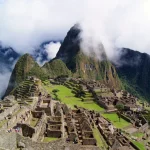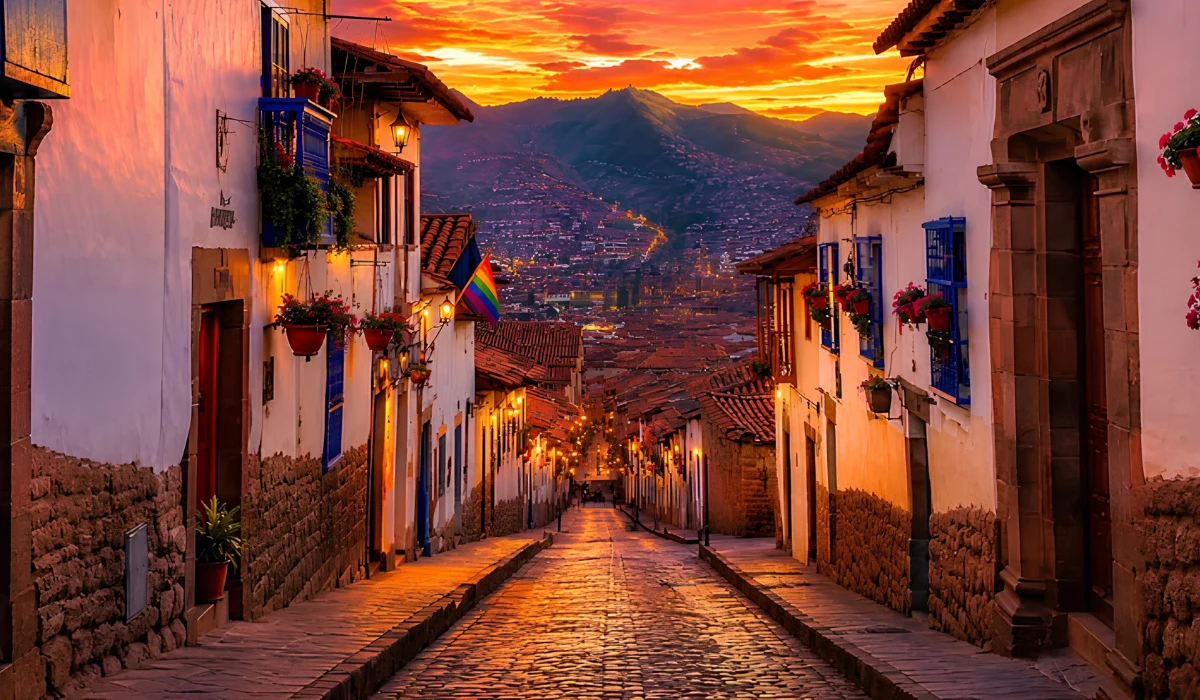
Cusco is a city where history, culture, and Andean traditions come together. That is why many people ask: why is Cusco called the Navel of the World?
This expression comes from Cusco’s importance to the Incas. The city served as the political, religious, and cultural center of the Inca Empire.
Cusco also connected different territories through an extensive network of roads. With Trails to Machu Picchu, you can explore these historic places and discover their stories while experiencing the connection between the past and the present.
What Does “Navel of the World” Mean?
The name Cusco relates to the idea of a “navel” or “center.” For the Incas, the city represented the center of their world.
Cusco also served as the political, religious, and cultural heart of the Inca Empire. From the city, an extensive network of roads connected the different territories of the Tahuantinsuyo.
The Incas divided the Tahuantinsuyo into four regions: Chinchaysuyo, Collasuyo, Antisuyo, and Contisuyo. Cusco connected these territories and served as the central point of the empire.
To understand why Cusco is called the Navel of the World, you also need to understand the Inca worldview. The Incas gave Cusco a deep spiritual meaning and connected the city with their gods and the natural world.
Therefore, Cusco, the Navel of the World, represents much more than a geographical location. It symbolizes the center of a civilization that shaped much of the Andes.
Why Was Cusco Important to the Incas?
Cusco was much more than the capital of the Inca Empire. It also concentrated much of the empire’s political, religious, and cultural power.
The Political Center of the Inca Empire
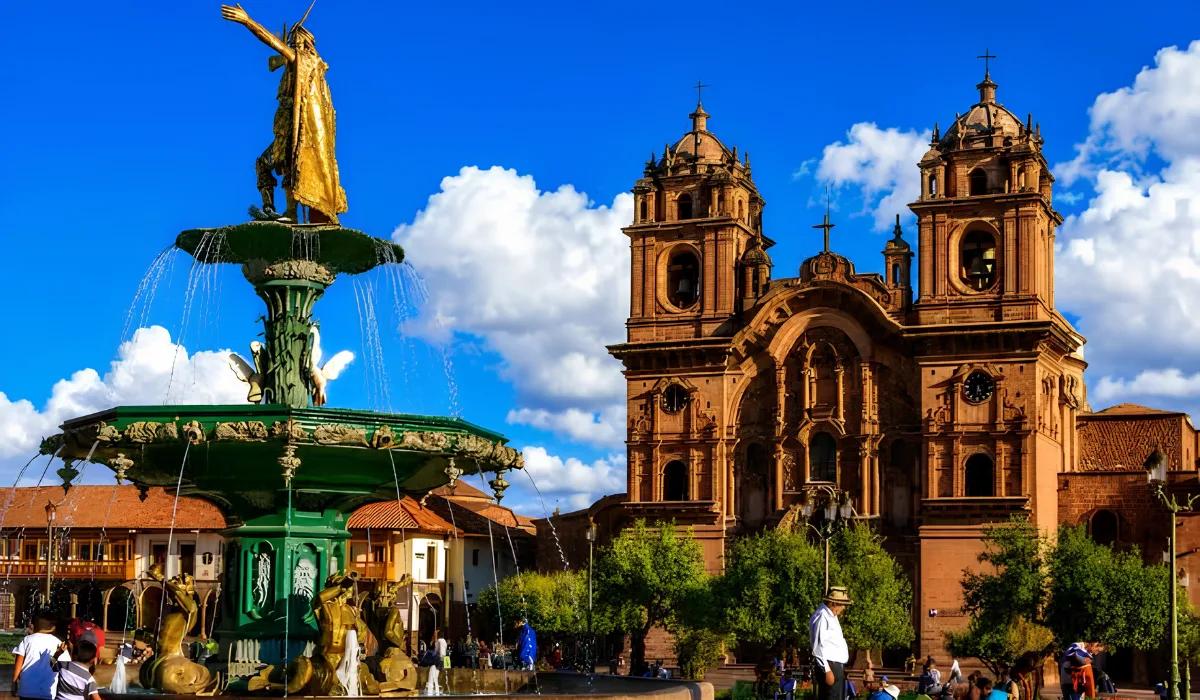
The ancient main square, known as Huacaypata, played an important role in Cusco’s political life. The Incas held major ceremonies and activities there.
Cusco also represented Inca power across the territories that formed the Tahuantinsuyo. The empire eventually stretched from Ecuador to Bolivia and northern Chile.
The Religious and Cultural Center
The city also played a major religious role. Its temples and ceremonial spaces reflected the beliefs and gods of Inca society.
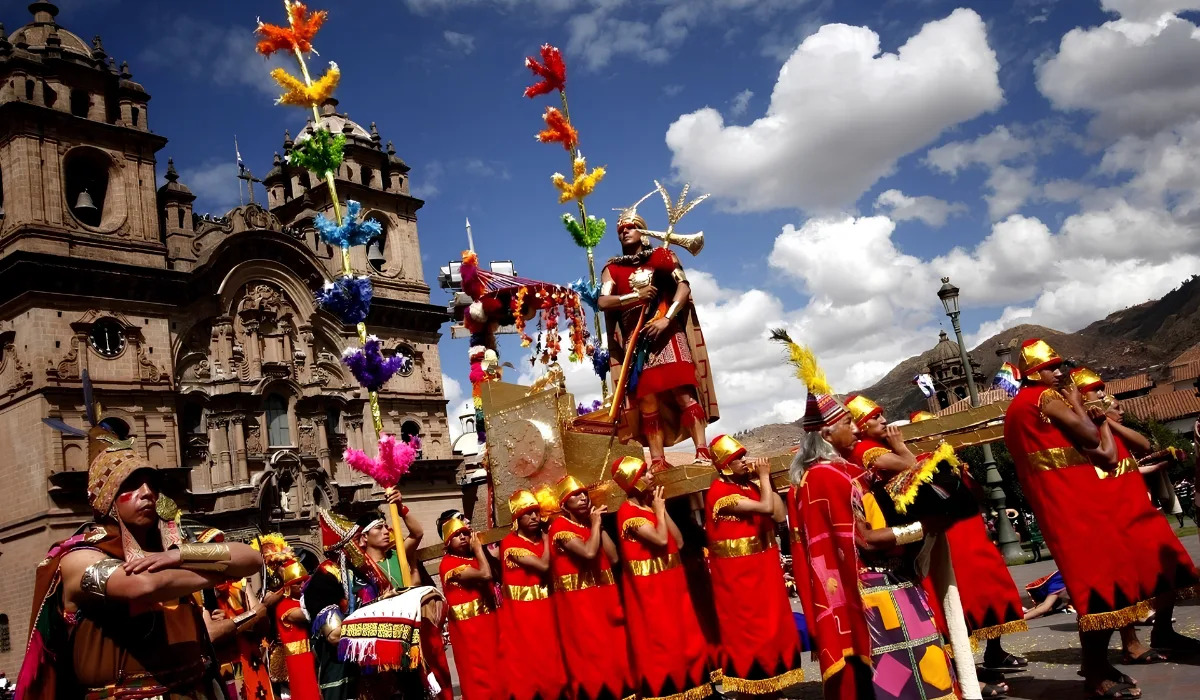
Cusco also hosted important celebrations. One of the most significant was the Inti Raymi, a ceremony dedicated to the Sun God.
The Connection Point of the Tahuantinsuyo
An extensive road network known as the Qhapaq Ñan connected Cusco with different parts of the empire.
This network gave Cusco a strategic role within the Tahuantinsuyo. The roads connected people, goods, knowledge, and traditions across the Andes.
Cusco’s importance went far beyond its role as the imperial capital. Its political power, spiritual significance, and territorial connections explain why Cusco became the heart of the Inca Empire.
Why Is Cusco Famous?
Cusco is famous for its history, cultural richness, and impressive Inca legacy. Its heritage remains one of its greatest attractions today.
- One of its most remarkable features is its Inca heritage. Cusco still preserves buildings that demonstrate the Incas’ advanced knowledge of architecture and engineering. Its archaeological sites also offer visitors a closer look at the history of the Tahuantinsuyo.
- The city also keeps its Andean traditions alive through festivals, cuisine, art, and other cultural expressions. Its architecture combines Inca foundations with colonial influences, creating the unique character that defines Cusco.
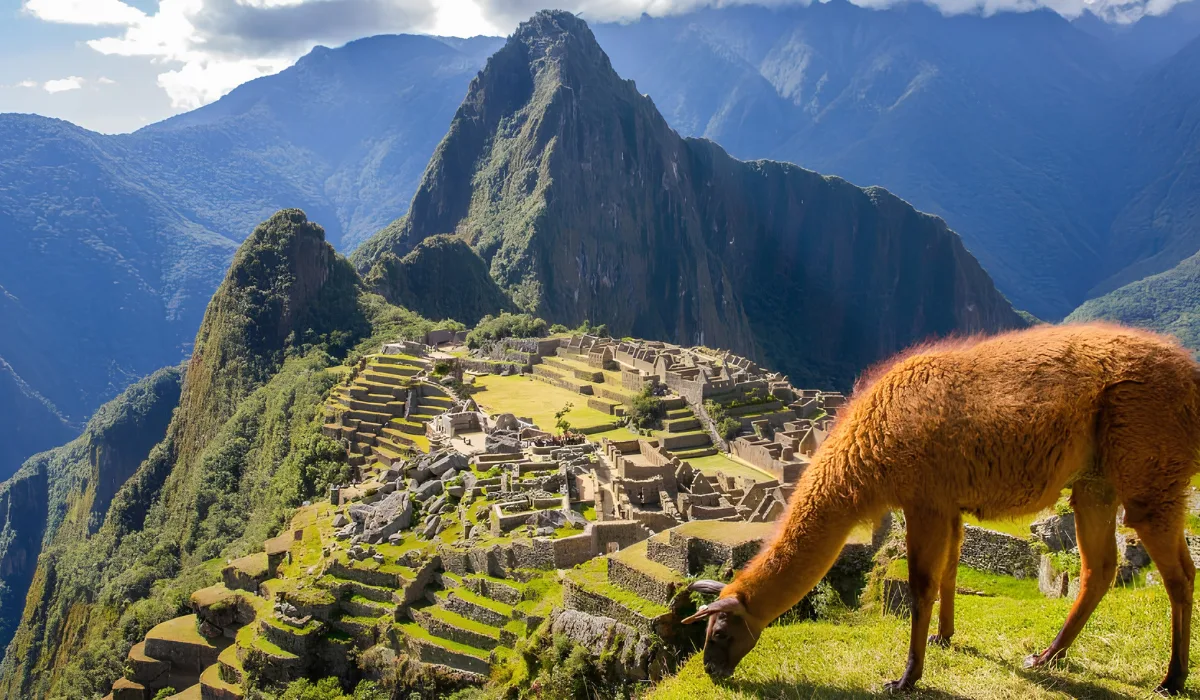
- Its proximity to Machu Picchu has also strengthened its international reputation. As a result, Cusco has become one of Peru’s most important cultural destinations.
Together, these elements explain why Cusco stands as one of Peru’s most important cultural destinations.
Places That Help You Understand Cusco’s History
Exploring Cusco also means getting closer to the history of the Tahuantinsuyo. Its plazas, temples, and archaeological sites reveal the importance the city held for the Incas.
Here are some of the places that best showcase this legacy:
Main Square
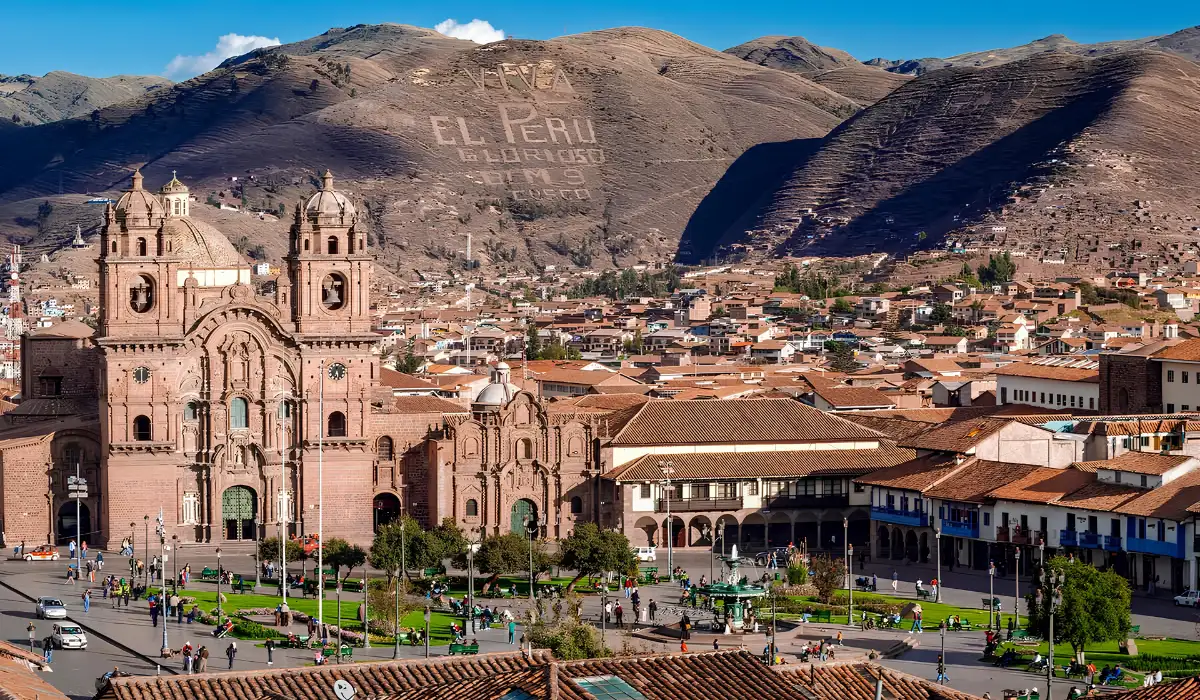
Cusco’s Main Square stands as one of the city’s most important historic spaces. Its surroundings showcase the combination of Inca heritage and colonial architecture that defines Cusco.
Qorikancha
The Qorikancha served as one of the most important temples in Inca Cusco. The Incas dedicated it to the worship of the Sun, making it a key part of the religious life of the Tahuantinsuyo.
Sacsayhuamán
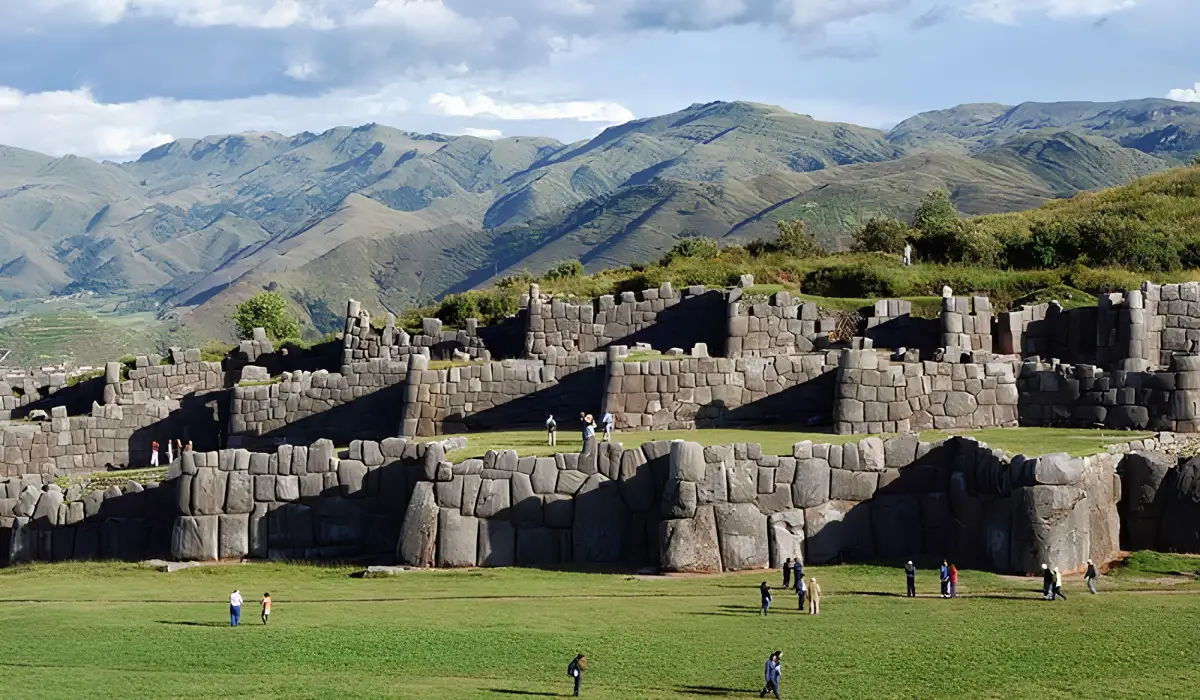
This archaeological complex stands out for its enormous stone walls and remarkable construction techniques. Its elevated location also offers views of Cusco and helps visitors understand the relationship between the ancient Inca city and its surroundings.
Q’enqo, Puka Pukara, and Tambomachay
These archaeological sites form part of the group of historic sites surrounding Cusco. Each one reveals a different aspect of Inca society, from ceremonial spaces to their knowledge of architecture and hydraulic engineering.
Cusco’s Legacy Lives On
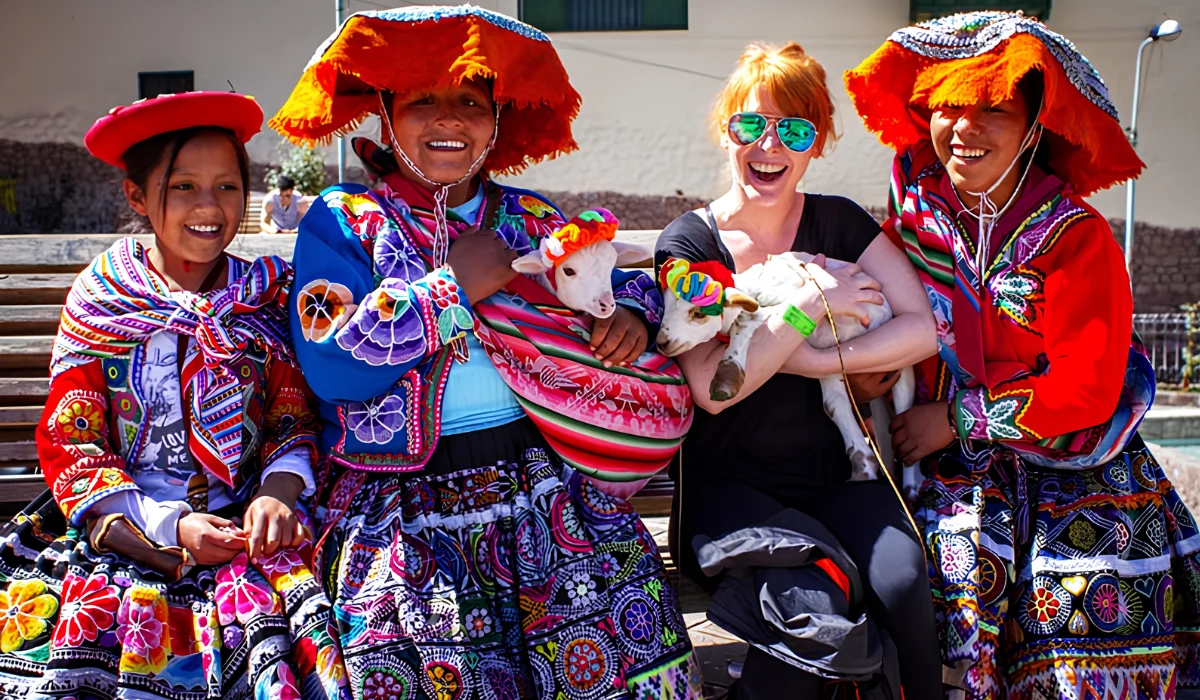
Cusco’s history did not remain in the past. Its legacy continues to shape the daily lives of its people and appears in its festivals, traditions, and Andean cultural expressions.
Its cuisine also preserves traditional ingredients such as corn, potatoes, and chili peppers while incorporating influences from other cultures.
The city’s architecture further reflects the combination of Inca heritage and colonial history. At the same time, Andean communities continue to preserve their customs and ancestral knowledge, including the use of Indigenous languages such as Quechua.
Cusco therefore preserves more than ancient ruins. It maintains a living culture that connects its history with the present and helps explain why the city remains such an important symbol of Andean identity.
Experience Cusco’s History on Your Trip
Discovering Cusco means much more than visiting its main attractions. Every plaza, temple, and archaeological site tells part of the story behind the city’s identity and traditions.
During your trip, you can explore these historic places and discover the Inca legacy with Trails to Machu Picchu. Its experiences allow you to explore Cusco and other iconic destinations throughout the region.
Now that you know why Cusco is called the Navel of the World, are you ready to discover its history for yourself?