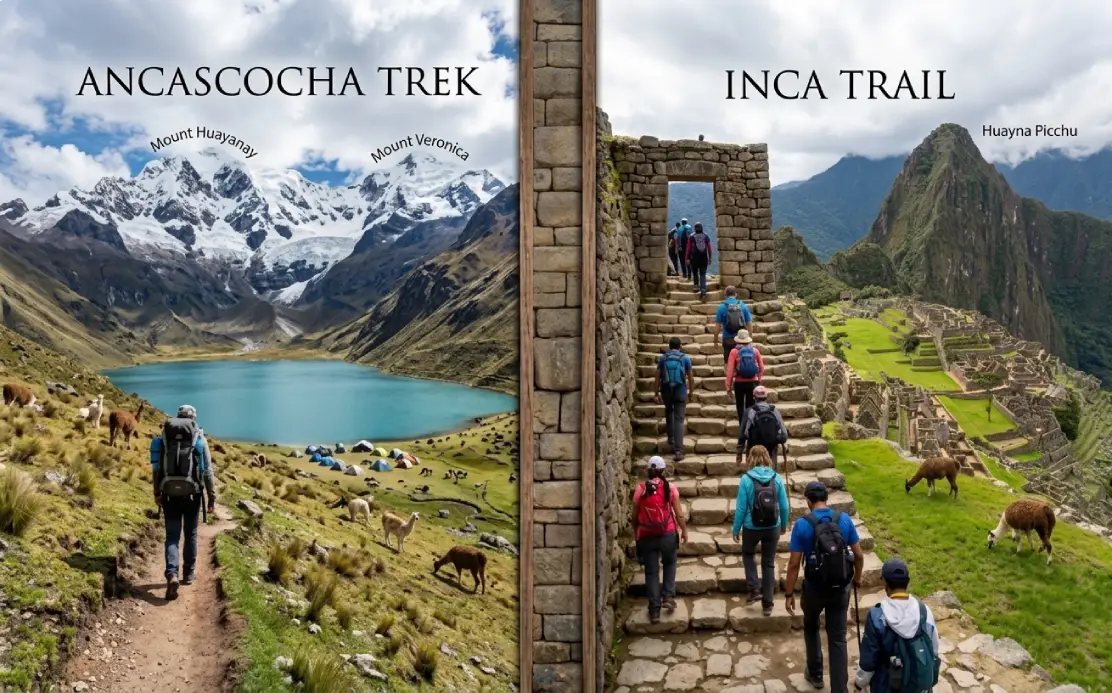
Are you planning an upcoming trip to Cusco looking for an authentic experience in the Andes and are you hesitant between Ancascocha trek vs Inca Trail?
If so, in this article, we analyze every detail so you can decide with total certainty which of these treks best fits your adventurer profile and avoid the crowds. At Trails to Machu Picchu, we know both routes well and understand that the answer depends entirely on what you are looking for: the historical glory of the most famous path in the world or the absolute solitude of the less-traveled trails. While the Inca Trail is an organized cultural procession, the Ancascocha Trek represents the freedom of walking through landscapes where time seems to have stood still.
For us, the main choice lies in your tolerance for contact with other travelers. If you value silence and want to feel that the mountains belong only to you, Ancascocha is usually the winning option. However, the Inca Trail offers an archaeological connection that no other route can match.
- Which is better for avoiding the crowds?
- Distance and duration of the route for Ancascocha trek and Inca Trail
- Physical challenges and maximum altitude of Ancascocha and Inca Trail
- Contact with archaeological sites and historical importance
- Biodiversity and landscapes during the journey
- Need to book tickets in advance
- Type of experience according to the type of traveler
- Campsites and services on the route
- Final recommendations for your decision
Which is better for avoiding the crowds?
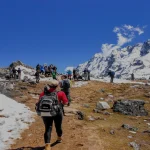
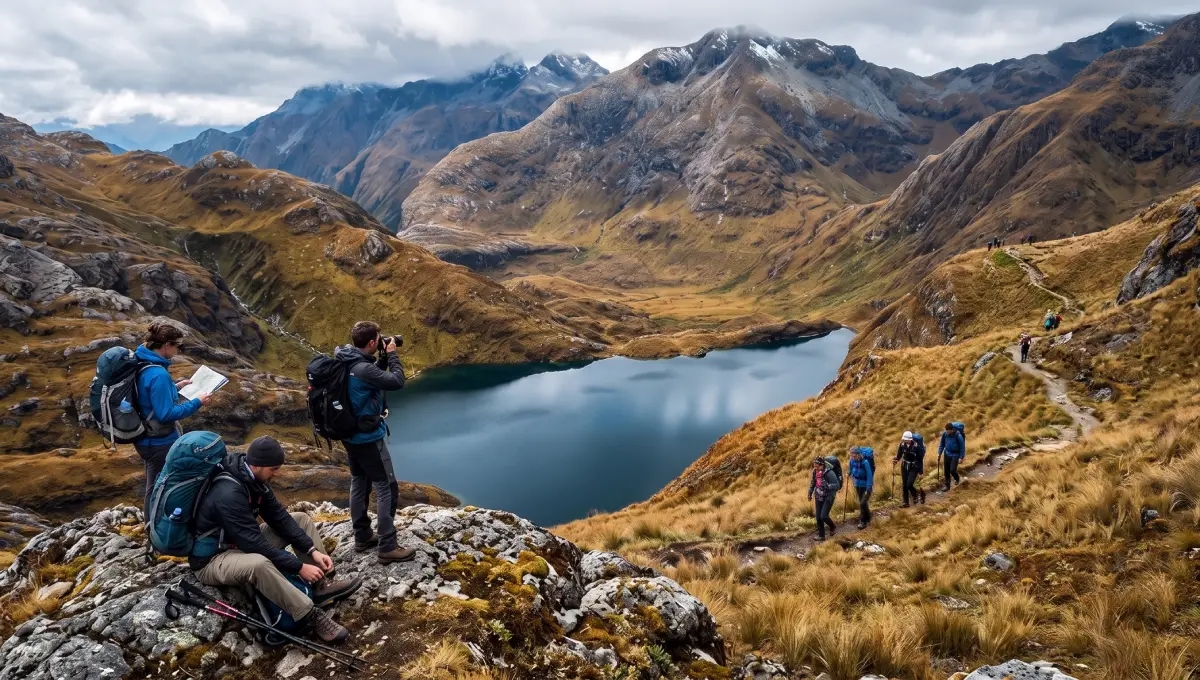
The difference in the flow of people between Ancascocha Trek vs Inca Trail is considerable. In particular, the classic Inca Trail has a strictly regulated limit of 500 people per day. This limit includes guides, cooks, and porters. Although this control prevents overcrowding, you will notice other groups along the way. Additionally, you will find travelers at the campsites and most popular rest points.
In contrast, the Ancascocha Trek does not have such a restrictive permit system. For this reason, this route receives few travelers each year. In fact, National Geographic magazine recently included it among the 20 best hikes in the world. It also highlighted its “off the radar” nature.
During our experience guiding in the Ancascocha area, we have noticed a particular characteristic. You can go for entire days without crossing paths with other tourists. Consequently, this allows for a much deeper connection with the natural environment. Furthermore, a study on tourism carrying capacity analyzed different high-Andean routes. This study was published by the National University of Saint Anthony the Abbot in Cusco (UNSAAC). According to its results, saturation affects the visitor’s experience and soil conservation.
Therefore, if you prioritize sustainability and exclusivity, Ancascocha can offer you greater peace of mind. Also, this lower influx allows for a reduced impact on the environment.
Distance and duration of the route for Ancascocha trek and Inca Trail
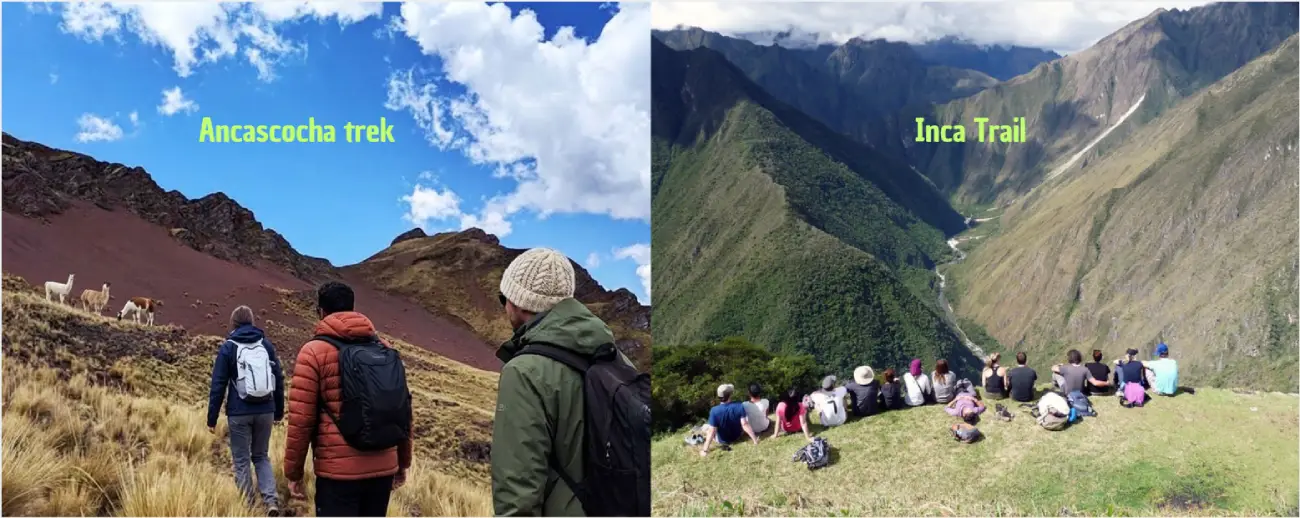
When comparing both Ancascocha trek vs Inca Trail routes, you will see that the technical demand and logistics vary considerably. We usually classify these routes based on the average pace of our hikers.
Logistics and route of the Classic Inca Trail
The traditional Inca Trail has a length of approximately 42 kilometers. Usually, you will complete this journey in four days and three nights. Furthermore, much of the path is made up of original stone steps. Because of this, the route can be exhausting for your knees. Finally, you will arrive at Machu Picchu on the fourth day. To do so, you will enter through Inti Punku or the Sun Gate. This entrance is exclusive to those who hike this route.

The extension of the Ancascocha Trek
For its part, the Ancascocha Trek usually covers a longer distance, of approximately 56 kilometers. Additionally, this distance is distributed over five days of hiking, although there are four-day versions. Also, this route offers greater flexibility in its itinerary. Unlike the classic trail, the final stretch of Ancascocha does not take you directly on foot to the Inca citadel. Therefore, we will take you by train from Ollantaytambo to Aguas Calientes. Afterward, you will be able to go up to this wonder of the world.
Finally, this difference between Ancascocha Trek and Inca Trail, along with their arrival at Machu Picchu, is decisive. For this reason, you should consider it when choosing your adventure.
Physical challenges and maximum altitude of Ancascocha and Inca Trail
Altitude is one of the factors that most influences your physical performance during your tours through Cusco. You must consider that both routes exceed 4,000 meters above sea level. However, one of them reaches a significantly higher altitude.
- Inca Trail: The highest point corresponds to the Warmiwañusca pass, located at 4,215 meters. There you will notice that oxygen is scarce. However, the ascent is constant and well-marked.
- Ancascocha Trek: On this route, the challenge increases due to the higher altitude. Also, you will cross the Huayanay pass, which reaches 4,650 meters. Therefore, the difference exceeds 400 meters and increases the cardiovascular effort.
To mitigate the effects of altitude sickness, we suggest you follow the recommendations of specialists in high-altitude medicine. Likewise, a study published in the Journal of Wilderness and Environmental Medicine suggests gradual acclimatization. According to this study, staying between 48 and 72 hours in Cusco significantly reduces the risk of acute symptoms.
That is why we will always recommend that you spend a few days beforehand exploring the Sacred Valley. In this way, your body will be able to better adapt before starting the ascent.
Contact with archaeological sites and historical importance
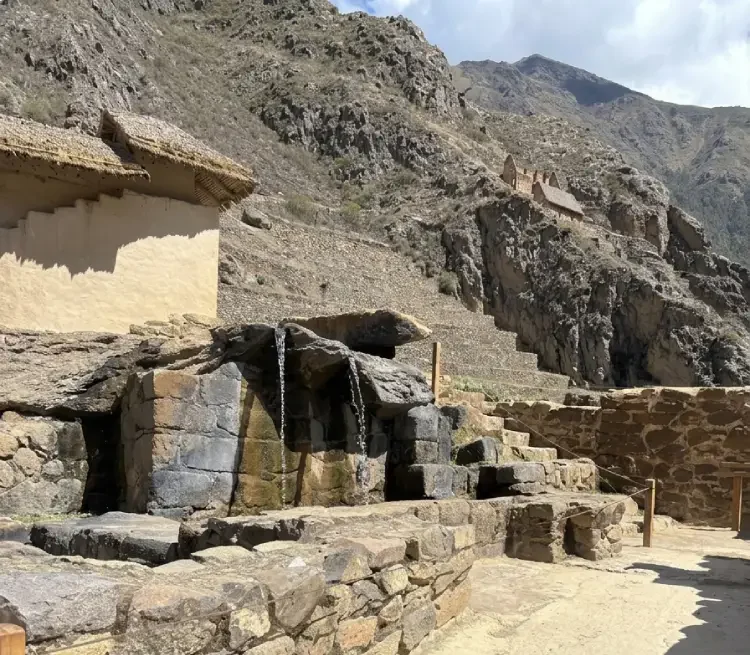
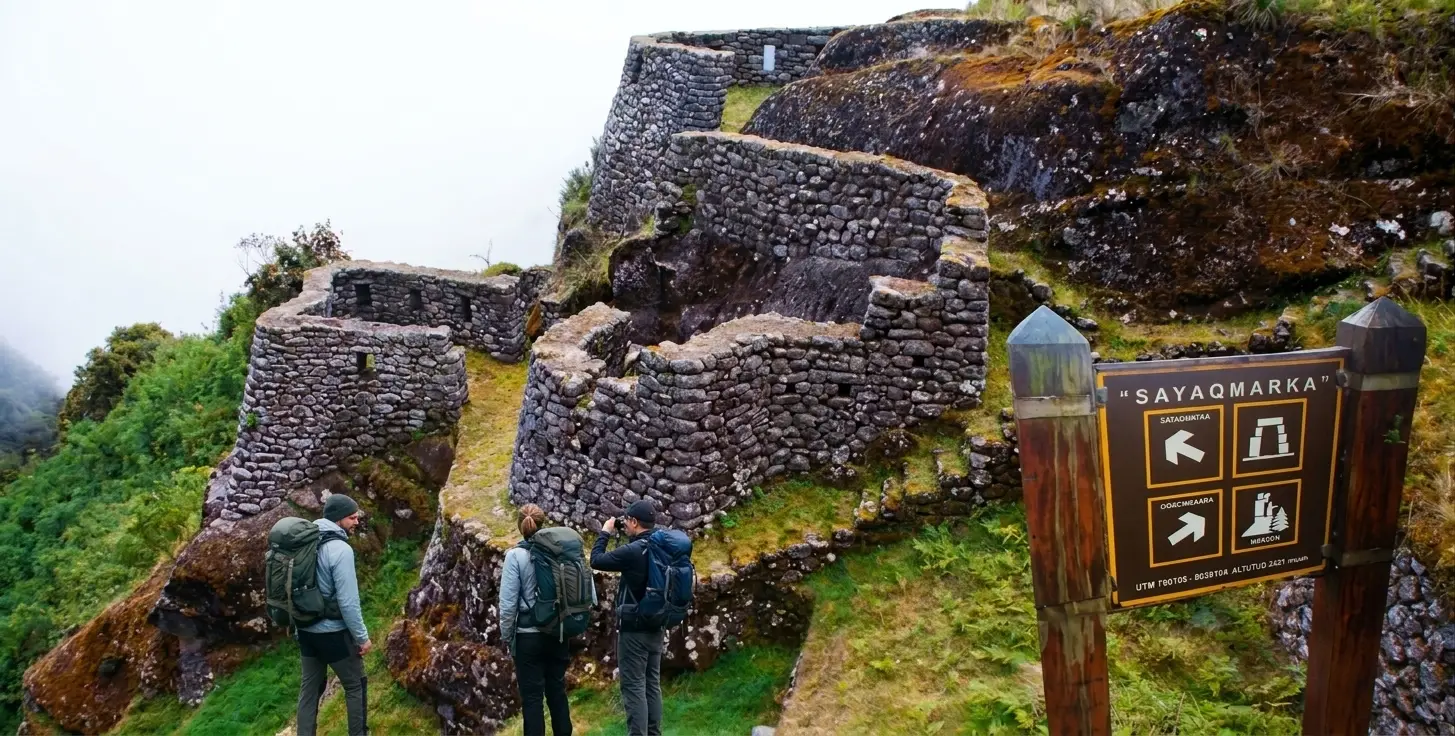
If your main interest is archaeology, the Inca Trail offers an experience especially focused on this aspect. Additionally, during the route you will visit complexes such as Llactapata, Runkurakay, Sayacmarca, and Wiñay Wayna. Also, each site served functions such as a tambo or administrative center within the Qhapaq Ñan network. Therefore, walking along the same stones used by the Incas can become a spiritual experience.
On the other hand, the Ancascocha Trek offers a different proposal, although it presents a lower density of archaeological monuments. However, during the journey you will cross sections of the royal road that connected Cusco with the high jungle. Additionally, we will show you small, lesser-known archaeological remains and Inca walls that preserve their original structure.
In this way, the historical importance of the Ancascocha Trek lies in understanding how the Incas dominated rugged terrain. Thus, you will be able to learn how they used these spaces to facilitate communication between high-Andean communities.
Biodiversity and landscapes during the journey
Natural wealth is a strong point in both options, but the ecosystems you will observe have fascinating variations.
Views of the Salkantay snow-capped mountain from Ancascocha
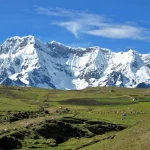
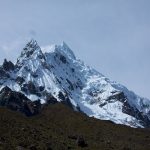
One of the main visual attractions you will enjoy on Ancascocha are the views of the Salkantay snow-capped mountain. Furthermore, this sacred mountain or Apu will dominate the horizon during much of your ascent.
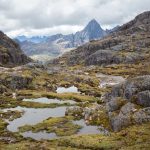
Also, you will walk next to crystal-clear turquoise lagoons and cross Polylepis forests, known locally as Queñuales. These trees are fundamental to the Andean ecosystem, as they capture water from the clouds and feed the springs in the area.

The change of ecological zones on the Inca Trail
On the Inca Trail, you will notice a drastic change in landscape during the journey. Furthermore, you will go from the aridity of the high mountains to the lushness of the cloud forest or ceja de selva.
According to reports from SERNANP (National Service of Protected Natural Areas by the State), the Machu Picchu Historical Sanctuary is home to more than 400 species of orchids. You will also find a great variety of birds, such as the Andean cock-of-the-rock.
On the other hand, the photographic experience of Ancascocha trek and Inca Trail is exceptional in both cases. However, on Ancascocha you will have more freedom to take photos without other tourists in the background.
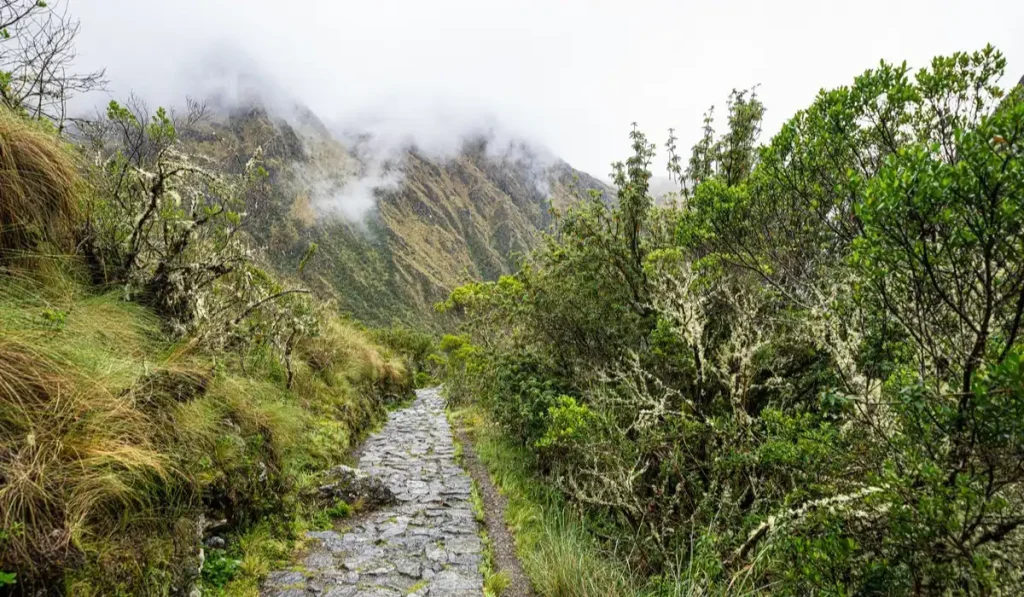
Need to book tickets in advance
This is perhaps the most important logistical aspect that you must consider. Also, the availability of dates for Ancascocha Trek and Inca Trail works in opposite ways. If you want to do the Inca Trail, you need to book at least six months in advance. This is especially important if you plan to travel between May and August. Permits sell out quickly and, therefore, you cannot buy them from one day to the next.
In contrast, the recommended time to book the Ancascocha Trek is much more flexible. Therefore, we suggest you notify us a few weeks or a month in advance. This way, we can organize all the necessary equipment for your trip.
Furthermore, Ancascocha Trek does not depend on a daily quota system for the trail itself. However, it does depend on availability to enter Machu Picchu. For this reason, it can be a last-minute alternative when you can no longer find spaces for the classic trail.
Type of experience according to the type of traveler
To help you decide, we have analyzed which type of traveler enjoys each route the most. At Trails to Machu Picchu, we want your satisfaction to be total.
- Choose the Inca Trail if: you are looking for a culturally rich experience and enjoy detailed history. Furthermore, you should not mind sharing the trail with other groups. It is also ideal for families with teenagers and hikers who prefer routes with steps. You will also find well-established campsites.
- Choose the Ancascocha Trek if: you are an experienced hiker or are looking for greater solitude during your journey. This route is perfect for those who value contact with local communities. Also, on the Ancascocha Trek it is common to find local shepherds with their llamas and alpacas. This way, you will have an authentic vision of current Andean rural life.
Regarding the budget, we usually receive questions about which route is more economical. Generally, the Ancascocha Trek can have a similar or slightly higher cost. This is due to private transport logistics and the use of horses for the equipment. However, the value you get in terms of exclusivity compensates for any difference. Regarding the Inca Trail, the cost of government permits is high and that influences the final price of the tour.
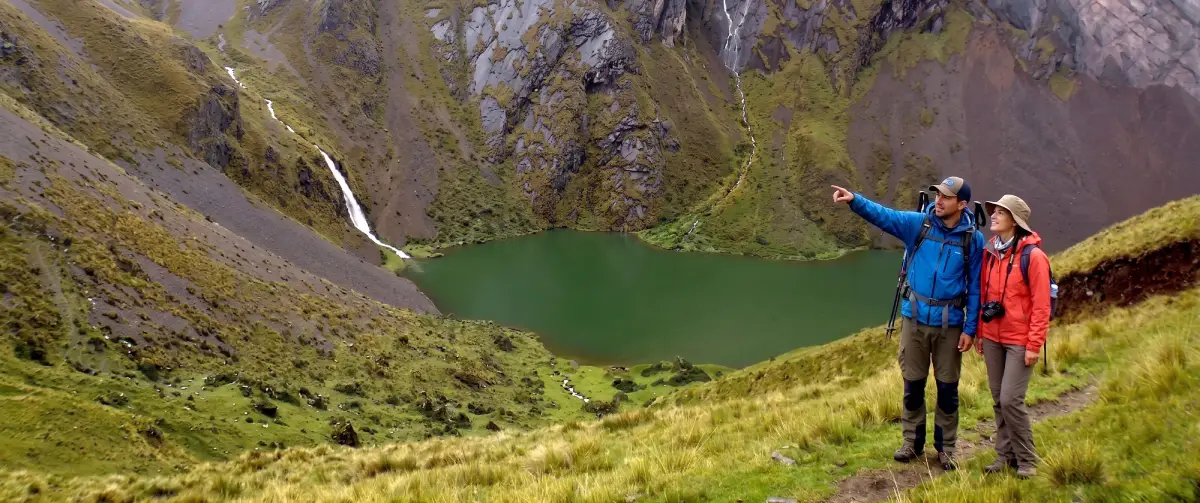
Campsites and services on the route
Comfort during the nights is essential for you to recover your energy after each day of hiking. On the Inca Trail, the Ministry of Culture establishes the authorized campsites for each group. Therefore, you will have basic facilities and services that may vary depending on the agency contracted. Additionally, we seek to offer you spacious tents and nutritious menus to help you rest better.
On the other hand, on the Ancascocha Trek we have more flexibility to select the campsites. This allows us to look for quiet spaces, surrounded by nature and far from populated areas. We can also choose places with attractive landscapes to enjoy the environment during your rest.
Regarding luggage transport, there are also important differences between both routes. On Ancascocha, we use mules or horses to transport part of the equipment needed during the trip. This way, you can hike carrying only your personal items and essential elements.
In contrast, the Inca Trail has specific regulations to protect the trail and control tourist impact. Therefore, luggage transport is carried out by authorized porters, according to the conditions established for this route. Thus, both experiences offer different systems for organizing equipment during the trek.
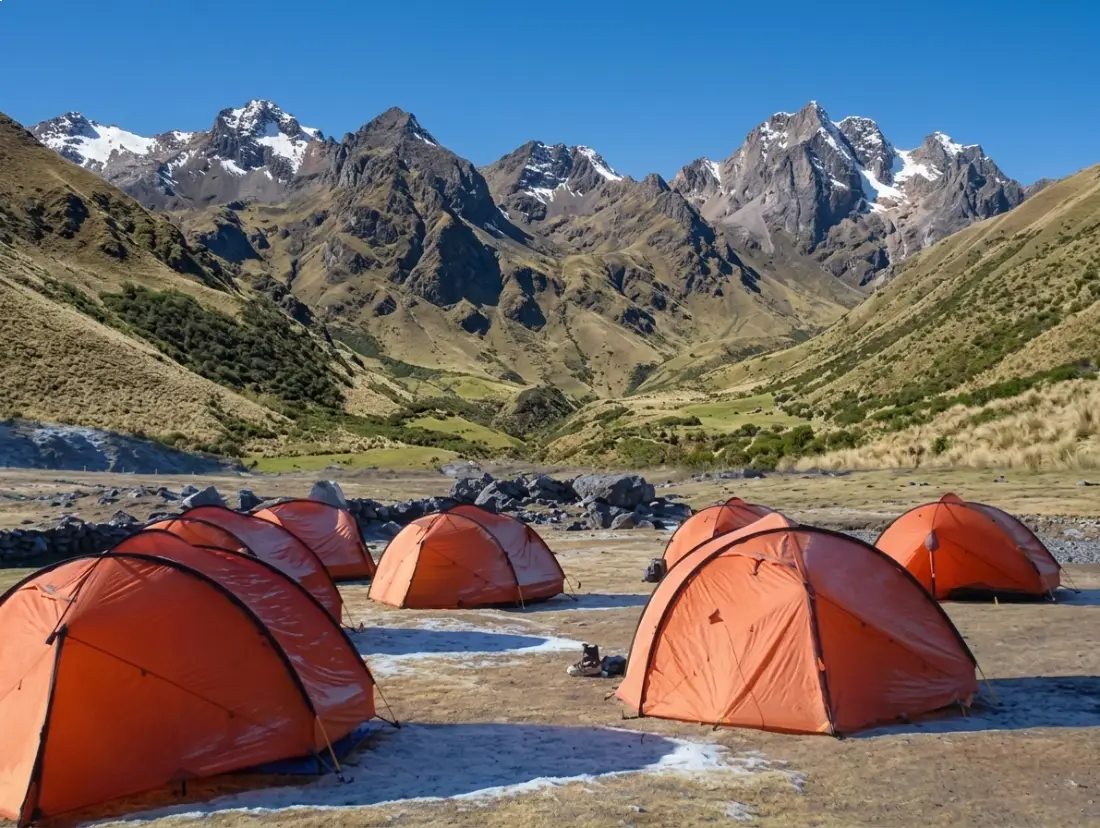
Final recommendations for your decision
Either of the two options will give you memories for a lifetime. However, remember that good preparation will be essential to fully enjoy your experience. Therefore, we suggest you check your luggage carefully before starting the adventure. Additionally, make sure to bring trekking shoes that have already been broken in to avoid blisters during the hike. Also, include technical clothing that facilitates perspiration and allows you to walk comfortably.
If you decide to travel with us, we will take care of all the necessary details during the journey. This way, you will only have to worry about enjoying the landscape and history.
In conclusion, if you are looking to avoid crowds, Ancascocha has a clear advantage over the Inca Trail. However, the Inca Trail continues to stand out for its archaeological wealth. If you still have doubts about which one to choose, we will be happy to talk with you. In this way, we can design the adventure that best suits your expectations. Cusco awaits you with open arms! contact us.