If you are looking for a route that combines physical challenge with the tranquility of less-traveled trails, this Ancascocha Trek Guide is for you. While other paths to the Inca citadel are often full of visitors, this alternative offers you a deep connection with the landscapes of the Andes. At Trails to Machu Picchu, we have prepared this information so you can understand step-by-step what this journey involves.
The Ancascocha Trek is not a conventional route. It is a bridle path that crosses high Andean communities, turquoise lagoons, and mountain passes that will test your endurance. It is considered one of the most demanding routes in the Cusco region; however, the visual reward and the tranquility you will experience will compensate for every step of the ascent.
- Why choose the Ancascocha route?
- Technical details and difficulty of the Ancascocha route
- The importance of prior acclimatization in Cusco
- Ancascocha Trek Itinerary: Day by Day
- Climate and best time to travel
- Equipment list for Ancascocha
- Campsites and services on the route
- How to book the Ancascocha Trek tour?
- Final recommendations for your trip
Why choose the Ancascocha route?
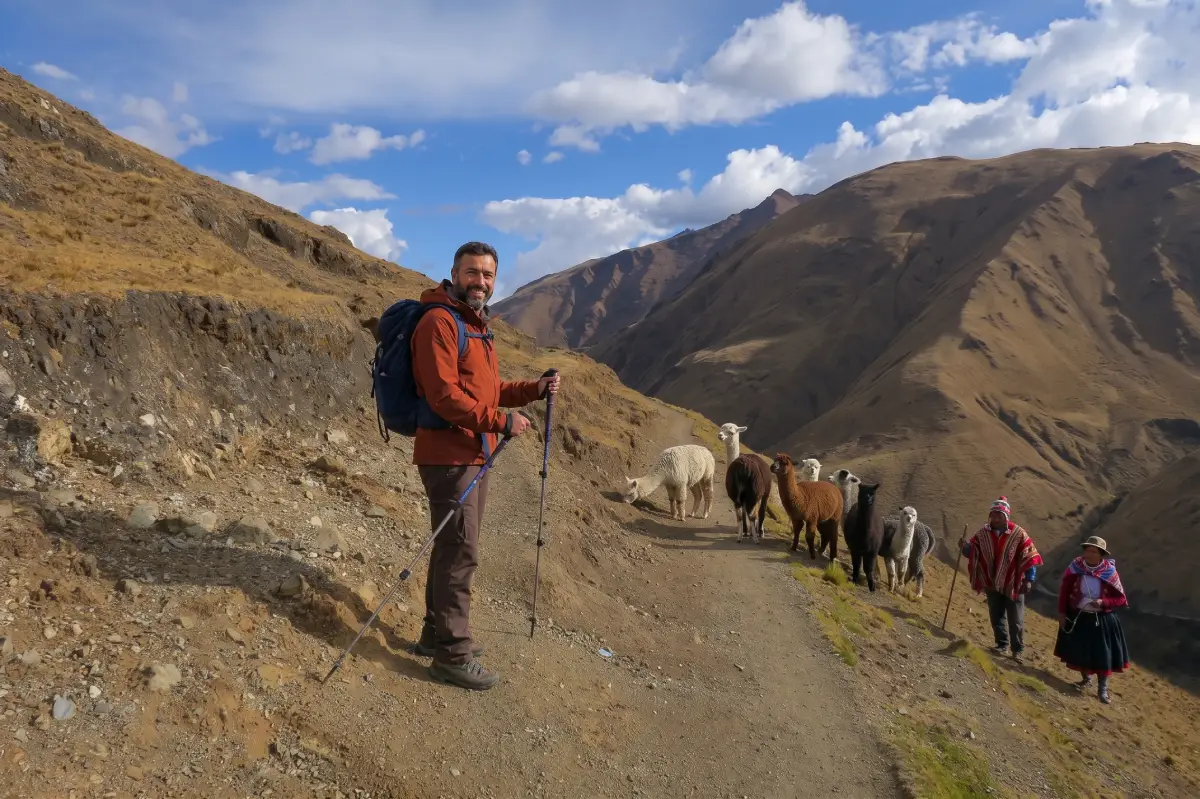
The main reason to choose this journey is exclusivity. Unlike the traditional Inca Trail, here you will not find hundreds of hikers a day. It is very likely that your only trail companions will be local shepherds and their herds of alpacas. Additionally, this low influx allows the landscapes to remain pure and intact.
Furthermore, the Ancascocha Trek was included by National Geographic in its list of the best hikes in the world. This distinction is due to the variety of microclimates and the archaeological richness you will find before reaching the final stretch toward Machu Picchu. In our experience accompanying travelers, we have seen that those who choose this route seek to test their strength and connect with the Peruvian geography.
Technical details and difficulty of the Ancascocha route
Before deciding on this challenge, you must know its demands. The difficulty of the Ancascocha route is classified as high or challenging. Therefore, we do not recommend this hike to people who have never done mountain trekking or who have chronic health problems related to altitude.
Below are the technical details you need to know to decide on this route:
- Total trekking distance: Approximately 56 kilometers.
- Duration: The recommended number of days to complete the Trek is 5 days and 4 nights to maintain a balanced pace.
- Maximum elevation Ancascocha Trek: 4,650 meters above sea level at the Huayanay Pass.
- Starting point: Community of Soqma.
- Ending point: Ollantaytambo (to then take the train to Aguas Calientes).
The slope is steep from the first day. Additionally, the trails are sometimes narrow and stony, while the cardiovascular effort is constant because a large part of the route stays above 4,000 meters. For this reason, at Trails to Machu Picchu, we recommend that you perform prior physical preparation that includes endurance exercises and mountain hikes in your place of origin.
The importance of prior acclimatization in Cusco
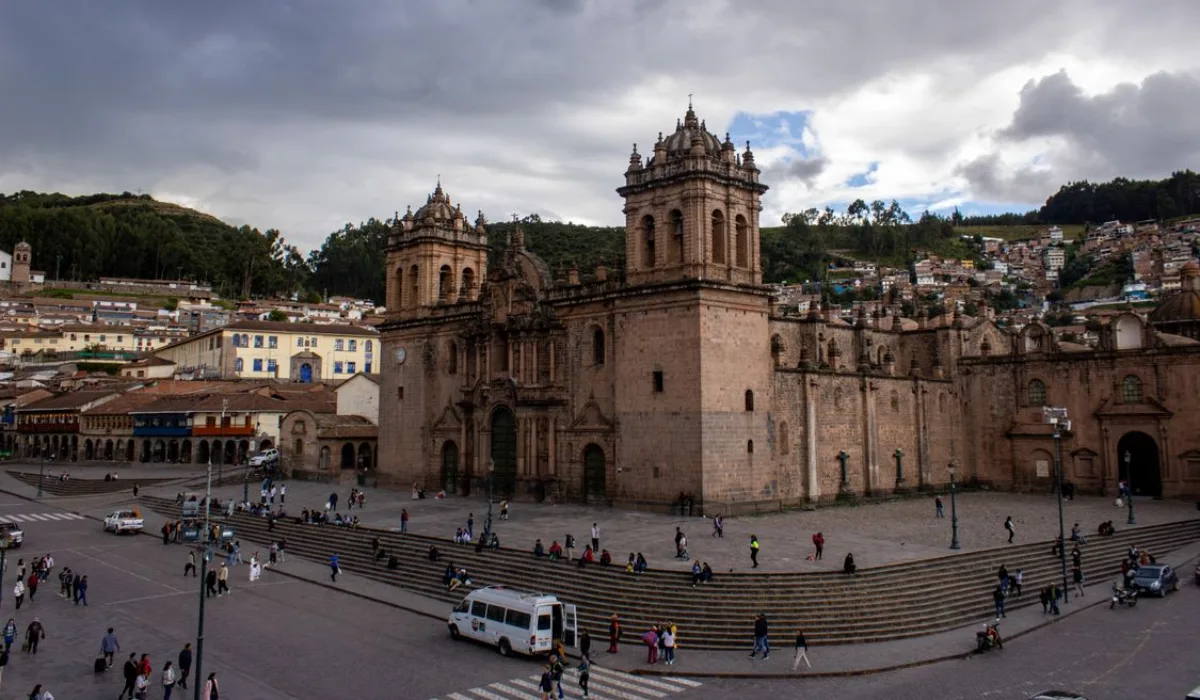
Like any trekking, the success of your hike depends on how your body reacts to the altitude. Therefore, prior acclimatization in Cusco is not optional, but a safety necessity. We recommend arriving in the city of Cusco at least 2 or 3 days before starting the tour.
Normally during these preparation days, travelers are recommended to perform light activities. Therefore, we suggest you take short trips through the Sacred Valley or walk through the historic center. This will help your lungs adapt to the decrease in oxygen typical of the highlands. You should also drink plenty of water and preferably eat light meals. These tips are vital to avoid soroche or altitude sickness.
However, if despite following these recommendations you feel a persistent headache or nausea, inform us immediately. These symptoms may have other causes besides altitude sickness, so we must not ignore them and it is important to evaluate your health status. On our expeditions, we always carry supplemental oxygen and a specialized first aid kit for these conditions. In this way, safety is our priority as we move through the highest passes.
Ancascocha Trek Itinerary: Day by Day
Although the route may vary slightly depending on the group’s pace, the following Ancascocha Trek itinerary is the most common and effective to enjoy the landscape without exhausting yourself prematurely.
Day 1: From Soqma to Rayanniyoc
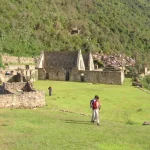
First, we will depart early from Cusco toward Soqma. Then the hike will begin with an ascent toward the archaeological site of Perolniyoc. This place features a high waterfall that is visible from the path. You will visit the ruins and we continue climbing to the first campsite in Rayanniyoc. This day will be an introduction to test your legs.
Day 2: The ascent to Ancascocha Lagoon
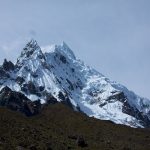
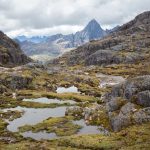
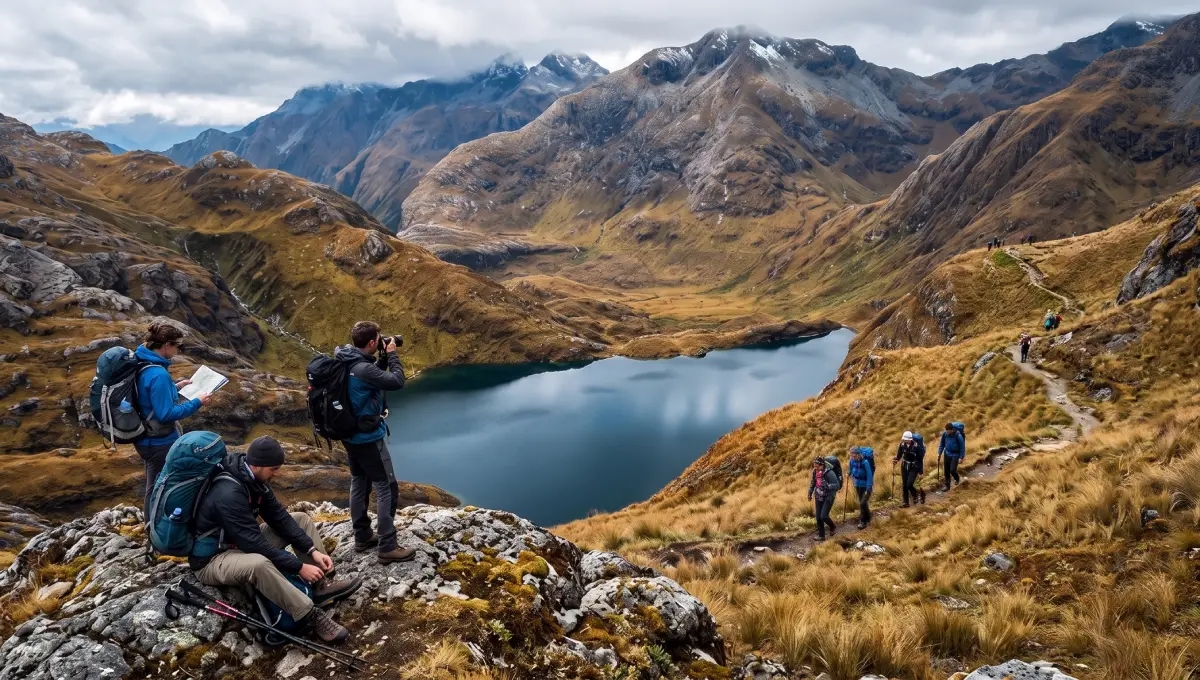
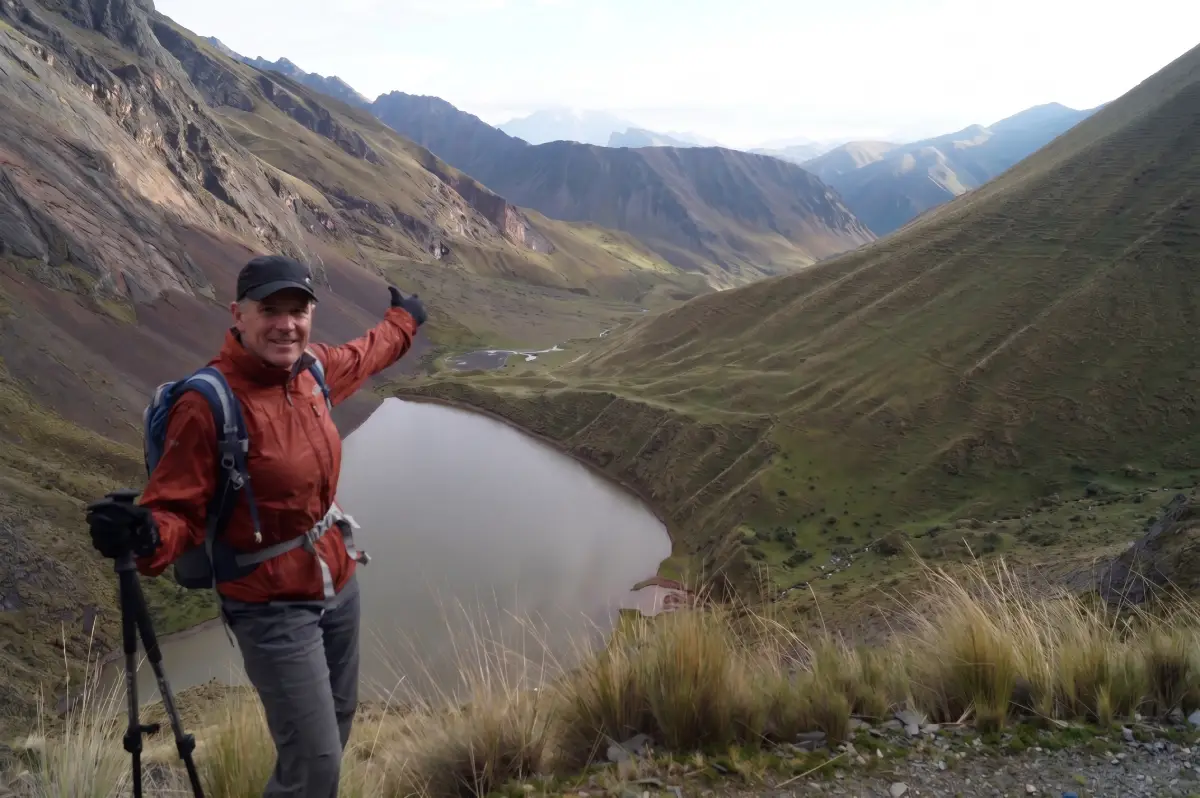
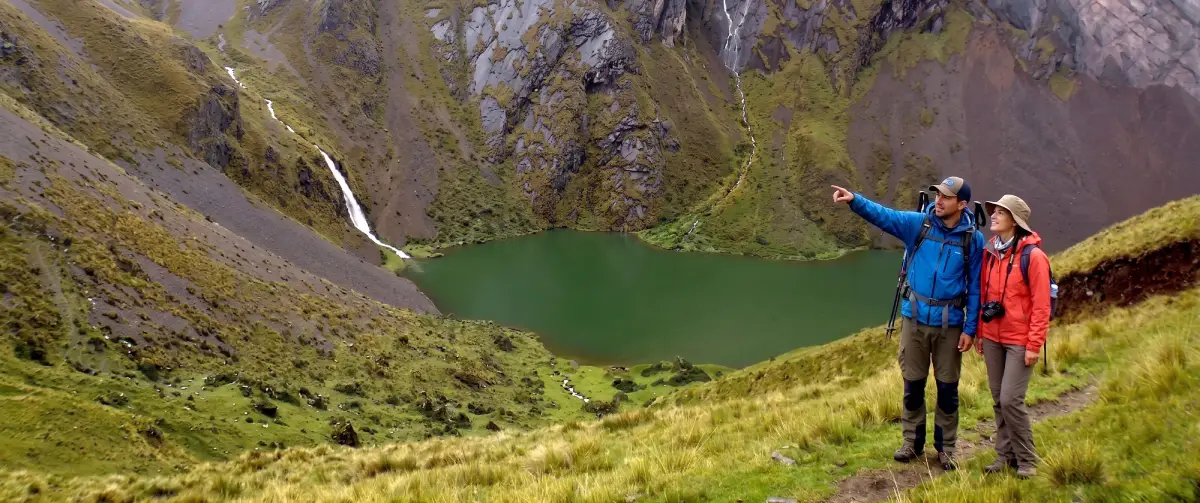
This will be one of the most visual days. We will walk toward the Ancascocha lagoon and landscapes of snow-capped peaks surrounding the turquoise water. You will experience that the ascent is constant and demanding. Then we will camp near the lagoon, which will allow us to observe the sunset over the nearby glaciers. The cold here will be intense, so having your proper trekking equipment will be vital.
Day 3: The Huayanay Pass
Today we will reach the highest point of the trip. The weather at the Huayanay Pass is unpredictable; there may be strong wind or even snow. Therefore, crossing this pass at 4,650 meters will require determination. After reaching the top, the descent trail will be toward the Muyu Muyu valley. In this section, you will see remains of original Inca trails that connected this area with the Sacred Valley.
Day 4: Way to Ollantaytambo
We will descend through a valley that will become greener as we go down. Then, we will pass through small villages where life seems to have stopped. The goal is to reach Ollantaytambo, the living Inca city. From here, we will take the train that will take us to Aguas Calientes, the town at the foot of the wonder.
Day 5: The final stretch toward Machu Picchu
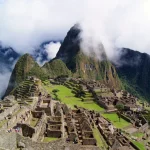
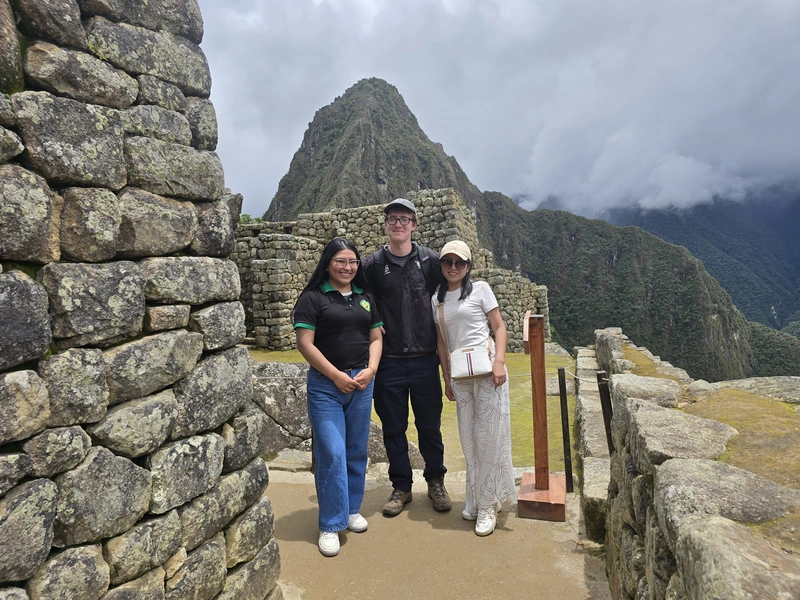
Finally, we will complete the final stretch toward Machu Picchu. We will go up early by bus toward the archaeological complex of Machu Picchu. Once there, we will have a guided tour so you can understand the importance of this archaeological site. After the visit, we will return to Aguas Calientes and then take the train toward Cusco.
Climate and best time to travel
If you are interested in doing the Ancascocha Trek, you must first consider the differences between the dry and rainy seasons. Generally, the dry season offers more stable conditions, while the rainy season presents greener landscapes. However, each period has advantages and disadvantages that you should know before planning your hike.
Dry season: May to October
- Advantage: you will find a lower probability of rain and generally firmer trails during the journey.
- Advantage: you will have greater chances of enjoying clear skies and better views of the mountains.
- Advantage: dry conditions facilitate hiking through high-altitude sectors.
- Disadvantage: nights can be quite cold, especially during June, July, and August.
- Disadvantage: July and August usually concentrate higher tourist demand on Cusco routes.
Rainy season: November to April
- Advantage: you will find greener landscapes and a greater presence of water in waterfalls and streams.
- Advantage: you will generally find fewer travelers doing this route during these months.
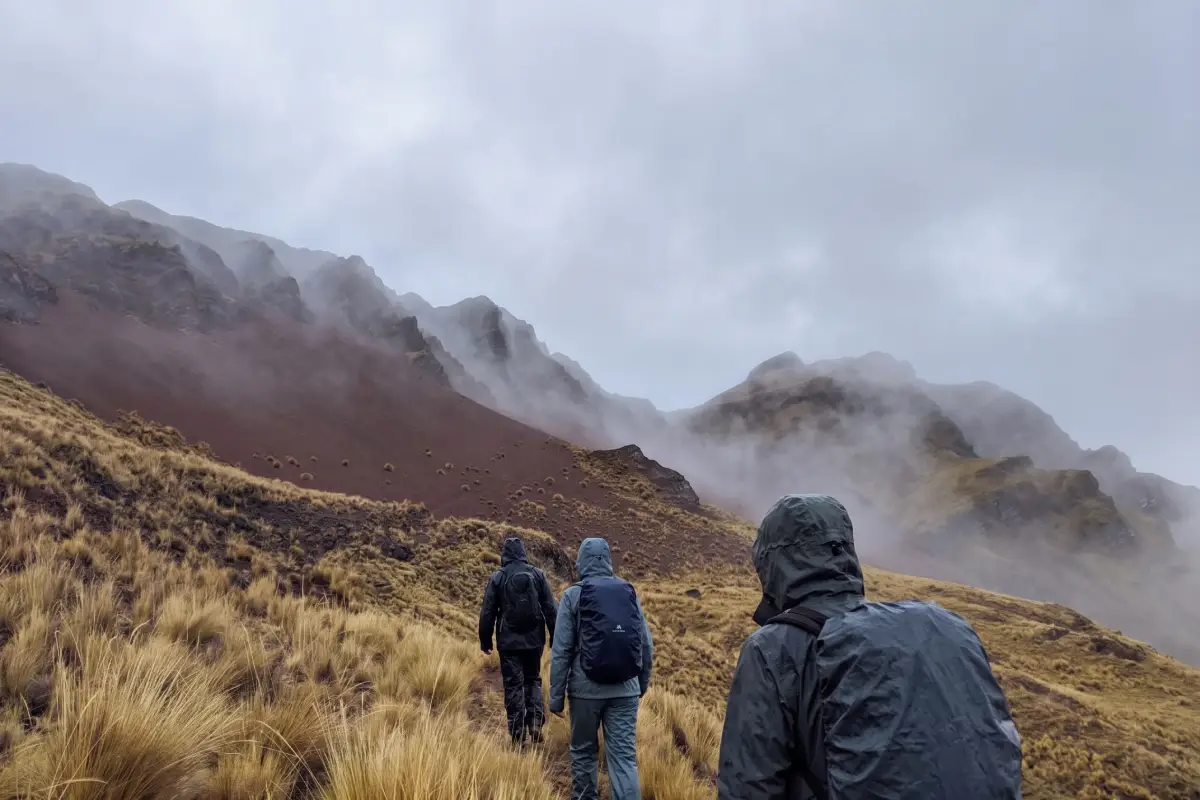
- Disadvantage: rains can create mud and slippery surfaces in certain sectors.
- Disadvantage: fog can temporarily reduce the visibility of mountains and landscapes.
- Disadvantage: you will need waterproof gear and better preparation for sudden weather changes.
For these reasons, we recommend doing the Ancascocha Trek during the dry season, especially between May, June, September, and October. Additionally, these months can offer an interesting balance between favorable conditions and lower tourist influx. However, mountain weather can change rapidly, so you should always be prepared for different conditions.
Equipment list for Ancascocha
Carrying the right equipment makes the difference between enjoying the route or suffering through it. Therefore, you must consider that you will pass through different environments and temperatures during the journey. Keeping this in mind, we recommend organizing your luggage according to the conditions of the highlands and the final stretch toward Machu Picchu.
Necessary equipment for the journey through the highlands
- Thermal clothing: carry a base layer to protect yourself during cold nights and mornings.
- Waterproof jacket: it will help protect you from rain and sudden weather changes.
- Warm jacket: you will need a thermal garment for high-altitude areas.
- Trekking pants: choose comfortable garments that allow freedom of movement during hikes.
- Trekking boots: use footwear with good support and a sole suitable for uneven terrain.
- Trekking socks: carry several pairs to keep your feet dry during the days.
- Beanie and gloves: they will be useful during cold mornings and nights on the route.
- Sunscreen: apply it regularly, especially during hikes in exposed areas.
- Sunglasses: they will protect your eyes from mountain solar radiation.
- Small backpack: use it to carry water, documents, personal items, and other necessary elements.
- Water bottle: carry enough liquid to maintain proper hydration during the journey.
- Headlamp: it will allow you to move with greater comfort during early departures or at camp.
- Trekking poles: they can help you maintain stability during descents and on uneven terrain.
Necessary equipment upon reaching the jungle section and Machu Picchu
As you approach Machu Picchu, you will notice a warmer and more humid environment. Therefore, I recommend progressively changing your clothing and carrying lighter garments.
- Light T-shirts: use breathable garments that allow you to walk comfortably in warmer temperatures.
- Light pants: they will be practical for continuing to walk in humid and warm environments.
- Insect repellent: apply it regularly to protect yourself during your stay in vegetated areas.
- Hat or cap: it will help protect you from the sun during hikes.
- Sunscreen: continue using it, especially during outdoor activities.
- Sandals or light footwear: you can use them to rest after trekking days.
- Waterproof poncho: keep it handy because rain can occur even during the less humid months.
- Change of clothes: carry clean and dry garments to feel comfortable after the hike.
- Waterproof bag: use it to protect documents, electronic devices, and other important items from moisture.
Finally, we recommend carrying only what is necessary and organizing your luggage according to each stage. This way you can better adapt to the temperature changes during the Ancascocha Trek.
Campsites and services on the route
The availability of Ancascocha campsites is limited compared to more commercial routes. This means there are no hostels or hotels on the way. You will sleep in high-mountain tents. At Trails to Machu Picchu, we make sure the campsites are ready when you arrive, with hot and nutritious food prepared by our cooks.
It is important to note that there is no cell signal or electricity during most of the hike. This disconnection is part of the route’s appeal. Additionally, the bathrooms at the campsites are basic or portable. It is an experience of total immersion in nature, where respect for the environment is fundamental. Please, carry all the trash you generate with you.
How to book the Ancascocha Trek tour?
Due to the technical complexity and remote location, we do not recommend doing this route on your own if you do not have extensive experience in high mountains and map orientation. To book the Ancascocha Trek tour with us, we suggest contacting us at least two months in advance. Although it does not require the strict permits of the Inca Trail, the coordination of muleteers, horses, and equipment must be done in time.
When traveling with Trails to Machu Picchu, you ensure that you have professional guides who know every corner of the trail. Additionally, we manage your entrance tickets to Machu Picchu and train tickets, so you can just focus on enjoying the hike and the landscapes, don’t wait any longer, contact us.
Final recommendations for your trip
Hiking toward Machu Picchu via the Ancascocha route is a decision that requires commitment. It is not just a tourist trip, but an expedition. Therefore, listen to your body, maintain a constant pace, and do not try to compete with others. The goal is to arrive well to enjoy the Inca citadel.
Stay constantly hydrated, even if you are not thirsty. Altitude dehydrates the body quickly. If you follow this Ancascocha Trek Guide and prepare adequately, you will live one of the most authentic experiences that Peru can offer. We are ready to accompany you in this challenge and show you the hidden beauty of our Andes.