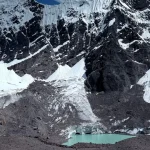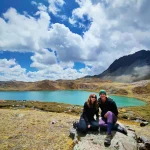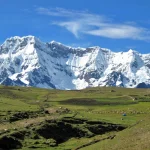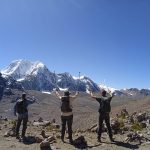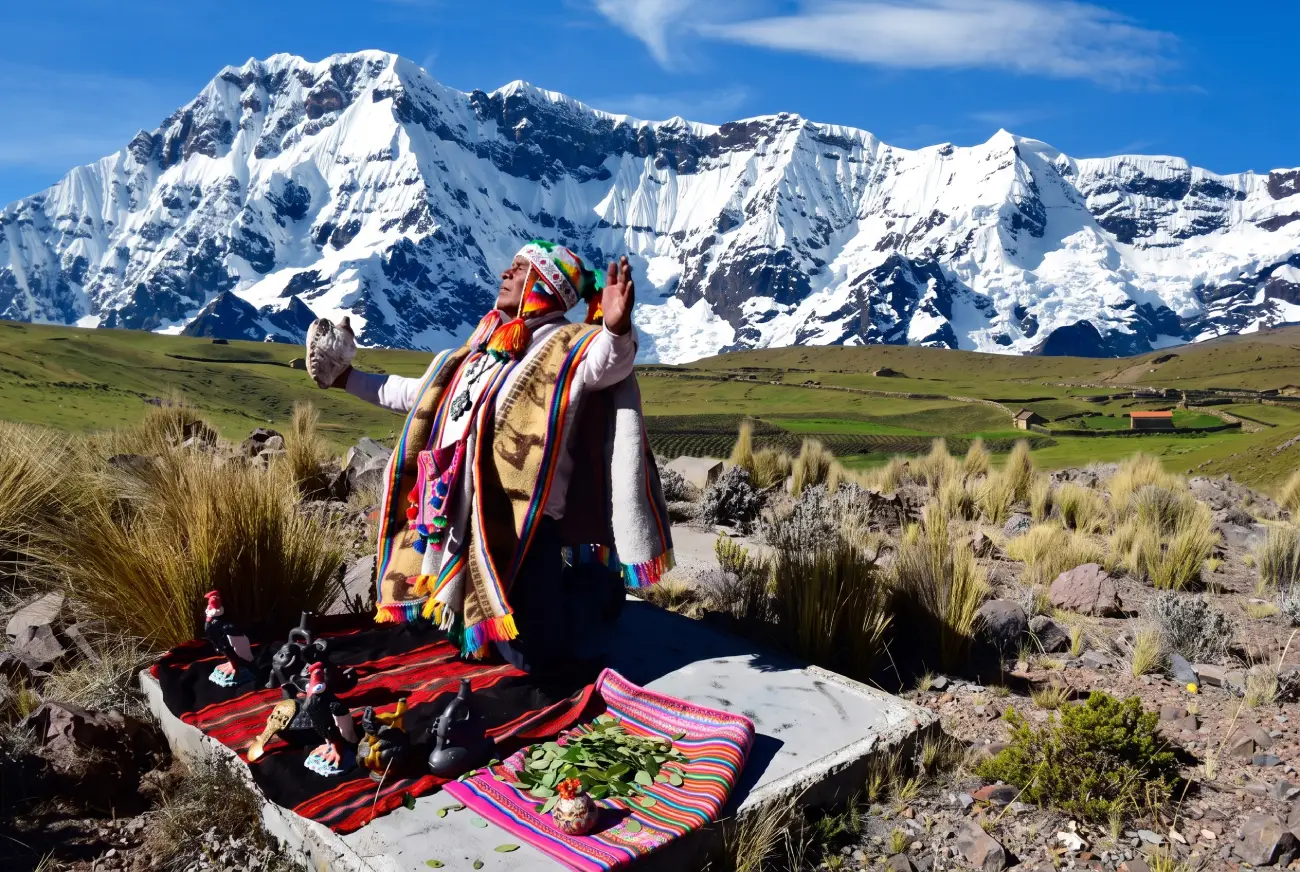
The Ausangate earth offering ritual is a sacred connection between human beings and Andean nature. That is why we at Trails to Machu Picchu value this practice as the heart of spirituality in Cusco. If you decide to participate, you will notice that each gesture has a profound meaning for the local community.
Furthermore, this ceremony allows you to thank the Apu Ausangate for allowing you to walk its protected trails. Even so, it is essential that you understand its structure to experience it with the respect it deserves. For this reason, we will guide you step by step through its traditional stages and symbols.
- Cosmological significance of Apu Ausangate
- Function of the pampamisayoc in the ceremony
- Elements that make up the Andean despacho
- Preparation of the altar or ritual table
- Importance of the k’intu in Andean mediation
- The incineration process of the offering
- Respectful conduct for participating in the ritual
- Difference between rites of gratitude and request
- Conservation of tradition in local communities
Cosmological significance of Apu Ausangate
The Ausangate snow-capped mountain is considered the most powerful guardian of the entire southern region of Peru. Due to its altitude, local inhabitants respect it as a living ancestor that provides water and life. At Trails to Machu Picchu, we often tell you that without its permission, it is not possible to travel these mountains safely.
The mountain as a provider of life
For the locals in the area, this mountain is not just a block of ice and stone. On the contrary, they see it as an entity with its own will that takes care of livestock and crops. Thanks to this belief, the ritual seeks to maintain the balance between the human and spiritual worlds.
The concept of reciprocity or Ayni
The principle of Ayni is the main driver behind every offering we make in the Andes. As the earth gives us its fruits, we must return something valuable in exchange. Therefore, the payment is an act of justice and balance with Pachamama.
Function of the pampamisayoc in the ceremony
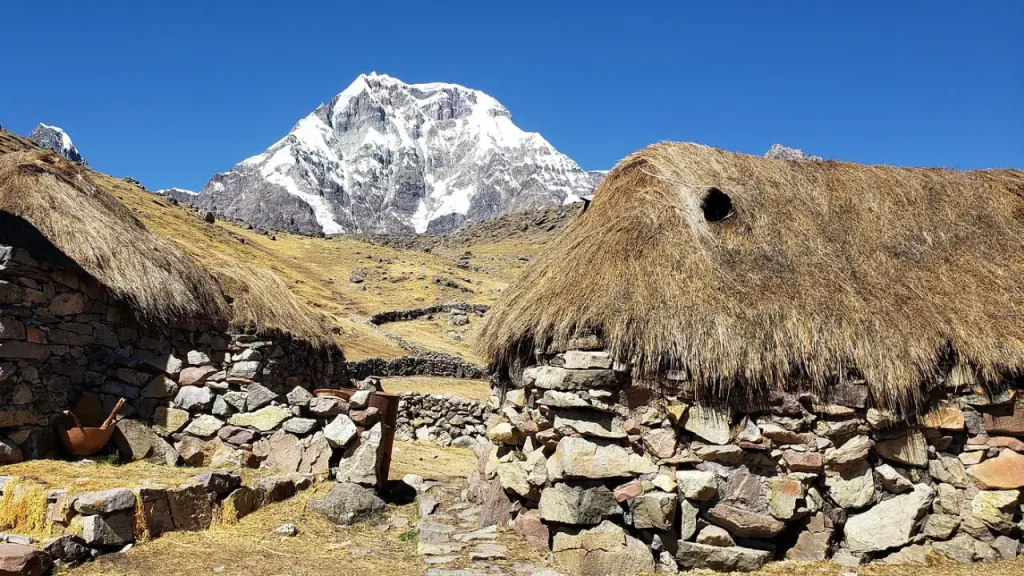
The success of the offering depends entirely on the guidance of a ritual specialist called a pampamisayoc. He is a master who knows the secrets of communicating with the entities of the mountains. We recommend that you always follow his instructions, as he acts as a bridge between you and the gods.
The calling of the Andean masters
A pampamisayoc does not choose his profession by simple personal will or commercial interest. Generally, these masters receive a sign from nature, such as surviving a lightning strike. That is why their spiritual authority is recognized by all the communities that live near the Ausangate.
Mediation between worlds
During the ritual, the master uses his wisdom to interpret what the earth needs to receive. Likewise, he is in charge of channeling your requests and expressions of gratitude correctly. Without his intervention, the words and elements might not reach the sacred destination we seek.
Elements that make up the Andean despacho
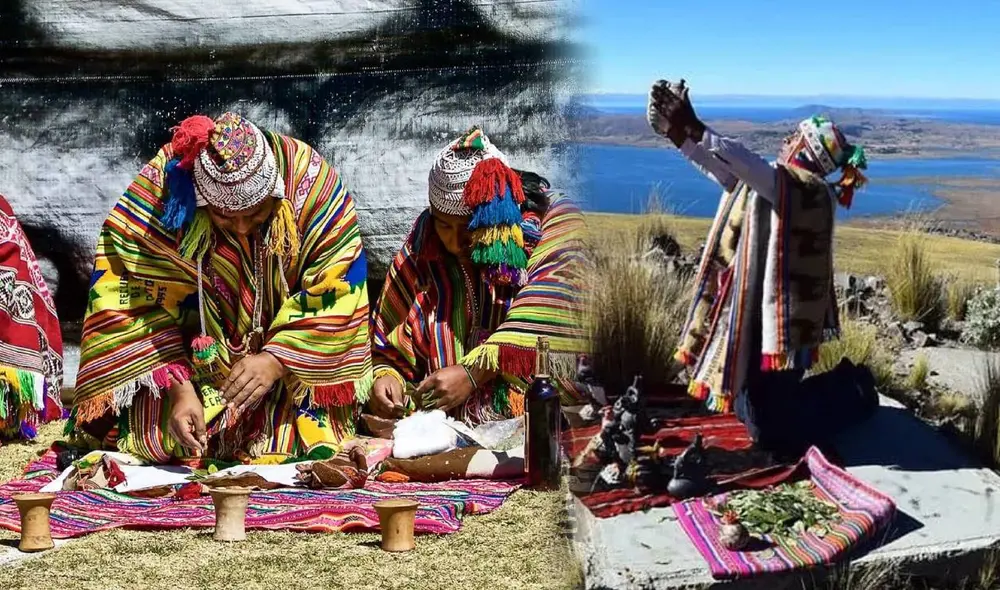
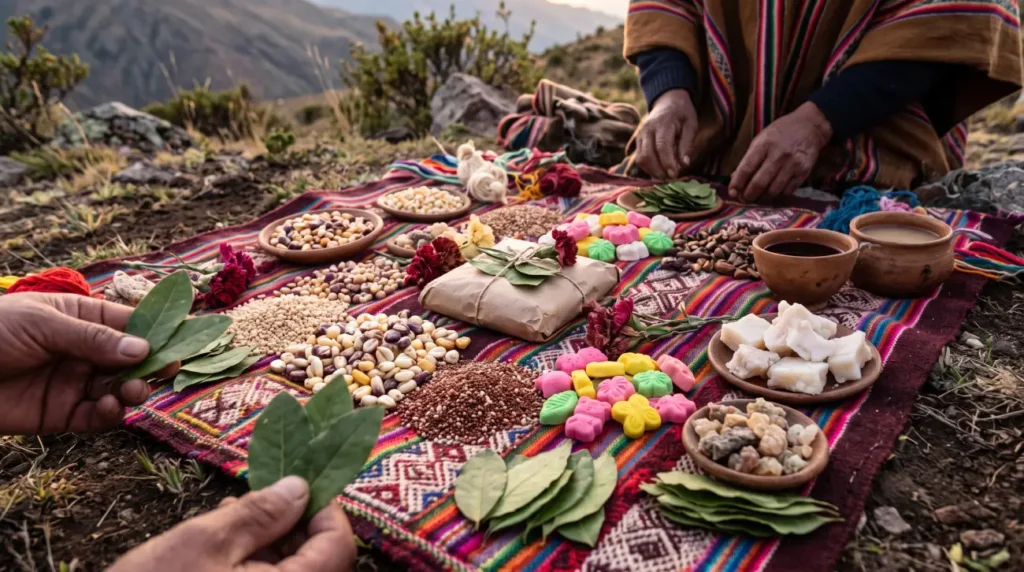
The despacho is the technical name for the physical offering that we prepare for Pachamama. This set of elements represents the biodiversity of the different ecological floors of our country. For the ritual to be effective, you must gather various materials with a specific symbolic charge:
- Coca leaves selected for their shape and freshness.
- Seeds of various Andean cereals such as corn and quinoa.
- Llama fat, which symbolizes strength and sustenance.
- Colorful candies that represent joy and desires.
- Incense and copal to cleanse the environment of heavy energies.
- Wine or chicha de jora for sacred libations.
After gathering these elements, the master proceeds to arrange them on a hand-woven cloth. This cloth, called an unkhuña, serves as the sacred space where the microcosm of the offering is built.
Preparation of the altar or ritual table
The preparation of the altar is a delicate process that requires great concentration from the group. At Trails to Machu Picchu, we suggest observing this moment in silence to connect with the surroundings. You will notice that the master always orients the altar towards the summit of the Ausangate snow-capped mountain.
Location of sacred sites
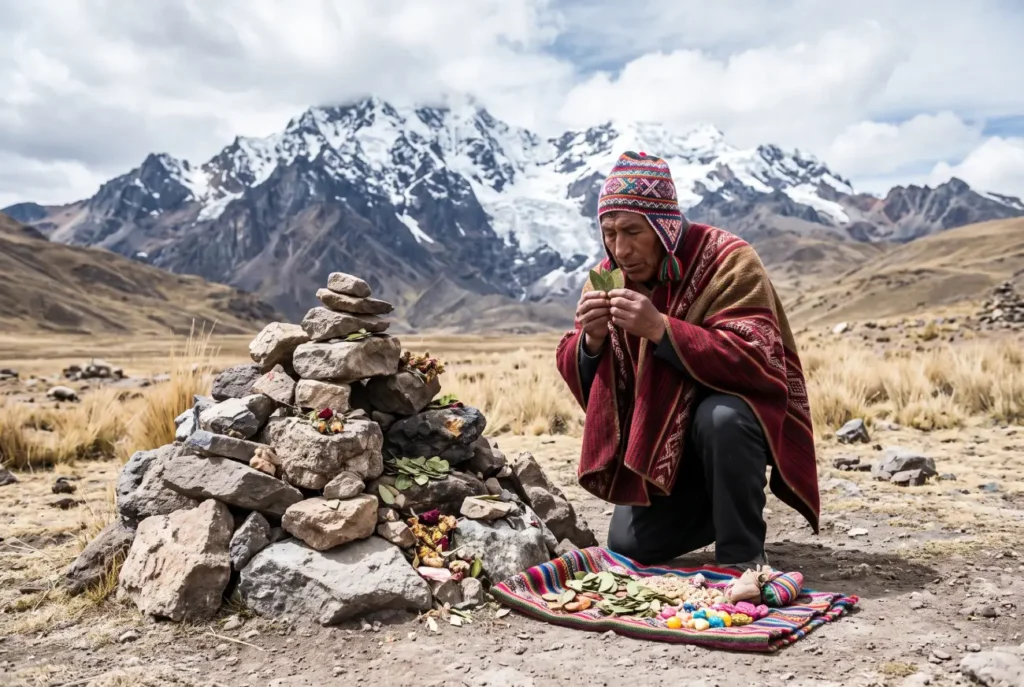
Not just any place is suitable for performing an earth payment formally. On the contrary, we usually look for points with a special energy called “apachetas” or natural viewpoints. In these sites, the connection with the Apus is much more direct and powerful.
Assembling the base of the despacho
First, the master spreads white paper over the cloth to receive the elements. Then, he places flower petals to form circles that represent the infinite cycle of life. Once this base is established, the ritual begins to take on a deeper spiritual dimension.
Importance of the k’intu in Andean mediation
The use of coca leaves in the ritual is the pillar of all Andean communication. It is not simply about placing leaves at random on the despacho paper. In reality, the k’intu is a very specific prayer tool that you will have to prepare yourself.
How to form a k’intu correctly
To do it well, follow these steps that we usually teach on our expeditions:
- Select three coca leaves that are whole and without spots.
- Hold them with your fingers to form a small green fan.
- Gently blow on them while thinking about your personal gratitude.
- Hand the set to the master so he can place it in the center of the altar.
With these clear steps, your intentions are physically recorded on the leaves of the sacred plant. For this reason, the k’intu is considered the vehicle that carries your vital breath to the mountains.
Symbolism of the three leaves
The three leaves represent the three worlds of the Inca worldview that still survive today. The world above, the earthly world, and the world of the dead unite in your hand. Thanks to this symbolism, the ritual integrates all dimensions of your current existence.
The incineration process of the offering
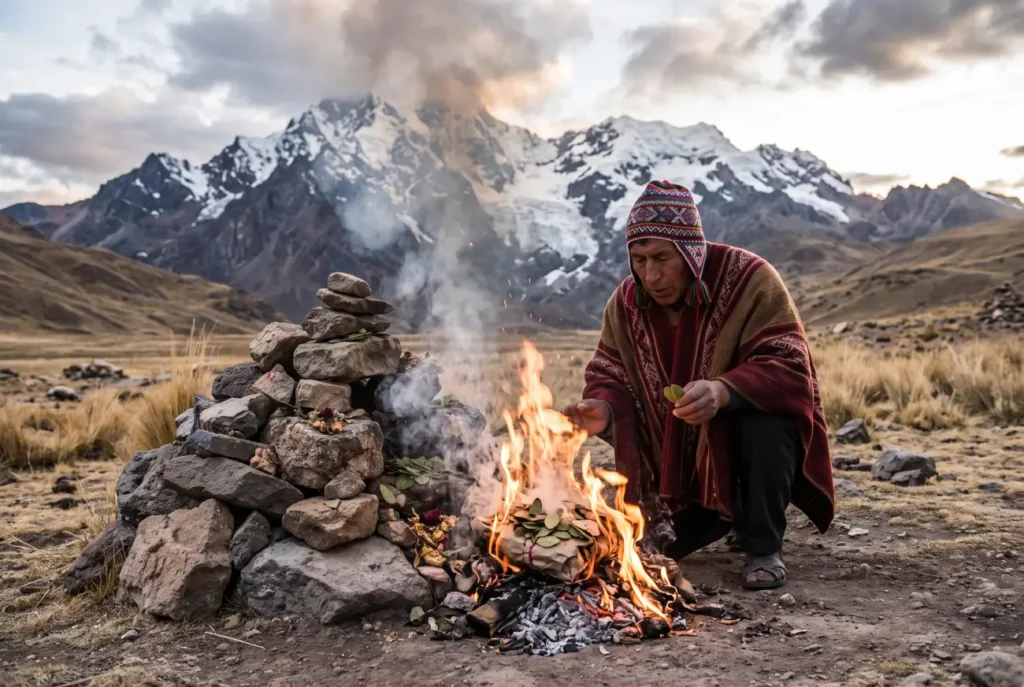
Once the despacho is complete, the next step is to formally deliver it to the earth. According to a study by Molinero (2022), fire acts as the transformer of matter into spiritual energy. Therefore, this moment is the emotional climax of the entire payment ceremony.
Transformation by fire
The master carefully wraps the despacho and places it on a fire fueled by local firewood. As the flames consume the offering, the smoke rises directly towards the sky and the peaks. Thus, the Ausangate receives the aromas and essence of everything we have prepared.
Final interpretation of the ceremony
The color and shape of the ashes allow the pampamisayoc to read the near future. If the ashes are white and fine, it means that Pachamama has accepted the gift with joy. Conversely, dark ashes could indicate that there are still energetic blockages that we need to work on together.
Respectful conduct for participating in the ritual
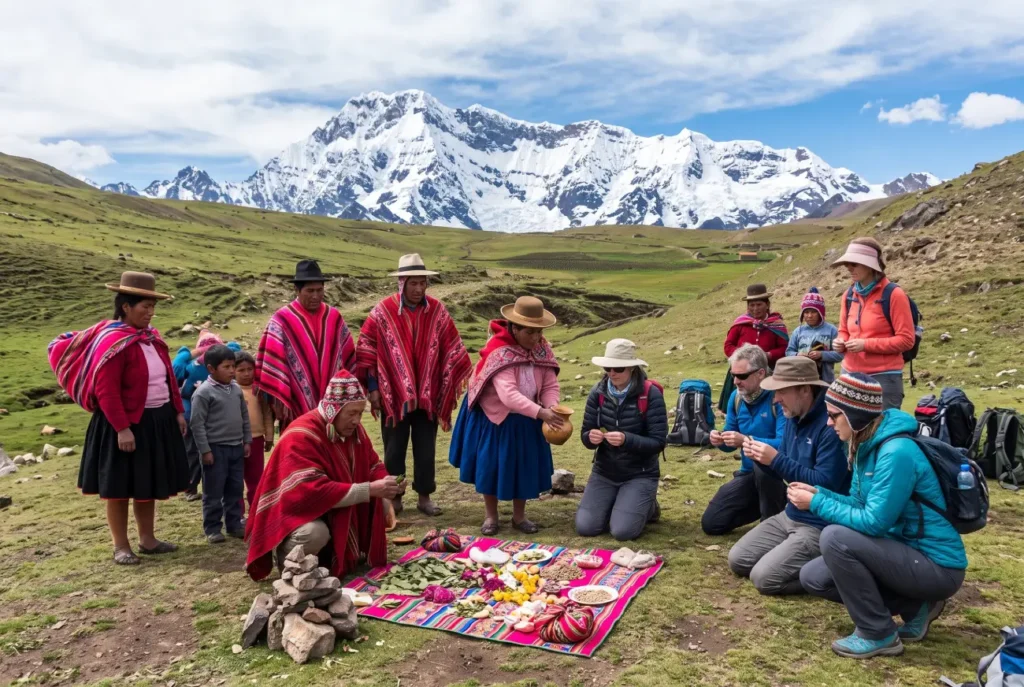
Participating in a ritual of this magnitude demands an attitude of humility and an open mind. At Trails to Machu Picchu, we accompany you to ensure that your presence is harmonious with local customs. To guarantee a positive experience for everyone, we recommend following these rules of conduct:
- Remain silent during the masters’ traditional prayers.
- Ask for permission before taking photographs or recording videos of the process.
- Avoid crossing your legs or turning your back to the altar while it is open.
- Wear modest clothing suitable for an outdoor prayer space.
- Accept the coca leaves with both hands as a sign of gratitude.
Keeping this in mind, your participation will strengthen the bond between travelers and the communities that receive us. In addition, you will demonstrate that you value the living culture that makes Peru such a special place.
Difference between rites of gratitude and request
It is common for visitors to confuse the main objective of this sacred act. Although you can ask for protection, the Ausangate earth payment ritual focuses mostly on gratitude. We prefer to view it as a friendly chat where you acknowledge all the good things you have received.
Gratitude rituals
These are generally performed at the end of a harvest or after a successful hike. At Trails to Machu Picchu, we organize these moments to celebrate that you completed your route with health and safety. That is why the atmosphere is usually one of relief and great inner peace.
Specific request rituals
There are other ceremonies focused on asking for health, economic prosperity, or protection for new projects. However, these usually require more complex elements and much more extensive prior preparation. Even so, both forms of rituals share the same root of respect for nature.
Conservation of tradition in local communities
The practice of these rituals has survived for centuries thanks to the cultural resistance of the Quechua peoples. A report by the Ministry of Culture (2022) highlights that these ceremonies are intangible heritage of the nation. For this reason, responsible tourism must support the preservation of these ancient customs.
In the communities near Ausangate, children learn to respect the earth from a very early age. Thanks to this education, the knowledge of the masters is passed from generation to generation without interruption. Therefore, when you participate in a ritual with us, you are helping this heritage remain alive.
Finally, remember that the payment to the earth is a personal experience that you will always carry with you. At Trails to Machu Picchu, we are ready to guide you on this journey into the depths of the Andean spirit. If you feel the call of the mountains, contact us to organize your next expedition to the heart of Cusco.