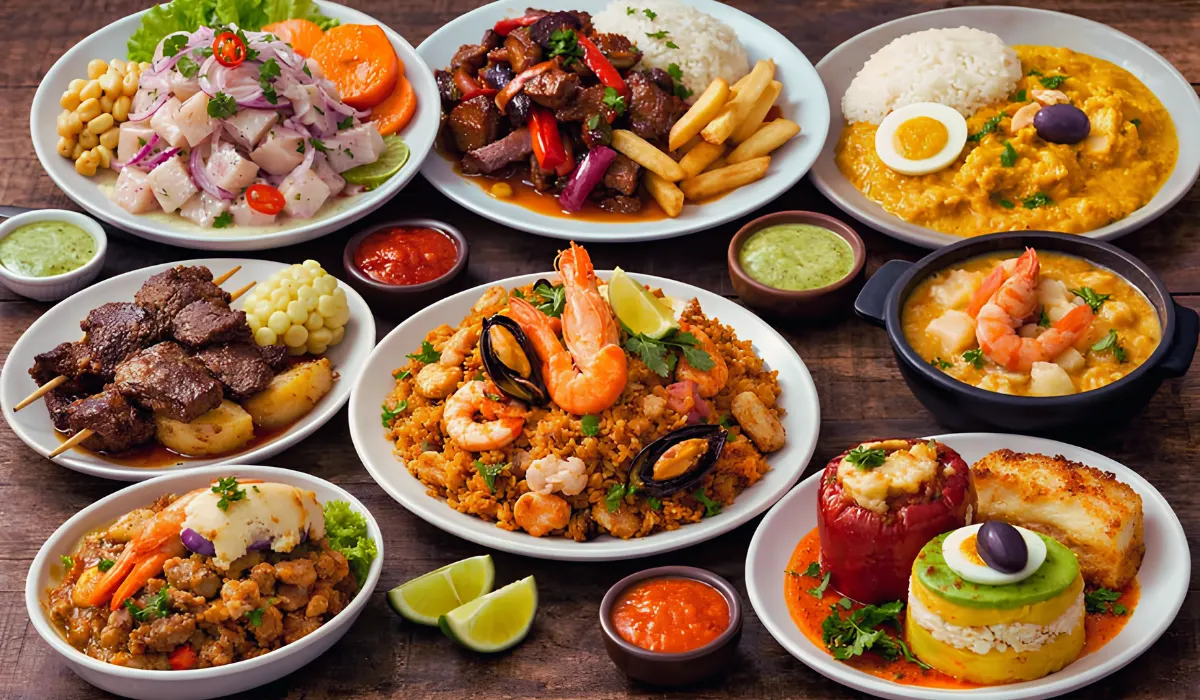
Peruvian cuisine is much more than a combination of flavors. It reflects the country’s history, cultural diversity, and traditions that have shaped Peru’s identity for centuries. In addition, every region contributes unique ingredients and cooking techniques that make Peruvian cuisine one of the most celebrated in the world.
For this reason, at Trails to Machu Picchu, we know that an unforgettable journey also comes through its flavors.
Peruvian Cuisine Is One of the Most Diverse in the World
Peruvian cuisine has earned international recognition for the diversity of its ingredients, cooking techniques, and culinary traditions. Its richness comes from the meeting of pre-Hispanic cultures with Spanish, African, Chinese, Japanese, and Italian influences. Together, these traditions have created a unique gastronomy that continues to captivate travelers from around the world.
The global recognition of Peruvian cuisine has also encouraged the opening of Peruvian restaurants across many countries. In addition, organizations such as the Peruvian Society of Gastronomy (APEGA) and food festivals like Mistura have helped position Peru as one of Latin America’s leading culinary destinations.
Here are a few facts that explain why Peruvian cuisine ranks among the most diverse in the world:
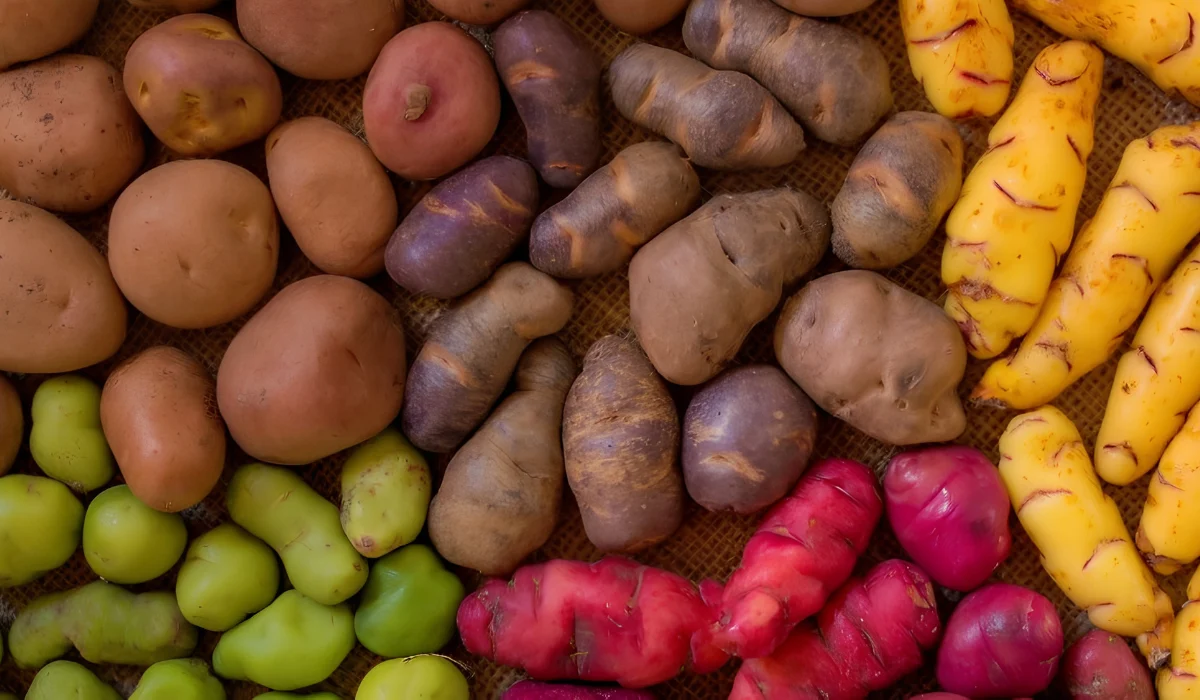
- More than 4,000 varieties of potatoes: Peru is the birthplace of the potato and preserves an extraordinary diversity of colors, sizes, and flavors. Many native potatoes play a central role in traditional dishes such as Pachamanca, Papa a la Huancaína, Causa, and many others.
- Fifty-two varieties of native corn: Peru boasts one of the greatest diversities of corn in the world. This ingredient appears in countless recipes, cultural celebrations, and traditional customs throughout the country.
- Ingredients from the coast, the Andes, and the Amazon: Every dish reflects Peru’s cultural diversity through ingredients that come from its three main geographical regions.
Peruvian Culinary Traditions You May Not Know
Peruvian cuisine stands out not only for its flavors but also for the stories and traditions behind its dishes. Many recipes are closely connected to celebrations and customs that people continue to preserve today.
Pachamanca: A Tradition That Begins Underground
Among Peru’s traditional dishes, Pachamanca represents one of the strongest connections between Andean communities and their ancestral cooking techniques.
Its name comes from the Quechua language: “pacha” means earth, and “manka” means pot, together translating as “earth oven.” Cooks prepare this dish by heating stones and using them to cook meats, potatoes, broad beans, corn, and other ingredients underground.
Facts About Pachamanca
- This cooking technique dates back to pre-Inca civilizations.
- Peru declared Pachamanca part of the nation’s Cultural Heritage in 2003.
- Since 2015, Peru has celebrated National Pachamanca Day on the first Sunday of February.
- Andean communities continue to prepare Pachamanca during local festivals and family gatherings, preserving this centuries-old culinary tradition.
Pan con Chicharrón: The Peruvian Breakfast That Reached the World
Another great example of the popularity of Peruvian cuisine is Pan con Chicharrón, one of the country’s most traditional breakfasts. This iconic dish combines French bread, crispy pork belly, fried sweet potato, and Salsa Criolla, creating a perfect balance of savory, sweet, and tangy flavors.
Recently, this beloved breakfast gained international attention when it competed in the “Breakfast World Cup,” a contest organized by Spanish content creator Ibai Llanos, where countries showcased their most representative breakfast dishes.
What Makes Pan con Chicharrón So Special?
- Bakers prepare the bread with a crispy crust and a soft interior.
- Cooks usually use pork belly to keep the meat juicy and flavorful.
- Fried sweet potato adds a delicious sweet contrast.
- Salsa Criolla, made with red onions, chili peppers, and lime juice, completes one of Peru’s most iconic breakfasts.
October Is the Month of Turrón
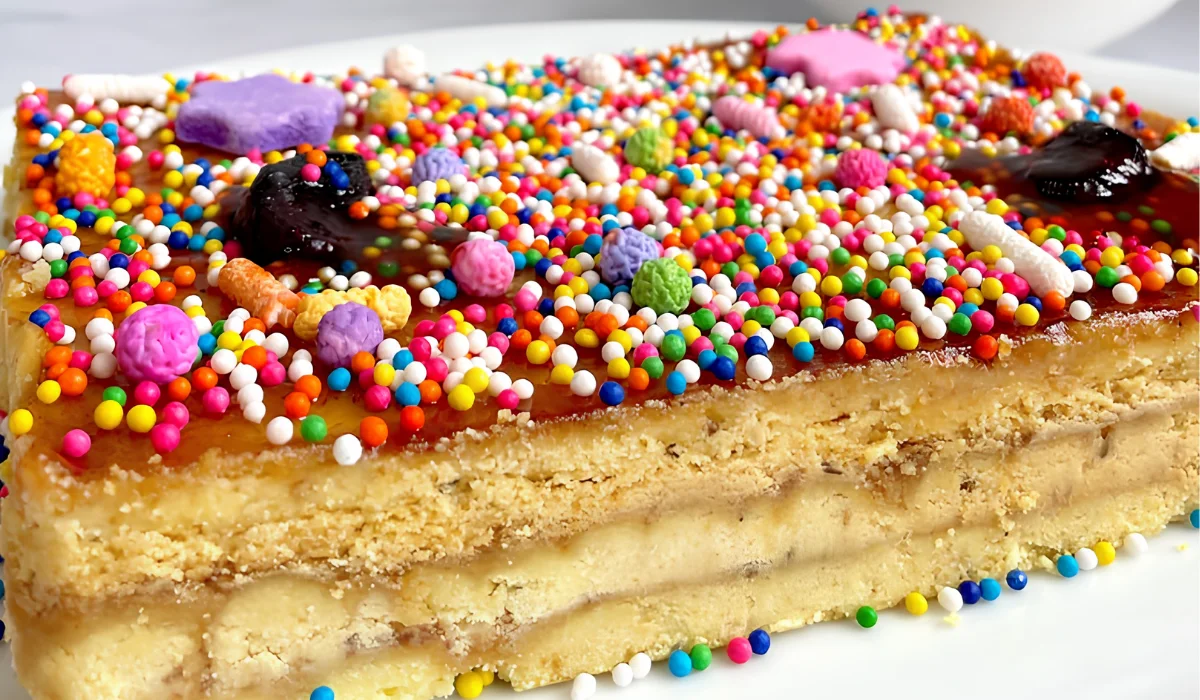
Every October, the streets of Lima and many other Peruvian cities fill with one of the country’s most beloved traditional desserts: Turrón. People prepare and enjoy this sweet treat during the celebrations of The Lord of Miracles (Señor de los Milagros), making it one of the symbols of the “Purple Month.”
Facts About Turrón
- Bakers prepare this colonial-era dessert with aromatic pastry sticks flavored with anise and sesame seeds.
- They cover it with chancaca syrup and decorate it with colorful candy sprinkles.
- Its history is closely linked to Josefa Marmanillo, an Afro-Peruvian woman from the Cañete Valley who became known as Doña Pepa.
- According to tradition, she created this dessert as an expression of gratitude to the Lord of Miracles.
- More than 300 years later, Peruvians still consider it one of the country’s most iconic desserts.
Interesting Facts About Peruvian Cuisine
Peruvian cuisine includes fascinating facts and milestones that highlight the country’s importance on the global culinary stage.
Lima Will Host The World’s 50 Best Restaurants 2026
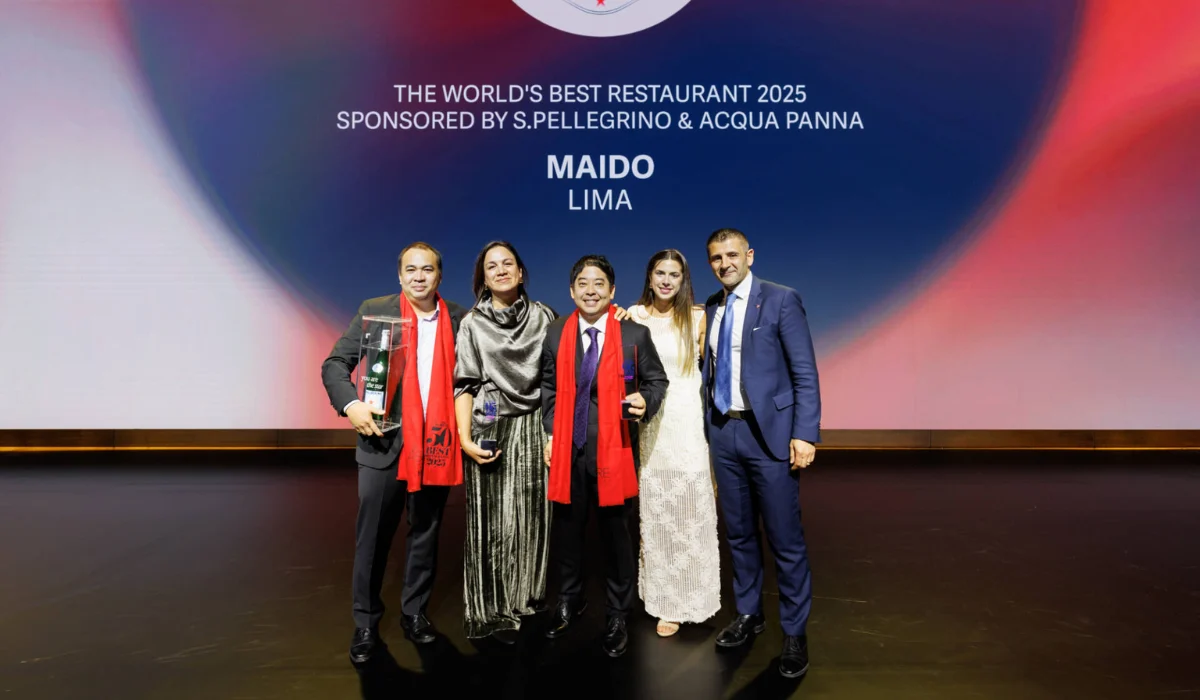
Lima will make history once again by hosting The World’s 50 Best Restaurants 2026, one of the most prestigious culinary events in the world. During this celebration, organizers reveal the annual ranking of the world’s best restaurants.
The 2026 edition marks a historic milestone because Peru and South America will host this event for the very first time. As a result, this achievement further strengthens Peru’s position as one of the world’s leading gastronomic destinations.
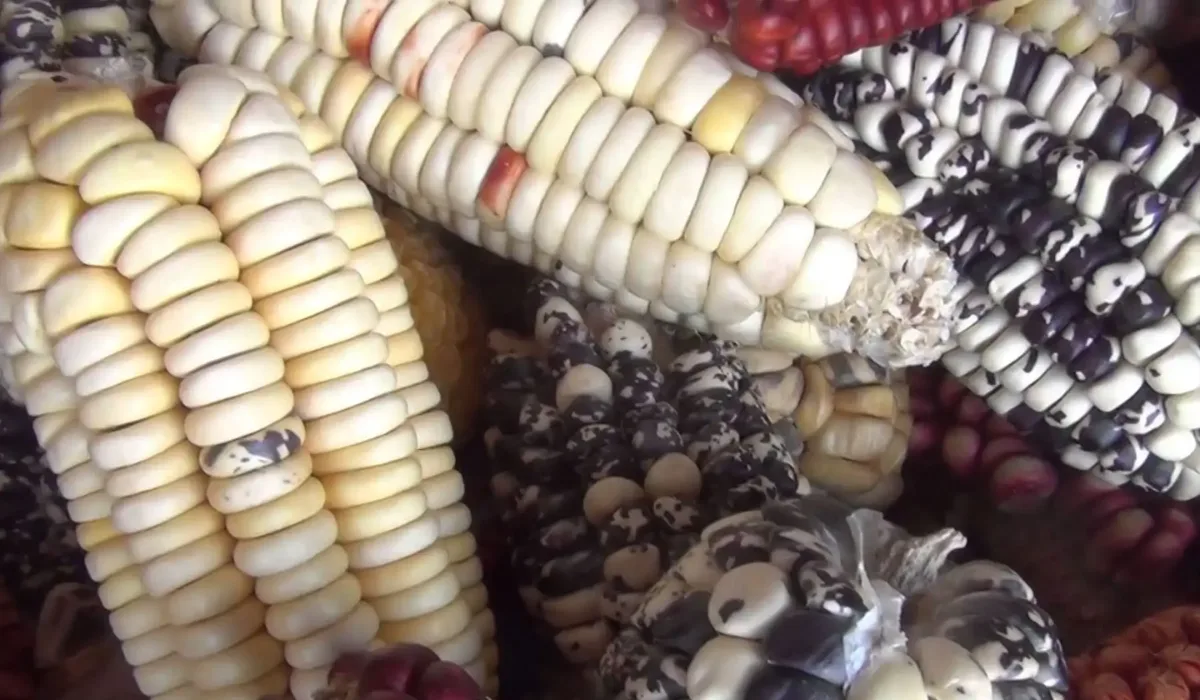
The Sacred Valley’s Giant White Corn Is Unique in the World
Among the most iconic ingredients in Peruvian cuisine is the Giant White Corn of the Sacred Valley of the Incas. This remarkable variety stands out for its exceptionally large kernels and its essential role in traditional Andean cuisine.
Farmers grow this corn primarily in the Sacred Valley near Cusco, where the fertile soil and favorable climate create the ideal conditions for its cultivation. As a result, it has become a symbol of Andean agriculture and continues to appear in many traditional dishes.
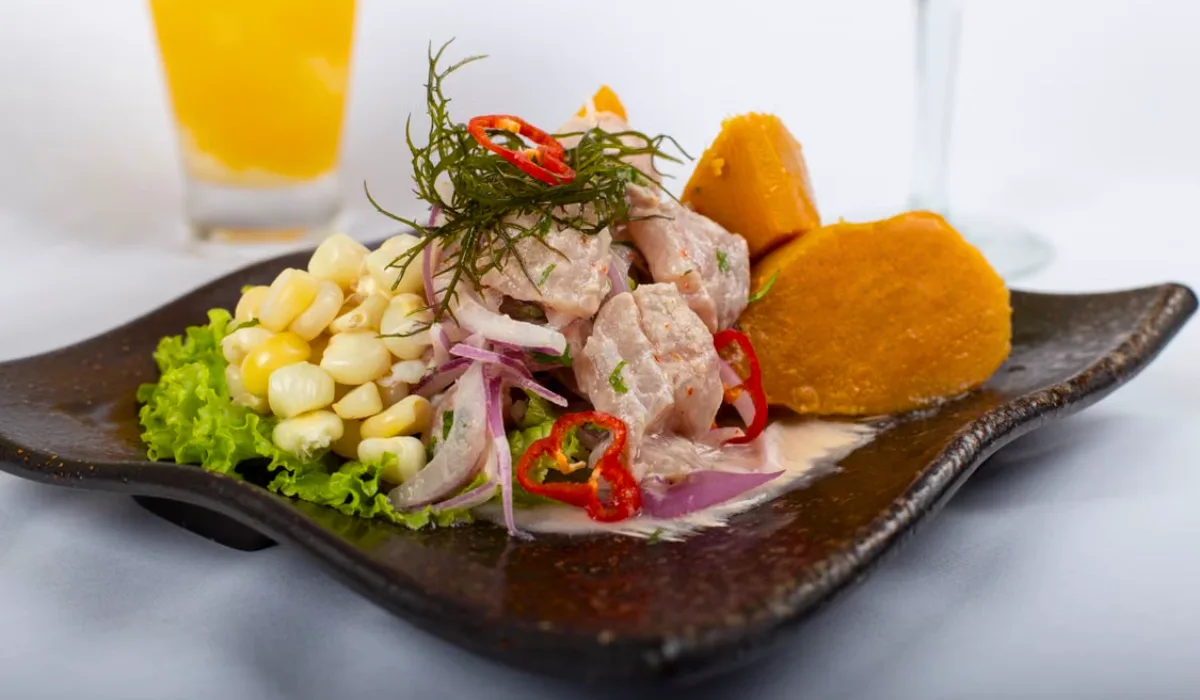
Ceviche Has Its Own National Holiday
Ceviche is one of Peru’s most famous dishes and even has its own national celebration. Every June 28, Peru celebrates National Ceviche Day, a holiday officially established in 2008 by the Ministry of Production (PRODUCE).
UNESCO also recognized ceviche as an Intangible Cultural Heritage of Humanity in 2023, further highlighting its importance within Peruvian gastronomy and cultural heritage.
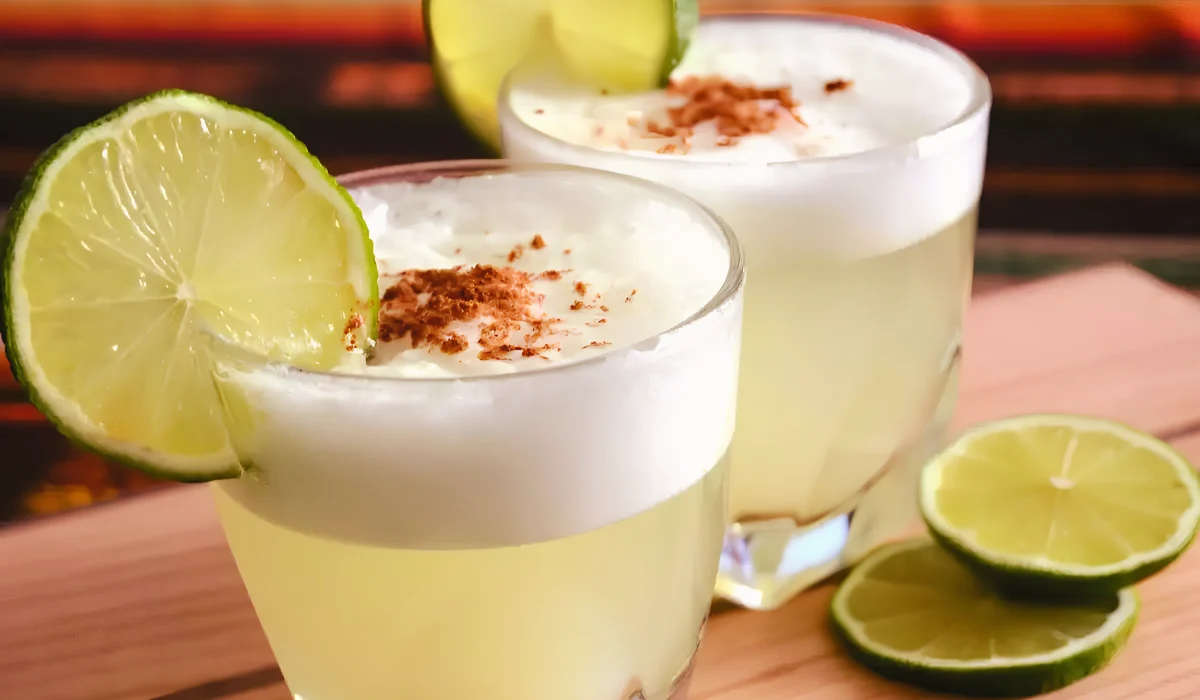
Pisco Sour Also Has Its Own Celebration
Pisco Sour, Peru’s national cocktail, celebrates National Pisco Sour Day every first Saturday of February. Peru created this celebration to recognize the cocktail’s cultural and gastronomic significance.
The government declared Pisco Sour part of Peru’s National Cultural Heritage in 2007. Its history dates back to early twentieth-century Lima, where bartenders first prepared the cocktail. Today, they continue to make it with Peruvian pisco, fresh lime juice, simple syrup, egg white, and Angostura bitters, preserving its original recipe.
Flavors You Must Try by Region
The diversity of Peruvian cuisine also shines through its three main regions: the coast, the Andes, and the Amazon rainforest. Each region offers its own ingredients and traditional dishes that reflect its local culture and culinary heritage.
Coast
Peru’s coastal cuisine stands out for its fresh seafood and ingredients sourced directly from the Pacific Ocean.
Some dishes you should try include:
- Ceviche: Fresh fish marinated with lime juice, red onion, and chili peppers.
- Causa Limeña: A layered dish made with yellow potatoes, yellow chili peppers, and a variety of delicious fillings.
- Anticuchos: Traditional grilled skewers usually prepared with beef heart and served with potatoes or corn.
Andes
Andean cuisine makes the most of native potatoes, corn, quinoa, and traditional meats while preserving ancestral cooking techniques that local communities have passed down for generations.
Some of the region’s signature dishes include:
- Pachamanca: Meats and Andean ingredients cooked underground with hot stones.
- Cuy (Guinea Pig): A traditional dish that many communities throughout the Andes continue to prepare.
- Chairo: A hearty Andean soup made with potatoes, chuño (freeze-dried potatoes), meat, and vegetables.
Taste these dishes and know Cusco with our package to Cusco.
Amazon Rainforest
Amazonian cuisine features unique ingredients that come from one of the world’s most biodiverse ecosystems.
Some of its best-known dishes include:
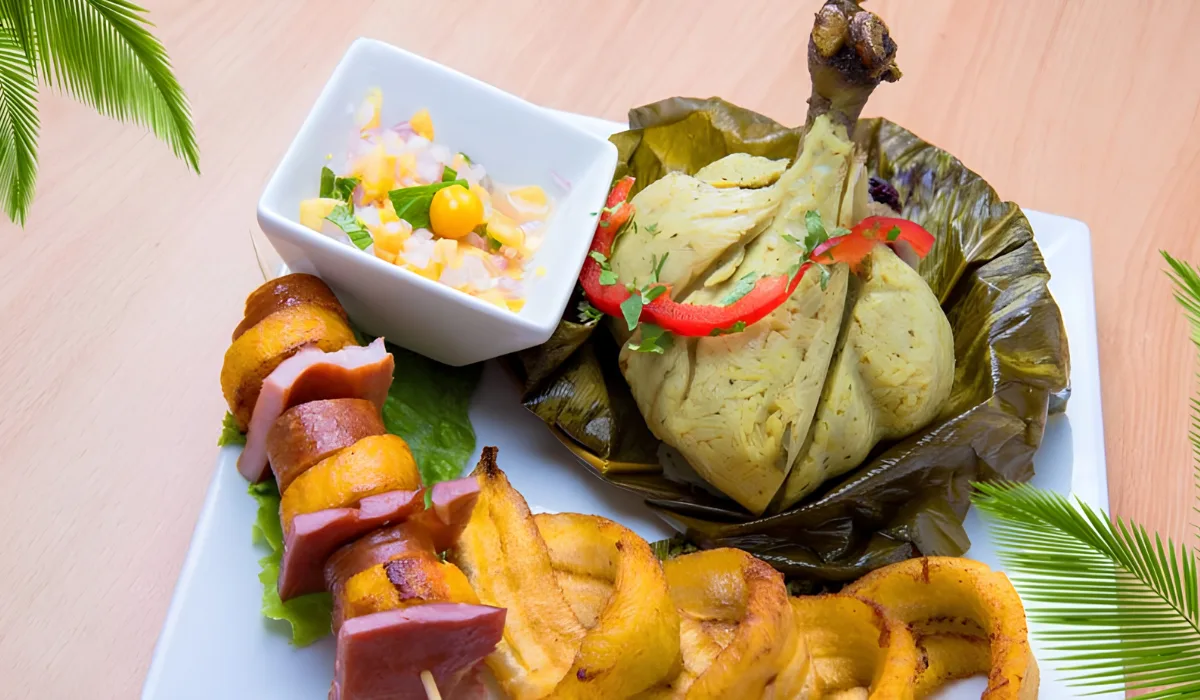
- Juane: Rice and chicken wrapped in bijao leaves.
- Tacacho con Cecina: Mashed green plantains served with smoked pork.
- Inchicapi de Gallina: A traditional chicken soup prepared with peanuts and cassava.
Enjoy these dishes with in Manu National Park or Tambopata.
Discover Peruvian Cuisine While Exploring Cusco
Cusco offers travelers the opportunity to discover some of the most iconic flavors of Peruvian cuisine.
During their visit, travelers can choose experiences that combine culture, history, and gastronomy. They can also discover traditional ingredients such as the Giant White Corn of the Sacred Valley, native potatoes, and authentic dishes that represent Cusco’s rich culinary heritage.
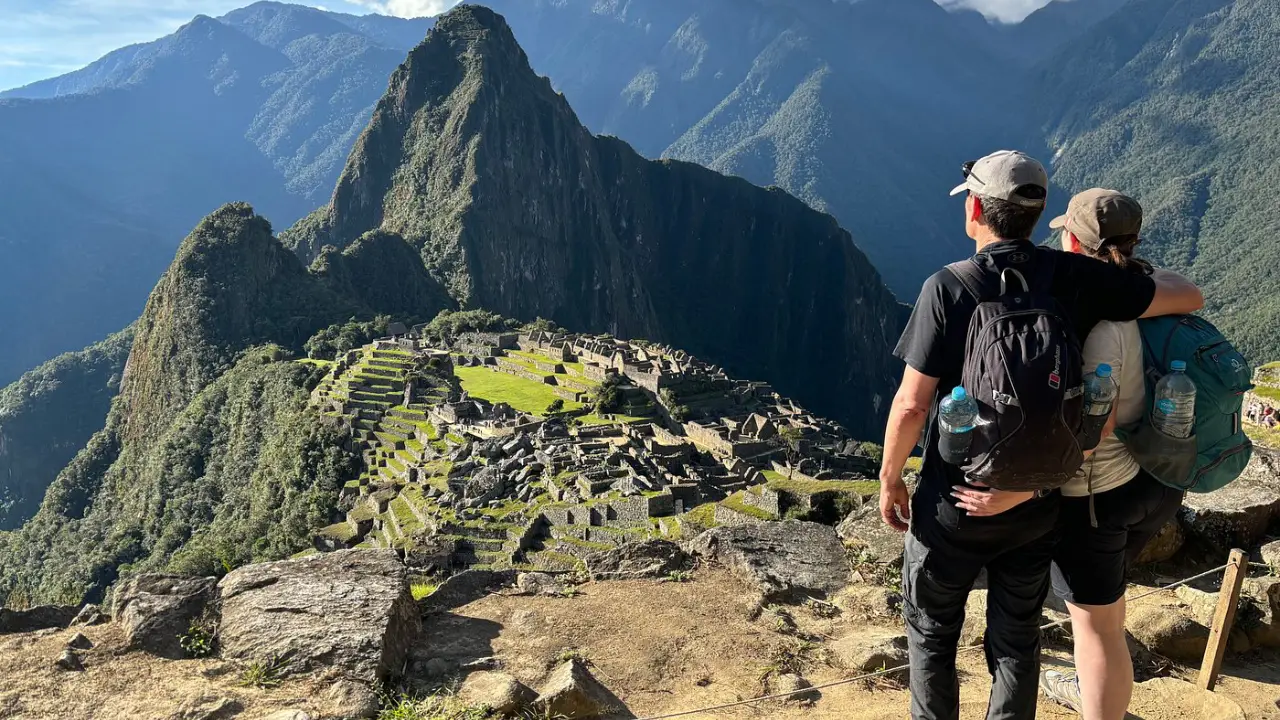
At Trails to Machu Picchu, we understand that traveling through Peru means much more than visiting beautiful places. For this reason, our Machu Picchu tours allow travelers to discover Andean culture, breathtaking landscapes, and the traditions that shape the identity of this extraordinary destination.
Plan Your Culinary Experience in Peru
Peruvian cuisine represents one of the country’s greatest cultural treasures. From the fresh flavors of the Pacific coast to the ancestral dishes of the Andes and the Amazon rainforest, every recipe tells a story and reflects Peru’s rich cultural heritage.
If you are looking for a complete travel experience in Cusco, book your Machu Picchu tour with Trails to Machu Picchu. Explore our travel packages today! Contact us!