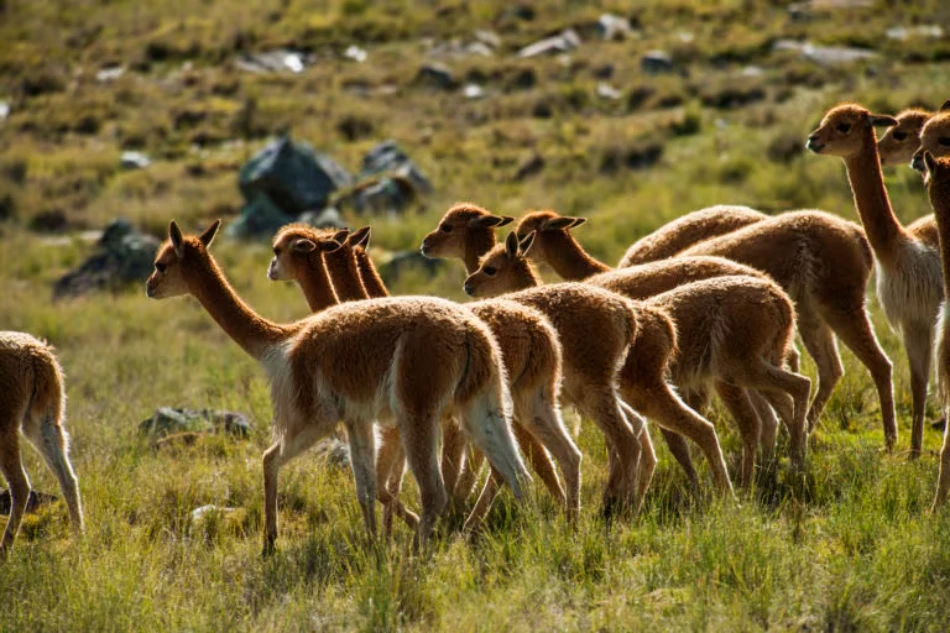
You will find the best spots to know where to see vicuñas in Cusco in areas that exceed 4,000 meters in altitude. These protected areas are home to wild populations that we at Trails to Machu Picchu usually observe during our mountain routes. In this guide, we will teach you how to distinguish them from their domestic relatives through very specific physical details.
How to recognize a vicuña versus other camelids?
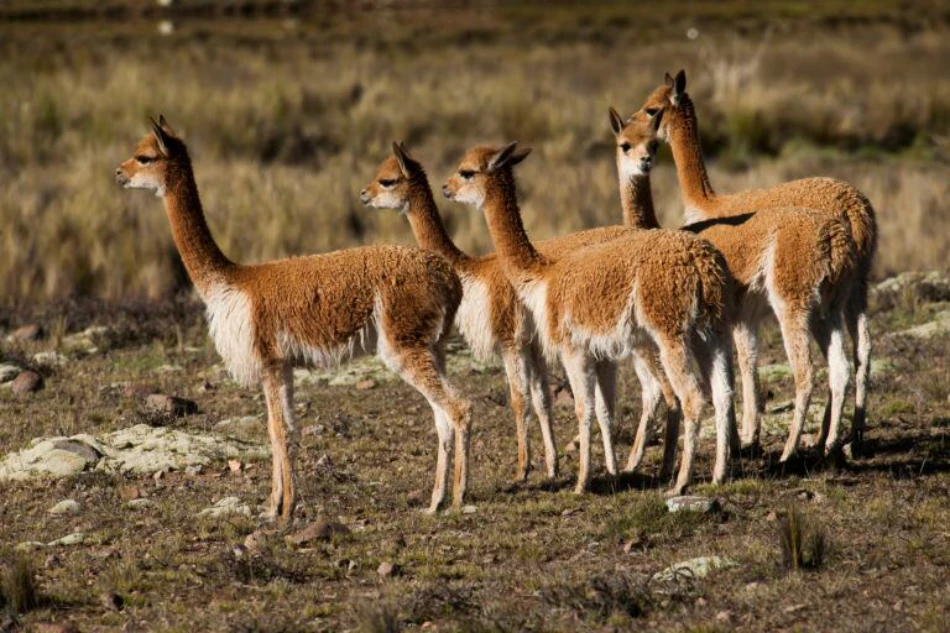
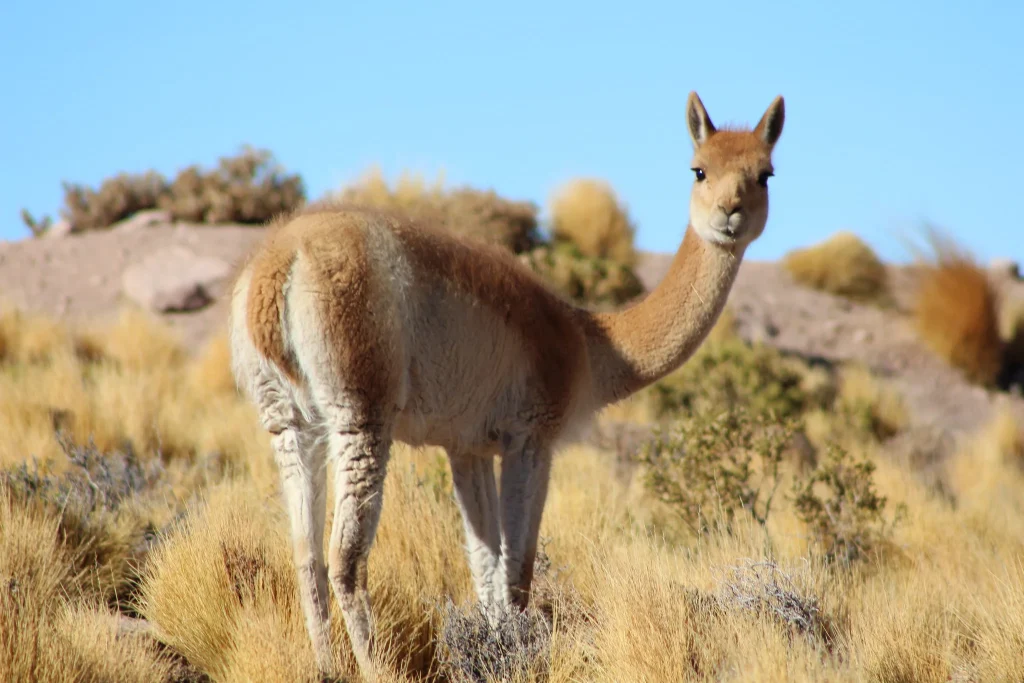
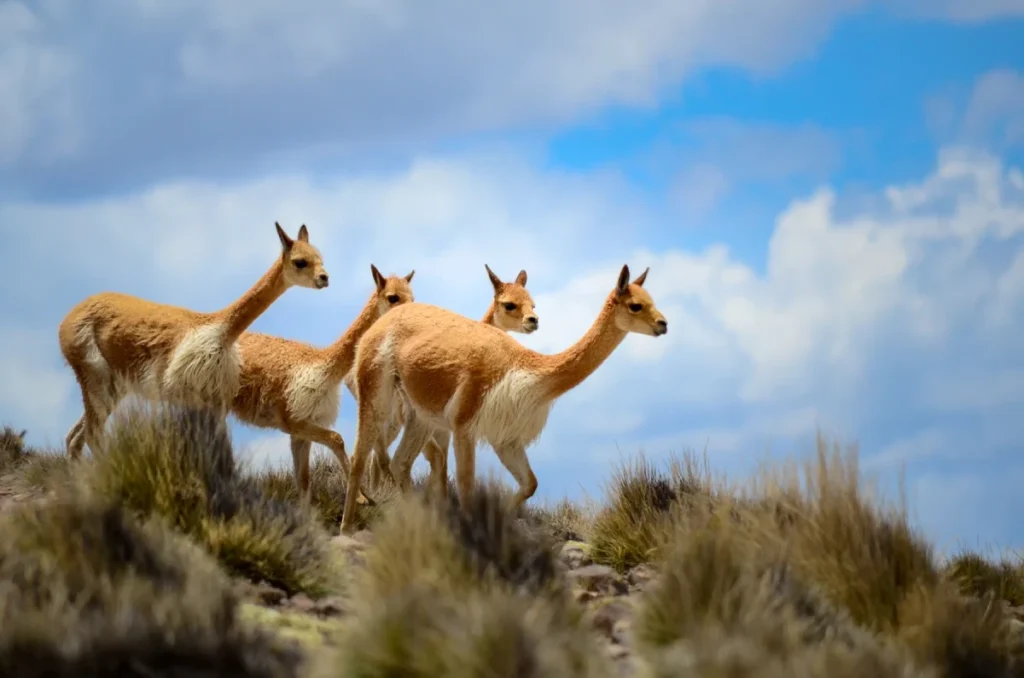
You will notice that these animals possess a natural elegance that sets them apart from the llamas or alpacas of the countryside. Their structure is much lighter and their movements are agile when in the presence of humans.
Furthermore, these specimens are never tied up and do not belong to a specific corral in the highlands. To successfully differentiate them, we recommend looking at the following visual traits:
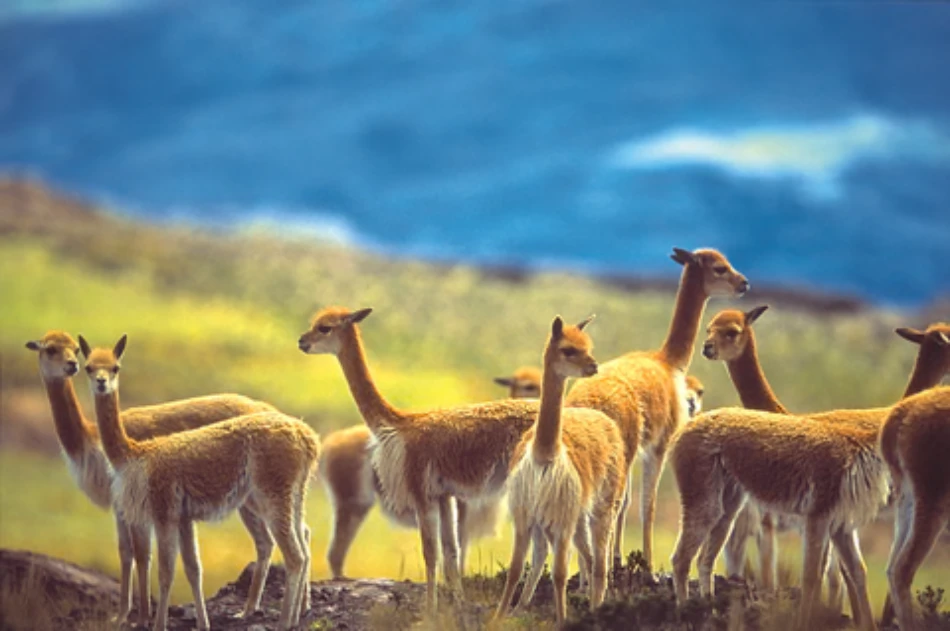
- Always look for the characteristic vicuña white bib on its chest.
- Observe their light cinnamon-colored fur on the back and sides.
- Notice their small size, as it is the shortest camelid in the Andes.
- You will notice a long and very slender neck compared to its body.
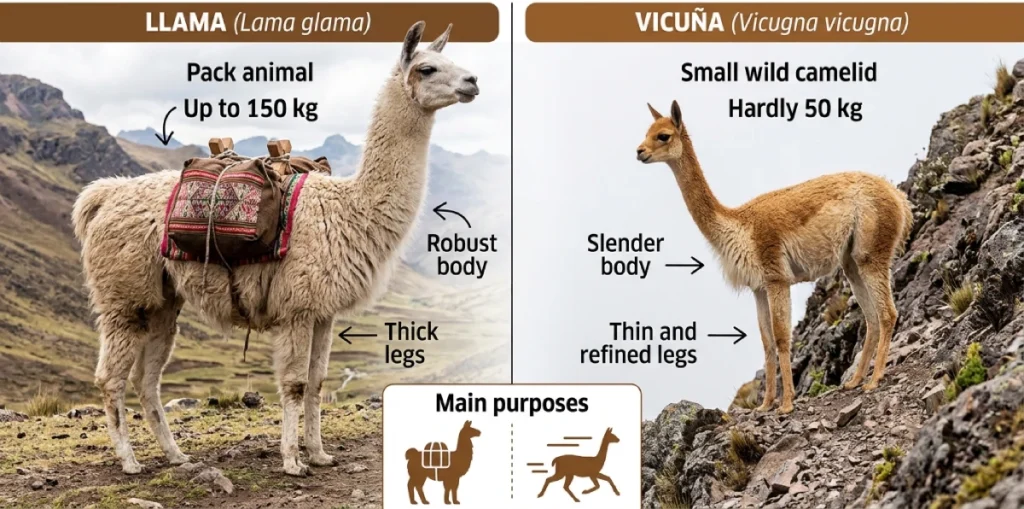
Differences between llama and vicuña
Despite being relatives, their body volume separates them in an evident way as soon as you see them. The llama is a robust beast of burden that can weigh up to one hundred and fifty kilos.
In contrast, this small wild camelid barely reaches fifty kilos in total weight. That is why their legs look much thinner and more refined for moving along steep slopes.
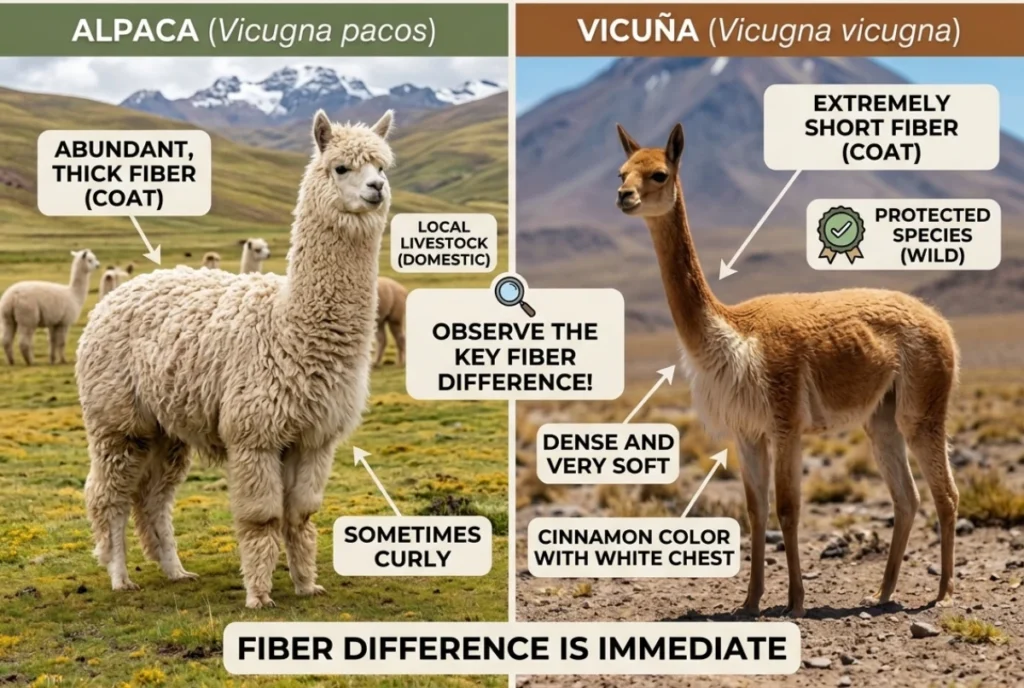
Identifying vicuñas and alpacas
Although both have a somewhat similar size, the type of fiber distinguishes them immediately. You will notice that the alpaca has abundant, thick, and sometimes curly fur.
The vicuña’s fiber, on the other hand, is extremely short, dense, and very soft. Thanks to these key differences to identify them, you will know you are facing a protected species and not local livestock.
Main places in Cusco to see vicuñas
There are specific zones where the natural habitat in Cusco allows these animals to live without human interference. We at Trails to Machu Picchu frequently traverse these trails and always look for responsible sightings.
Most of these locations are found in the high provinces in the south of the region. If you want to ensure a sighting, we suggest visiting these strategic points:
- First, head towards the slopes surrounding the Vinicunca mountain.
- Then, explore the pampas near the Vilcanota mountain range.
- After that, visit the high areas of the Canas province.
- Finally, tour the wild grazing areas in Sicuani.
Sightings near Vinicunca and the Red Valley
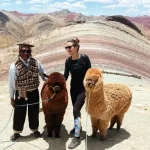
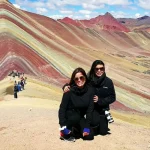
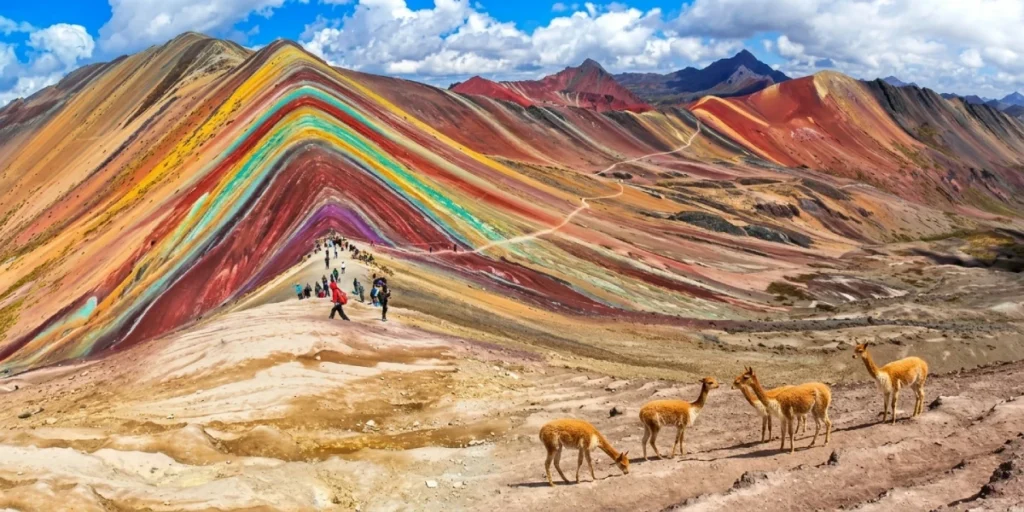
During the ascent to the Rainbow Mountain, it is very common to find small groups grazing. These animals prefer the grassy areas that grow above 4,800 meters in altitude.
We recommend maintaining a prudent distance so as not to interrupt their daily feeding. From this point, the sighting near Vinicunca offers spectacular photos with the colored mountains in the background.
Vicuñas in the Vilcanota and Ausangate mountain range
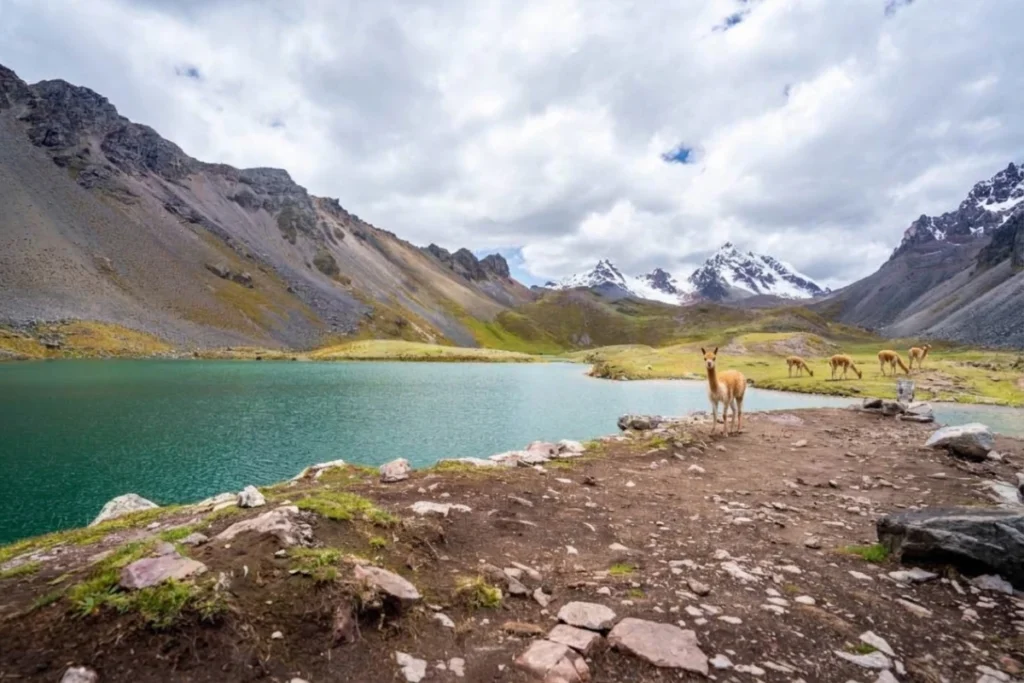
The Ausangate massif is one of the most important refuges for the wildlife of the Cusco highlands. On its foothills, herds move freely between glacial lagoons and snow-capped peaks.
When seeing vicuñas in Ausangate, you will notice that they prefer open and flat spaces to keep watch for potential predators. It is an ideal setting because the vegetation is scarce and their cinnamon color stands out easily.
Observing animals in Sicuani and high zones
If you travel south of the city, the surroundings of the urban area hide solitary landscapes. Many local communities protect these species within their communal territories under strict regulations.
When observing animals in Sicuani, you will be able to see how they coexist with other camelids but always maintaining their independence. It is a less crowded place that allows you to enjoy nature in total silence.
Behavior of free-roaming herds and wildlife
Understanding how these animals move will help you locate them more easily during your hike. The behavior of free-roaming herds is based on the hierarchy of a dominant male over several females.
Unlike alpacas, they flee quickly if they feel you are invading their personal safety space. For this reason, we advise you to use binoculars to appreciate their gestures without disturbing them.
Wild versus domestic camelids
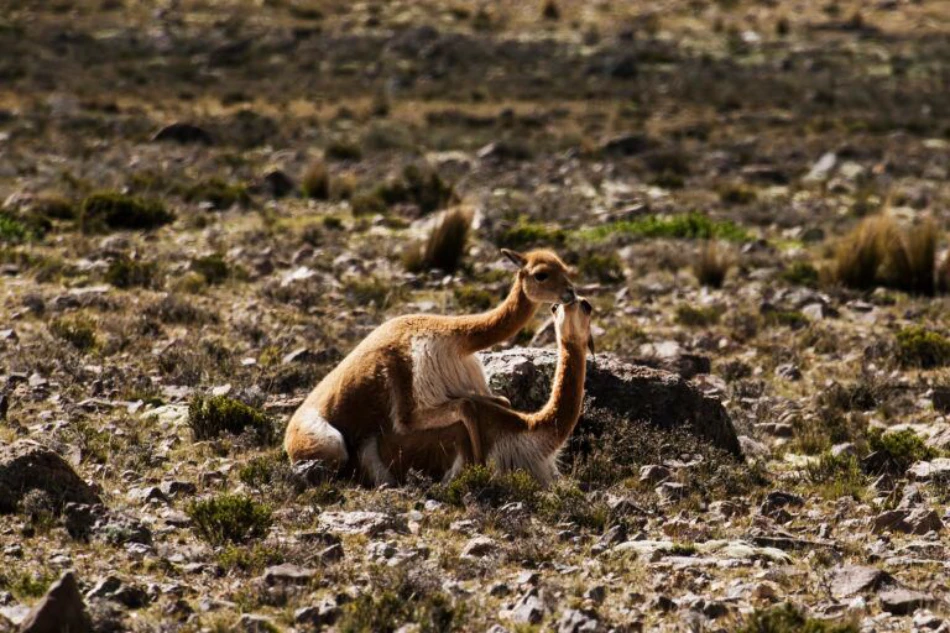
This distinction is fundamental to understanding the ecology of the high-Andean zones of Cusco. While llamas depend on man for their care, these specimens are completely autonomous.
Wild versus domestic camelids have reproduction cycles that depend solely on seasonal rains. You will notice that their young, called “guaris,” are extremely fast just minutes after being born.
Physical characteristics of the guanaco
It is possible that you may hear about another wild relative that inhabits more arid and low-lying areas. However, the physical characteristics of the guanaco include a dark gray face and a larger size.
In the Cusco region, the guanaco is much rarer to see than the common vicuña. If you notice a specimen with a dark head and a robust body, you could be facing one of these rare inhabitants.
Best time for sightings and weather
Planning your trip in the correct months will increase your chances of finding large groups of animals. The best time for sightings coincides with the dry season, between the months of May and October.
During these months, the sky is clear and the animals come down to the wetlands to look for water. We at Trails to Machu Picchu prefer these dates for the visibility and stability of the weather.
The tradition of the chaccu in Cusco
This ancestral ceremony consists of the herding, capture, and controlled shearing of wild specimens. The tradition of the chaccu in Cusco allows for obtaining the fiber without harming or killing the animal.
It is held once a year in communities such as Caitomarca or high zones of Espinar and Canas. It is a unique opportunity to see hundreds of animals gathered under sustainable and cultural management.
The importance of sustainable fiber
A study by the National University of San Antonio Abad del Cusco in 2021 analyzed the impact of the chaccu. Researchers determined that this practice strengthens the conservation of the species against poaching.
For you, this means that buying certified products helps the communities that protect the habitat directly. Thus, tourism and handicrafts work together to preserve this symbol of the Andes.
Final tips for your sighting excursion
To enjoy your search for where to see vicuñas in Cusco, you must be prepared for the intense cold. The altitude of these areas requires that your body be well acclimated before you start walking.
If you want to live this experience in a safe and respectful way, follow these basic suggestions:
- Bring thermal clothing in several layers to withstand the wind of the puna.
- Use sunscreen and sunglasses due to the strong radiation.
- Always walk at a slow pace to avoid altitude sickness.
- Do not try to feed the animals with processed food or snacks.
- Maintain absolute silence if you approach a group that is resting.
With us at Trails to Machu Picchu, you can organize these routes through the high provinces in an organized way, contact us. We hope this guide helps you appreciate the unique beauty of the fauna that inhabits our mountains.