Choosing between Manu and Tambopata depends on your interest in wildlife. This Manu versus Tambopata guide will help you decide based on the frequency of sightings. We at Trails to Machu Picchu want your jungle experience to be completely real.
Which destination to choose to see mammals in the Peruvian jungle?
First, you must understand that both places offer very different nature experiences. Therefore, your final choice will depend on how much time you have to travel through Peru.
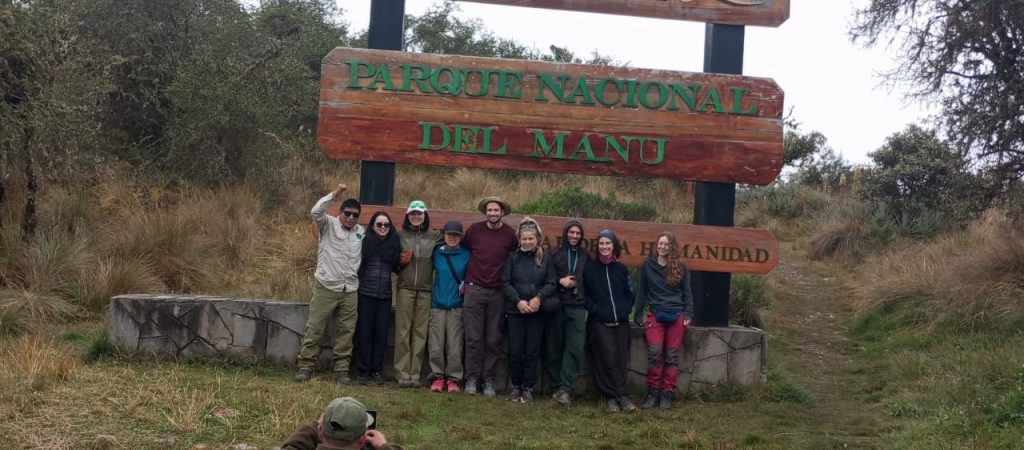
The biodiversity of Manu National Park
You will notice that Manu National Park stands out for its strict level of environmental protection. Thanks to this, biodiversity studies in Manu National Park report record numbers of species. We recommend this destination if you are looking for pristine landscapes and highly technical wildlife observation.
In addition, you will see that accessing its deepest areas takes several days of navigation. Due to this isolation, animals maintain very natural behaviors that are little altered by humans.
Easy access to wildlife in Tambopata
If you prefer to optimize your time, Tambopata is your ideal option due to its proximity to Puerto Maldonado. You will find a high density of terrestrial mammals in Madre de Dios just a few hours from the city. For this reason, we usually suggest this destination for short or family trips.
Despite human activity, protected areas here maintain healthy wildlife populations. To be successful in your sightings, we suggest you follow these criteria:
- Choose lodges far from populated centers.
- Prioritize outings in small, quiet groups.
- Always consult the previous experience of your local guides.
Probability of seeing jaguars and big cats
Now that you know the general differences, let’s analyze the real probabilities of seeing a jaguar. This is, without a doubt, the most desired encounter for travelers in the Amazon.
Probability of seeing jaguars on the Manu River
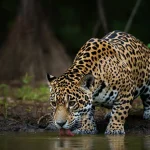
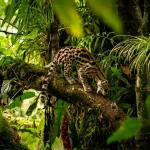
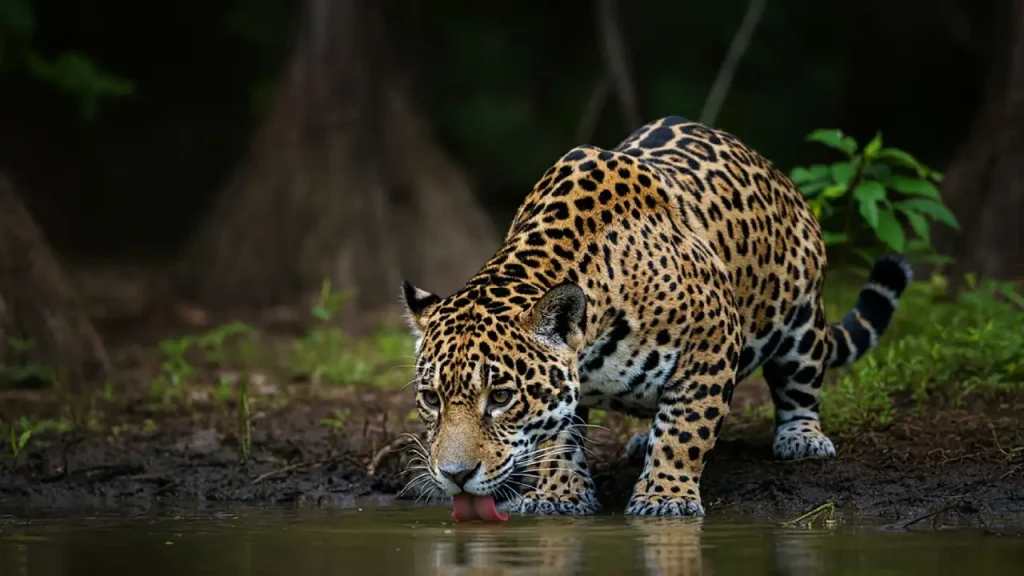
The probability of seeing jaguars on the Manu River is high during the dry season. At this time, you will see the cats resting on the sandy river beaches. This occurs especially when you go wildlife spotting in the Manu Reserved Zone.
However, the behavior of the jaguar facing river tourism in this area is more cautious. You will notice that the animal usually retreats into the forest if it perceives loud noises or sudden movements. To avoid this, we at Trails to Machu Picchu ask you to keep absolute silence during navigation.
Best sectors to see wildlife on the Tambopata River
On the other hand, the best sectors to see wildlife on the Tambopata River offer closer encounters. The jaguar here has become better accustomed to the controlled presence of tourist boats. Thanks to this, you will be able to take detailed photographs from a safe and respectful distance.
Added to this is the great work in the buffer zones of the reserve. There, the record of mammals in conservation concessions shows an amazing recovery of cats. To plan your search, consider these key points:
- Travel preferably between the months of July and September.
- Carry out river patrols very early in the morning.
- Look for fresh tracks on the wet banks.
Sightings of aquatic and terrestrial mammals
After the cats, other large mammals will capture your attention in the rivers and lakes. Both Manu and Tambopata have specific places where visibility is almost guaranteed.
Observation of giant river otters in Manu oxbow lakes
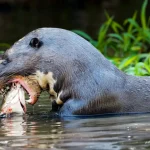
The observation of giant river otters in Manu oxbow lakes is a fascinating and organized activity. Oxbow lakes are ancient lakes where giant otters live in very noisy and active families. You will be able to see them hunt piranhas or play near their dens on the banks.
To protect them, you will navigate in oar-powered catamarans so as not to generate engine noise. This will allow you to get close enough without altering their social dynamics or stressing them out.

Frequency of tapirs at clay licks
On the other hand, if you are interested in large herbivores, the frequency of tapirs at clay licks is amazing. These animals visit specific places to lick mineral salts essential for their digestion. We recommend visiting the clay licks of Tambopata, where there are camouflaged observation platforms.
Because tapirs are nocturnal, your visit will require patience and low-light equipment. Follow these recommendations for your night at the clay lick:
- Wear dark-colored clothing to better blend in.
- Carry insect repellent that does not have strong odors.
- Use good aperture binoculars for low-light conditions.
Density and visibility of primates and peccaries
With this clear, let’s move on to the mammals you will see most frequently in the treetops. Monkeys and peccaries are the true protagonists of the noise in the lowland jungle.
Sighting of spider and howler monkeys
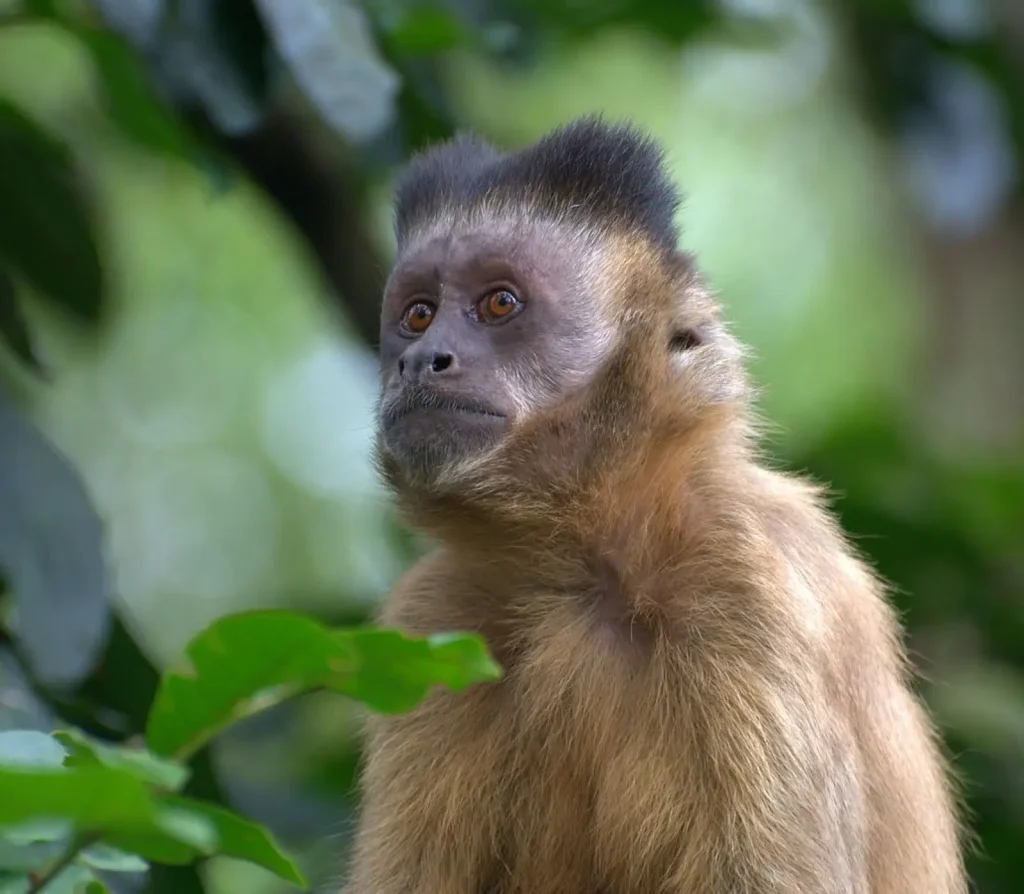
The sighting of spider and howler monkeys is constant in both destinations throughout the year. You will hear the powerful roar of the howlers marking their territory from several kilometers away. For their part, the spider monkeys will surprise you with their acrobatics at the very top of the canopy.
You will notice that the differences in habitat between Manu and Tambopata influence the number of species. Manu usually hosts up to thirteen different species of primates in the same area. In Tambopata, you will see larger groups of squirrel monkeys and capuchins near the lodges.
Encounters with peccaries and white-lipped peccaries in the lowland jungle
On the forest floor, encounters with peccaries and white-lipped peccaries in the lowland jungle are very exciting. These relatives of wild pigs move in groups that can exceed one hundred individuals. You will know they are nearby by the strong musky smell they leave in their wake.
Sometimes, you will see these large mammals in the Tambopata buffer zone crossing the trails. Keep in mind that they are social animals and tend to be very territorial if they feel cornered. For safety, we always ask you to keep a safe distance and follow your guide’s orders.
Scientific factors that affect your sightings
Another point worth reviewing is the science behind wildlife monitoring. Researchers use advanced technology to understand where the rarest animals hide.
Wildlife monitoring with camera traps in Tambopata
Wildlife monitoring with camera traps in Tambopata has revealed species that are rarely seen by tourists. According to a study by the San Diego Zoo Wildlife Alliance (2021), the jaguar density is very healthy. This confirms that conservation efforts in private concessions are working properly.
In practice, this means that animals feel safe in these protected areas. As a result, their presence near tourist routes has increased in recent years.
Impact of seasons
Animal visibility according to river levels changes drastically between seasons. In the rainy season, the forest floods and mammals disperse toward high ground.
Study areas
You will notice that much research is carried out in the conservation concessions of the region. These spaces serve as safe bridges for wildlife to move between national parks.
Plan your expedition with Trails to Machu Picchu
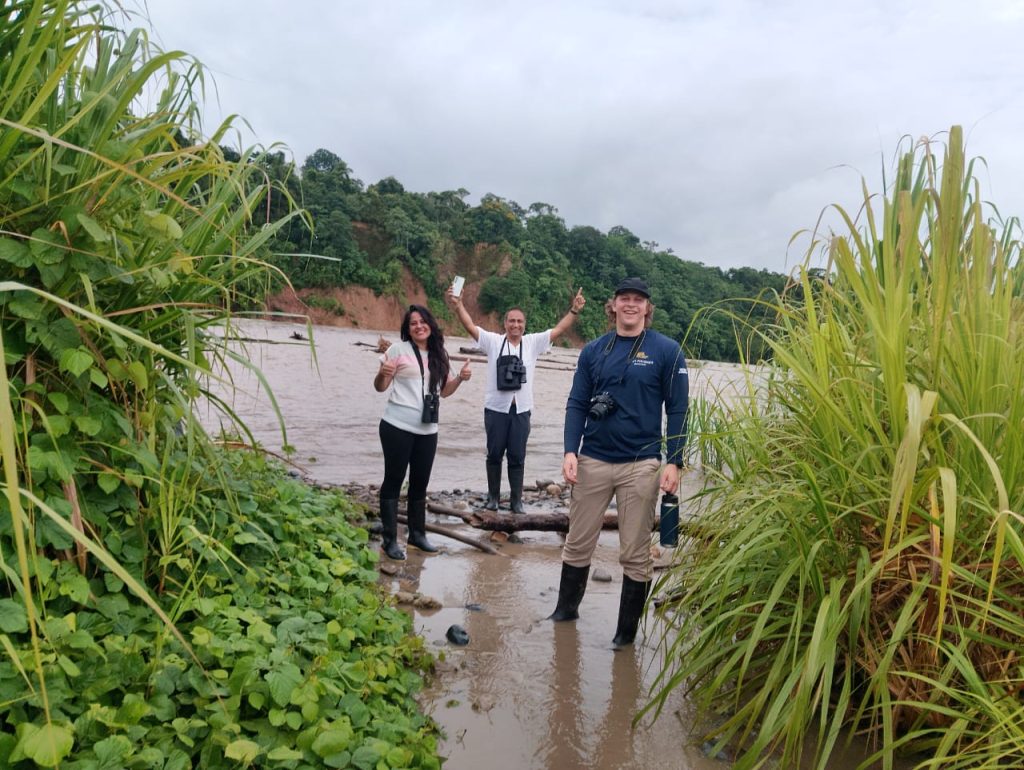
Finally, deciding on one destination or another depends on your profile as a traveler and adventurer. If you are looking for the highest probability of jaguar photos, Tambopata is usually the logistical winner. If you prefer the vastness of a virgin and historic forest, Manu will captivate you.
We at Trails to Machu Picchu help you organize every detail of this Amazonian journey. To secure your place in the best season, we suggest you follow these final steps:
- Define how many days you can dedicate exclusively to the jungle.
- Choose your sighting priority between cats, primates, or birds.
- Contact us to check the availability of the best local lodges.
- Prepare your camera equipment and appropriate clothing for humidity.
With this Manu versus Tambopata guide, you now have the tools to choose your next great adventure. We hope to see you soon exploring the rivers of our Amazon together with our professional team.