If you are planning your trip to Peru, resolving the question about where to sleep on the Inca Trail is an essential step. The answer depends directly on the route you choose for your trek. On the classic four-day version, the only permitted option is camping on the mountain. On the short two-day route, the overnight stay takes place in a regular hotel.
Trails to Machu Picchu can help you organize your Inca Trail experience according to the type of accommodation you prefer.
Regulations set by the Ministry of Culture and SERNANP prohibit building hotels along the mountain route. For this reason, the type of accommodation is entirely linked to the booked itinerary. Knowing the features of each option will help you prepare your trip properly.
The Experience of Camping on the Classic 4-Day Inca Trail
The classic route covers an approximate distance of 43 kilometers (26 miles). Along the way, travelers sleep in authorized campsites within the Historic Sanctuary of Machu Picchu. The team of porters carries the tents and sets them up before your arrival at each point.
The main campsites are strategically distributed according to the assigned trekking pace:
- Wayllabamba: It is usually the first rest point after setting off from Kilometer 82 in Piscacucho. It is located in a valley area at around 3,000 meters above sea level.
- Pacaymayo: This is the usual second campsite. It is located after descending Dead Woman’s Pass (Warmiwañusqa).
- Wiñay Wayna or Phuyupatamarca: These are the campsites for the third night. They are located at a lower altitude and closer to the final stretch.
In these areas, there are no hotel rooms or beds. Authorized tour agencies provide mountain tents designed to withstand the Andean climate. Sleeping pads are also included to place on the ground inside the tent.
Facilities and Conditions at Mountain Campsites
It is important to keep in mind that mountain facilities are basic. Campsites have public restroom facilities managed by conservation personnel. In most of these locations, there is no hot water available or mobile phone service.
Nighttime temperatures can drop significantly at higher altitudes. For this reason, having a sleeping bag suitable for cold weather is essential. Meals are served in a dining tent set up by the agency’s cooking team.
Staying in a Hotel on the Short 2-Day Inca Trail Route
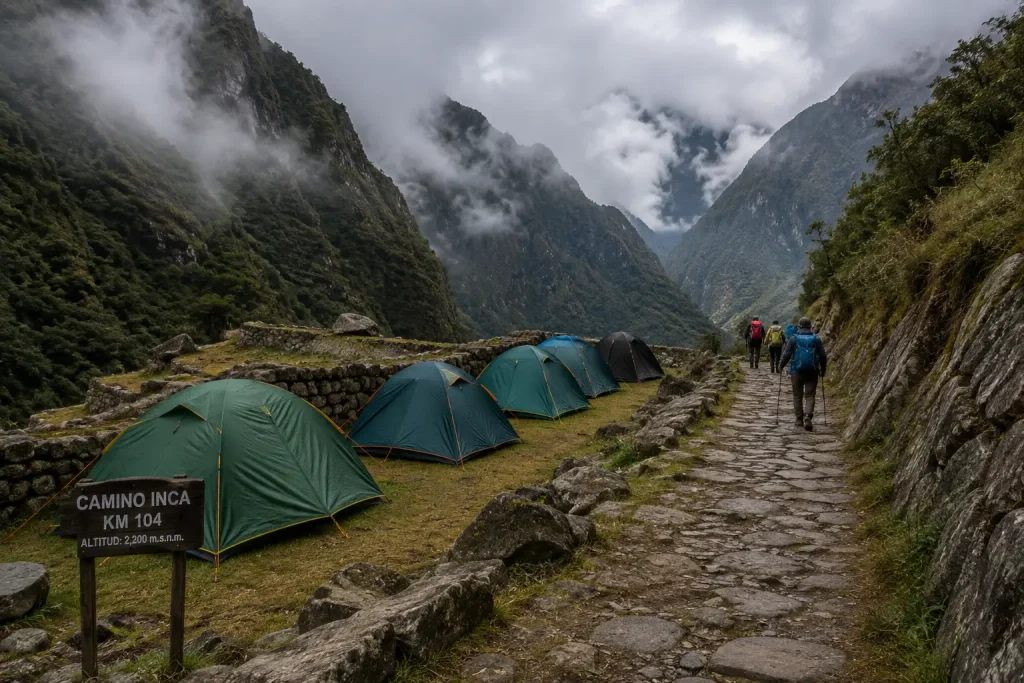
For those who prefer to rest in a traditional bed, the short Inca Trail with an overnight stay in town is the ideal alternative. This trek begins at Kilometer 104 of the railway line, near Chachabamba. On the first day, you hike for about six to seven hours until reaching Inti Punku (the Sun Gate).
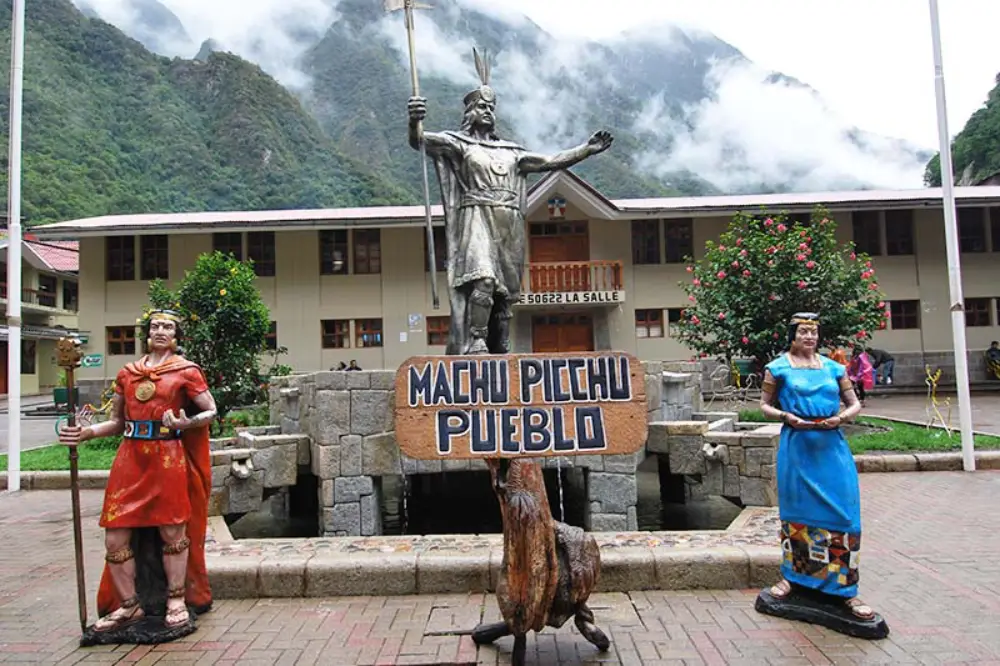
From the Sun Gate, you can view the archaeological site in the afternoon. Afterwards, the group descends by bus to Aguas Calientes, a town also known as Machu Picchu Pueblo. On the 2-day Inca Trail route, staying at a hotel in Aguas Calientes is the assigned option for the night.
Trails to Machu Picchu can also coordinate your Short Inca Trail itinerary with hotel accommodation in Aguas Calientes.
On this itinerary, camping equipment is not carried and you do not sleep on the mountain. This option allows you to rest in a town equipped with all services before returning to the Inca citadel the next day.
Amenities of Accommodation in Aguas Calientes
Accommodation in Aguas Calientes offers comforts that are not available on the classic trekking route:
- Private rooms with en-suite bathroom and hot water.
- Wi-Fi internet connection in most establishments.
- Beds with comfortable mattresses and warm blankets.
- Direct access to local restaurants, pharmacies, and shops.
This option eliminates the need to carry sleeping bags or heavy luggage for the night. Additionally, it makes it easy to recharge camera and mobile phone batteries.
Differences Between Camping and Staying in a Hotel on the Inca Trail
When evaluating Inca Trail accommodation options, the decision depends on each traveler’s profile. Choosing between camping or staying in a hotel on the Inca Trail directly affects the physical demand and necessary luggage.
Reviewing the differences between the 2 and 4-day Inca Trail helps define the best option for your trip:
- Physical exertion: The four-day route requires three intense days of trekking along steep trails. The short version requires only one day of moderate hiking.
- Type of rest: The long trek involves sleeping in tents on sleeping pads. The short trek includes a standard hotel room.
- Nighttime environment: Camping offers direct contact with Andean nature. Spending the night in town provides access to urban services and shops.
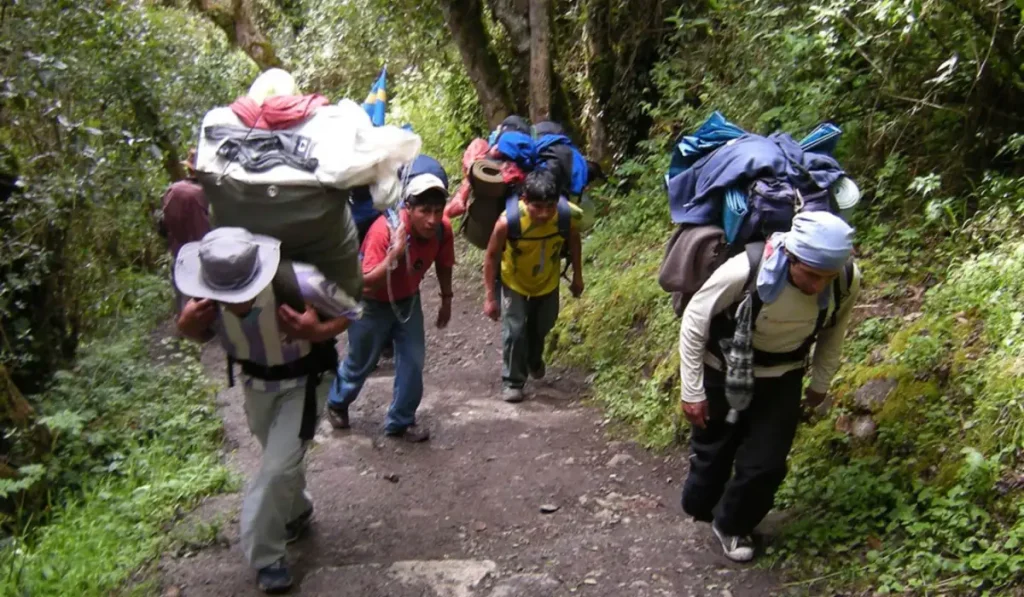
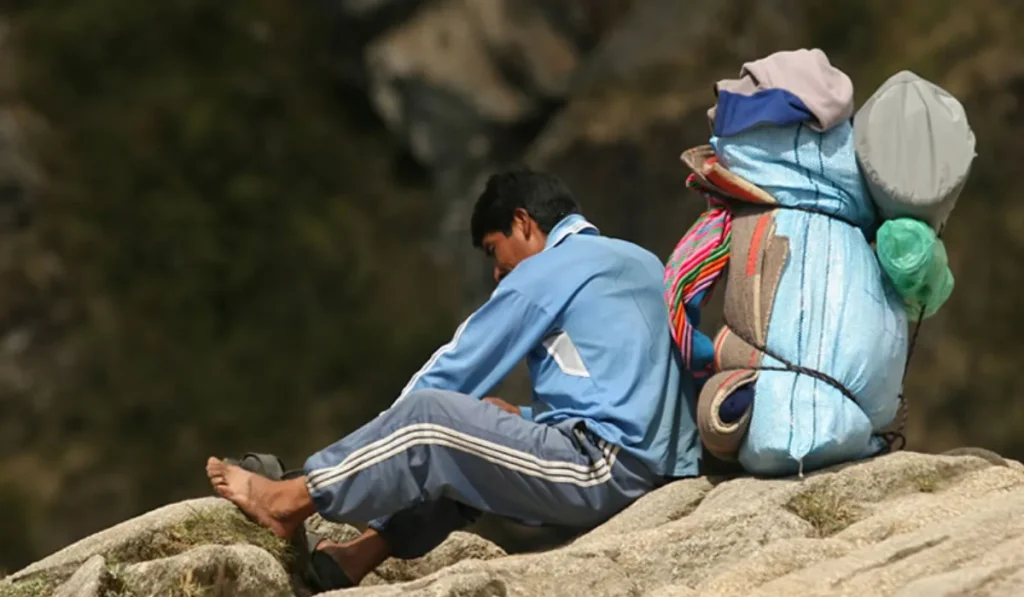
- Personal luggage: On the short route, you only carry a small daypack with daily essentials. On the long route, the agency handles main luggage with the help of porters.
Having these differences clearly in mind will help you choose an itinerary tailored to your physical condition and comfort preferences.
Factors for Choosing Where to Sleep Near Machu Picchu
If your priority is to sleep near Machu Picchu without spending several days camping, the short route is ideal. This format is convenient for family trips or travelers with limited time.
Conversely, the four-day route is preferred by trekkers seeking a traditional hiking experience. In this format, spending nights under the Andean sky is a central part of the trek.
For both options, official permits issued by the Peruvian government are required. Authorized operators like Trails to Machu Picchu handle managing campsite allocations or hotel reservations depending on the option chosen.
Tips for Ensuring a Good Night’s Rest During the Trek
To get the most out of either option, it is helpful to follow a few practical guidelines:
- If you are camping: Rent a sleeping bag rated for low temperatures. A compact inflatable pillow helps improve rest inside the tent.
- If you are staying in a hotel: Check the accommodation category included in your tour package. In Aguas Calientes, there are options for various budgets.
- For both options: Dress in layers and keep a dry set of clothes packed in your daypack for the evening.
Remember that permits for both routes are limited and sell out quickly. Booking your itinerary in advance ensures you secure the accommodation option that best fits your trip.
Trails to Machu Picchu can help you book and organize your route in advance, contact us.