Traveling to Manu National Park in February is a unique experience for nature lovers who want to discover the Peruvian Amazon during the rainy season. Although this month presents more challenges due to the weather, it also offers the possibility of enjoying green landscapes, abundant water in the rivers, and active biodiversity. For those who prepare properly, February becomes a favorable month to experience the jungle intensely, always considering safety recommendations and proper planning.
- Weather conditions in Manu National Park in February
- Best tours to Manu in February
- Excursions to Manu National Park during the rainy season
- Flora and fauna of Manu in February
- How to get to Manu National Park in February?
- Tips for visiting Manu in February
- What to bring to Manu National Park in February?
- Sustainable tourism in Manu in February
- Tour prices to Manu in February
- Travel experiences in Manu National Park in February
- Birdwatching in Manu in February
- Guided tours in Manu in February
- Recommendations for Manu in the low season
- Visiting the Amazon rainforest of Manu in February
- Frequently Asked Questions About Traveling to Manu National Park in February
- Our tours related to hiking to Machu Picchu
Weather conditions in Manu National Park in February
The Manu National Park weather in February is characterized by heavy rains, which are part of the wet season in the Amazon. During this month, rainfall is frequent, creating slippery paths and an increase in river flow. Relative humidity remains high, and the average temperature ranges between 22 and 30 degrees Celsius.
Although the weather may seem challenging, the humid environment favors the activity of many species. Animals such as monkeys, amphibians, and birds are often more visible during this period. In addition, the forests look lush and full of life. However, it is important to take extra precautions. Waterlogged ground and constant rain can make hiking difficult. Therefore, it is recommended to wear waterproof shoes and lightweight, quick-drying clothing.
In conclusion, the rainy season does not prevent tourism but requires proper preparation. The experience can be enriching for those who enjoy authentic contact with the Amazon rainforest.
Best tours to Manu in February
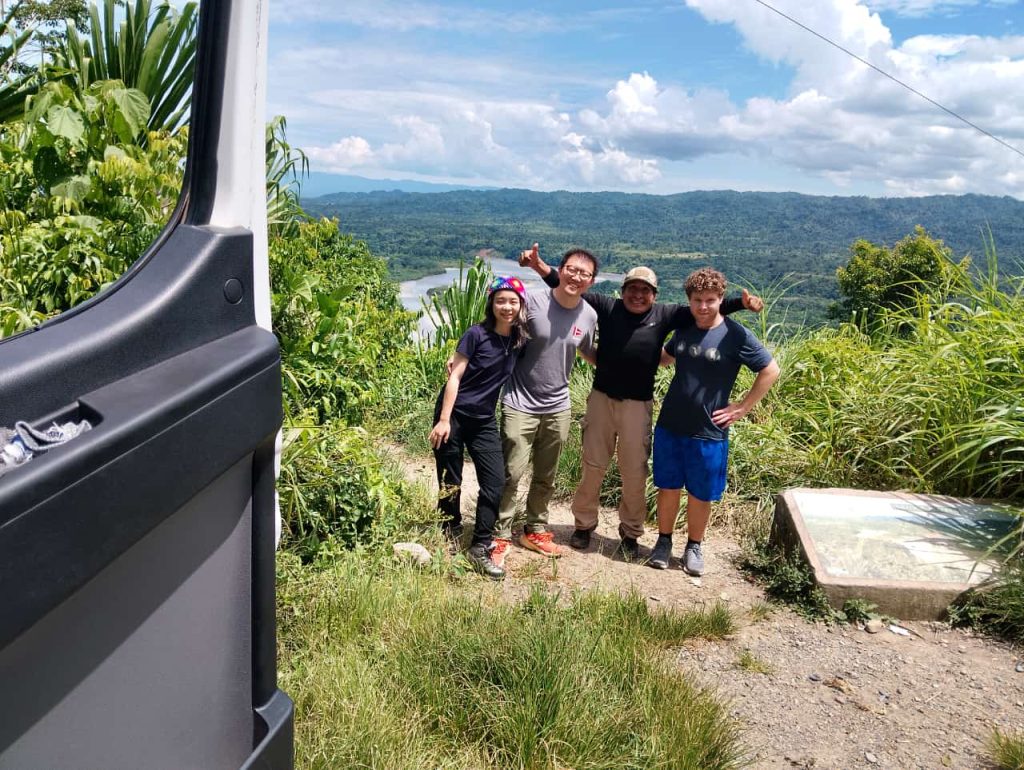
The best tours to Manu in February are adapted to weather conditions and route accessibility. Local agencies offer itineraries that usually combine land and river transportation, with accommodations in lodges within the buffer zone.
Some circuits focus on birdwatching, which is very popular this month, while others prioritize short hikes on safe trails. There are also tours that include cultural interpretation activities in Amazonian communities, allowing travelers to better understand the relationship between nature and tradition.
In February, tours tend to be more flexible in schedules and activities. Guides adapt the itineraries depending on river conditions and daily rainfall. This is an advantage since visitors receive a personalized experience adjusted to weather realities.
Therefore, choosing a specialized tour with experienced guides is essential to enjoy the trip without setbacks.
Excursions to Manu National Park during the rainy season
Excursions to Manu National Park during the rainy season require special logistics. River transfers are more frequent since land routes can become impassable. However, water access allows travelers to explore spectacular landscapes with great natural wealth.
During these excursions, visitors usually take short hikes in safe areas. Stops at birdwatching or mammal observation towers are also common. These structures allow for wildlife viewing without affecting the environment.
In addition, during the rainy season, tours focused on wildlife and landscape photography are organized. Cloudy skies provide soft light that enhances vegetation and animals. Guides recommend bringing cameras protected with waterproof covers to avoid humidity damage.
Thus, although the weather may seem like an obstacle, the excursion experience becomes an opportunity to see Manu from a different and enriching perspective.
Flora and fauna of Manu in February
The flora and fauna of Manu in February are fully active thanks to abundant rainfall. In this month, it is possible to observe migratory birds as well as endemic species searching for food. Toucans, macaws, and parrots stand out in colorful flocks.
As for mammals, howler monkeys and capuchins are frequent during excursions. Humidity also increases the presence of amphibians, especially brightly colored frogs. These animals become the stars of guided night walks.
Flora shows its maximum splendor during this season. Trees remain full of green leaves, and many plants bloom strongly. This contributes to a fresher environment and a diversity of natural scents.
Therefore, February is a privileged month for those seeking to observe the natural richness of Manu in its most authentic state.
How to get to Manu National Park in February?
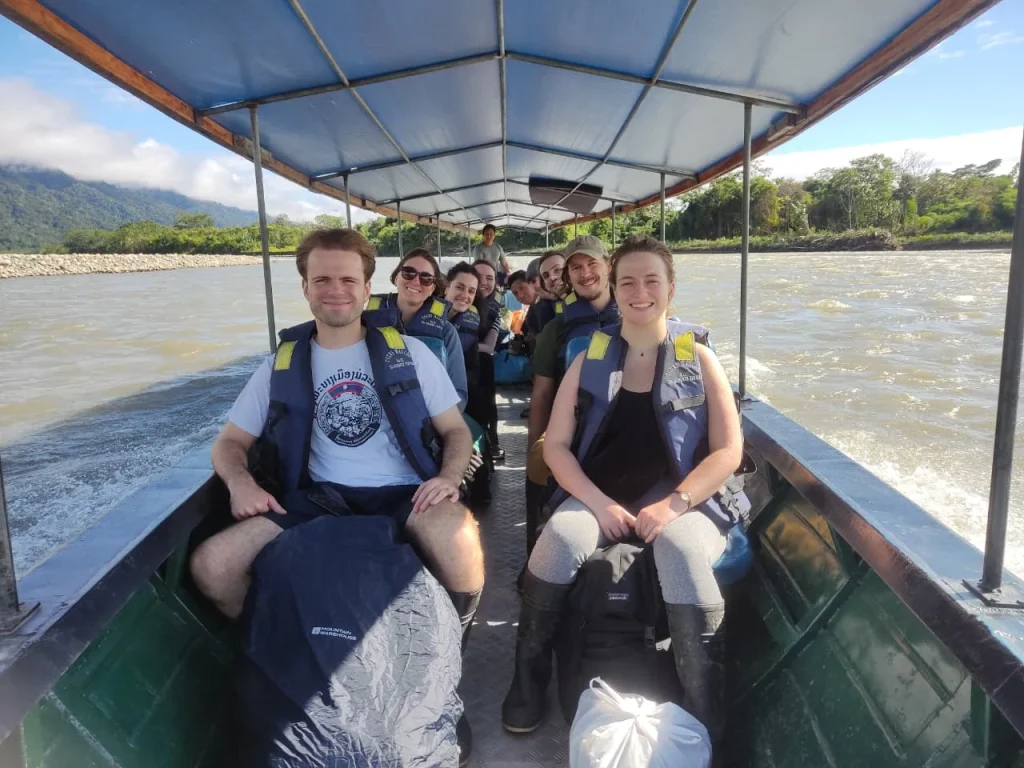
Getting to Manu during the rainy season requires planning. How to get to Manu National Park in February depends on the type of access available under weather conditions. There are two main routes: the land route from Cusco to the town of Pilcopata or Atalaya, and the river route through the Madre de Dios River.
At this time, road transport may experience interruptions due to landslides or flooding. For this reason, many agencies combine sections by vehicle with sections by boat. Although longer, this journey allows travelers to experience the transition from the Andes to the jungle with breathtaking landscapes.
The safest option for travelers is to book a tour with included transportation. Agencies are aware of route changes and manage logistics in case of unforeseen events. This ensures safety and continuity of the experience.
In short, traveling to Manu in February is possible but requires readiness for flexible routes and itinerary changes.
Tips for visiting Manu in February
The tips for visiting Manu in February are based on prevention and comfort. First, it is essential to bring lightweight, breathable, and quick-drying clothing. It is also advisable to include a waterproof poncho to protect against sudden rains.
Second, it is recommended to bring proper footwear, preferably waterproof trekking boots. These provide safety on slippery trails and protect against insects or small bites.
Another important tip is to carry mosquito repellent and sunscreen. Even if the sky is cloudy, radiation in the Amazon can be high. A headlamp for night hikes is also advisable.
Finally, flexibility is key. Itineraries in February may change due to heavy rain. Being willing to adapt makes the experience more enjoyable.
What to bring to Manu National Park in February?
Making a proper packing list is essential. What to bring to Manu National Park in February includes basic items and accessories that facilitate the experience.
- Lightweight, quick-drying clothing
- Waterproof poncho
- Waterproof trekking boots
- Insect repellent
- Sunscreen
- Headlamp with spare batteries
- Reusable water bottle
- Personal medications
- Waterproof backpack or rain cover
These items ensure comfort and safety during excursions. They also make it easier to adapt to humid weather. Being well-prepared makes the difference between a complicated trip and a positive experience.
Sustainable tourism in Manu in February
Sustainable tourism in Manu in February is especially important due to the fragility of the Amazon ecosystem. Visitors must follow basic recommendations, such as not leaving waste, avoiding disposable plastics, and respecting wildlife.
In addition, it is advisable to hire local tourism services that promote conservation. Many communities offer lodging and guiding services under sustainability principles. This contributes to the local economy and rainforest preservation.
During the rainy season, soils are more vulnerable to erosion. Therefore, it is necessary to respect established trails and avoid creating new ones. Every responsible action helps maintain the natural balance of Manu.
Tour prices to Manu in February
The tour prices to Manu in February tend to be lower than in high season. Due to reduced demand, many agencies offer promotions and discounts. This is an opportunity for those seeking a complete experience on a tighter budget.
Costs vary depending on the duration of the tour. Three-day programs are usually more affordable, while week-long expeditions include more comprehensive services. Prices also depend on lodging category and transportation.
In general, February is an ideal month to access more affordable packages, always considering that weather may alter itineraries.
Travel experiences in Manu National Park in February
The travel experiences in Manu National Park in February are marked by authenticity. Visitors often highlight the intensity of the humid jungle, the constant sound of wildlife, and the tranquility of mighty rivers.
Many travelers consider birdwatching one of the most memorable moments. The spectacle of macaws and toucans flying over the Amazon sky is unforgettable.
Others mention the hospitality of local communities, which offer a real glimpse into Amazonian customs. These cultural experiences complement the contact with nature.
Therefore, those who travel in February find a less crowded environment, with more space to enjoy the landscape in peace.
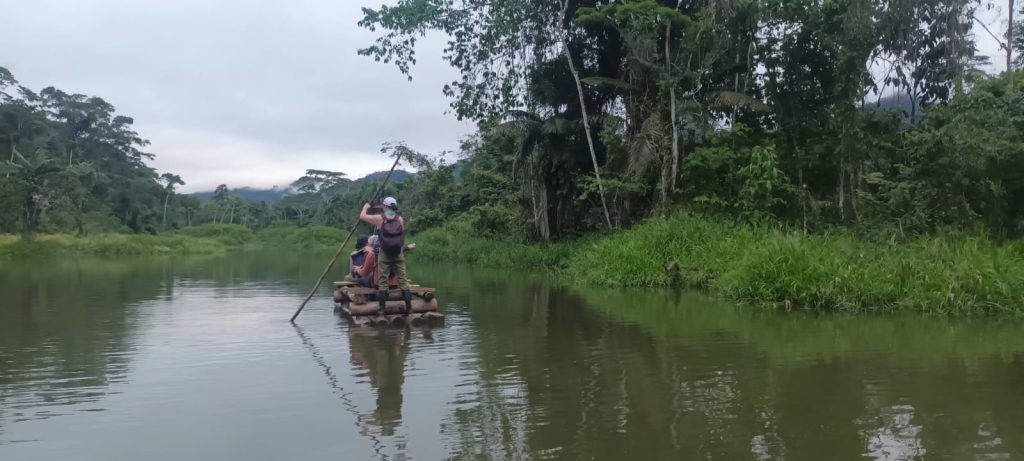
Birdwatching in Manu in February
Birdwatching in Manu in February is one of the most recommended activities. This park is home to more than a thousand registered species, making it one of the most important destinations worldwide for this activity.
In February, the abundance of fruits and seeds attracts numerous birds. Macaws, toucans, hummingbirds, and herons are just some of the highlights. Expert guides know how to identify strategic spots to maximize the experience.
In addition, tours usually include visits to clay licks, areas where parrots and macaws gather to consume mineral salts. These places offer a unique natural spectacle.
The combination of humid weather and abundant food makes February a privileged month for birdwatchers.
Guided tours in Manu in February
The guided tours in Manu in February are the safest option for exploring the park. Guides know the weather patterns and the best alternatives in case of impassable trails.
These tours include transportation, meals, and lodging, which makes organizing the trip easier. They also provide information about biodiversity and local culture, enriching the visitor’s experience.
During the rainy season, guides adjust schedules and activities to ensure safety. This includes prioritizing boat transfers and choosing trails less exposed to landslides.
Therefore, choosing a guided tour in February provides peace of mind and a deeper understanding of the Amazon environment.
Recommendations for Manu in the low season
The recommendations for Manu in the low season focus on taking advantage of fewer tourists. In February, trails and lodges are less crowded, allowing for a more relaxed experience.
The main recommendations include booking with agencies operating during the low season, bringing quality waterproof gear, and maintaining a flexible attitude toward itinerary changes.
This period is ideal for travelers seeking a closer connection with nature without crowds around.
Visiting the Amazon rainforest of Manu in February
Visiting the Amazon rainforest of Manu in February means entering an authentic and challenging environment. Visitors will encounter mighty rivers, humid trails, and a vibrant jungle in full motion.
The rains turn the landscape into a green mosaic full of life. Although weather conditions require preparation, the reward is discovering the Amazon in a less touristy and more natural state.
For many travelers, this experience becomes an opportunity for direct connection with biodiversity. With the guidance of expert guides, February is a viable and enriching month to discover Manu.
Frequently Asked Questions About Traveling to Manu National Park in February
1. How long is the journey from Cusco to Manu National Park?
The journey from Cusco to Manu National Park usually takes between 8 to 10 hours by land, depending on road conditions and stops along the way. The trip includes mountain routes and descent into the cloud forest, which makes the experience unique but also slower than a standard road trip.
2. Are there restrictions to enter Manu during the rainy season?
Yes, during the rainy season, especially in February, some roads and trails may be closed due to flooding or landslides. However, the park remains open, and access is usually allowed with the guidance of an authorized tour operator. Visitors should be prepared for possible schedule changes.
3. What vaccines are recommended before traveling to Manu in February?
It is recommended to have vaccines against yellow fever, hepatitis A, and typhoid before visiting Manu. Although vaccination is not strictly mandatory, it is highly advised due to the tropical environment and possible exposure to mosquito-borne diseases.
4. Is camping allowed inside the park during this month?
Camping is only allowed in designated areas within Manu National Park, and always under the supervision of an authorized guide. During February, due to the heavy rains, it is less common to camp, and most visitors prefer to stay in eco-lodges or shelters in the buffer zone for greater safety and comfort.
5. What type of accommodation is available in the buffer zone?
In the buffer zone of Manu, travelers can find eco-lodges, hostels, and some basic family-run accommodations. Most options are designed to integrate with the natural environment and offer services such as guided tours, meals, and transport assistance.
For more information, please contact us.
Our tours related to hiking to Machu Picchu
- Machu Picchu Day Trip from Cusco: Explore the Ancient Wonder
- Machu Picchu Inca Trail Tours – 4 Day Inca Trail
- 5 Day Salkantay Trek to Machu Picchu – Salkantay Trek Peru
- Lares Trek to Machu Picchu – Lares Peru