Visiting the Manu National Park in January is a decision that sparks excitement and, at the same time, uncertainty. This month falls right in the rainy season, and although that intense greenery and the living nature have a special appeal, it also brings challenges worth considering. Below, I share a simple, honest, and helpful guide on why January may be a good option… or not, depending on your priorities.
- 1. Lush greenery and active wildlife visiting Manu National Park in January
- 2. Fewer tourists, more tranquility
- 3. The complicated side of the rain
- 4. Hot and humid climate
- 5. More insects: prevention is necessary
- 6. Organized tour and logistical advantages
- 7. Authentic experience and connection with communities
- 8. Is it a good idea to visit in January?
- Practical summary
- Tips for visiting in January
- Frequently asked questions you should know before visiting Manu National Park in January
- Our Related Tours about Manu and wildlife
1. Lush greenery and active wildlife visiting Manu National Park in January
Main advantages:
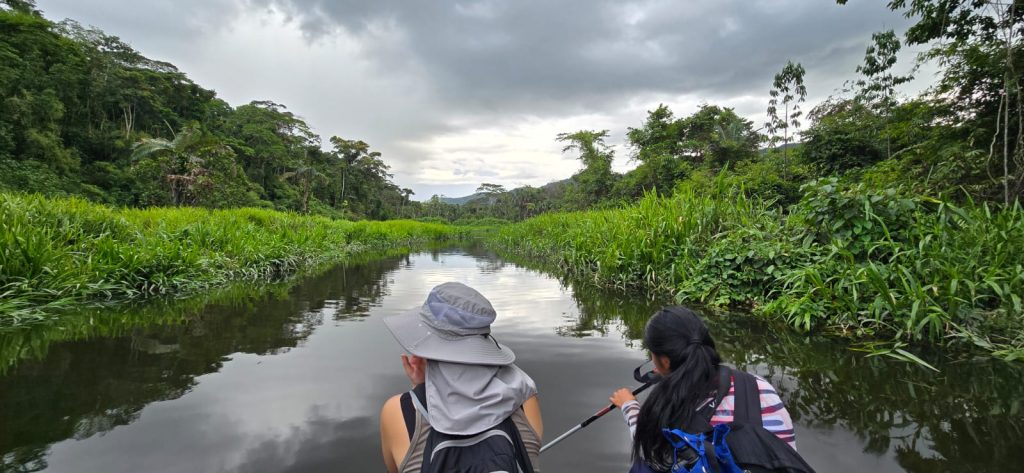
January is within the rainy season, and that paints every corner of Manu with a deep green. The vegetation is in full exuberance, and the clay licks —places where macaws and other birds gather— are vibrant and full of color.
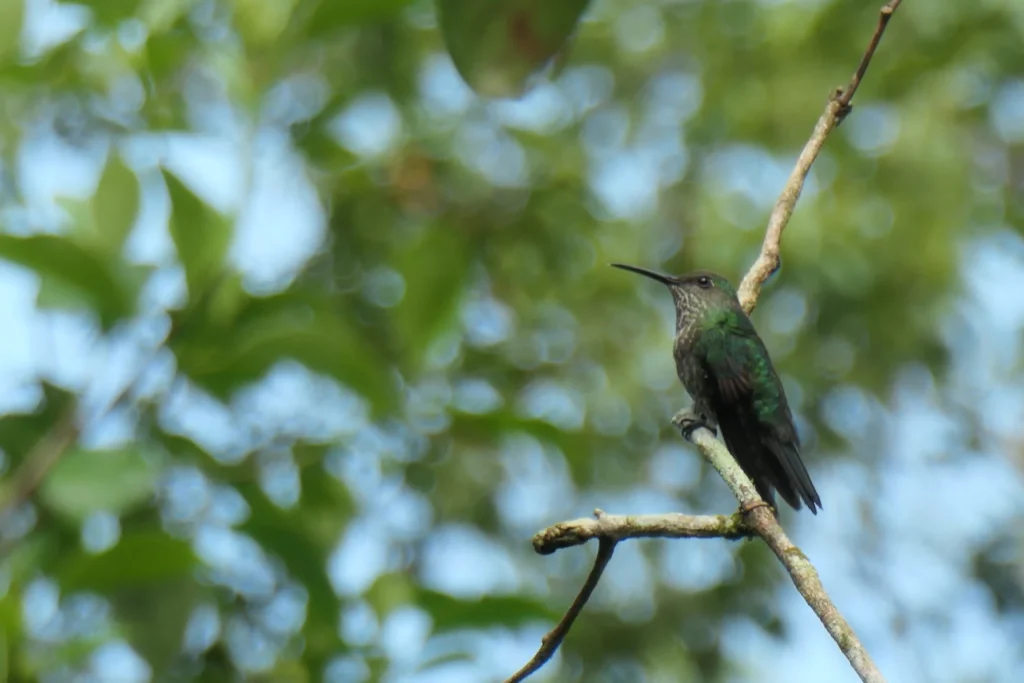
The jungle is alive: wildlife moves more, there are more fruits, which attracts birds and mammals along the rivers and clay licks. You will be able to hear a concert of natural sounds at dawn: monkeys, birds, water. It is an unforgettable sensory experience.
2. Fewer tourists, more tranquility
January is not high season. This means fewer visitors, less-traveled routes, and a more intimate environment to connect with nature. If you prefer peace and contemplative moments instead of crowds, January offers you that.
3. The complicated side of the rain
Real disadvantages:
Rain in January is constant and heavy: it averages about 212 mm during the month, and it usually rains about 15 days. That causes the trails to be muddy, slippery, and in some cases even flooded. Hiking becomes more demanding.
Also, the rivers swell. Although this facilitates water access, at the same time it can cut off roads and change itineraries. Land accessibility can become complicated.
4. Hot and humid climate
It is likely that during the day temperatures reach 30 °C, while at night they drop to around 21 °C. The air is heavy with humidity, and that makes the heat feel denser. Staying hydrated and resting at appropriate times is essential.
5. More insects: prevention is necessary
Humidity favors the proliferation of mosquitoes and other insects. Having DEET-based repellent, wearing long sleeves, and sleeping under mosquito nets becomes indispensable. It is also recommended to get vaccinated against yellow fever and consider prophylaxis for malaria after consulting a doctor.
6. Organized tour and logistical advantages
Manu only allows access through authorized tours. This preserves the park, protects you, and guides you on safe routes. With a local guide, you will have more opportunities to see animals, understand the environment, and avoid risks.
Many lodges or the tour itself include equipment such as waterproof boots or ponchos, which is very useful in January. Access is usually from Cusco or Puerto Maldonado, and logistics combine road and boat travel.
7. Authentic experience and connection with communities
Another valuable point: the scarcity of tourists allows you a calmer experience, even with cultural contact with communities like the Matsiguengas. For many, listening to the jungle, sleeping under simple roofs, and waking up to jungle sounds is part of the charm.
8. Is it a good idea to visit in January?
It depends on you. If what you are looking for is comfort, dry trails, fewer mosquitoes, and less extreme weather, the dry season (May to October) is a better option.
But if you want an intense, wild, authentic experience, with green landscapes, few people, and active wildlife, January may surprise you.
Practical summary
| Aspect | Advantages (January) | Disadvantages (January) |
|---|---|---|
| Vegetation and landscape | Intense green, vibrant jungle | — |
| Wildlife and observation | More animal activity, natural sounds | More dispersed wildlife, greater difficulty |
| Crowds | Very few people | — |
| Climate | — | Frequent rains, muddy trails |
| Temperature and humidity | — | Humid heat, discomfort |
| Insects | — | Mosquitoes, health risk |
| Access and tour | Adaptable tours, river access | Slippery roads, itinerary changes |
| Cultural contact | Peace, connection with communities | — |
Tips for visiting in January
- Book the tour and lodging in advance.
- Prepare the right gear: quick-drying clothes, rain gear, boots, repellent, flashlight, binoculars, protected camera.
- Get vaccinated against yellow fever, consider malaria prevention, and carry travel insurance.
- Stay flexible: the weather can alter itineraries.
- Protect your belongings: use waterproof bags; carry snacks, water, and extra underwear.
Frequently asked questions you should know before visiting Manu National Park in January
1. Is January a good time to visit Manu National Park?
Visiting Manu National Park in January can be an enriching experience if you are prepared for the weather. Although it is part of the rainy season, this month offers lush vegetation, intensely green landscapes, and fewer tourists. The wildlife is active, especially birds at the clay licks, and there is a feeling of authentic connection with nature. However, visitors must be willing to deal with muddy trails and possible route adjustments due to weather conditions.
2. What should I bring for a trip to Manu in January?
Proper preparation is key to enjoying your trip in January. It is important to bring waterproof and quick-drying clothes since rain is frequent. Waterproof trekking boots are essential for walking on muddy trails. It is also recommended to pack a DEET-based insect repellent, sun protection, hat, headlamp, dry bags to protect electronic devices, and a comfortable waterproof backpack. If the tour does not provide a poncho, bring a lightweight and durable one.
3. Do tours to Manu National Park operate normally in January?
Yes, tours to Manu National Park continue operating in January, although many agencies adjust their itineraries due to rain. Some rivers rise and facilitate river transport, but in other cases may prevent passage on certain routes. Authorized agencies are prepared to adapt tours, and local guides know the area well. If you travel during this month, it is advisable to choose an operator experienced in wet season travel.
4. Are there mosquitoes and risks of diseases like malaria or leishmaniasis?
During January, due to high humidity and rain, there is a higher presence of mosquitoes and other insects. Although the risk of contracting malaria or leishmaniasis in the area is low, it is still important to take precautions. It is recommended to use a strong repellent, preferably with DEET or Icaridin, and wear long-sleeved clothing both day and night. It is also wise to consult a doctor about the yellow fever vaccine and consider antimalarial prophylaxis if deemed necessary, especially if visiting areas outside common tourist circuits.
5. How to properly organize your visit to Manu National Park in January?
To properly organize your trip in January, the most important thing is to book in advance through specialized agencies with official permission to operate in the park. Inform yourself about the available routes during the rainy season and choose a tour that includes appropriate equipment (such as boots, poncho, or basic first aid kit). It is advisable to have flexibility in dates and be willing to modify itineraries due to weather conditions. Don’t forget to bring travel insurance covering medical assistance and weather-related cancellations. Careful planning is key to enjoying the experience without setbacks.
For more information, please contact us.
Our Related Tours about Manu and wildlife
- Machu Picchu Inca Trail Tours – 4 Day Inca Trail
- Manu National Park 2 Days Tour – Discover the Heart of the Peruvian Amazon
- Manu National Park 3 Days Tour – Discover the Heart of the Peruvian Amazon