
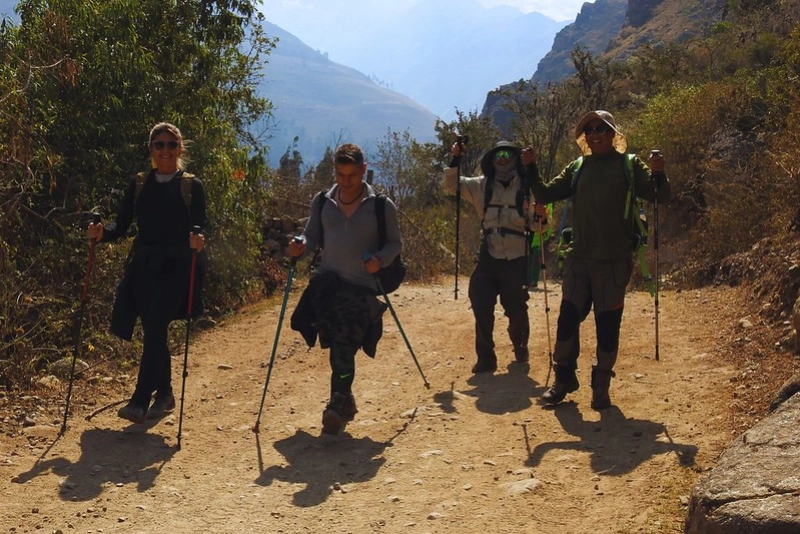
Physical preparation for long walks is an essential aspect for those who wish to hike the historic Inca Trail to Machu Picchu. This famous Andean path combines demanding sections, steep slopes, and high passes, making it a real challenge even for travelers with trekking experience. Therefore, planning ahead and developing progressive training is essential to enjoy the route safely, comfortably, and energetically. Adaptation not only involves cardiovascular endurance but also muscle strength, flexibility, and proper acclimatization to altitude. Physical preparation for the Inca Trail should focus on strengthening the body’s abilities and reducing the risk of injuries or exhaustion. In addition, including specific routines of training for long walks in Machu Picchu allows travelers to enjoy the journey, admire the landscapes, and arrive at the Inca citadel with the satisfaction of completing one of the world’s most iconic hikes.
Importance of physical preparation for the Inca Trail
The Inca Trail is considered one of the most demanding routes in South America. Each hiking day involves several hours on the trail, with continuous climbs and long descents. Adequate physical preparation for long walks allows the body to adapt to constant effort and maintain good performance at every stage. Tourists who rely only on motivation often suffer from extreme fatigue, muscle pain, and breathing difficulties. That’s why physical condition for the Inca Trail must be developed in advance, ideally at least two or three months before the trip. A progressive training plan helps increase cardiovascular endurance, strengthen the legs, and improve posture while walking. Physical preparation before Machu Picchu includes long walks on uneven terrain, bodyweight strength exercises, and stretching to maintain flexibility. Therefore, the higher the level of prior conditioning, the more enjoyable and safer the experience will be.
Factors that influence physical performance
- Level of cardiovascular endurance
- Muscle strength in legs and back
- Flexibility of joints and tendons
- Adaptation to altitude and Andean climate
- Walking pace and breathing technique
Exercises to strengthen endurance in walks
One of the keys to physical preparation for long walks is constant work on cardiovascular endurance. The Inca Trail crosses mountain passes that exceed 4,000 meters in altitude, which increases walking difficulty. To improve lung capacity and reduce fatigue, it is recommended to perform aerobic exercises regularly. Long-distance walking in parks, cycling, or light jogging sessions are useful activities to condition the body. Likewise, exercises to improve endurance in walks should be combined with strength routines. Stair climbing, squats, and bodyweight training help strengthen the muscles that will sustain the effort for several days. This type of endurance training for trekking is fundamental because it prevents injuries in knees and ankles. Consistency is key, since only with progressive training can a stable and safe walking rhythm be maintained on mountain routes.
Recommended exercises for training
- Long walks on natural trails
- Road or mountain cycling
- Light jogging for 30 to 45 minutes
- Stair climbing with light weight
- Squats, lunges, and dynamic stretches
Physical preparation for high-altitude hiking
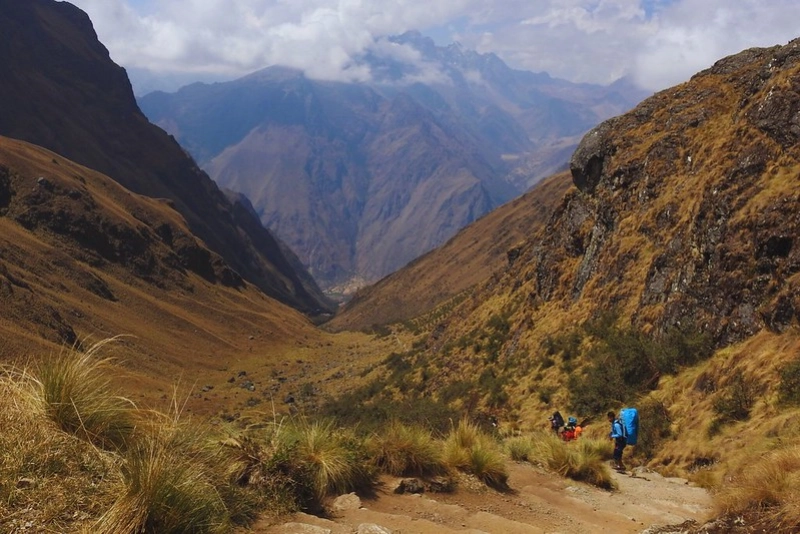
Hiking in the Andes presents an additional challenge: altitude. The reduction of oxygen in the air directly affects the body’s ability to exert effort. For this reason, preparation for high-altitude hiking must be considered as an essential part of training. Tourists who live in low-altitude places should plan ahead and practice on local hills or mountains. Although it is not always possible to train at the same altitude as the Inca Trail, any prior experience in elevated environments will help improve the body’s tolerance. Progressive acclimatization is essential; therefore, it is recommended to arrive a few days before in Cusco so the body can adapt to the Andean environment. This strategy reduces the risk of altitude sickness and increases the chances of completing the hike successfully. Physical preparation for trekking in the Andes should include deep breathing exercises, constant hydration, and a balanced diet that supports muscle recovery.
Practical recommendations for acclimatization
- Arrive in Cusco at least 48 hours before the hike
- Maintain constant hydration
- Get enough sleep to recover energy
- Avoid intense effort during the first days
- Eat light and nutritious foods
Training tips for long walks
Previous training is not only about endurance and strength, it also includes walking techniques and healthy habits that make a difference. Following training tips for long walks helps optimize physical effort and maintain energy throughout the hike. An important recommendation is to learn to walk at a steady pace without rushing, since excessive speed generates premature fatigue. In addition, practicing with the same shoes that will be used on the Inca Trail is essential to avoid blisters and discomfort. Including the use of light backpacks in the training routine helps prepare the back and shoulders for the load. Finally, stretching after each practice session maintains flexibility and reduces muscle stiffness. Physical preparation for the Inca Trail should not be limited to physical effort, it also requires discipline, consistency, and healthy habits that ensure a safer experience.

Habits that complement training
- Walk with progressively weighted backpacks
- Use the final footwear during practice
- Maintain a balanced diet
- Perform daily stretches
- Control breathing while walking
Health recommendations for the Inca Trail
Health is an inseparable component of physical preparation for long walks. The body must be in optimal condition to face several hours of daily effort in altitude and variable weather conditions. For this reason, a medical check-up is recommended, especially for people with a history of cardiovascular or respiratory conditions. Exercises for trekking in Peru should be complemented with healthy practices such as proper nutrition and regular rest. Avoiding excessive alcohol or heavy foods before the trip helps the body stay balanced. Carrying a personal first aid kit with basic medications is also essential to prevent setbacks. Among the health recommendations for the Inca Trail are sun protection, continuous hydration, and controlling the backpack’s weight. Every detail contributes to maintaining the traveler’s safety and enjoying an unforgettable journey to Machu Picchu.
Essential health tips for the hike
- Get a prior medical check-up
- Protect yourself with sunscreen and a hat
- Maintain good hydration
- Control the backpack’s weight
- Get enough sleep throughout the trip
How to be in shape for Machu Picchu?
The ultimate goal of the hike is to reach the Inca citadel with energy and satisfaction. Achieving this goal requires consistency, discipline, and organized planning. Physical preparation for long walks should begin well in advance, preferably three months before the trip. During this time, travelers should combine cardio, strength, and flexibility routines, gradually adjusting intensity. Hiking in local hills or walking on uneven terrain is an excellent way to simulate the real conditions of the Inca Trail. In addition, including deep breathing routines helps improve oxygenation and maintain calm during the most demanding sections. In this context, the clearest guide on how to be in shape for Machu Picchu is to stay motivated, respect one’s own pace, and listen to the body. Only in this way does the experience become a personal achievement full of learning and satisfaction.

Frequently Asked Questions About Physical preparation for long walks
1. How long before the trip should training begin?
It is recommended to start at least three months in advance to ensure proper physical preparation for long walks. This period allows the body to gradually improve endurance, strength, and flexibility. Starting early also helps reduce the risk of injuries and ensures that travelers feel more confident during the Inca Trail.
2. Is it necessary to train with backpacks during preparation?
Yes, using progressively weighted backpacks is highly beneficial, as it helps condition the back and shoulders for the hike. Training in this way allows travelers to adapt to the weight they will carry and avoid discomfort during long walking days. It is important to begin with light loads and increase the weight gradually.
3. What type of footwear is most suitable for the Inca Trail?
The best option is trekking shoes with good ankle support and non-slip soles. This type of footwear provides stability on uneven terrain and prevents injuries. It is also advisable to use shoes during training sessions before the trip, so they are already adapted to the feet and avoid blisters.
4. Can the Inca Trail be completed without prior trekking experience?
It is possible, but it requires discipline, good health, and proper physical preparation before Machu Picchu. Even beginners can complete the trail if they follow a consistent training plan and take acclimatization seriously. However, having previous experience in long walks or short hikes will make the journey easier and more enjoyable.
5. How important is acclimatization in Cusco before the hike?
It is essential, as it allows the body to adapt to altitude and reduces the risk of altitude sickness. Spending at least two days in Cusco before starting the hike gives the body time to adjust. During this period, it is recommended to rest, stay hydrated, and avoid heavy physical exertion to prepare properly for the trail.
For more information, please contact us.