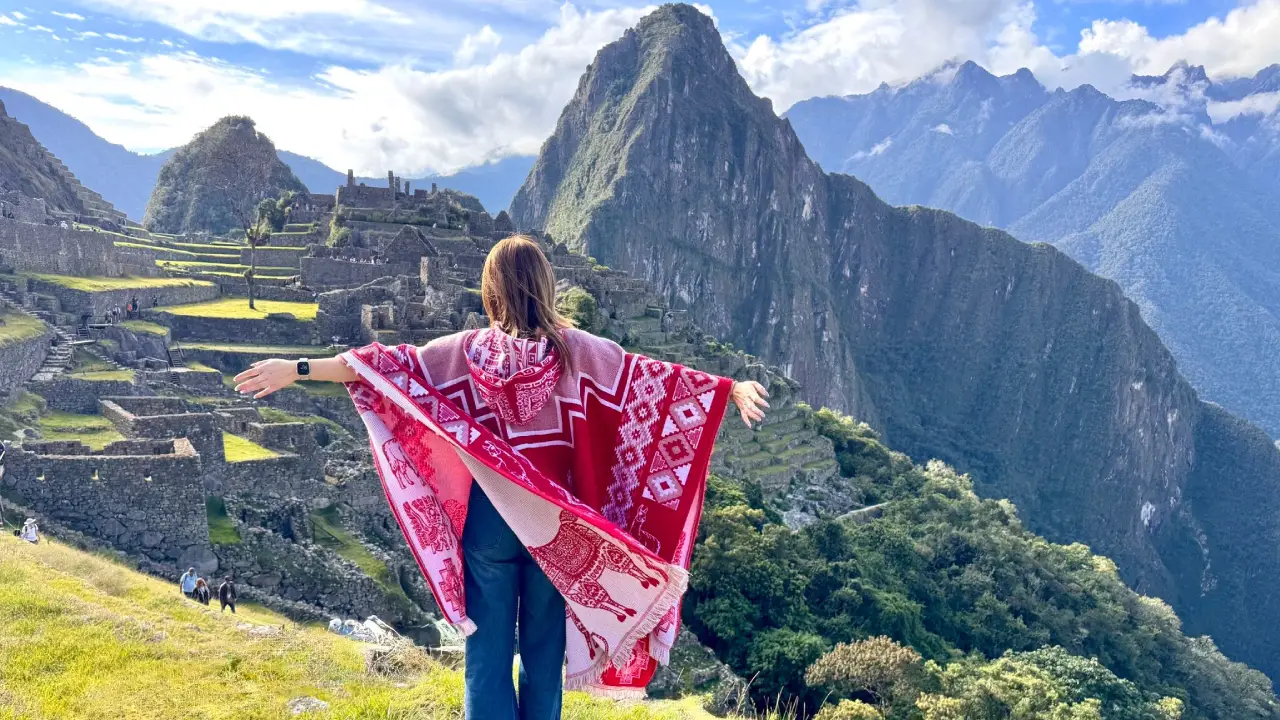
Hiking to Machu Picchu is one of the most exciting experiences for those wishing to discover the Inca citadel in a unique way. However, before choosing from the many mountain routes to Machu Picchu, many travelers ask themselves: how difficult is it? The answer depends on various factors, such as altitude, the duration of the hike, and the traveler’s physical fitness.
That is why it is important to have reliable information and recommendations regarding the main mountain routes to Machu Picchu. At Trails to Machu Picchu, we explain you how to prepare so you can enjoy this experience safely.
What makes the mountain routes to Machu Picchu challenging?
Mountain routes to Machu Picchu can vary in difficulty depending on factors such as altitude, weather, the length of the trek, and the traveler’s physical fitness. While prior experience with long-distance hiking isn’t strictly necessary, being in good physical shape is highly recommended.
At Trails to Machu Picchu, we have guided dozens of travelers on their adventures. We know that altitude—and the terrain leading to it—is a major factor influencing difficulty. Although the sacred Inca citadel of Machu Picchu sits at 2,430 meters above sea level, some hiking routes traverse much higher elevations.
- Routes like the Inca Trail reach high points such as Warmiwañusca Pass (Dead Woman’s Pass), which sits at an altitude of 4,215 meters above sea level.
- Trekking routes like the Salkantay Trek take you to Salkantay Pass; this impressive location lies between 4,600 and 4,650 meters above sea level.
- The Lares Trek to Machu Picchu is a lesser-known route and the only one that begins with a relaxing soak in the Lares hot springs. However, it also features a high point at Pachacutec Pass (or Pachakuteq Pass), reaching an altitude of 4,700 meters above sea level.
The mountain routes to Machu Picchu are undoubtedly thrilling experiences that you should undertake at least once in your lifetime. To fully enjoy every step, remember the importance of physical preparation and acclimatizing in Cusco beforehand. Remember, traveler: proper preparation is the key to enjoying your hike to Machu Picchu.
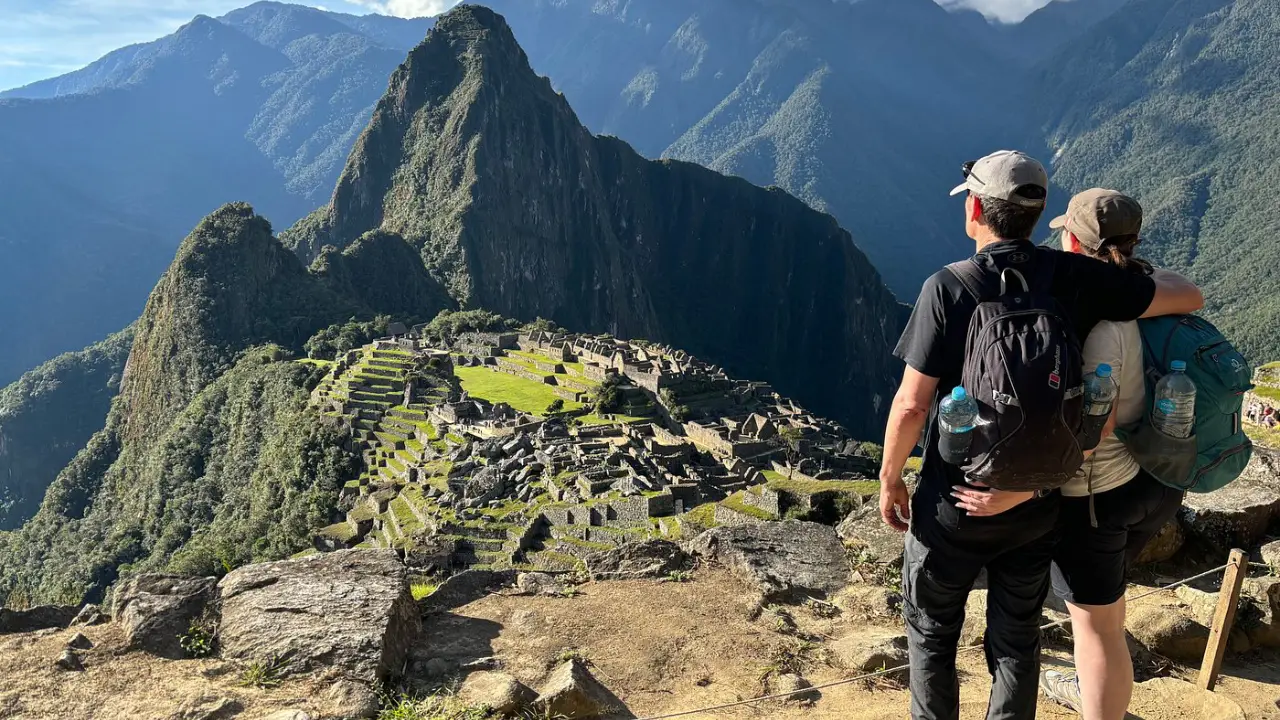
Do all mountain routes to Machu Picchu have the same level of difficulty?
Not all mountain routes to Machu Picchu share the same level of difficulty. Each trail has unique characteristics regarding distance, altitude, and other factors. While some options require greater physical exertion and several days of hiking, others are more accessible to travelers seeking an experience with less trekking and more adventure—all while enjoying the Andean landscapes!
Below, we outline the most famous mountain routes to Machu Picchu.
Inca Trail
The Inca Trail is one of the most renowned hiking routes to Machu Picchu in the world. Its difficulty varies depending on the chosen itinerary and the traveler’s physical fitness. The most famous Inca Trail routes are the Classic Inca Trail and the Short Inca Trail.
- The Classic Inca Trail takes four days to complete. It is considered moderately difficult due to long days of hiking, changes in elevation, and the altitude of the route. One of the biggest challenges is reaching the Warmiwañusca Pass (Dead Woman’s Pass).
- For those seeking a shorter experience, the 2-day Short Inca Trail is a more accessible alternative. The route covers approximately 12 kilometers. It passes through iconic archaeological sites such as Chachabamba and Wiñay Wayna before reaching the Sun Gate (Inti Punku).
Salkantay Trek
The Salkantay Trek to Machu Picchu is one of the most impressive mountain routes in Cusco. It is renowned for its Andean landscapes, turquoise lagoons, and snow-capped mountains. While the difficulty is moderate, the altitude and changing terrain can make it a more challenging trek.
- One of the main challenges is crossing the Salkantay Pass, located at an altitude of over 4,600 meters above sea level.
- Along this route, you can also visit iconic lagoons such as Inkachiriasqa, Qoyllor, and Humantay.
Lares Trek
The Lares Trek to Machu Picchu is a trekking route in Cusco that combines natural landscapes with cultural experiences. Along the route, you can learn from local communities, making for an authentic cultural immersion.
- The Lares Trek is of moderate difficulty.
- One of the main challenges is the altitude, as the route reaches approximately 4,400 meters above sea level.
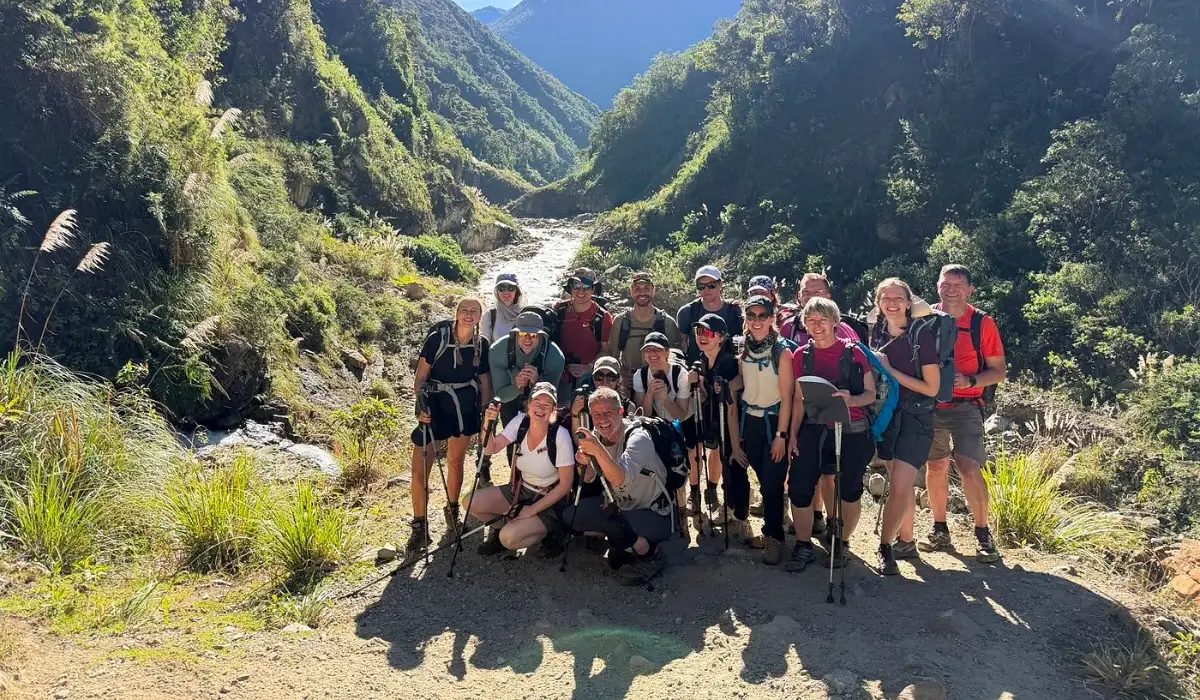
Do I need hiking experience to go to Machu Picchu?
Prior hiking experience is not required. There are various mountain routes to Machu Picchu with differing levels of difficulty, allowing each traveler to choose an option based on their physical fitness, available time, and hiking experience. Furthermore, unlike the Salkantay Trek or the Inca Trail, there are hiking routes—such as the Inca Jungle Trek—that focus more on adventure, featuring activities like whitewater rafting, ziplining, and cycling.
Ultimately, with the right pace, proper planning, and a suitable route, your trip can be an exciting and rewarding experience. These mountain routes offer unique experiences for every traveler.

How to prepare for the mountain treks to Machu Picchu?
Proper preparation before your trip will allow you to enjoy the hike to Machu Picchu much more. As travel experts, we share some essential tips for your upcoming adventure:
Acclimatize before the trip
We recommend arriving in Cusco early—ideally 2 to 3 days before the trek begins. You can take a city tour and visit the Sacred Valley. This allows your body to gradually adapt to the altitude while you learn more about Inca civilization. Keep in mind that if you are coming from a warm climate, the altitude and lower oxygen levels in Cusco could cause altitude sickness.
Train in the weeks beforehand
Cardiovascular exercises, leg-strengthening workouts, and practice hikes with a backpack will help prepare your body for the physical demands of uneven mountain terrain.
Bring the right gear
Wear comfortable hiking footwear that you have already broken in. Prioritize layering your clothing and bring a waterproof jacket and sun protection to handle the varying conditions along the trail.
If you plan to tackle mountain routes like the Salkantay Trek independently, you will also need to prepare specific gear, such as:
- Hiking poles—especially useful for the ascent to Humantay Mountain.
- Sleeping bags rated for sub-zero temperatures.
- A camping sleeping pad.
- An ultralight portable stove with its own pot.
- A waterproof tent (it can rain or snow regardless of the season!).
Stay hydrated
It is important to drink plenty of water and eat light meals during the trek. This will help you conserve energy.
Choose the best time for mountain trekking
The dry season—between May and September—is generally the best time for hiking in Cusco. Weather conditions are more stable during this period, and there is a lower chance of rain.
Finally, remember that proper preparation can make the difference between a unique adventure and a nightmare. That is why meticulous planning is essential. At Trails to Machu Picchu, we know that every adventure deserves to be experienced in a unique, worry-free way; that’s why we take care of everything, from your hotel pickup to your return to Cusco. Contact us to secure your next trip to Machu Picchu.
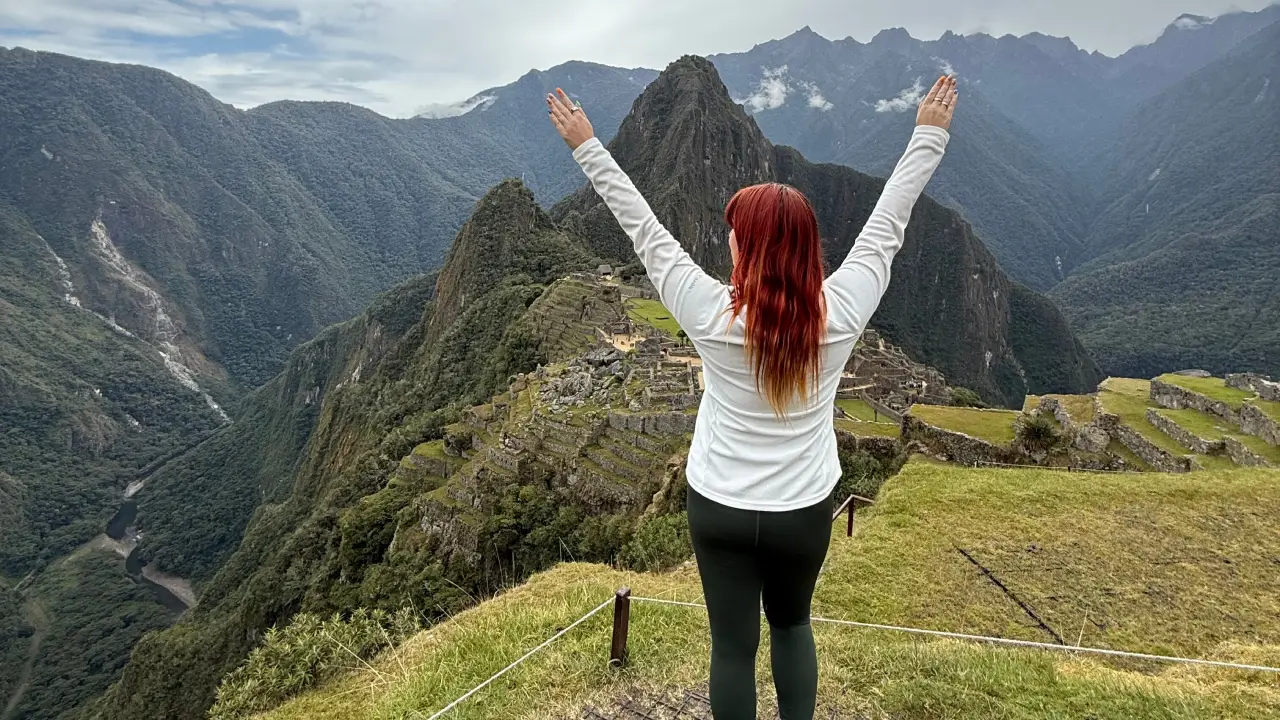
Is the mountain trek to Machu Picchu worth it?
Yes, the mountain trek to Machu Picchu offers a unique experience for those wishing to traverse ancient Inca trails while taking in breathtaking scenery. It also allows you to connect with history and enjoy the Peruvian Andes. Remember, each route presents a unique challenge and lets you discover the natural and cultural richness of Cusco in a special way.
Would you like to know which trekking route to Machu Picchu best suits your trip? Explore the available options and book with us.