

Birds in the Peruvian jungle are one of the main attractions for travelers seeking authentic experiences in the Amazon. Manu National Park is recognized as one of the richest destinations in biodiversity worldwide. This protected area, declared a UNESCO World Heritage Site, shelters hundreds of species that turn the region into a paradise for nature lovers. The variety of habitats, ranging from lowland Amazon to montane forests, creates ideal conditions for tropical and endemic birds. Therefore, planning a trip to see birds in Manu is an experience that combines sustainable tourism and learning about Peru’s natural wealth.
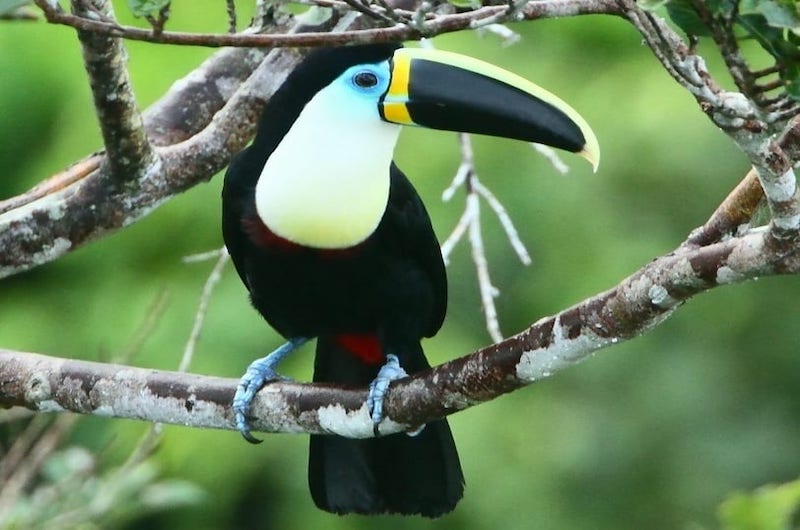
Bird diversity in Manu National Park
Manu National Park is considered one of the places with the highest number of recorded bird species in the world. Its strategic location, connecting Andean and Amazonian regions, favors the observation of birds from different ecosystems. Visitors may encounter:
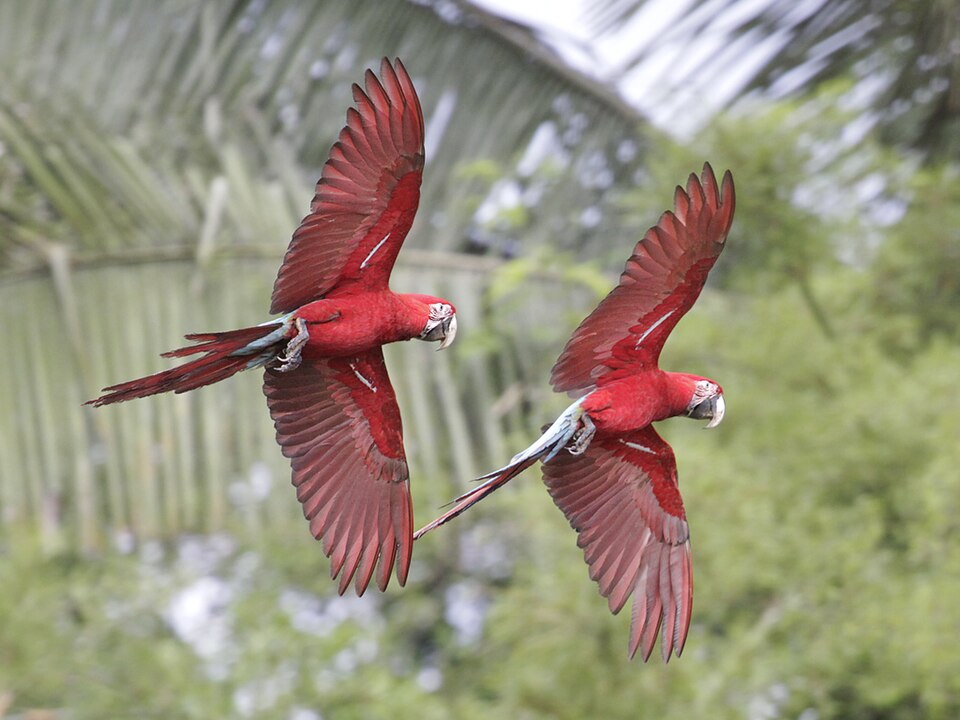
- Flocks of macaws at clay licks.
- Large toucans in tree canopies.
- Colorful hummingbirds around floral areas.
- Herons and kingfishers along riverbanks.
This variety makes the region ideal for bird tourism in Manu and a reference for researchers. In addition, the contrast between humid forests and riverine areas expands observation opportunities. Travelers enjoy a diverse environment that allows them to discover not only common birds but also rare species. Many consider Manu one of the best places to see birds in the Peruvian jungle, both for abundance and ease of sighting.
Bird species in Manu
Among the most recognized bird species in Manu are:
- Red, blue, and green macaws.
- The Andean cock-of-the-rock, Peru’s national bird.
- Eagles such as the harpy eagle.
- Antbirds and tinamous on the forest floor.
Each group plays a vital role in ecosystems and helps explain the bird biodiversity in the Peruvian Amazon. Because of this richness, many visitors take specialized trips, such as a birdwatching tour in the Peruvian jungle, to make the most of their journey.
Birdwatching experiences in the Peruvian Amazon
Birdwatching in the Peruvian Amazon requires patience and specialized guiding. In Manu National Park, circuits have been designed for travelers seeking direct contact with nature. These experiences include:
- Forest hikes at sunrise.
- Boat trips along rivers and lagoons.
- Canopy towers for high-level sightings.
- Natural viewpoints for rare species.
Nature and bird tours in Manu often combine several of these activities. In addition, many local agencies promote responsible practices, avoiding methods that alter bird behavior. Therefore, birdwatching becomes an educational and respectful experience.
Birdwatching excursion in Peru
A birdwatching excursion in Peru, particularly in Manu, offers access to areas with different levels of difficulty. There are short trails for beginners and longer ones for experienced birders. Local guides explain details about:
- Bird songs and vocalizations.
- Courtship or feeding behaviors.
- Preferred habitats across the park.
This enriches the experience and helps visitors understand the importance of conservation. Many excursions also combine birdwatching with cultural activities in Amazonian communities. In this way, birdwatching in the Amazon jungle is complemented by learning about local traditions.
Unique and endemic birds of the Peruvian jungle
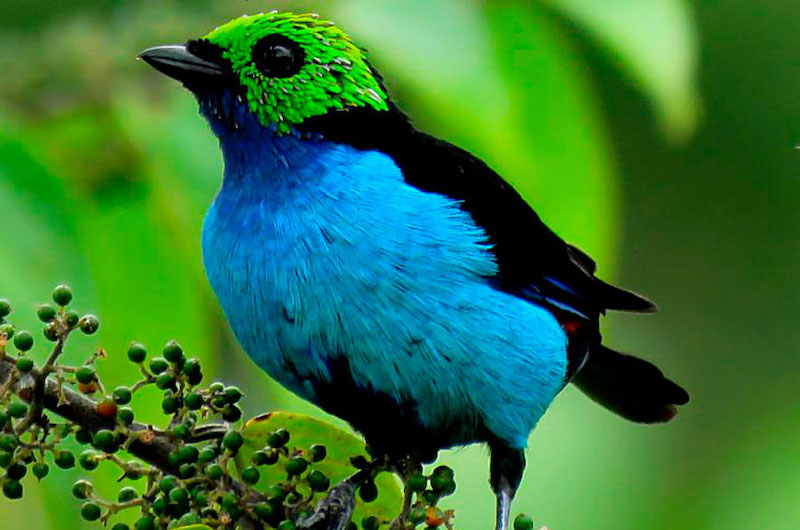
Colorful birds of the Peruvian jungle attract attention for their colors and behaviors. These include:
- Large macaws.
- Parrots in numerous flocks.
- Toucans with striking bills.
However, there are also endemic birds of the Peruvian jungle, such as:
- The golden-headed manakin.
- Hummingbirds exclusive to certain altitudes.
- Antbirds with very limited distribution.
These species attract advanced birders looking for unique records during their trip. The combination of widely distributed and rare birds makes Manu an essential destination. Therefore, those who join a trip to see birds in Manu enjoy a complete experience that combines diversity and exclusivity.
Rare birds in Manu National Park
Rare birds in Manu National Park include species that attract great interest from travelers and scientists:
- The harpy eagle, one of the most powerful raptors in the Americas.
- The hoatzin, with a prehistoric appearance.
- Giant woodpeckers with striking plumage.
- Uncommon hummingbirds in specific areas.
The presence of these birds is reason enough to attract tourists from around the world. In addition, observing them reinforces Manu’s image as a destination of high scientific and recreational value.
Tourist infrastructure for birdwatching in Manu
Tourism development in Manu National Park has considered the need to protect ecosystems. Infrastructure for visitors includes:
- Eco-lodges near birdwatching areas.
- Programs adapted for a bird tour in the Peruvian jungle.
- Canopy observation towers.
- Marked trails for guided hikes.
This combination ensures conservation and responsible tourism while providing quality experiences. Maintaining this balance is essential to preserve the park’s natural wealth and guarantee sustainability in the long term.
Best places to see birds in the Peruvian jungle
Among the best places to see birds in the Peruvian jungle are:
- Clay licks where macaws and parrots gather.
- Montane forests, home to the cock-of-the-rock.
- Riverbanks with herons and kingfishers.
- High canopy areas with toucans and hummingbirds.
Each environment offers unique opportunities that complement the visitor’s experience. However, it is important to plan ahead and rely on authorized guides. This way, a nature and bird tour in Manu becomes an organized and safe activity.
Cultural impact and bird conservation in the Peruvian jungle
Local communities in Manu have integrated birdwatching in the Amazon jungle into their sustainable economy. Community guides share knowledge about:
- Traditional uses of plants and wildlife.
- Local stories related to birds.
- Community conservation practices.
This exchange promotes respect for ecosystems and strengthens species preservation. In addition, responsible tourism generates income that supports community well-being. Therefore, bird tourism in Manu benefits both visitors and local populations.
Frequently Asked Questions About Birds in the Peruvian jungle
1. What is the best season for a birdwatching tour in the Peruvian jungle?
The best season for birdwatching in the Peruvian jungle is usually during the dry months from May to September. At this time, trails are more accessible, and visibility improves, making it easier to spot a greater number of bird species in Manu National Park.
2. Is a special permit required to access birdwatching areas in Manu National Park?
Yes, entry to Manu National Park requires an official permit. These permits are typically arranged through authorized tour operators, which ensure visitors access specific zones designated for birdwatching activities while respecting conservation guidelines.
3. What basic equipment is recommended for a birdwatching excursion in Peru?
For a better experience, it is advisable to carry binoculars, a field guide, comfortable clothing, and insect repellent. Many travelers also bring a camera with a zoom lens to capture the diverse birdlife of the Peruvian jungle.
4. Are there community tourism programs linked to birdwatching in the Amazon?
Yes, several local communities in the Amazon are involved in tourism programs connected to birdwatching. These initiatives allow visitors to enjoy nature while supporting sustainable development and promoting the preservation of Amazonian bird species.
5. How many days are recommended to fully enjoy a bird-focused trip in Manu?
A minimum of four to five days is generally recommended to enjoy a bird-focused trip in Manu. This duration allows enough time to explore different zones of the park and observe both common and rare bird species in their natural habitat.
For more information, please contact us.