The Manu National Park seasons directly affect your travel experience in one of the most biodiverse natural areas on Earth. Located between the regions of Cusco and Madre de Dios, this destination has clear climate variations throughout the year. Therefore, choosing the right moment is key to making the most of your trip. The weather in Manu National Park mainly splits into a dry season and a rainy season. Each season offers different conditions for access, wildlife viewing, and available activities. Moreover, the Manu seasons affect entrance routes and overall travel logistics. Because of these differences, it is important to analyze each period before planning. Your choice will depend on the type of experience you seek. Some travelers prioritize animal watching, while others prefer easier access.
- Weather in Manu National Park and its influence on the seasons
- Dry season in Manu and advantages for the visitor
- Rainy season in Manu and environmental conditions
- Biodiversity of Manu National Park and seasonal variations
- How to get to Manu National Park and available tourist routes
- Tours to Manu National Park and trip organization
- What to bring to Manu National Park and general recommendations
- Experiences in Manu National Park according to the season
- Frequently asked questions
Weather in Manu National Park and its influence on the seasons
The weather in Manu National Park is tropical and humid, with warm temperatures all year round. However, rainfall varies depending on the season. The Manu seasons are divided into two main periods. The dry season in Manu occurs between May and October. During these months, rain is less frequent and trails are more stable. On the other hand, the rainy season in Manu runs from November to April. In this period, rainfall is constant and can affect access. Humidity is also higher. The Manu National Park seasons also determine landscape visibility. During the dry season, the sky is usually clearer. Yet in the rainy season, the vegetation becomes denser. Therefore, each season offers different features that influence your experience.

Dry season in Manu and advantages for the visitor
The dry season in Manu is considered by many as the best time to travel. During these months, access is easier and routes are in better condition. The Manu National Park seasons during this period allow greater weather stability. Therefore, activities run with fewer interruptions. Rivers also have lower levels, which makes navigation easier. The tourist routes in Manu are more accessible in this season. This lets you explore different areas of the park with less difficulty. It is also a good time for long hikes. The Manu seasons during the dry period favor wildlife watching. Animals tend to gather near water sources. This increases your chances of sightings. However, higher tourist demand may bring more visitors.
Rainy season in Manu and environmental conditions
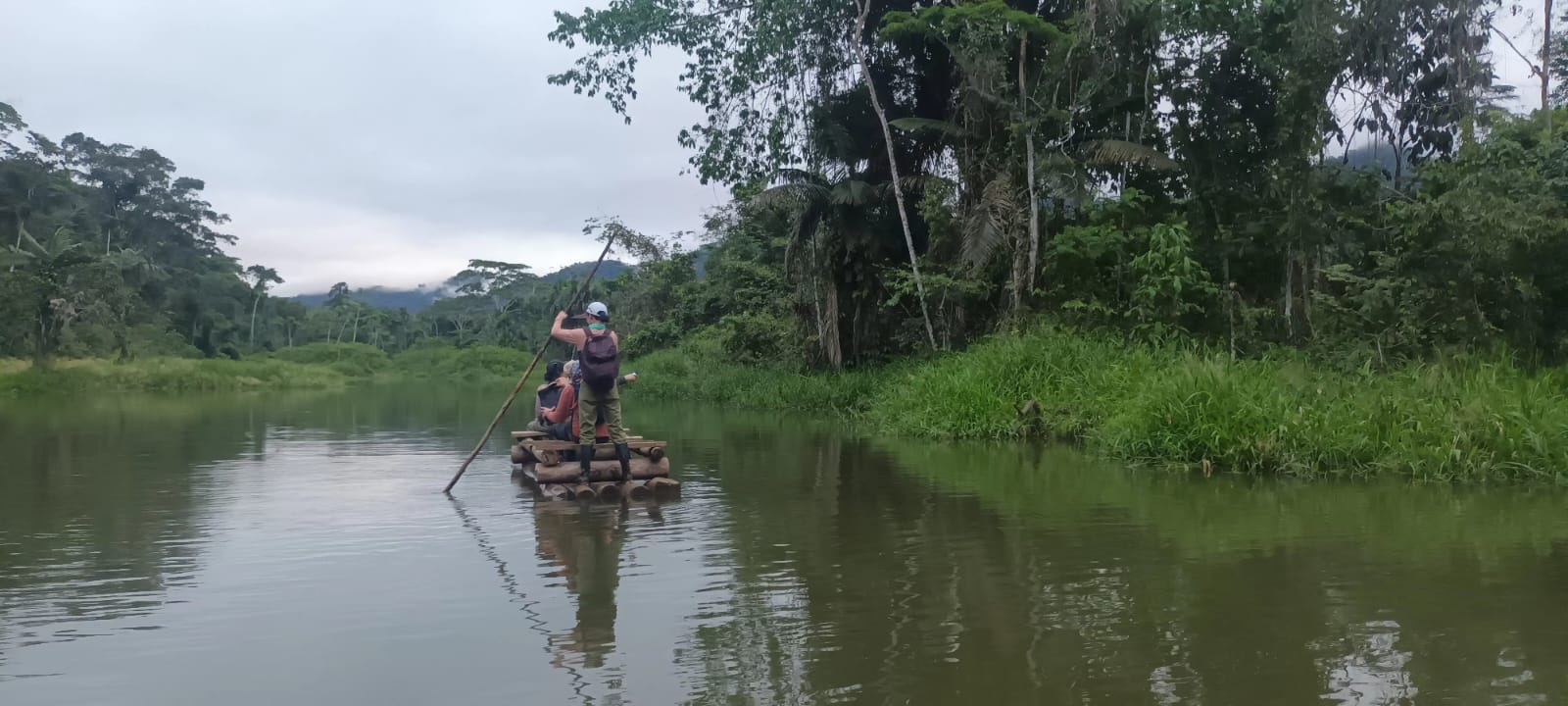
The rainy season in Manu presents different conditions that can be both beneficial and challenging. During this period, the environment becomes greener and more active. The Manu National Park seasons in the rainy season favor the reproduction of many species. Therefore, biodiversity is more active. However, access to Manu in the rainy season can be more complex. Some routes may be difficult due to ground conditions. Rain can also affect transport schedules. The Manu National Park seasons during these months require more flexible planning. Despite these challenges, your experience may be quieter due to fewer visitors. This allows you to enjoy the surroundings more calmly. Still, you need proper gear to deal with constant humidity.
Biodiversity of Manu National Park and seasonal variations
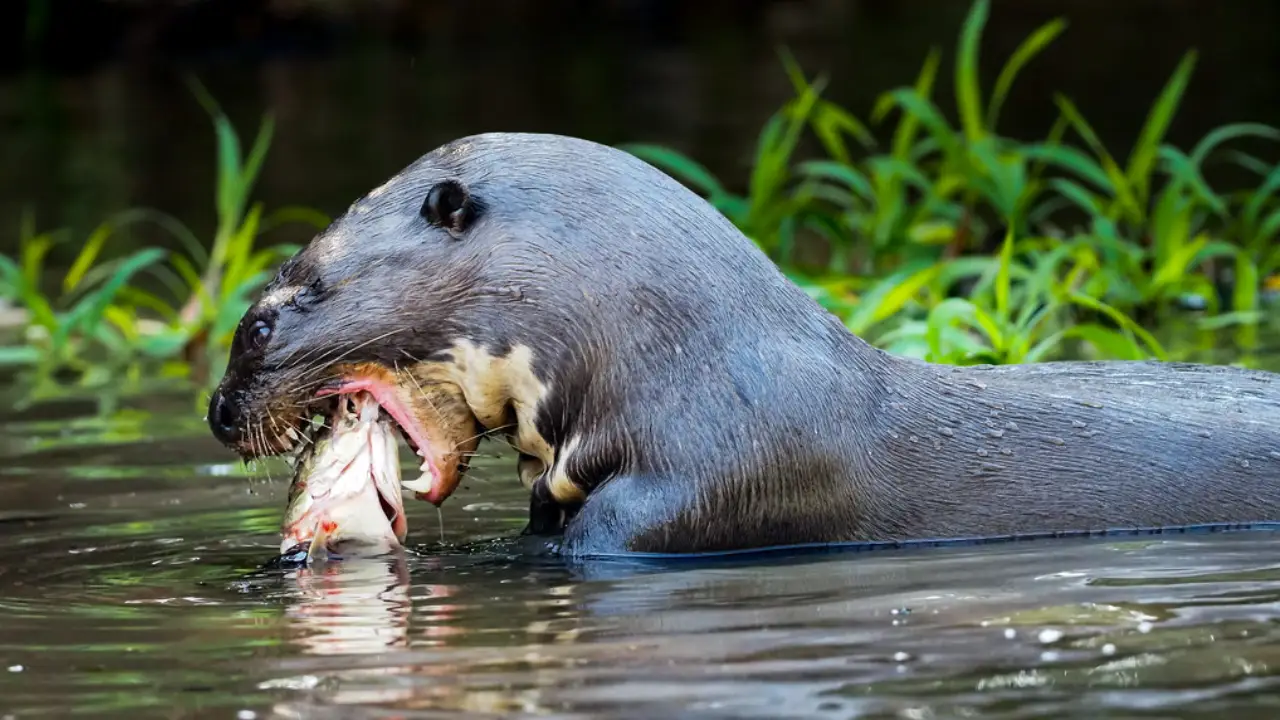
The biodiversity of Manu National Park is one of its main attractions. This area is home to a wide variety of plant and animal species. The Manu National Park seasons influence the activity of these ecosystems. During the dry season, the wildlife of Manu Peru tends to concentrate in specific areas. This makes wildlife viewing easier. In contrast, during the rainy season, animals disperse due to abundant resources. The Manu seasons also affect vegetation. In the rainy season, plant growth is more intense. This creates denser landscapes. Some bird and amphibian species are also more visible in this season. Therefore, each period offers different opportunities to observe nature. Your choice will depend on your main interest as a visitor.

How to get to Manu National Park and available tourist routes
There are several options for how to get to Manu National Park, depending on your starting point. Most trips to Manu from Cusco go by land to access points. From there, you continue by riverboat. The Manu National Park seasons influence these routes. During the dry season, roads are in better condition. In the rainy season, some sections may become more difficult. The tourist routes in Manu include areas like the cultural zone, the reserved zone, and the buffer zone. Each has different access levels. The Manu National Park seasons determine which areas you can visit more easily. Therefore, plan your itinerary according to the time of year.
Tours to Manu National Park and trip organization
Tours to Manu National Park are the most common way to visit this destination. These services include transport, a guide, and meals. The Manu National Park seasons influence tour availability. During the dry season, there is a greater supply of services. In the rainy season, some routes may be restricted. Still, operators usually adjust itineraries based on weather conditions. The Manu seasons require choosing experienced operators. This ensures better trip organization. Guides also know animal behavior patterns for each season. Therefore, they can offer a more complete experience. Tours also make logistics easier in remote areas.
What to bring to Manu National Park and general recommendations
Knowing what to bring to Manu National Park is essential to enjoy your trip. The Manu National Park seasons determine the type of luggage you need. During the rainy season, bring waterproof clothing. In the dry season, light but protective clothing is recommended. Recommendations for visiting Manu include:
- Clothing suitable for humid weather
- Insect repellent
- Sunscreen
- Sturdy footwear
- Flashlight
The Manu National Park seasons also require considering trip length. Bring enough water and personal items. Avoid unnecessary luggage. Proper preparation improves your visitor experience.
Experiences in Manu National Park according to the season
Experiences in Manu National Park vary depending on the time of year. During the dry season, activities are more accessible. The Manu National Park seasons in this period allow hikes and river trips with greater ease. In contrast, during the rainy season, the experience is more immersive. The environment is more active and dynamic. According to the Manu seasons, each offers different perspectives of the same place. Therefore, each visitor can choose according to their preferences. Some seek comfort and easy access. Others prefer a more natural and less crowded setting. Both options are valid and offer unique experiences.
Frequently asked questions
- Average duration of a tour to Manu National Park
Tours usually last between three and seven days. This depends on the area visited and the chosen itinerary. - Difficulty level for visiting Manu
The level is moderate. However, some routes can be demanding. This depends on the season and the type of tour. - Availability of services in the park
Services are basic in most areas. Therefore, bring what you need. - Importance of hiring authorized guides
Guides ensure safety and knowledge of the environment. They also help you make the most of the experience. - Impact of tourism on Manu National Park
Tourism is regulated. Still, follow the rules to protect biodiversity.
Check out our travel packages in Peru and let us organize the perfect adventure for you. Get a quote for your trip to Cusco today!