The complete guide to the lagoons in Cusco helps you understand why this destination stands out among Peru’s natural landscapes. Cusco is known not only for its historical legacy but also for its high-mountain ecosystems. In these areas, you will find numerous Andean lagoons in Cusco Peru, formed by melting snow and seasonal rains. These lagoons have intense water colors and pristine surroundings. Therefore, they are an ideal choice for those seeking experiences off the traditional routes. Moreover, many of these lagoons are located at accessible distances from the city. This makes it easy to take day trips to lagoons in Cusco without complex planning.
The complete guide to the lagoons in Cusco also helps identify options based on the visitor’s physical level. Some require demanding hikes, while others allow vehicle access. However, all offer unique scenes that reflect the region’s geographic diversity. Because of this, this type of tourism has grown steadily in recent years.
- Importance of tourist lagoons in Cusco
- Best lagoons to visit in Cusco and their characteristics
- Routes to lagoons in Cusco and ways to access them
- Tours to lagoons in Cusco and organized options
- Lagoons near Cusco for an excursion and short trips
- Hidden lagoons in Cusco and lesser-known destinations
- Natural landscapes of lagoons in Cusco and their diversity
- High-altitude lagoons in Cusco and environmental conditions
- What to do in the lagoons of Cusco and recommended activities
- Recommendations for visiting lagoons in Cusco and suggested itineraries
- Frequently asked questions
Importance of tourist lagoons in Cusco
The tourist lagoons in Cusco play a key role in sustainable tourism in the region. These natural spaces not only offer attractive views but are also part of fragile ecosystems. Therefore, their conservation is essential to maintain environmental balance. Additionally, many nearby communities depend on tourism linked to these lagoons. This generates income through services such as guides, transportation, and food.
The complete guide to the lagoons in Cusco helps you understand how these destinations combine nature and local culture. In many cases, the lagoons have symbolic meanings for Andean communities. These beliefs relate to water as an element of life. On the other hand, visitors find in these spaces a chance to disconnect from the urban environment. However, it is important to follow basic rules to avoid negative impacts. It also emphasizes the need for responsible practices. This includes not leaving waste and respecting established trails.
Best lagoons to visit in Cusco and their characteristics
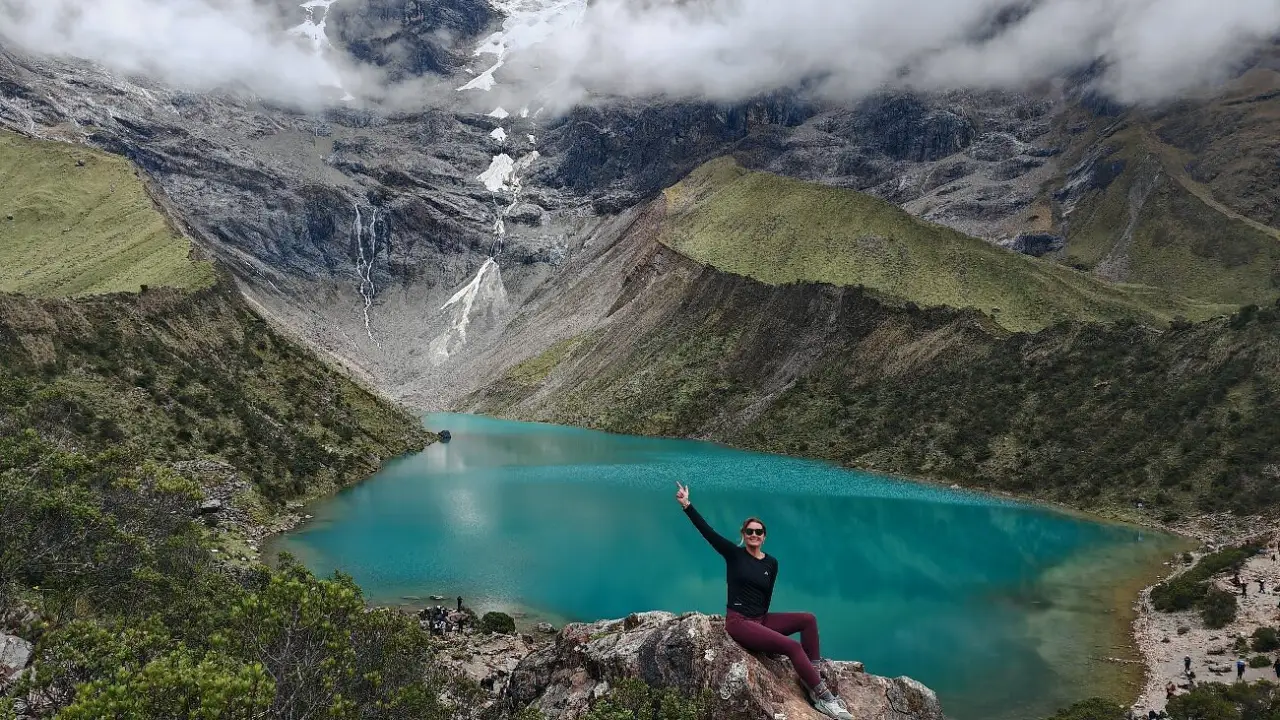
Among the best lagoons to visit in Cusco, there are several options known for their accessibility and natural beauty. The complete guide to the lagoons in Cusco highlights destinations that suit different traveler profiles. One of the most famous is Laguna Humantay, located near the Salkantay snow-capped mountain. This lagoon is famous for its turquoise color and easy inclusion in organized excursions. Additionally, Laguna Huaypo offers a quieter alternative close to the city. It is ideal for recreational activities and photography.
On the other hand, Laguna Piuray stands out for its importance as a water source for the city of Cusco. It also allows kayaking trips. The complete guide to the lagoons in Cusco includes lesser-known destinations like Laguna Qoricocha or Laguna Pomacanchi. These options help you avoid large crowds of tourists. Therefore, they are recommended for those seeking quieter experiences. Each of these lagoons has unique features in altitude, access, and landscape.
Routes to lagoons in Cusco and ways to access them
The routes to lagoons in Cusco vary depending on the location and difficulty level of the destination. The complete guide to the lagoons in Cusco explains that many lagoons require short or medium-length hikes. These routes usually start from nearby communities or vehicle-accessible points. For example, to reach Laguna Humantay, you take transportation to Soraypampa. From there, you continue with a hike of about an hour and a half.
Furthermore, other lagoons like Huaypo allow direct access without extensive hiking. This makes the visit easier for people with lower physical fitness. This complete guide also recommends checking the route conditions by season. During the rainy season, some paths may become slippery or inaccessible. However, in the dry season, conditions are usually more stable. Therefore, planning your route is essential to avoid setbacks. Also, consider the altitude to prevent altitude sickness.
Tours to lagoons in Cusco and organized options
The tours to lagoons in Cusco are a practical choice for those seeking a guided experience. The complete guide to the lagoons in Cusco notes that these tours usually include transportation, food, and a specialized guide. This simplifies logistics, especially for visitors with little time. Additionally, tours provide access to information about each place’s natural and cultural environment. Among the most popular are the trips to Humantay, done in a single day. There are also tours to lesser-known lagoons, which expands available options.
The complete guide to the lagoons in Cusco recommends choosing formal operators to ensure safety. On the other hand, some travelers prefer to organize their visits independently. However, this requires more planning. Tours also help optimize time and avoid access difficulties. Therefore, they represent a convenient alternative for many tourists.
Lagoons near Cusco for an excursion and short trips
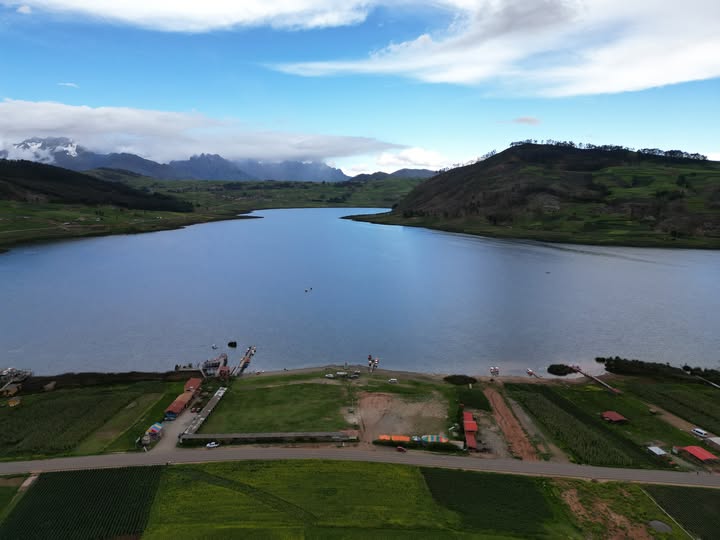
The lagoons near Cusco for an excursion are ideal for those with little time. The complete guide to the lagoons in Cusco highlights options accessible in less than two hours from the city. Among them is Laguna Huaypo, located in the Anta valley. This destination allows activities like cycling and kayaking. Furthermore, Laguna Piuray offers a calm and organized setting for short visits. These options are suitable for day trips to lagoons in Cusco without requiring great physical effort.
The complete guide to the lagoons in Cusco also includes destinations like Pomacanchi, part of the four lagoons circuit. These lagoons offer wide landscapes and are less crowded. Therefore, they are recommended for those seeking to avoid busy routes. Moreover, their proximity facilitates access by private or public transport. This allows greater flexibility in trip planning.
Hidden lagoons in Cusco and lesser-known destinations
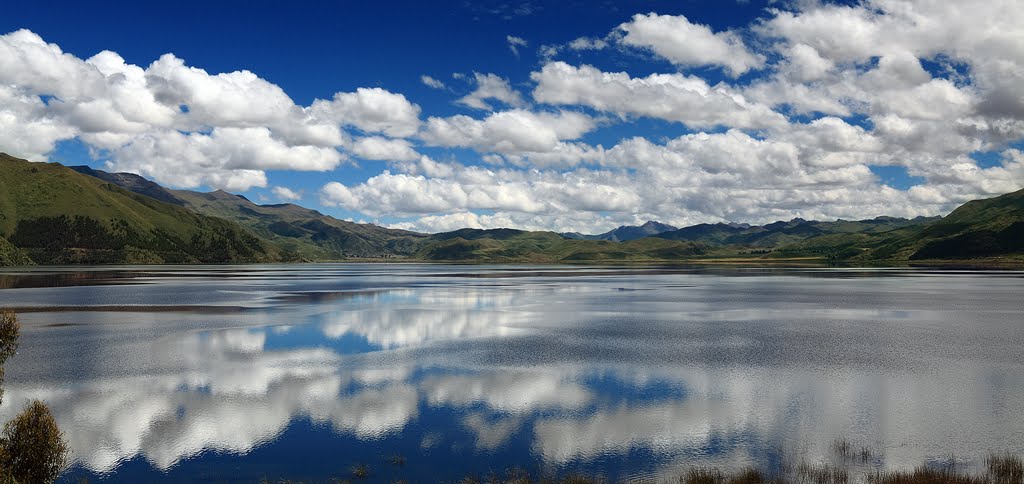
The hidden lagoons in Cusco represent an alternative for those seeking different experiences. The complete guide to the lagoons in Cusco includes little-explored destinations that retain their natural state. These lagoons are often located in areas away from traditional tourist routes. Therefore, they require more planning for your visit. However, they offer greater tranquility and direct contact with nature. Among these options, lagoons in high-Andean communities with low tourist flow stand out.
The complete guide to the lagoons in Cusco highlights that these destinations allow you to experience local life. Additionally, they often feature less intervened landscapes. This appeals to photographers and travelers interested in authentic experiences. However, it is important to have a local guide in some cases. This facilitates access and avoids risks. Because of their location, these lagoons also require better physical preparation.
Natural landscapes of lagoons in Cusco and their diversity
The natural landscapes of lagoons in Cusco stand out for their geographic diversity. The complete guide to the lagoons in Cusco explains that these lagoons are found at different altitudinal levels. This creates variations in climate, vegetation, and fauna. Some lagoons have turquoise tones due to dissolved minerals. Others reflect the sky in darker, deeper waters. Additionally, many lagoons are surrounded by mountains and snow-capped peaks. This creates visual scenes that change with the daylight.
The complete guide to the lagoons in Cusco also mentions the presence of Andean birds in these environments. This includes species like wild ducks and Andean gulls. Therefore, these spaces are suitable for wildlife observation. Likewise, seasonal changes modify the landscape. During the dry season, colors are usually more intense. In contrast, the rainy season brings more vegetation.
High-altitude lagoons in Cusco and environmental conditions
The high-altitude lagoons in Cusco are generally located above 3,500 meters above sea level. The complete guide to the lagoons in Cusco highlights that these conditions require prior acclimatization. Altitude can cause symptoms like fatigue or headache. Therefore, it is advisable to acclimate before taking excursions. Also, the weather in these areas can change rapidly. This means bringing appropriate clothing for cold and rain.
The complete guide to the lagoons in Cusco also advises staying hydrated during hikes. Likewise, using sunscreen is important due to radiation. High-altitude conditions also influence the physical effort required. Therefore, you need to assess the difficulty level of each route. However, these lagoons offer unique views that justify the effort. Their location allows you to appreciate wide landscapes of the Andean mountain range.
What to do in the lagoons of Cusco and recommended activities
The activities available at the lagoons vary by destination. The complete guide to the lagoons in Cusco includes options for different interests. Among the most common is hiking. Many routes allow walks with panoramic views. Additionally, some lagoons offer activities like kayaking or cycling. This is common in nearby lagoons like Huaypo. The complete guide to the lagoons in Cusco also recommends landscape photography. The color contrasts create attractive images.
Likewise, bird watching is a relevant activity. In some cases, you can take cultural visits to nearby communities. This allows you to learn about local traditions. However, it is important to respect the environment during these activities. Do not alter ecosystems or leave waste. Therefore, each activity must be done responsibly.
Recommendations for visiting lagoons in Cusco and suggested itineraries
The recommendations for visiting lagoons in Cusco are essential for a safe experience. The complete guide to the lagoons in Cusco suggests planning your itinerary based on available time. For short stays, visiting nearby lagoons is recommended. For longer trips, you can include more demanding routes. The itineraries of lagoons in Cusco can be organized in one or several days.
For example, a basic itinerary includes Huaypo and Piuray in one day. Another itinerary can include Humantay as the main excursion. The complete guide to the lagoons in Cusco also advises carrying cash. Some areas do not have digital services. Also, it is important to leave early to make the most of the day. This helps avoid afternoon weather changes. Likewise, hiring guides on unknown routes is recommended. This improves safety and the overall experience.
Frequently asked questions
- Best season to visit lagoons in Cusco
The dry season, between April and October, offers the best weather conditions. The roads are more stable and there is less rain. However, temperatures can be lower. - Physical level needed to tour lagoons in Cusco
The level varies depending on the lagoon. Some require demanding hikes. Others allow direct access. It is important to evaluate each route before traveling. - Approximate cost of tours to lagoons in Cusco
Prices vary by destination and included services. Generally, day tours have affordable costs. They include transportation and basic food. - Transportation options to visit lagoons on your own
You can use public transportation to nearby communities. It is also possible to rent vehicles. This gives you greater schedule flexibility. - Basic equipment for excursions to lagoons in Cusco
It is recommended to bring warm clothing, appropriate footwear, water, and sunscreen. It is also useful to have energy snacks for long hikes.
Discover our travel packages in Peru and let us organize the perfect adventure for you. Quote your trip to Cusco today!