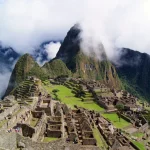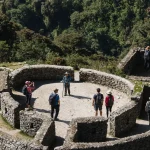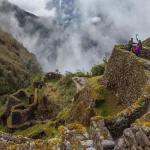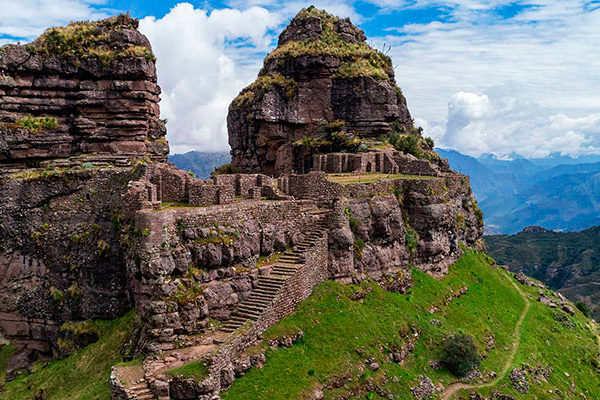
Visiting Huakrapukara in the rainy season is possible, but it requires good preparation and realistic expectations. This archaeological site is in the high Andes of Cusco. Access to this area is difficult. Therefore, weather conditions directly affect your safety and enjoyment. The weather at Huakrapukara Cusco during rainy months brings frequent rain, wet trails, and sudden temperature changes. Fog can also reduce visibility. However, many travelers feel that Huakrapukara in the rainy season looks greener and feels less crowded. Because of this mix, it is important to weigh the pros and risks before your trip. Huakrapukara in the rainy season is not unreachable, but it demands more planning, proper gear, and knowledge of the terrain.
- Weather at Huakrapukara Cusco and its impact on your visit
- Trekking to Huakrapukara in the rainy season and difficulty level
- How to get to Huakrapukara from Cusco and available access routes
- Tours to Huakrapukara Cusco and advantages of organized travel
- Safety at Huakrapukara during rains and preventive measures
- What to bring to Huakrapukara and proper preparation
- Best time to visit Huakrapukara and seasonal differences
- Experiences at Huakrapukara Peru during the rainy season
- Frequently asked questions
Weather at Huakrapukara Cusco and its impact on your visit
The weather at Huakrapukara Cusco during the rainy season features steady rainfall from November to March. These rains can be light or intense during the day. As a result, the ground becomes slippery and trails get muddy. Temperatures can drop significantly in the mornings and evenings. Huakrapukara in the rainy season also has cloudy skies that affect views of the landscape. Still, the natural setting looks much greener due to constant moisture. Because of these conditions, the trek requires more caution. Rain can also raise the flow of nearby rivers. This affects some sections of the path. Therefore, visiting Huakrapukara in this season demands flexible planning. It is wise to expect possible changes to your itinerary. Adapting to these conditions is key for a safe experience.
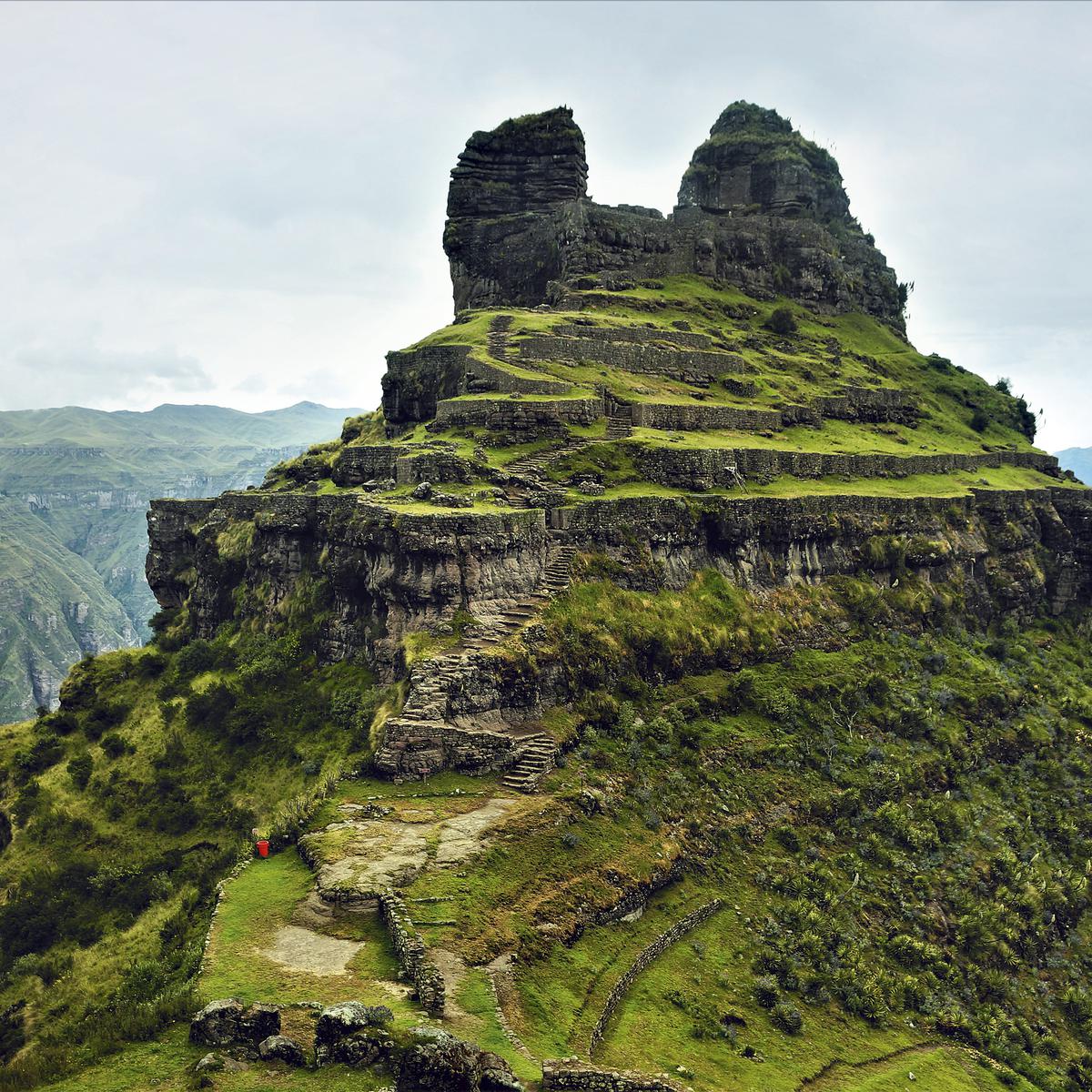
Trekking to Huakrapukara in the rainy season and difficulty level
Trekking to Huakrapukara in the rainy season is more demanding than in the dry season. The condition of the trail to Huakrapukara changes with moisture. This creates slippery surfaces. Therefore, the physical effort required increases significantly. The difficulty of the trek to Huakrapukara also depends on your starting point. Some routes are shorter but steeper. Moreover, the altitude of Huakrapukara Cusco (over 4,000 meters) affects your physical performance. Trekking to Huakrapukara in the rainy season may involve slower walking due to trail conditions. The walking time to Huakrapukara often extends when rain is constant. Even so, with proper preparation, the trek remains doable. Previous experience with high-altitude hiking is important. Acclimatizing in Cusco beforehand also helps reduce physical discomfort.
How to get to Huakrapukara from Cusco and available access routes
There are several options for how to get to Huakrapukara from Cusco, each with different difficulty levels. The main access routes to Huakrapukara start from towns like Sangarará or Huayqui. From these points, you begin the hike to the archaeological site. Huakrapukara in the rainy season can affect vehicle access to these places. Some roads may have landslides or sections in poor condition. Therefore, it is best to check conditions before starting your trip. Using private transportation can also offer more safety. Keep in mind that reaching Huakrapukara in this season will require extra travel time. This helps you avoid unexpected delays. The routes remain passable but require more caution. Planning each part of the journey is essential to prevent issues during your trip.
Tours to Huakrapukara Cusco and advantages of organized travel
Tours to Huakrapukara Cusco are a practical way to visit this destination in the rainy season. These services include transport, a guide, and basic meals. Huakrapukara in the rainy season can be safer with professional support. Guides know the terrain and local weather patterns. They can also adjust the route based on current conditions. Huakrapukara in the rainy season requires quick decisions when unexpected changes occur. Tours help manage these unforeseen events better. Therefore, they are recommended for people with little trekking experience. They also help you make the most of your time. Still, it is important to choose formal operators. This ensures better trip organization. Traveling in a group also provides more safety during the hike.
Safety at Huakrapukara during rains and preventive measures
Safety at Huakrapukara during rains depends on your preparation and the state of the environment. Huakrapukara in the rainy season requires constant attention to the terrain. Proper footwear reduces the risk of falls. Wearing waterproof clothing also protects you from moisture. Among the recommendations for visiting Huakrapukara, never travel alone is key. You should also tell someone your itinerary. Traveling to Huakrapukara in this season can pose risks if precautions are ignored. However, good planning can minimize these risks. Always assess the conditions before starting the hike. Also, avoid unknown routes without a local guide.
What to bring to Huakrapukara and proper preparation
Knowing what to bring to Huakrapukara is essential to face the weather. Huakrapukara in the rainy season demands specific gear. Essential items include:
- Waterproof clothing
- Trekking boots with good grip
- Water-resistant backpack
- Enough water and energy snacks
- Sunscreen and a hat
Tips for traveling to Huakrapukara also include bringing warm layers. Even with rain, temperatures can drop. Huakrapukara in the rainy season requires both physical and logistical preparation. Each piece of gear serves an important role during the trek. Therefore, check everything before you leave. Proper preparation improves your overall experience.
Best time to visit Huakrapukara and seasonal differences
The best time to visit Huakrapukara is usually between April and October. During these months, the weather is drier and more stable. However, Huakrapukara in the rainy season offers a different experience. The landscape becomes greener and less crowded. Experiences at Huakrapukara Peru during this time can be more peaceful. This allows a more direct connection with nature. But it also brings greater access challenges. Therefore, the choice depends on your traveler profile. Some prefer stable conditions, while others seek more vibrant landscapes. Evaluating these differences helps you make a better decision. Each season has its own advantages and limitations.
Experiences at Huakrapukara Peru during the rainy season
Experiences at Huakrapukara Peru during the rainy season can differ from the usual. Huakrapukara in the rainy season has fewer tourists. This allows you to enjoy the place more calmly. The natural environment also looks greener and more dynamic. Due to the moisture, vegetation becomes more intense. However, fog may limit visibility. Huakrapukara in this season offers a more isolated atmosphere. This appeals to those seeking less crowded experiences. Therefore, the trip can be more introspective. Still, being prepared for changing conditions is crucial. Your experience will largely depend on prior planning.
Frequently asked questions
- Total trip duration from Cusco
The full trip may take eight to twelve hours. This depends on your chosen route and walking pace. Weather during the trek also influences the time. - Availability of basic services in the area
The area has limited services. There is no developed tourist infrastructure. Therefore, bring everything you need. - Recommended experience level for visitors
Previous trekking experience is advised. Being acclimated to altitude is also important. This reduces risks during the hike. - Cell phone signal access during the trek
Signal is limited along most of the route. Do not rely on your mobile phone. Notify someone else before your trip. - Weather impact on trip duration
Rain can extend walking time. It may also cause transportation delays. Therefore, consider adding extra time to your schedule.
Check out our travel packages in Peru and let us organize the perfect adventure for you. Get a quote for your trip to Cusco today!