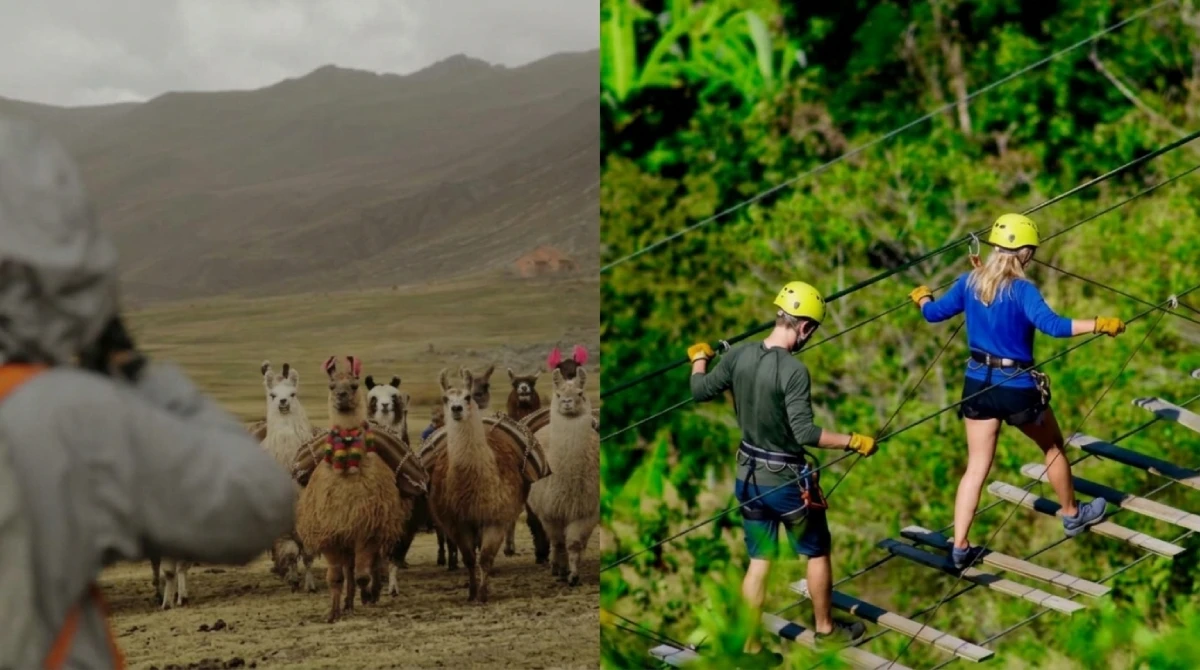
Choosing between the Lares Trek or the Inca Jungle depends on your personal travel preferences. If you are looking for tranquility and Andean culture, the route through Lares is your best current option. On the other hand, if you prefer adrenaline and speed, the Inca Jungle will meet your adventure expectations. We analyze here Lares Trek or Inca Jungle what to see to help you decide your ideal route.
- Which route is quieter for your hike in Cusco?
- Lares Trek or Inca Jungle what to see in terms of biodiversity
- Natural landscapes of Lares Trek or Inca Jungle what to see today
- Physical impact of action sports in the jungle
- Climate and equipment needed for each route of Lares Trek or Inca Jungle what to see
- Frequently asked questions about Lares Trek or Inca Jungle what to see
- How to decide your trip according to Lares Trek or Inca Jungle what to see
Which route is quieter for your hike in Cusco?
Many travelers ask us which of the two paths offers an experience with fewer crowds of people. Generally, the Lares valley remains a much more serene and authentic destination. You will notice that the pace here is set by nature and the daily activities of the local inhabitants.
The peace of the Quechua weaving communities
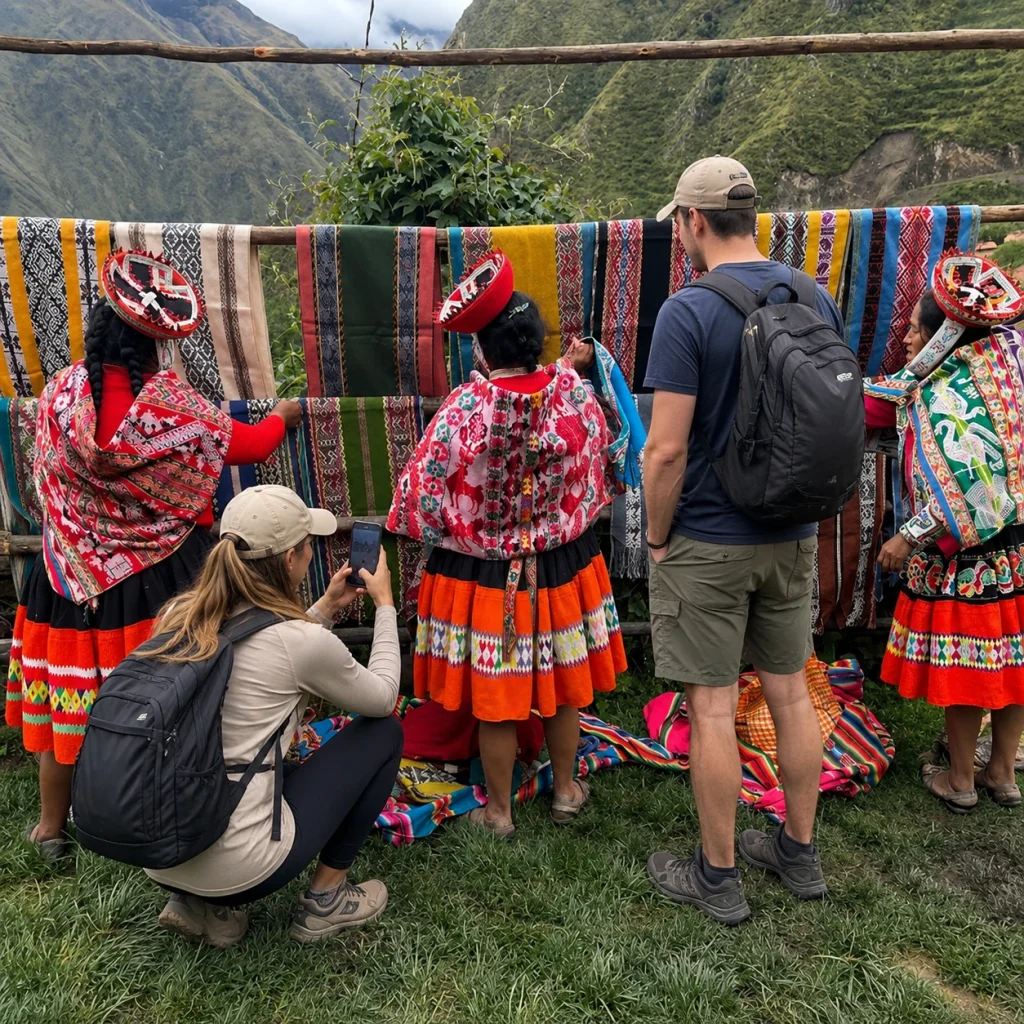
During your journey through Lares, you will come into direct contact with Quechua weaving communities in their villages. These people keep alive spinning and natural dyeing techniques that have been passed down from generation to generation. You will observe how they use Andean iconography to narrate stories of their ancestors on every blanket or poncho.
We at Trails to Machu Picchu value these encounters because they allow for a respectful and real cultural exchange. You will be able to see the wool shearing process and the use of plants for dyes up close. This closeness to the local people makes the route a deep and unhurried human experience.
Total distance of each hike and the pace of the trip
To plan your effort well, you must consider the total distance of each hike on these circuits to Machu Picchu. The Lares Trek covers approximately 33 kilometers of mountain trails spread over three intense days. The terrain is mostly cobblestone or dirt, with ascents that require good prior physical condition.
For its part, the Inca Jungle combines short walking sections with the use of various modes of transport. The distance you cover walking is shorter, but the impact on your joints may be different due to the activities. If you are looking to walk long hours in solitude, the route through Lares is definitely the one you should choose.
Lares Trek or Inca Jungle what to see in terms of biodiversity
Nature manifests itself in opposite ways on each of these journeys through southern Peru. While one path takes you through icy peaks, the other descends rapidly into tropical heat. Therefore, the animals and plants you will observe change drastically according to the altitude above sea level.
South American camelids in Lares and sighting of Andean deer
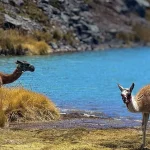
In the highest areas of the mountain range, you will see herds of llamas and alpacas grazing freely. These South American camelids in Lares are essential for the life of the families that live in the mountains. In addition, if you walk in silence along the less traveled paths, the sighting of Andean deer is possible. These animals usually appear near the streams during the early hours of the morning.
To better observe the wildlife, we suggest you carry lightweight binoculars in your backpack. The open landscapes of the puna facilitate long-distance viewing of these native species. It is an excellent opportunity to photograph the fauna in its natural habitat, far from urban noise.

High jungle hummingbirds and cloud forest butterflies
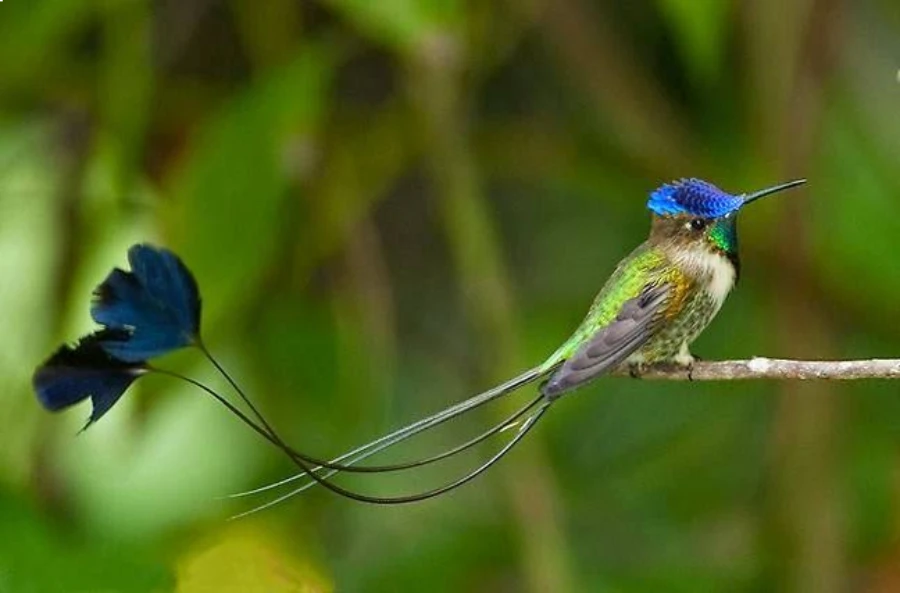
As you descend toward Santa María on the Inca Jungle, the environment becomes green and humid quickly. Here you will notice the constant presence of high jungle hummingbirds buzzing near the flowers of coffee plantations. You will also see hundreds of cloud forest butterflies with bright colors that flutter in the shadiest areas.
You could even observe various birds of the Peruvian Andes that migrate to warmer areas depending on the season. Among them stand out the Andean cock-of-the-rock and various types of toucanets that inhabit the fruit trees. The biodiversity in this section is so dense that you will feel the wildlife in every step you take.
Natural landscapes of Lares Trek or Inca Jungle what to see today
Visual scenarios are the main reason why travelers choose one of these two routes. You must decide whether you prefer the blue of the glaciers or the intense green of the cloud forest. We at Trails to Machu Picchu help you visualize each section before booking your space.
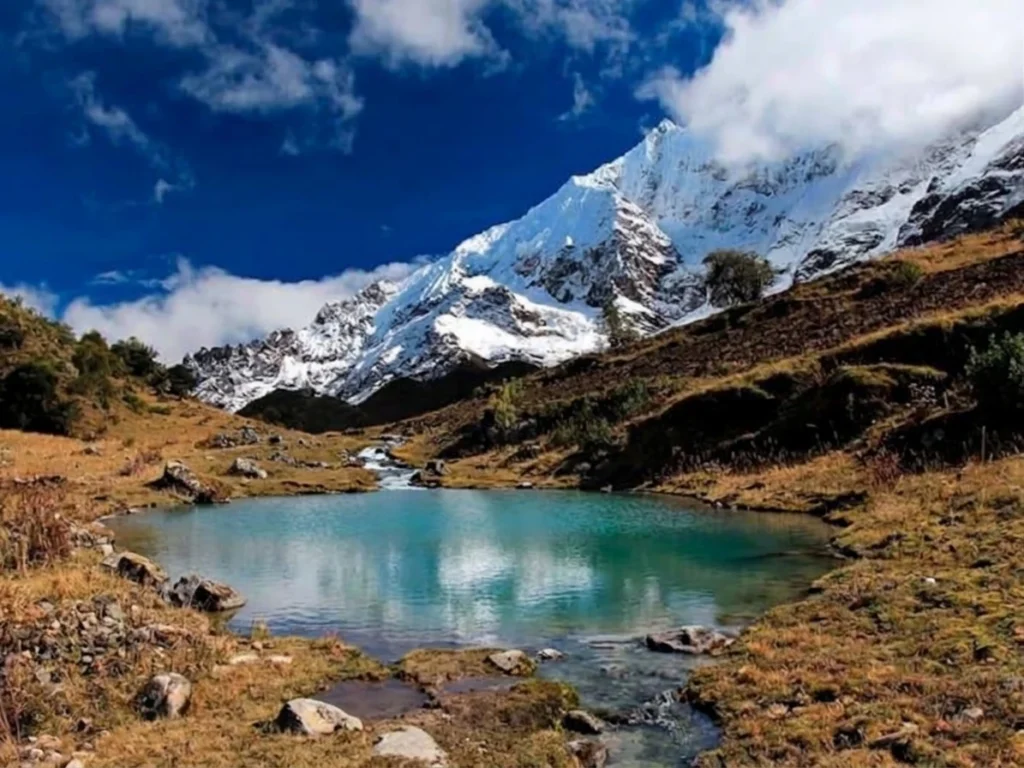
Glacial lagoons of the Lares valley and high-altitude Polylepis forests
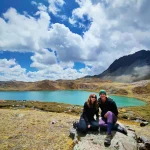
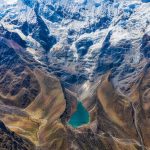
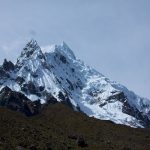
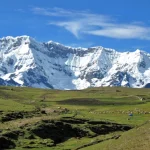
Walking through the heights will gift you with the crystalline reflection of the glacial lagoons of the Lares valley under the sun. These bodies of water are formed by the melting of nearby snow-capped mountains and have turquoise or green tones. On the mountain slopes, you will pass through high-altitude Polylepis forests, also known as queñua trees.
To protect this ecosystem, always follow marked trails and do not collect any native plant species. These areas are fragile and house birds that only live in this type of twisted tree. The view of the mountain range from these points is simply impressive for its scale and visual purity.
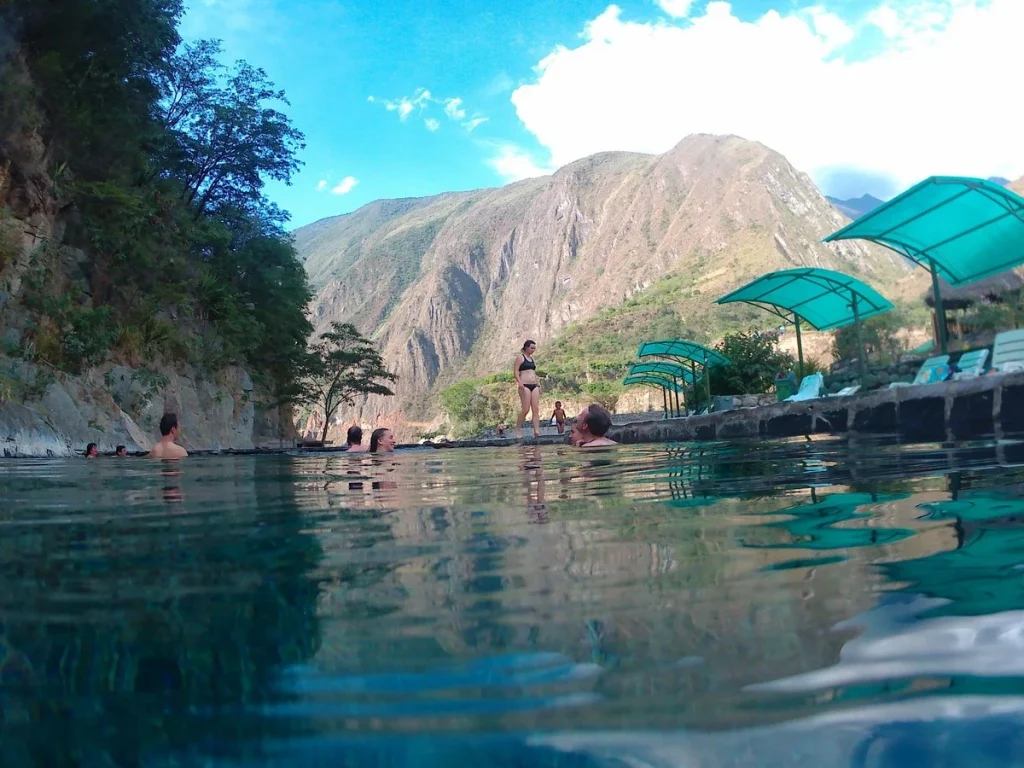
Medicinal thermal baths of Cocalmayo and the jungle environment
A mandatory stop on the Inca Jungle is the medicinal thermal baths of Cocalmayo, located near Santa Teresa. These warm water pools are located at the foot of a mountain and next to the Vilcanota River. It is the perfect place to rest after days of hiking and intense sports in the jungle brow.
We recommend enjoying a night bath to watch the stars while the water relaxes your muscles. The setting is surrounded by tropical vegetation and orchids that grow naturally on the rock walls. Few places offer such complete relaxation in the middle of such a vibrant and life-filled landscape.
Physical impact of action sports in the jungle
The Inca Jungle is not just a hike, but a multi-sport experience that requires a lot of energy and coordination. You must be prepared to perform activities that will accelerate your heart rate for several hours a day. Evaluating the physical impact of the sports is crucial for you to enjoy your trip without unnecessary injuries.
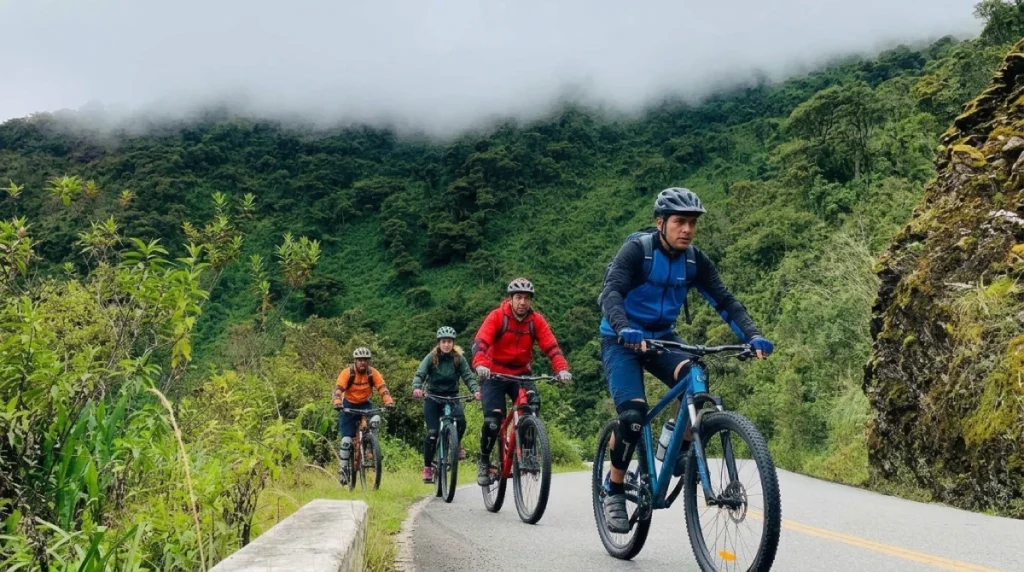
Mountain bike descent and zip lining in the cloud forest
The adventure begins with an exciting mountain bike descent from the Abra Málaga pass to the jungle. You will descend thousands of meters of altitude along an asphalt road with sharp curves and views of the valleys. Afterward, you will have the opportunity to go zip lining in the cloud forest, flying over cables at high altitude.
These activities require you to follow all safety instructions and use the proper protective equipment. We at Trails to Machu Picchu ensure that every piece of gear is in optimal condition for your use. The adrenaline of these experiences is the highlight for those looking for a dynamic and fun trip.
Safety recommendations for sports:
- Always use the helmet and knee pads provided by the technical team.
- Keep a safe distance from other cyclists during the mountain descent.
- Verify that your zip-line harness is well adjusted before launching onto the cable.
- Do not attempt risky maneuvers if you have no previous experience in mountain biking.
Key differences between both routes in terms of demand level
The main difference lies in the type of fatigue you will feel at the end of each travel day. In Lares, the fatigue will be mainly pulmonary and muscular due to the lack of oxygen at high altitudes. Instead, in the Inca Jungle, you will feel a more generalized physical fatigue due to the variety of movements performed.
Understanding these key differences between both routes allows you to train the correct muscle groups before arriving in Cusco. If you choose the adventure, practice balance and resistance exercises in short, fast bursts of exercise. If you choose the mountain, focus on long hikes with weight on your back to acclimate your body.
Climate and equipment needed for each route of Lares Trek or Inca Jungle what to see
Packing your backpack correctly is the first step to having a successful trip without weather setbacks. Remember that in 2026 the climate in the Andes remains very variable and difficult to predict with exactitude. Therefore, you must carry garments that protect you from both intense cold and tropical humidity.
Equipment for extreme climates on the Andean peaks
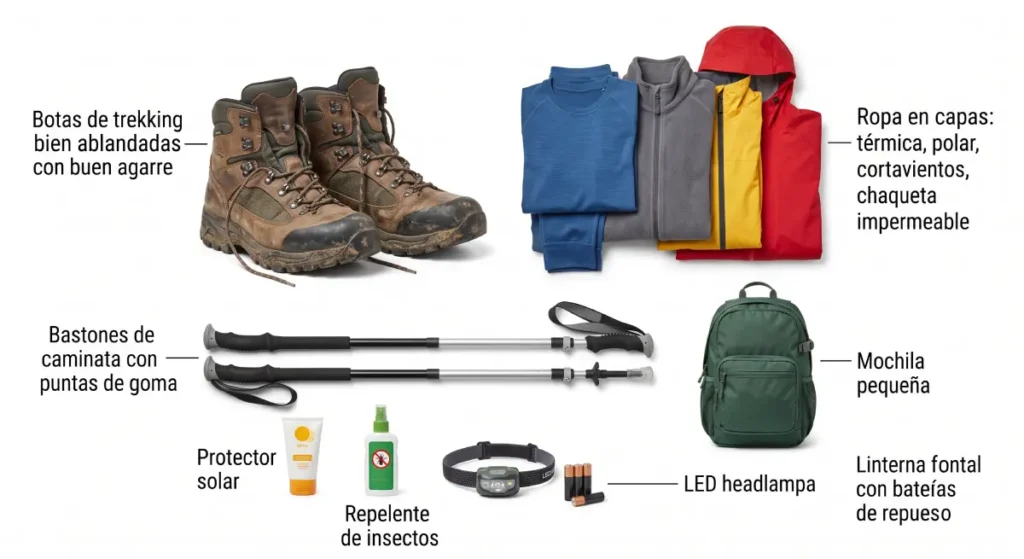
You must have equipment for extreme climates if you decide to take the route through the Lares valley. Night temperatures can drop below zero degrees, especially in the winter months of the southern hemisphere, from June to August. We suggest dressing in layers: a thermal one, a warm one, and a waterproof jacket for the rain.
A good pair of hiking boots that you have already used before will prevent you from suffering from painful blisters. It is also vital to carry gloves, a wool hat, and thick socks for the hours you spend at camp. With the climate and equipment needed for each route well organized, the cold will not be an impediment to enjoying it.
Where to stay overnight on both routes and types of accommodation
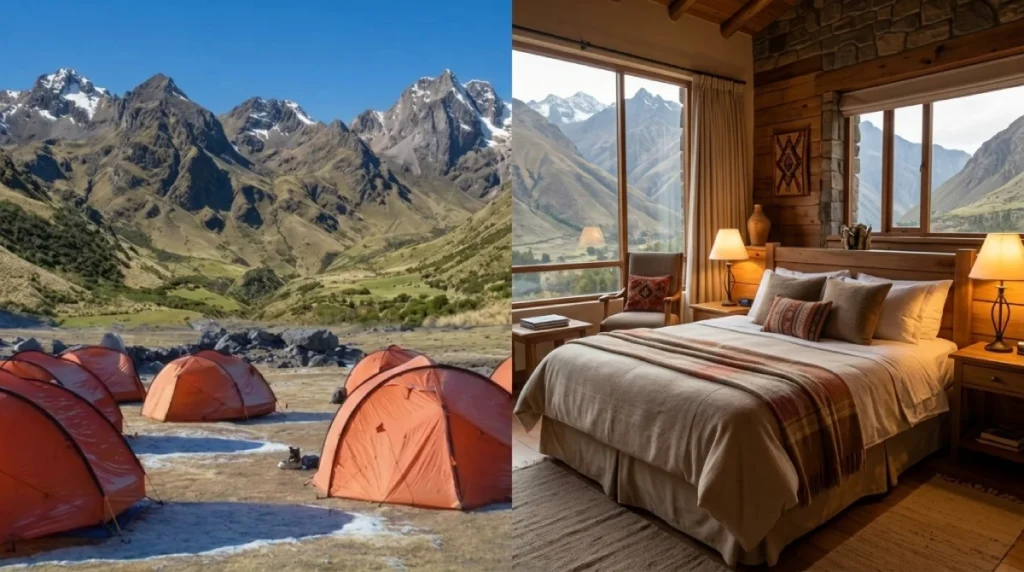
The place where to stay overnight on both routes defines much of the style of adventure you will live each night. In Lares, you will mostly sleep in organized camps under tents resistant to wind and snow. It is an experience of total immersion in nature, waking up to the sound of streams and local livestock.
In the Inca Jungle, accommodation is usually in basic hostels or family lodges in the towns along the way. This allows you to have access to a hot shower and a conventional bed most nights of the tour. If you want to book this experience, at Trails to Machu Picchu we organize it so that you rest well before each activity.
Frequently asked questions about Lares Trek or Inca Jungle what to see
Which is the best route to see wild animals?
If you are looking for Andean fauna like llamas and deer, the Lares Trek is superior for its open landscapes. Instead, to see tropical birds, hummingbirds, and butterflies, the Inca Jungle offers better opportunities in the jungle. We recommend choosing based on the type of ecosystem you are most interested in photographing during your hike.
Which route is more physically demanding for a beginner?
We consider the Lares Trek more demanding due to the constant altitude above 4,000 meters. The Inca Jungle requires less pulmonary effort but demands more energy for adventure activities like biking. If you have no mountain experience, the Inca Jungle is usually friendlier to the body.
Are special permits needed for these routes?
Currently, neither of these two routes requires the same advance permits as the traditional Inca Trail to the citadel. However, we recommend confirming space availability with us at Trails to Machu Picchu before your arrival. It is important to secure your Machu Picchu entrance tickets and train tickets in advance.
How to decide your trip according to Lares Trek or Inca Jungle what to see
Now that you know the differences between the calm of the mountain and the adrenaline of the jungle, you can decide better. If your priority is silence, living culture, and glacial landscapes, you will love the Lares Trek. If you prefer variety, action sports, and tropical heat, the Inca Jungle is your ideal path.
At Trails to Machu Picchu we are ready to help you plan either of these two unforgettable experiences in Cusco. Consider your physical fitness level and the type of environment where you feel most comfortable before booking. Whatever your choice, the final destination will be the impressive Inca citadel, the high point of your Peruvian adventure, do not hesitate any longer contact us.