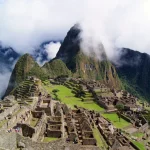
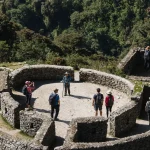
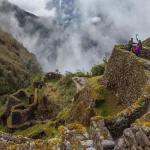
The Trekking to Huchuy Qosqo is one of the most authentic experiences in Cusco. It combines history, Andean landscapes, and less crowded routes. This archaeological site sits above the Sacred Valley of the Incas. It lets you discover an Inca place without large crowds. Therefore, many travelers consider it an excellent alternative to busier circuits. The trek also offers direct contact with local communities. You will see unique natural settings as well. Due to its strategic location, access is only possible on foot. This reinforces its appeal for adventure seekers. The Trekking to Huchuy Qosqo also stands out for its historical value. It was an important administrative center during Inca times. However, it still maintains a quiet and untouched atmosphere. This combination makes it one of the best options for hiking in the Sacred Valley of the Incas.
- Importance of the archaeological site and its context in the Sacred Valley
- Trekking routes in Cusco to Huchuy Qosqo
- How to get to Huchuy Qosqo from Cusco
- Trekking difficulty Huchuy Qosqo and required level
- Best time for trekking in Cusco and weather conditions
- Sacred Valley trekking landscapes and natural environment
- Alternative routes to Machu Picchu and tourist value
- What to bring on a hike in Cusco and practical recommendations
- Little-visited archaeological sites in Cusco and their importance
- Frequently asked questions
Importance of the archaeological site and its context in the Sacred Valley
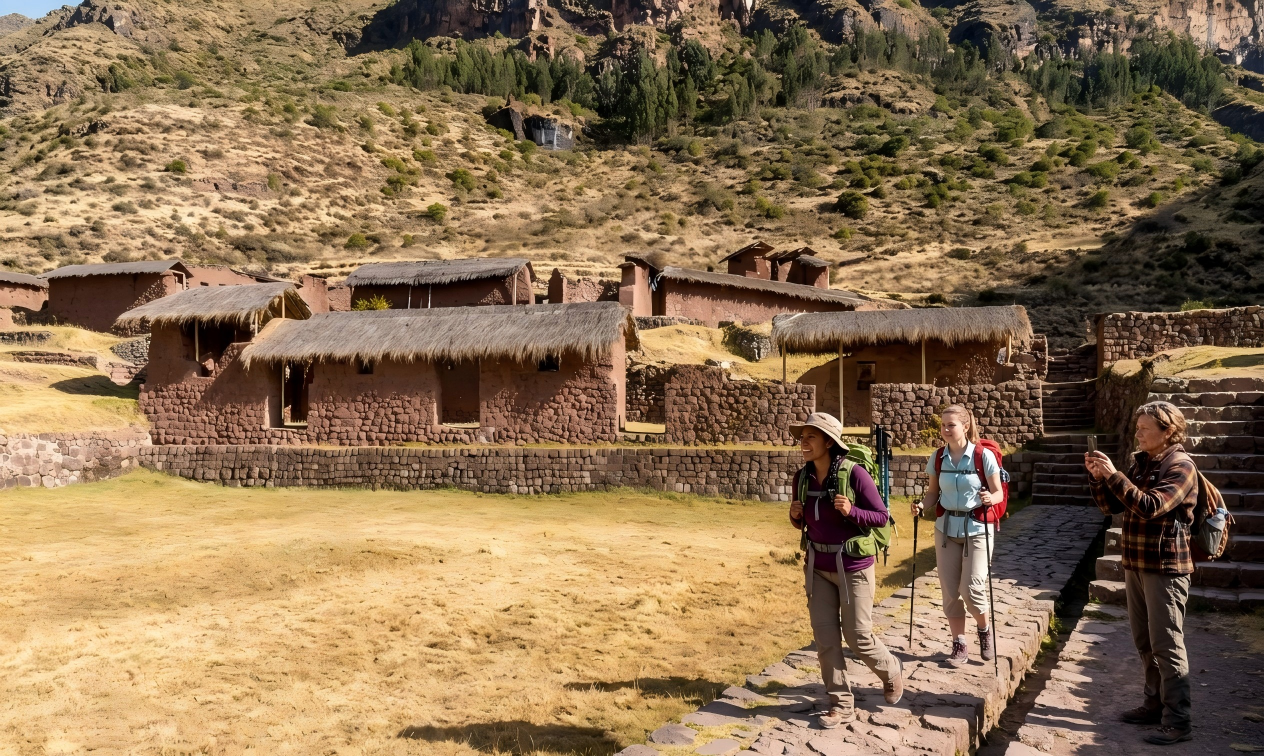
The complex of Huchuy Qosqo sits at over 3,600 meters above sea level. This site preserves stone structures, agricultural terraces, and ceremonial enclosures. Furthermore, it offers wide views of the valley and nearby villages. Therefore, its location was not accidental. It allowed territorial control and agricultural production. The Trekking to Huchuy Qosqo helps you better understand the Inca Empire’s organization. Likewise, the route connects with ancient paths used by local populations. These trails are part of the traditional Inca hikes in Cusco. They remain in good condition. However, unlike other routes, this destination has fewer tourists. This favors a quieter and more authentic experience. Also, its proximity to the valley makes it easy to combine the trek with other visits.
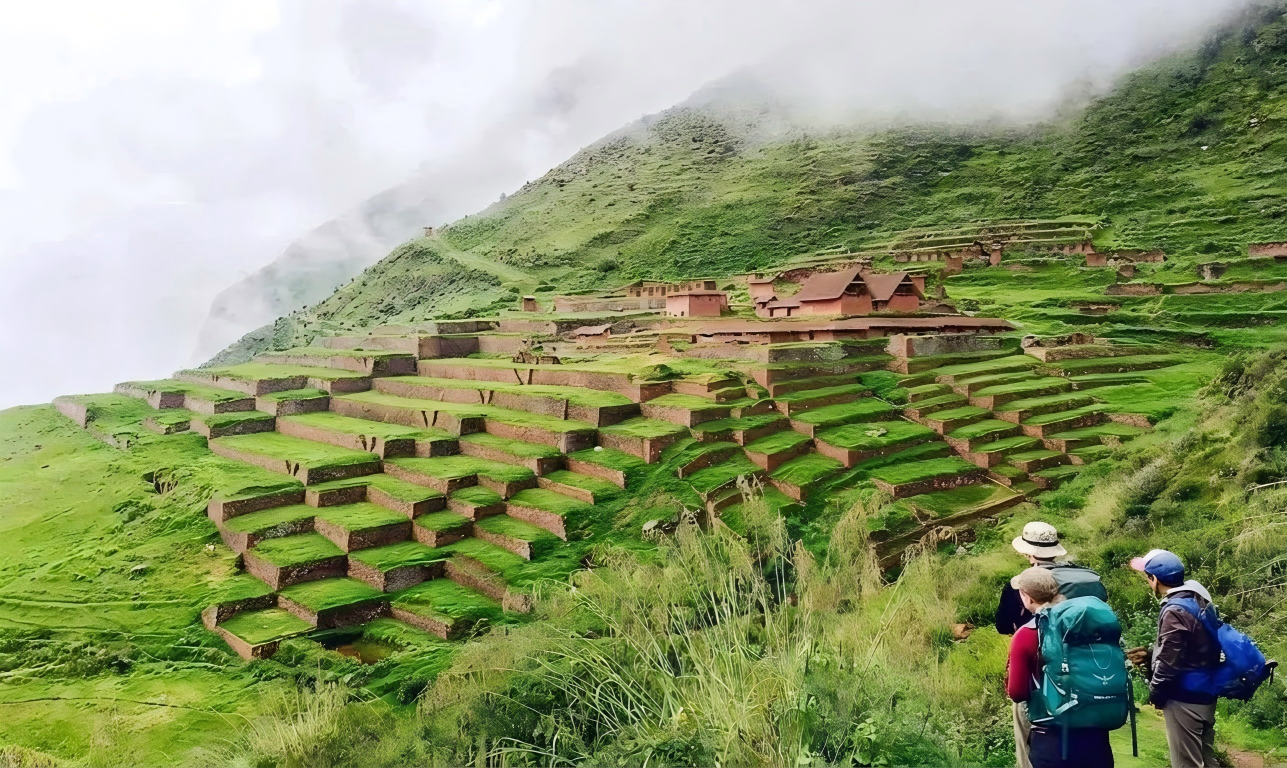
Trekking routes in Cusco to Huchuy Qosqo
There are several trekking routes in Cusco that lead to this archaeological site. Each one has different distances, difficulty levels, and landscapes. Therefore, it is important to choose the option based on your available time and physical condition. The Trekking to Huchuy Qosqo suits both short hikes and more demanding routes. Moreover, many of these routes are part of trekking in the Sacred Valley.
Tambomachay to Huchuy Qosqo route
The Tambomachay to Huchuy Qosqo route is one of the most popular. This trek starts near Tambomachay, an archaeological site close to Cusco. From there, the path goes through high Andean landscapes and lagoons. Additionally, you reach high points with panoramic views. Therefore, this route is ideal for those seeking a moderate challenge. The journey usually takes between six and eight hours. However, you can split it into two days for a calmer experience. The Trekking to Huchuy Qosqo via this route offers a variety of ecosystems. It also allows you to spot local wildlife such as birds and llamas. Due to the altitude, prior acclimatization is recommended.
Lamay to Huchuy Qosqo route
The Lamay to Huchuy Qosqo route is a shorter and more direct alternative. This trek starts from the town of Lamay, in the Sacred Valley. Therefore, the ascent is steeper, but the distance is shorter. The journey usually takes three to four hours. Additionally, it is an excellent option for a one-day trek in Cusco. The Trekking to Huchuy Qosqo via this route offers constant views of the valley. However, the physical effort may be greater due to the incline. This option is recommended for travelers in good physical shape.
How to get to Huchuy Qosqo from Cusco
Access to the site requires transportation to each route’s starting point. Therefore, you need to plan your transfer in advance. For the Tambomachay route, you can take a taxi from Cusco. For the Lamay route, you must travel to the Sacred Valley. The Trekking to Huchuy Qosqo requires basic logistical coordination. Additionally, there are tours to Huchuy Qosqo from Cusco that include transport and a guide. These alternatives are useful for those seeking more comfort. However, you can also do the hike independently. It is important to consider the return trip. This is usually done by descending towards Lamay.
Trekking difficulty Huchuy Qosqo and required level
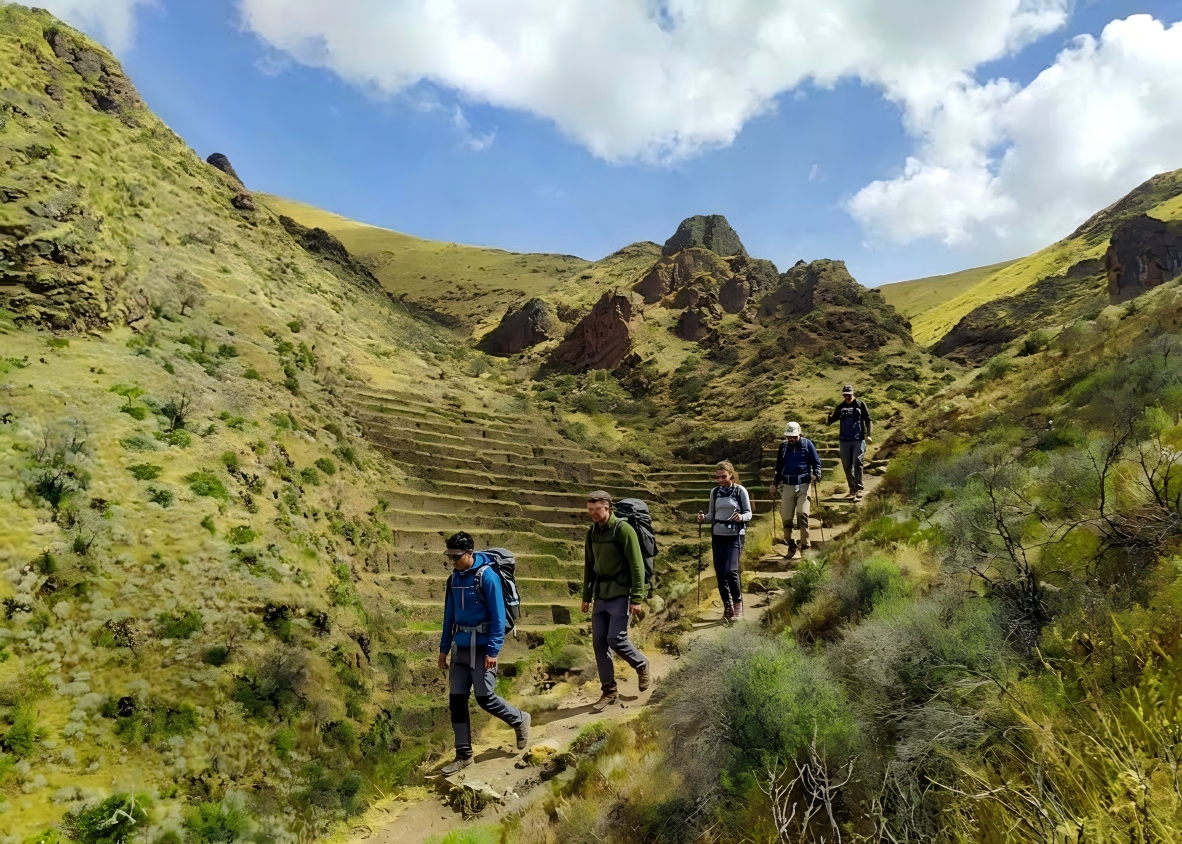
The trekking difficulty Huchuy Qosqo varies depending on the chosen route. In general, it is considered moderate level. However, some sections have demanding slopes. The Trekking to Huchuy Qosqo requires good physical condition. Additionally, altitude can cause fatigue in unacclimatized people. Therefore, it is advisable to spend a few days in Cusco before starting the hike. Using trekking poles can make the ascent and descent easier. Likewise, maintaining a steady pace helps avoid exhaustion. Due to the altitude, staying hydrated is essential throughout the journey.
Best time for trekking in Cusco and weather conditions
The best time for trekking in Cusco is during the dry season, from May to September. During these months, rain is less frequent. Therefore, the trails are in better condition. The Trekking to Huchuy Qosqo in this season offers clear skies and better visibility. However, temperatures can be low at night. In the rainy season, from November to March, the terrain can become slippery. Additionally, fog may limit the views. Due to these conditions, greater caution is recommended during that time. However, the landscape becomes greener and more attractive.
Sacred Valley trekking landscapes and natural environment
The Trekking to Huchuy Qosqo lets you enjoy diverse Sacred Valley trekking landscapes. During the route, you will see mountains, lagoons, and agricultural fields. Furthermore, the contrast between high areas and the valley creates unique views. Hiking in the Sacred Valley of the Incas offers direct contact with nature. Likewise, you can observe local communities and traditional activities. This adds cultural value to the journey. Therefore, it is not just a hike, but a complete experience. However, it is important to respect the environment and leave no trash.
Alternative routes to Machu Picchu and tourist value
The Trekking to Huchuy Qosqo is part of the alternative routes to Machu Picchu. These options seek to diversify the tourist offer in Cusco. Additionally, they help reduce pressure on more visited destinations. Therefore, this type of route promotes more sustainable tourism. The site offers history, architecture, and landscapes similar to other Inca destinations. However, it maintains a quieter atmosphere. This is attractive for travelers seeking different experiences. Furthermore, the cost is usually lower compared to other routes.
What to bring on a hike in Cusco and practical recommendations
Preparing the right gear is key to enjoying the Trekking to Huchuy Qosqo. Therefore, it is recommended to bring the following items:
- Comfortable layered clothing
- Trekking shoes with good grip
- Sunscreen and a hat
- Enough water and energy snacks
- Trekking poles
- Light backpack
- Rain jacket during the rainy season
Additionally, it is important to consider the altitude and changing weather. The Trekking to Huchuy Qosqo requires basic preparation to avoid issues. However, specialized equipment is not necessary. It is also recommended to carry cash for local expenses.
Little-visited archaeological sites in Cusco and their importance
The complex is part of the little-visited archaeological sites in Cusco. This allows for a quieter experience. Furthermore, it contributes to heritage conservation. The Trekking to Huchuy Qosqo helps distribute tourism in the region. Therefore, it benefits local communities. Likewise, it allows you to discover places with great historical value. However, it is important to follow conservation rules. This includes not damaging structures or leaving trash.
Frequently asked questions
1. Average duration of the complete route
The total time depends on the chosen route. In general, it can take between half a day and two full days. The longer routes include camping. Additionally, factors like weather and pace influence the duration.
2. Availability of local guides
There are guides in Cusco and the Sacred Valley. Many have experience in trekking routes. Additionally, they know the history of the site. This improves the visitor’s experience.
3. Entrance to the archaeological site
Access usually requires a tourist ticket. This ticket includes several sites in the region. However, it is advisable to check updated rates before traveling.
4. Camping options during the trek
Some routes allow camping in designated areas. These areas offer safe space. However, basic services are not always available. Therefore, you must bring appropriate equipment.
5. Impact of tourism in the area
Tourism generates income for local communities. Furthermore, it promotes cultural conservation. However, an increase in visitors can cause environmental impact if not controlled.
Discover our travel packages in Peru and let us organize the perfect adventure for you. Get a quote for your trip to Cusco today!