Visiting Machu Picchu is one of the most important experiences in Peru tourism. Thousands of travelers organize a trip to Machu Picchu every year. They want to see the famous Inca citadel of Peru and discover its main buildings. Among all its historic sectors, The 12 Attractions of Machu Picchu stand out the most. These places hold much of the archaeological, scenic, and cultural value of the historic sanctuary. Also, these spaces help you better understand the ancient Inca empire’s organization.
Many tourists arrive by train to Machu Picchu. Others prefer the traditional Inca trail to Machu Picchu. However, no matter which route you choose, knowing The 12 Attractions of Machu Picchu properly helps you make the most of your visit. The citadel combines temples, agricultural terraces, natural viewpoints, and ceremonial areas surrounded by Andean mountains. Therefore, planning your route in advance is essential to enjoy every space inside the archaeological complex.
- Historical importance of the Inca citadel of Peru
- The 12 Attractions of Machu Picchu within the main route
- Inca temples in Machu Picchu
- Ceremonial sectors and religious spaces
- Viewpoints and best views of Machu Picchu
- Huayna Picchu Mountain and additional routes
- Tourist circuits of Machu Picchu
- Aguas Calientes Peru and access to the sanctuary
- Tips for visiting Machu Picchu during your tour
- Best season for Machu Picchu
- Relationship between Machu Picchu and historic places in Cusco
- Frequently asked questions
Historical importance of the Inca citadel of Peru
The ancient citadel was built during Emperor Pachacútec‘s reign in the 15th century. It is also located among vegetation-covered mountains in the Cusco region. Due to its historical and architectural value, it is now part of the world heritage protected by international organizations. Many travelers interested in The 12 Attractions of Machu Picchu first seek to understand the site’s historical context before exploring its main sectors.
The buildings show advanced stone engineering techniques. Also, the Incas perfectly adapted their constructions to the mountainous terrain. For this reason, the place continues to amaze researchers and tourists. Visitors walk through plazas, agricultural terraces, and ancient ceremonial enclosures strategically distributed on the mountain. Many tour operators also offer tours to Machu Picchu from Cusco, making access and travel organization easier.
The tour through the archaeological ruins of Machu Picchu lets you see clearly different urban and agricultural sectors. Additionally, each building had specific functions related to religion, administration, and housing. Currently, authorities regulate access through different tourist circuits of Machu Picchu. These are designed to protect the sanctuary and improve your visitor experience.
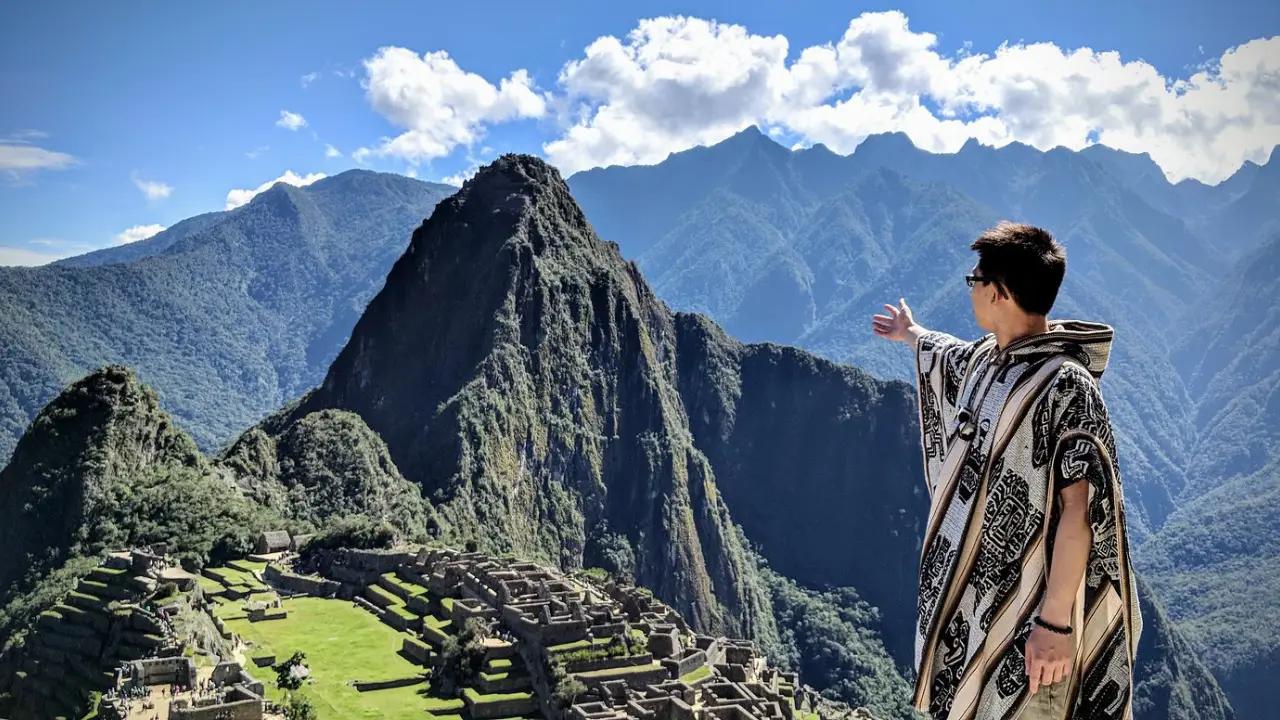
The 12 Attractions of Machu Picchu within the main route
Knowing The 12 Attractions of Machu Picchu properly requires organizing your tour according to the authorized circuit. Many sectors have limited access due to conservation measures. Also, some spaces have specific entry hours.
The main attractions include:
- Temple of the Sun
- Intihuatana
- Temple of the Three Windows
- Sacred Plaza
- Sacred Rock
- Temple of the Condor
- Guardian’s House
- Agricultural sector
- Ceremonial fountains
- Huayna Picchu Mountain
- Sun Gate (Intipunku)
- Inca Bridge
Each of these sectors is an essential part of The 12 Attractions of Machu Picchu. Also, all have different architectural and landscape features. Some spaces stand out for their ceremonial importance. Others excel for panoramic views of the mountain and valley.
Many tourists first take the classic tour to get familiar with the site’s layout. Later, some visitors return to explore additional routes within the historic sanctuary.
Inca temples in Machu Picchu
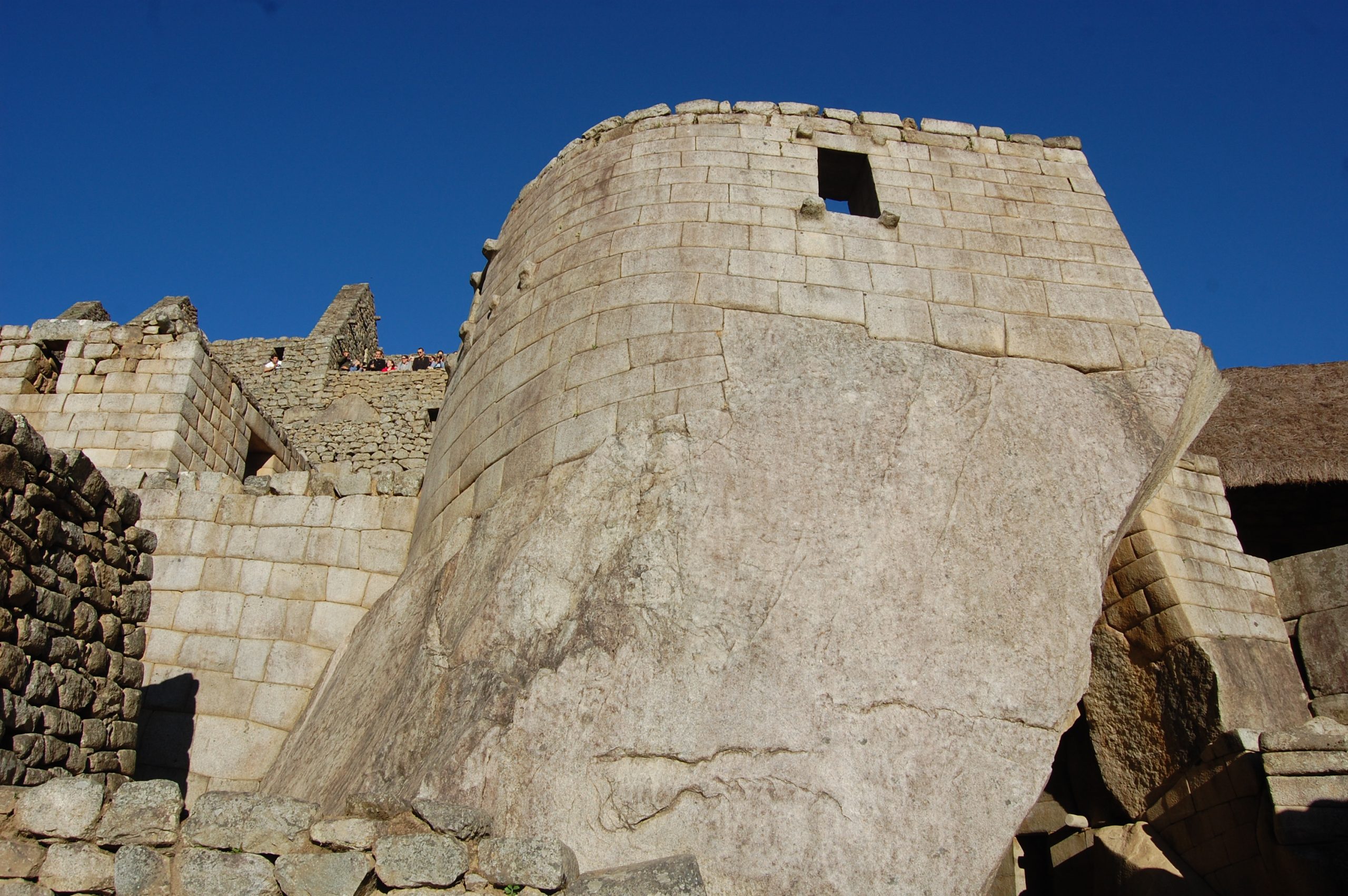
Temple of the Sun
The Temple of the Sun is one of the most important ceremonial spaces inside the citadel. Its semicircular structure was carefully built on a natural rock. Also, it has windows strategically oriented toward certain solar points.
Those who research The 12 Attractions of Machu Picchu often identify this temple as one of the most photographed sectors. The construction shows the astronomical knowledge developed by the Incas. Furthermore, the quality of stonework reflects the site’s religious importance.
Below the temple is a small ceremonial cave. This was possibly linked to funerary rituals. For that reason, this sector retains great historical relevance within the archaeological sanctuary.
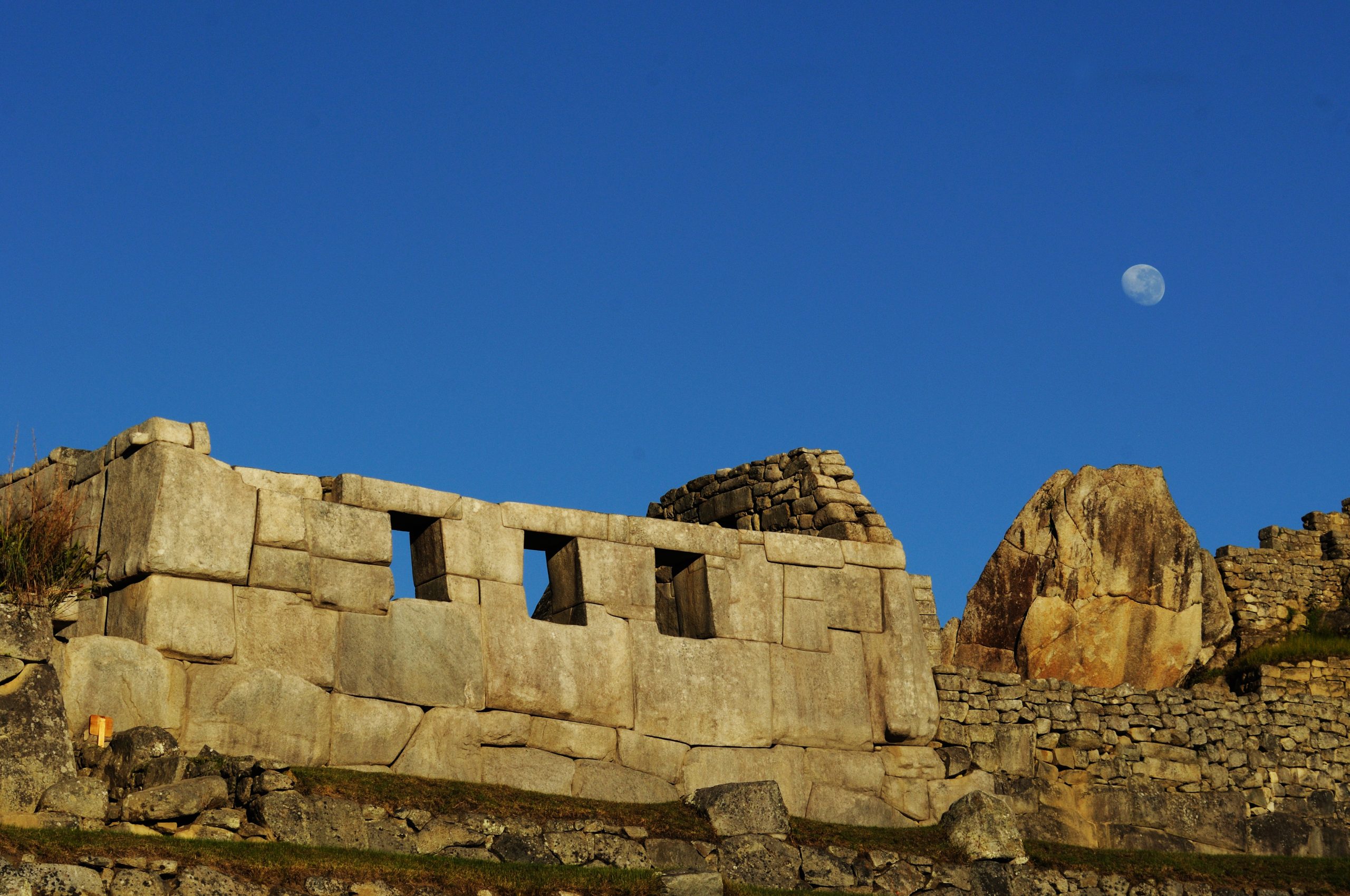
Temple of the Three Windows
The Temple of the Three Windows stands out for its enormous stone blocks perfectly assembled. Additionally, its trapezoidal windows let you see part of the surrounding mountain landscape.
Many travelers consider this space one of the best examples of Inca architecture within The 12 Attractions of Machu Picchu. The constructions reflect technical precision and adaptation to uneven terrain. Also, the sector connects directly to the so-called Sacred Plaza, one of the main ceremonial spaces.
Ceremonial sectors and religious spaces
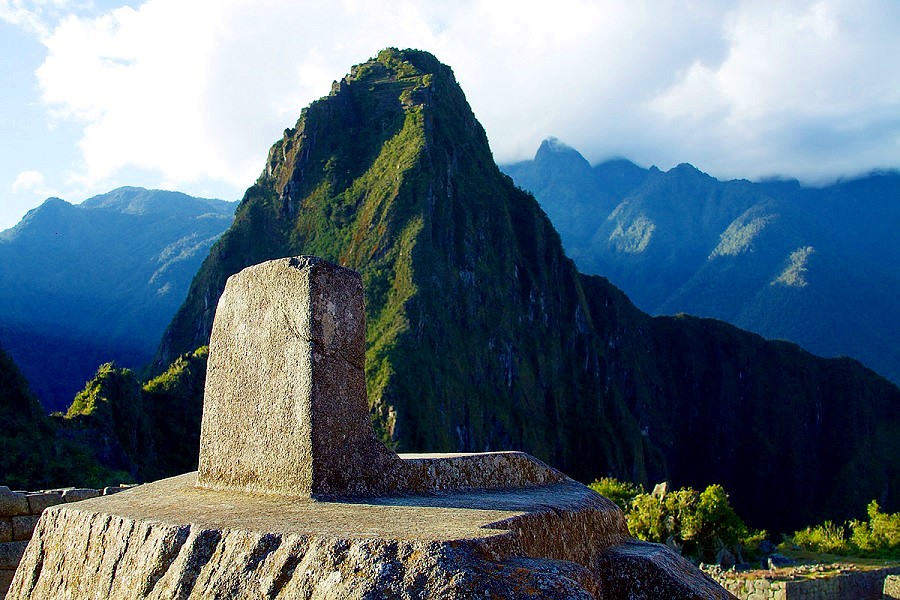
Intihuatana
The Intihuatana is one of the most well-known archaeological elements of Machu Picchu. This rock-carved structure likely functioned as a ceremonial astronomical marker. Also, it is located on an elevated sector with wide views of the sanctuary.
Access to this place is currently regulated to protect the structure. However, it remains one of the most sought-after spots within The 12 Attractions of Machu Picchu. Many guides explain the symbolic relationship between the Intihuatana and the solar movements observed by the Incas.
Temple of the Condor
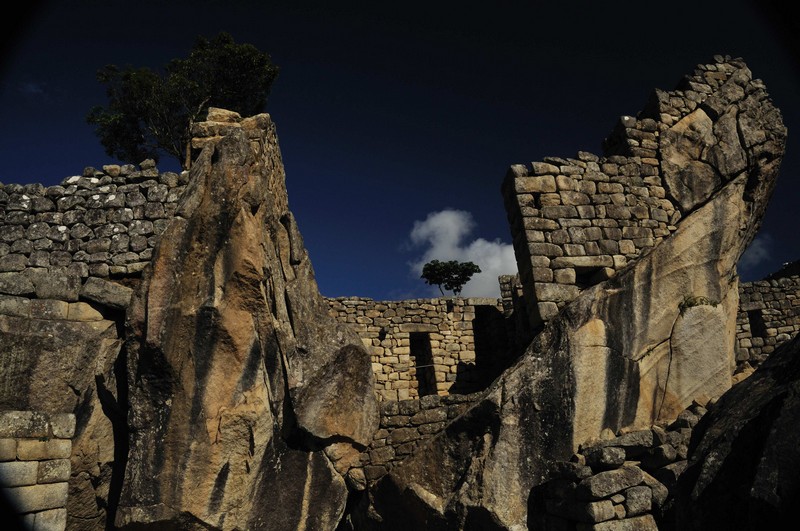
The Temple of the Condor combines natural elements with ceremonial architecture. Several carved stones form the shape of an Andean condor with outstretched wings. Also, the space likely had ritual functions related to religious beliefs.
Many tourists interested in the Inca temples in Machu Picchu consider this place one of the tour’s most striking sectors. The integration of natural rock and artificial construction again demonstrates the architectural capability of the Inca empire.
Viewpoints and best views of Machu Picchu
Guardian’s House
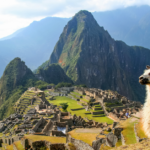
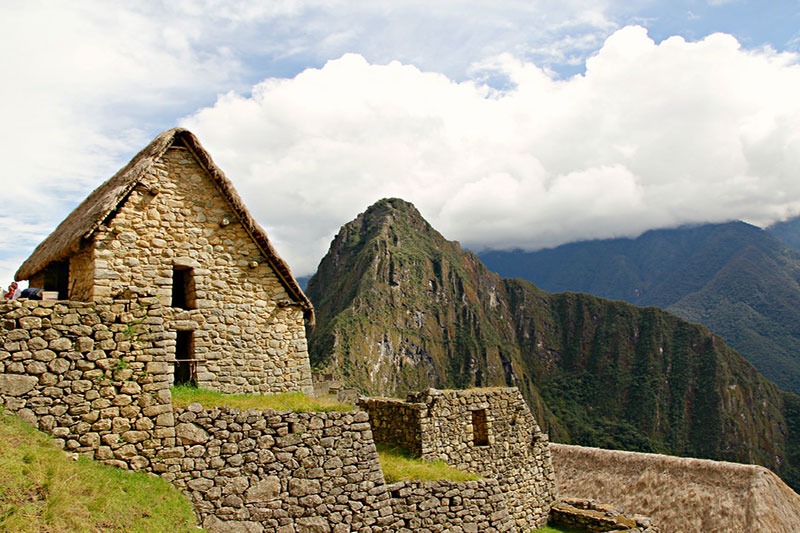
The so-called Guardian’s House offers one of the most famous panoramic images of the archaeological sanctuary. From this point, visitors get classic photos of the citadel surrounded by mountains.
Many travelers arrive early to see better weather conditions and fewer people. Also, the place lets you appreciate much of The 12 Attractions of Machu Picchu from a high position.
Tour agencies often start the main tour from this sector. Therefore, it also represents one of your first visual contacts with the magnitude of the archaeological site.
Sun Gate (Intipunku)
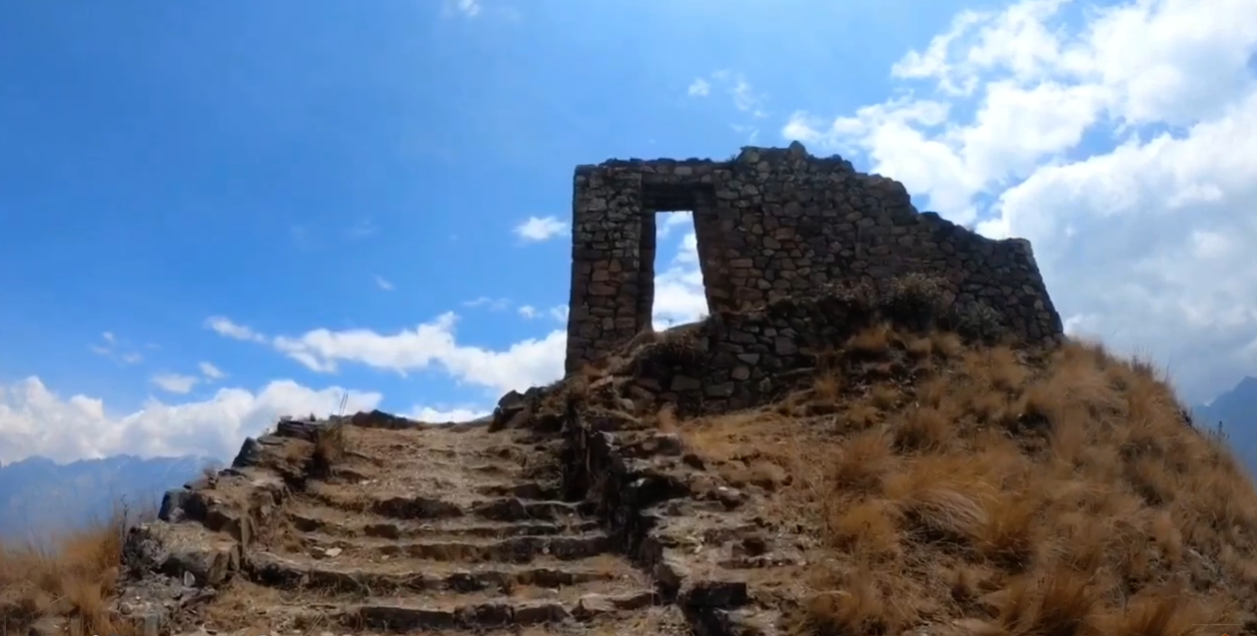
The Sun Gate, also known as Intipunku, once served as the main entrance for those arriving via the Inca trail to Machu Picchu. Today, many hikers take additional walks to this point. They come to enjoy wide views of the archaeological complex.
The walk requires some physical effort. However, the landscape more than compensates for the hike. Moreover, this sector is one of the preferred places for panoramic photography.
Huayna Picchu Mountain and additional routes
The famous Huayna Picchu mountain often appears behind classic photos of the citadel. Also, it represents one of the most requested complementary routes by visitors.
The ascent requires reserving spaces in advance due to the daily entry limit. Many tourists interested in The 12 Attractions of Machu Picchu consider this experience an essential activity during their trip.
The walk has narrow stairs and steep sections. However, views from the top let you fully see the citadel and the mountainous surroundings. Additionally, there are small archaeological enclosures distributed along the ascent.
Many travelers combine this experience with traditional tours through the archaeological ruins of Machu Picchu. For this reason, it is important to properly organize your entry and rest times.

Tourist circuits of Machu Picchu
Currently, authorities manage different tourist circuits of Machu Picchu to protect the archaeological heritage. They also control tourist flow. Each circuit allows access to specific sectors of the sanctuary.
Many tourists interested in The 12 Attractions of Machu Picchu must carefully select their ticket type before traveling. Some circuits include main ceremonial sectors. Others prioritize panoramic routes or complementary hikes.
Among the most important recommendations are:
- Book your entrance to Machu Picchu in advance
- Check availability for Huayna Picchu
- Review authorized entry times
- Carry personal documents during access
- Always stay on marked routes
Moreover, current restrictions greatly help preserve the condition of historic buildings and internal trails.
Aguas Calientes Peru and access to the sanctuary
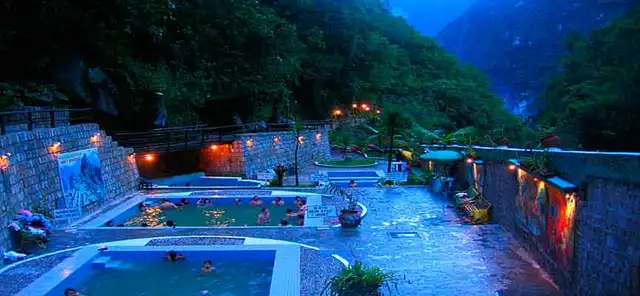
Most travelers first arrive at Aguas Calientes Peru, a town located at the foot of Machu Picchu mountain. This small town has hotels, restaurants, and tourist services for national and international visitors.
Many tourists make the trip by train to Machu Picchu from Cusco or Ollantaytambo. Later, they use official buses to go up to the main entrance of the archaeological sanctuary.
Those organizing a trip to Machu Picchu should consider adequate transfer and rest times. Also, staying one night in Aguas Calientes Peru lets you start your tour early the next morning.
Tours to Machu Picchu from Cusco operators usually include railway transport, buses, and complete logistical assistance. For this reason, many visitors prefer to hire organized services, especially during high-demand seasons.
Tips for visiting Machu Picchu during your tour
Proper planning greatly helps you enjoy each archaeological sector better. Also, mountain weather changes quickly during the day. Therefore, many specialists recommend preparing adequately before entering.
Among the main tips for visiting Machu Picchu are:
- Wear light, comfortable clothing
- Bring sunscreen and repellent
- Stay constantly hydrated
- Respect assigned schedules
- Avoid leaving authorized trails
- Carry only permitted luggage
Many tourists interested in The 12 Attractions of Machu Picchu also arrange their photo and rest times in advance. Moreover, starting the tour early lets you find less crowded sectors.
Authorities maintain strict controls to preserve archaeological heritage. For this reason, there are restrictions related to food, drones, and certain objects when entering the sanctuary.
Best season for Machu Picchu
The best season for Machu Picchu generally coincides with the dry months between May and September. During this period, rainfall decreases significantly. Weather conditions also favor hiking and photography.
Many visitors schedule their trips during these months to tour The 12 Attractions of Machu Picchu more comfortably. Additionally, panoramic views usually stay clear for most of the day.
However, high season also brings more tourists. Therefore, booking accommodation and tickets in advance is essential. During the rainy season, between November and March, the landscape becomes greener. Although rainfall increases, some travelers prefer this season due to lower tourist crowds.
Relationship between Machu Picchu and historic places in Cusco
Many travelers complement their visit to Machu Picchu by also touring other historic places in Cusco. The city’s historic center preserves colonial churches, Inca streets, and nearby archaeological complexes.
Also, destinations like Sacsayhuaman, Qoricancha, and the Sacred Valley help you better understand the Inca empire’s history. Many tour operators integrate these visits into complete packages throughout the region.
Those seeking to properly know The 12 Attractions of Machu Picchu often extend their trip by a few extra days. This decision lets them explore other important cultural spaces around Cusco and greatly enrich their tourist experience.
Frequently asked questions
1. How much time is needed to visit the main sectors of Machu Picchu?
The duration depends on the chosen circuit and your pace. Generally, the classic tour can take between two and four hours. However, those including hikes to Huayna Picchu mountain or the Sun Gate need more time. Also, many tourists take frequent breaks for photos and rest. Schedules also considerably influence your walking speed due to visitor flow inside the sanctuary.
2. Does the Machu Picchu entrance ticket include access to Huayna Picchu?
Not all tickets include access to Huayna Picchu mountain. There are specific tickets for that additional route, and daily availability is limited. For this reason, it is important to book in advance. Also, visitors must carefully review the selected circuit before purchasing. Some tickets only allow entry to the main tour of the archaeological citadel.
3. Can you visit Machu Picchu without booking an organized tour?
Many travelers organize the tour on their own using railway transport and local buses. However, many people prefer to hire tours to Machu Picchu from Cusco to simplify logistics. Organized services generally include transport, assistance, and tour guidance. They also help considerably during high-demand seasons and when ticket availability is limited.
4. What physical level does visiting Machu Picchu require?
The main tour can be done without advanced physical preparation. However, some additional routes are more difficult due to stairs and slopes. The hike to Huayna Picchu demands more physical effort and balance. Additionally, humid weather can increase fatigue during certain seasons. For that reason, it is advisable to walk slowly and stay hydrated throughout the tour.
5. What is the most recommended time to enter Machu Picchu?
Many visitors prefer to enter early in the morning to avoid larger tourist crowds. Also, early hours often offer better weather conditions and cooler temperatures. However, some travelers also choose later hours due to lighting for photography. The choice mainly depends on your reserved circuit and any additional activities planned inside the historic sanctuary.
Check out our travel packages in Peru and let us organize the perfect adventure for you. Get a quote for your trip to Cusco today!