The famous Q’eswachaka represents one of the most important cultural traditions in the Cusco region and of the current cultural heritage of Peru. This suspension bridge, made of vegetable fibers, keeps an ancient practice alive. This practice has been inherited from the time of the Inca Empire. Moreover, the natural environment offers stunning mountain views, rivers, and rural Andean communities. Because of this, thousands of travelers believe that visiting Q’eswachaka lets them discover an authentic part of Andean Peruvian history and culture.
The bridge sits over the Apurímac River. Local communities continue rebuilding it every year. Therefore, this place holds not only historical importance but also immense cultural and social value. Many tourists interested in traditional experiences now include Q’eswachaka on their travel routes through the Cusco region. Likewise, growing interest in experiential tourism in the Andes has made this destination one of the most representative of living Andean culture.
- Q’eswachaka and the Legacy of the Inca Bridge
- Living Culture of the Andes and Andean Tradition in Cusco
- Rural Landscapes of Cusco and Cultural Routes
- How to Get to Q’eswachaka and Cultural Excursion Options from Cusco
- Tour to Q’eswachaka from Cusco and Experiential Tourism in the Andes
- Festival of Q’eswachaka and Participation of Andean Communities
- Q’eswachaka as Part of Peru’s Cultural Heritage
- Frequently Asked Questions about Q’eswachaka
Q’eswachaka and the Legacy of the Inca Bridge
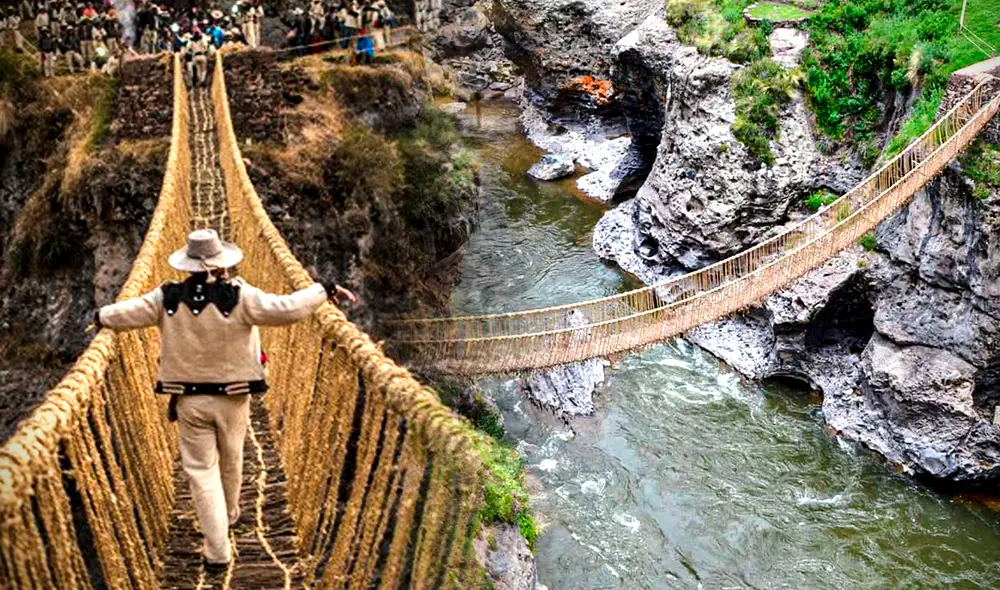
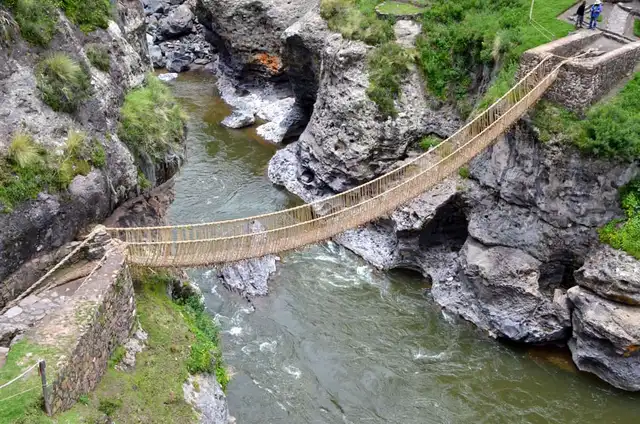
The renowned Inca bridge of Q’eswachaka is one of the few examples of ancestral engineering still in use. This suspension bridge is located in the province of Canas, within the Cusco region. It crosses the Apurímac River at a great height. Furthermore, its structure is renewed each year using traditional techniques passed down through generations.
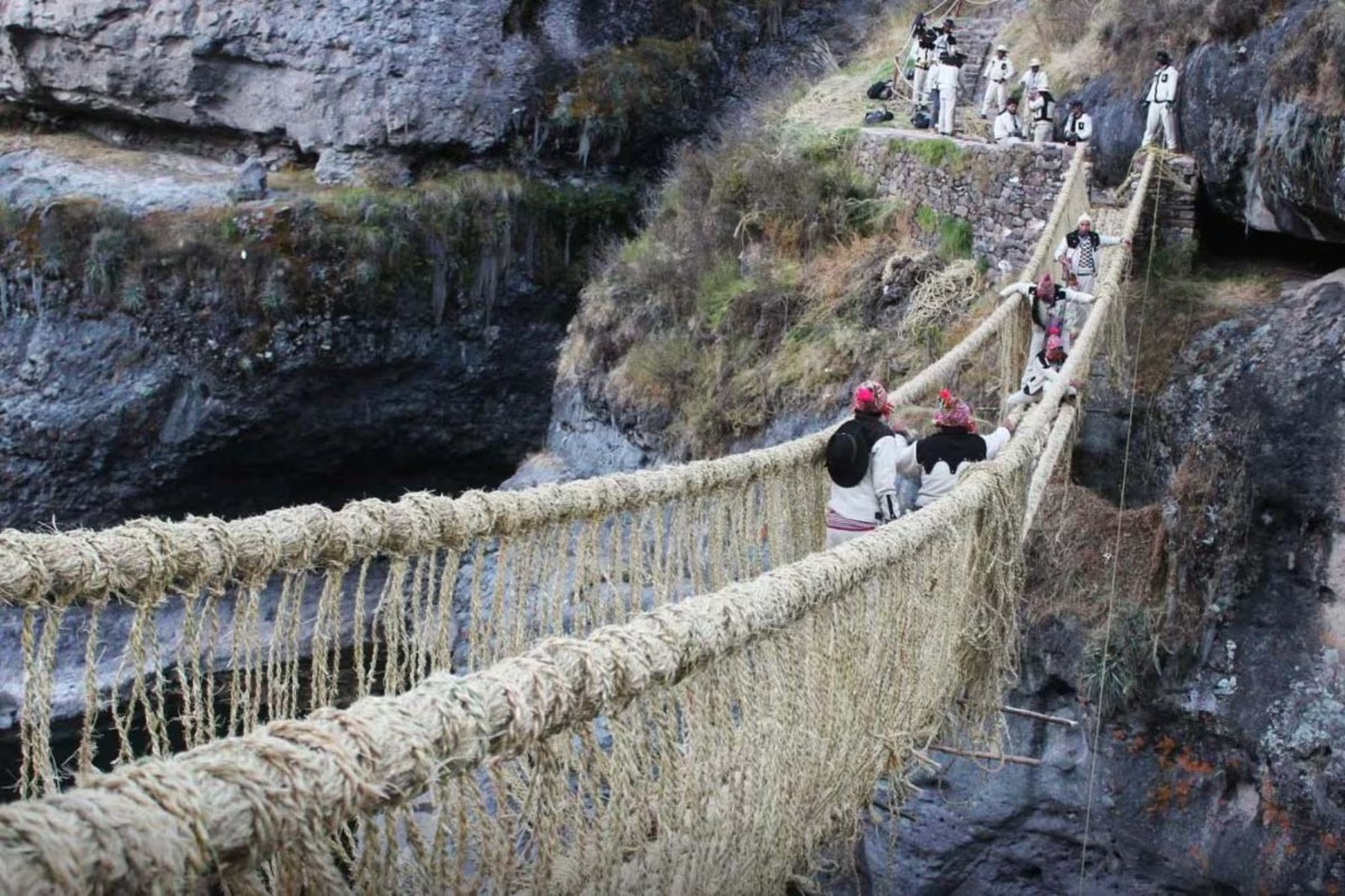
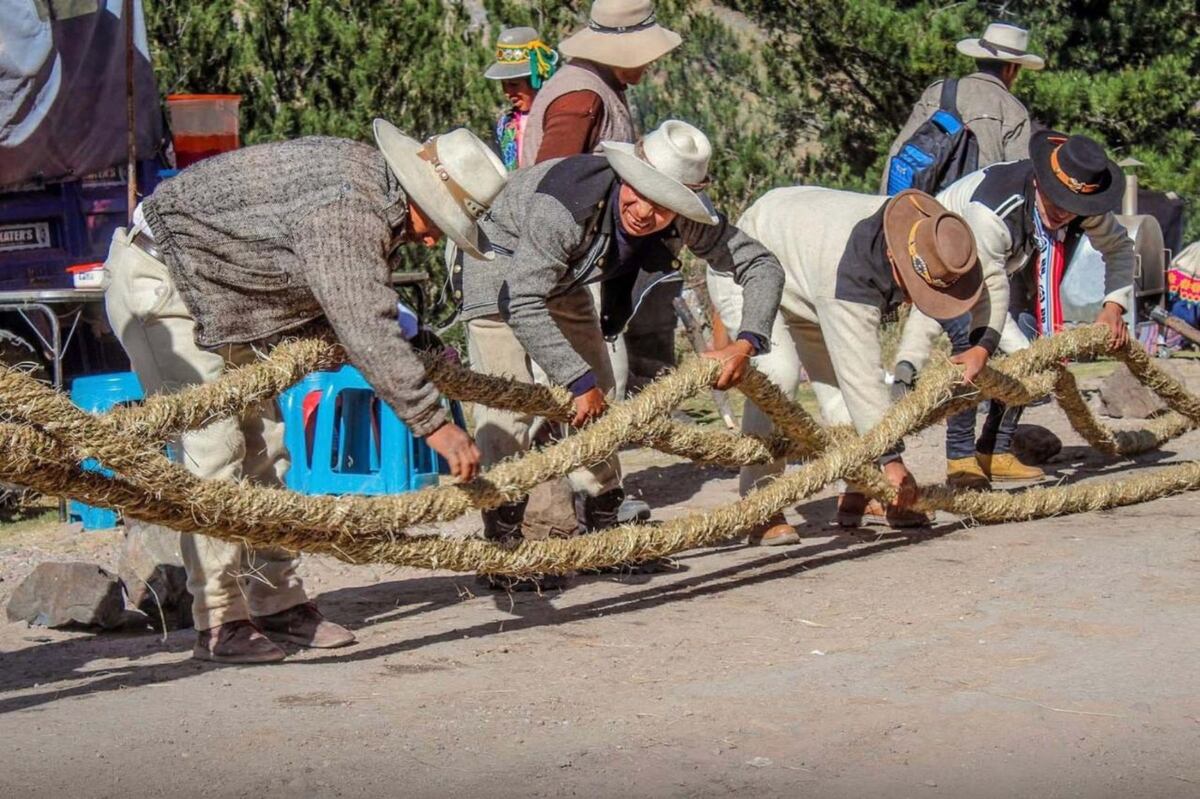
The annual reconstruction involves several Andean communities of Cusco. They work collectively using vegetable fibers called ichu. Thanks to this communal process, the bridge retains its authenticity. It also keeps one of the oldest cultural practices of the Andes alive. Likewise, this joint effort strengthens social and cultural ties among local residents.
Many travelers interested in historical places in Cusco find that visiting this bridge offers a completely different experience. It stands apart from other traditional tourist attractions. Unlike conventional archaeological sites, here you can directly observe an ancestral tradition that is still alive. For this reason, the cultural value of Q’eswachaka has received international recognition. It is seen as an important part of Peru’s living cultural expressions.
The bridge is about thirty meters long. It hangs over a deep canyon. Crossing it creates an exciting experience for many visitors. However, beyond the adventure, the real appeal lies in the enormous cultural meaning this ancestral structure holds for Andean communities.
Living Culture of the Andes and Andean Tradition in Cusco
The famous living culture of the Andes is clearly visible during bridge reconstruction activities. Each year, hundreds of locals participate in ceremonies, communal work, and traditional tasks related to renewing the bridge. Because of this, many tourists believe that visiting Q’eswachaka helps them better understand Andean customs that are still in force today.
The well-known Andean tradition in Cusco maintains a strong relationship with community values like cooperation and collective work. During the reconstruction, men and women perform different roles. They help make the ropes and assemble the bridge. Additionally, the activities include traditional music, cultural ceremonies, and community gatherings.
Many people seeking authentic experiences now look for destinations linked to local traditions and cultural heritage. Therefore, Q’eswachaka has become a leading cultural reference in the Peruvian Andean region. Likewise, the experience lets visitors see directly how communities preserve ancestral knowledge passed down for centuries.
The bridge’s cultural importance is also reflected in the interest from researchers, photographers, and travelers from many countries. Moreover, the site represents a key symbol of identity for the region’s rural populations. As a result, many people feel this destination perfectly summarizes the connection between history, culture, and community life in the Andes.
Rural Landscapes of Cusco and Cultural Routes
The beautiful rural landscapes of Cusco are a major attraction for those visiting the Q’eswachaka area. The journey to the bridge goes through mountains, small communities, and extensive agricultural areas typical of the Andean region. Additionally, the Apurímac River creates stunning natural scenery surrounded by ravines and mountain formations.
Many tourists interested in cultural routes in Cusco find this excursion offers a different experience from better-known tourist circuits. Unlike other crowded destinations, here you can enjoy a peaceful and authentic atmosphere. Likewise, the trip allows you to observe daily aspects of rural Andean life.
During the route, visitors can appreciate traditional buildings, crop fields, and activities related to high-Andean livestock farming. Furthermore, some communities preserve ancestral practices linked to textiles and traditional agriculture. Because of this, many travelers value this experience as a chance to see another side of the Cusco region.
The route is also ideal for landscape photography. The mountains, canyons, and natural environment generate panoramic views highly appreciated by visitors. Therefore, many people combine the cultural visit with activities related to landscape observation and rural tourism.
How to Get to Q’eswachaka and Cultural Excursion Options from Cusco
Interest in discovering how to get to Q’eswachaka has grown considerably in recent years. Many travelers start from the city of Cusco. They travel through different rural areas before reaching the bridge. Moreover, the journey lets you see other natural landscapes and small traditional towns in the Andean region.
Most visitors organize the experience through a cultural excursion from Cusco. The route can be completed in a single day. Likewise, there are agencies offering tourist transport, specialized guides, and complementary tours to other nearby attractions.
The road trip goes through rural provinces. Traditional agricultural and livestock activities still dominate there. Because of this, many people feel the journey itself is an important part of the cultural experience. Additionally, the routes offer panoramic views perfect for photography and observing the Andean landscape.
Key recommendations for the route include the following:
- Bring appropriate clothing for cold weather
- Use sunscreen and sunglasses
- Stay well hydrated during the trip
- Carry cash for small expenses
- Wear comfortable shoes for walking
- Rest properly before the excursion
Many tourists interested in cultural experiences especially value the chance to interact with local residents. They also enjoy learning about traditional rural customs. For that reason, the trip to Q’eswachaka is often considered much more than a simple tourist visit.
Tour to Q’eswachaka from Cusco and Experiential Tourism in the Andes
The famous tour to Q’eswachaka from Cusco has become one of the most requested activities. Travelers interested in Andean history and culture seek it out. Many agencies organize group and private tours. These include cultural visits, rural landscapes, and explanations of the traditions linked to the bridge.
The growth of experiential tourism in the Andes has boosted interest in destinations where authentic cultural practices are still observable. As a result, many travelers consider Q’eswachaka one of the best examples of living tradition within the Cusco region. Moreover, the active participation of local communities makes the experience much richer.
Many tours include visits to natural viewpoints, small lagoons, and rural areas near the bridge. Likewise, some tour operators offer complementary experiences related to traditional gastronomy and local cultural activities. Therefore, the excursion can become a complete Andean cultural immersion experience.
The most common activities within the tours include:
- Guided walks across the bridge
- Historical and cultural explanations
- Short walks through rural areas
- Observation of Andean landscapes
- Tourist photography
- Interaction with local communities
International interest in this destination continues to grow. This is thanks to the bridge’s cultural importance and historical value. Furthermore, many people believe that visiting Q’eswachaka lets them discover one of the most authentic cultural expressions of present-day Peru.
Festival of Q’eswachaka and Participation of Andean Communities
The renowned festival of Q’eswachaka is one of the most important cultural moments for rural populations near the bridge. Over several days, communities participate in activities related to the annual reconstruction of the structure. Additionally, the ceremonies include music, dances, and traditional practices inherited from ancient times.
The main Andean communities of Cusco involved in this activity work collectively. They make the vegetable ropes used on the bridge. Because of this, the reconstruction also represents a major expression of community cooperation and cultural preservation. Likewise, each family actively takes part in different stages of the process.
Many visitors plan their trips during the reconstruction season. They want to directly observe the cultural activities related to the bridge. Therefore, the festival has become one of the most valued experiences within Peruvian cultural tourism. Moreover, the authenticity of the ceremonies attracts photographers, researchers, and travelers interested in cultural heritage.
The festival’s importance also lies in its ability to preserve traditional knowledge. This knowledge relates to engineering, community work, and social organization. Thanks to this, Q’eswachaka continues to function not only as a physical bridge but also as a symbol of cultural identity for Andean populations.
Q’eswachaka as Part of Peru’s Cultural Heritage
The historical and cultural importance of Q’eswachaka has gained both national and international recognition. Currently, this bridge is a main reference point for the cultural heritage of Peru. This is due to the preservation of ancestral techniques still used by local communities.
Many specialists believe the main value of this place lies in the continuity of a cultural practice. This practice has been passed down for centuries. Unlike other historical monuments, here the tradition remains active. It continues to be part of daily life in rural communities. Additionally, the annual reconstruction strengthens a sense of collective identity among the locals.
Cultural recognition has also contributed to the growth of responsible tourism in the region. Because of this, many institutions now promote the conservation of traditions linked to the bridge. They also promote respect for local communities. Likewise, visitors receive information about the site’s cultural and social importance.
Many travelers interested in authentic experiences believe that visiting Q’eswachaka helps them better understand the relationship between cultural heritage and community life in the Andes. Therefore, this destination has consolidated itself as one of the most representative cultural expressions of contemporary Peru.
Frequently Asked Questions about Q’eswachaka
1. What is the best time to visit Q’eswachaka?
The dry season usually offers better conditions for the route and tourist activities. Generally, the months between May and September have less rainfall. They also provide better road travel conditions.
2. Is the Q’eswachaka bridge still used today?
Yes. Although its tourist function is now important, the bridge continues to be rebuilt each year. Local communities use traditional techniques for this.
3. How long does a cultural excursion from Cusco take?
Most tours are completed in a single day. However, the duration may vary depending on the chosen route. It also depends on additional activities included in the tour.
4. Is it safe to cross the Inca bridge of Q’eswachaka?
Yes. Local specialists renew the bridge annually using traditional techniques. Moreover, tourist visits usually take place under supervision and basic safety measures.
5. What other tourist sites can be visited near Q’eswachaka?
Many tours include visits to lagoons, natural viewpoints, and nearby small rural communities. Additionally, some tours incorporate other cultural attractions within the Cusco region.
Discover our travel packages in Peru and let us organize the perfect adventure for you. Get a quote for your trip to Cusco today!