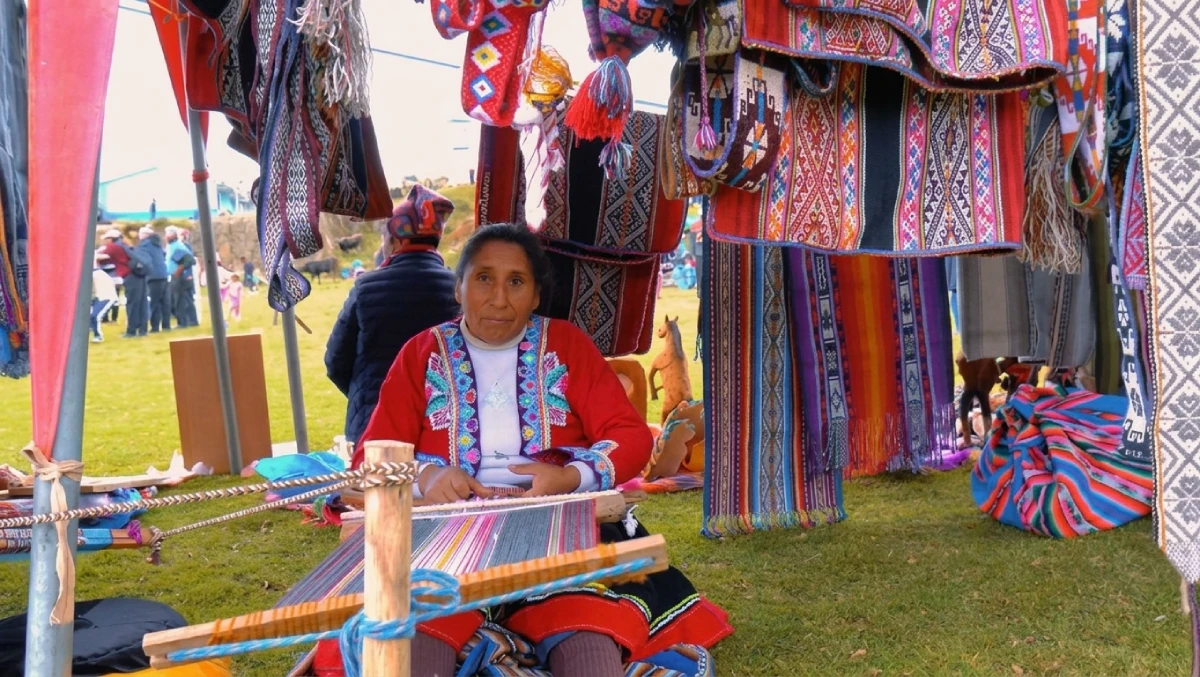
You will find the best pieces of craftsmanship in the cobblestone streets and traditional fairs of the city. That is why choosing what souvenirs to buy in Cusco allows you to take a fragment of the Andes home with you. We at Trails to Machu Picchu recommend looking for seven specific pieces for their historical significance and beauty.
Textiles with Andean soul and ancient tradition
You will immediately notice the softness and natural shine of the fibers that local artisans transform with patience. For this reason, these garments stand out for their ability to retain heat without being too heavy.
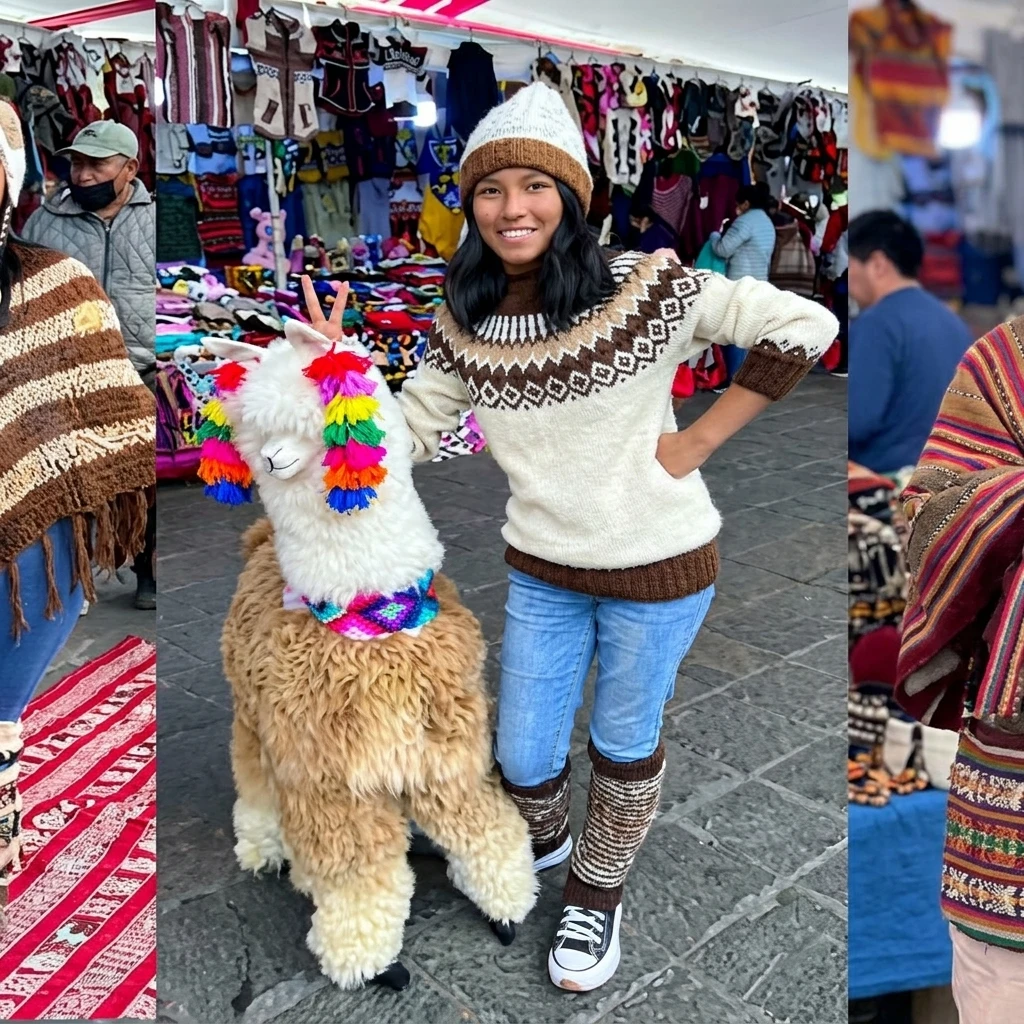
1. Alpaca wool textiles
These garments are famous all over the world for their silky texture and their incredible resistance to the passage of time. You will notice that an original poncho or blanket feels cold to the initial touch, which indicates its purity.
In addition, the alpaca fiber quality is divided into categories according to the fineness of the thread used by the weavers. We suggest looking for the Baby Alpaca label, as it comes from the first shearing of the adult animal.
To recognize an authentic piece, you can look at these technical details:
- Verify that the garment does not have an excessive synthetic shine under sunlight.
- Touch the piece against your cheek to feel its natural freshness and extreme softness.
- Observe the weight, as genuine alpaca wool textiles are surprisingly light.
- Check the finishes on the edges to confirm that the work is handmade.
Production of natural dyes
Many of these textiles maintain vibrant colors thanks to the production of natural dyes technique used for centuries. Master artisans use insects like cochineal and various local plants to obtain deep reds, greens, and yellows.
If you visit nearby communities, we at Trails to Machu Picchu can help you learn about these traditional dyeing processes. With this, you will understand why each design on the loom tells a different story about the mountain.
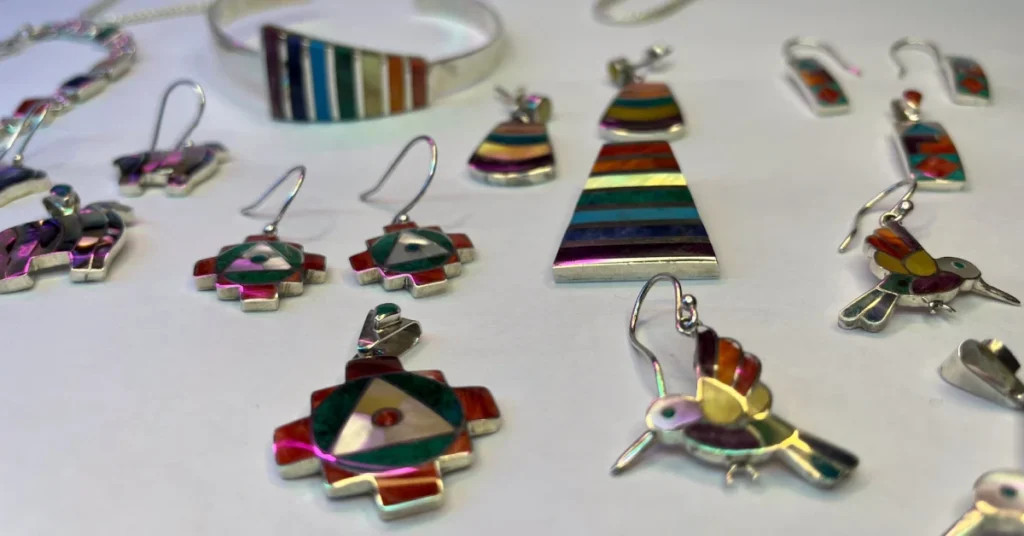
2. Peruvian silver jewelry
Local goldsmiths maintain colonial techniques to create pendants, rings, and bracelets of exceptional purity. You will notice that the design of Peruvian silver jewelry usually integrates Andean iconography loaded with spiritual symbolism.
One of the most sought-after representations in these pieces is the meaning of the chakana or Andean cross. This symbol represents the connection between the earthly, celestial, and ancestral worlds in Inca cosmology.
When choosing a piece of silver jewelry, consider the following important points:
- Always look for the 950 or 925 stamp that guarantees the purity of the precious metal.
- Prefer pieces with inlays of natural stones such as turquoise or sodalite.
- Ask the artisan if the design includes motifs from traditional Inca-era pottery.
- Compare the shine of legitimate silver against cheaper alloys.
Symbols of protection and faith in the home
After exploring the textiles, you will discover objects that decorate the roofs and altars of Cusco homes. These pieces represent the fusion between pre-Hispanic beliefs and the traditions brought during the colonial era.
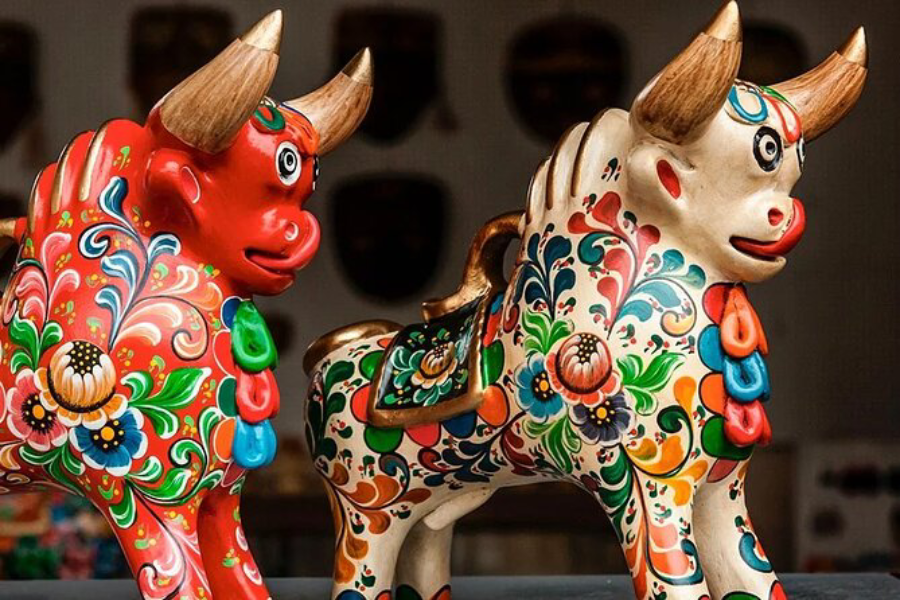
3. History of the Pucara bull
This ceramic figure is the most common symbol of protection that you will see on the houses in Cusco. Although its origin is in Puno, the history of the Pucara bull became deeply intertwined with local culture.
It is said that these bulls attract prosperity, happiness, and fertility to the families who possess them. Usually, they are placed in pairs to represent the duality and balance necessary in every Andean home.
When looking for your own bull, we recommend paying attention to these elements:
- The holes in the nose symbolize the breathing and constant life of the spirit.
- The handle represents the union of worlds through the strength of the animal.
- The colors have different meanings, with ocher being one of the most traditional.
4. Imagery of the San Blas neighborhood
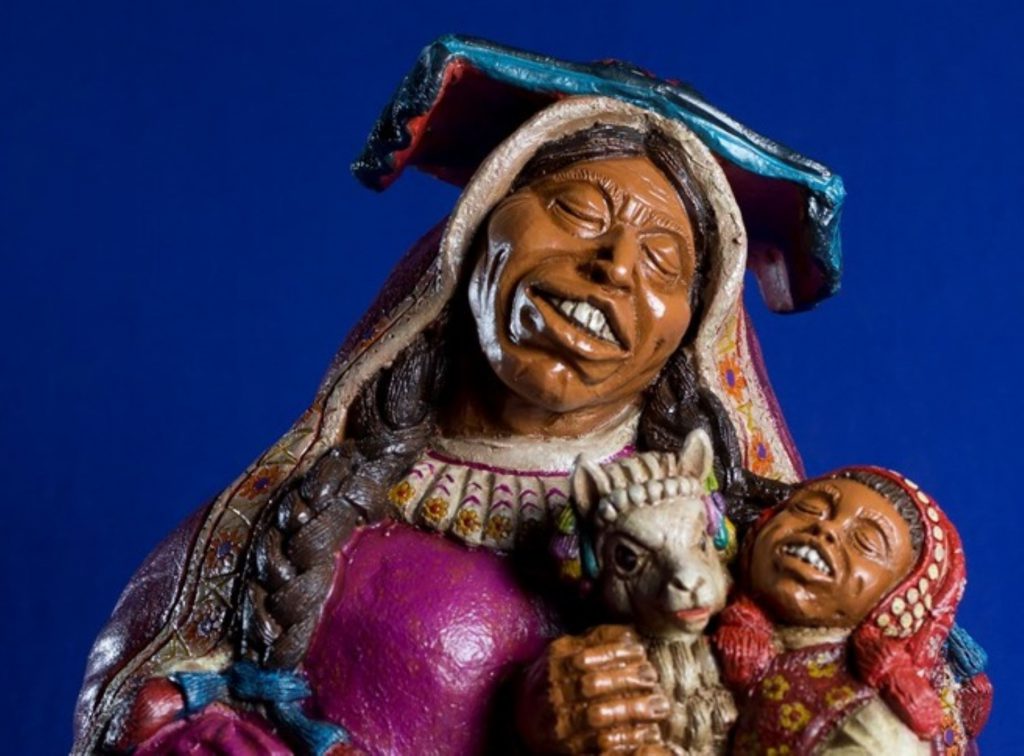
Walking through the slopes of San Blas will allow you to meet the masters who keep the long-neck technique alive. The imagery of the San Blas neighborhood is world-renowned for its figures of angels and saints with indigenous features.
You will notice that these sculptures are made with a special paste of rice, potato, and plaster called maguey. Thanks to this material, the pieces achieve a unique delicacy that has fascinated collectors for decades.
To appreciate this folk art in Cusco, we suggest following these steps:
- Visit the family workshops where masters teach their techniques to new generations.
- Observe the detail of the eyes, which are usually made of hand-painted glass.
- Look at the folds of the garments, which imitate real fabrics with great precision.
- Ask about the drying time, since larger pieces require months.
Artistic expressions of the colonial era
Beyond imagery, pictorial art and wood carving define the aesthetics of local temples. These pieces reflect the talent of artists who merged European styles with their own vision of the world.
5. Paintings of the Cusco School
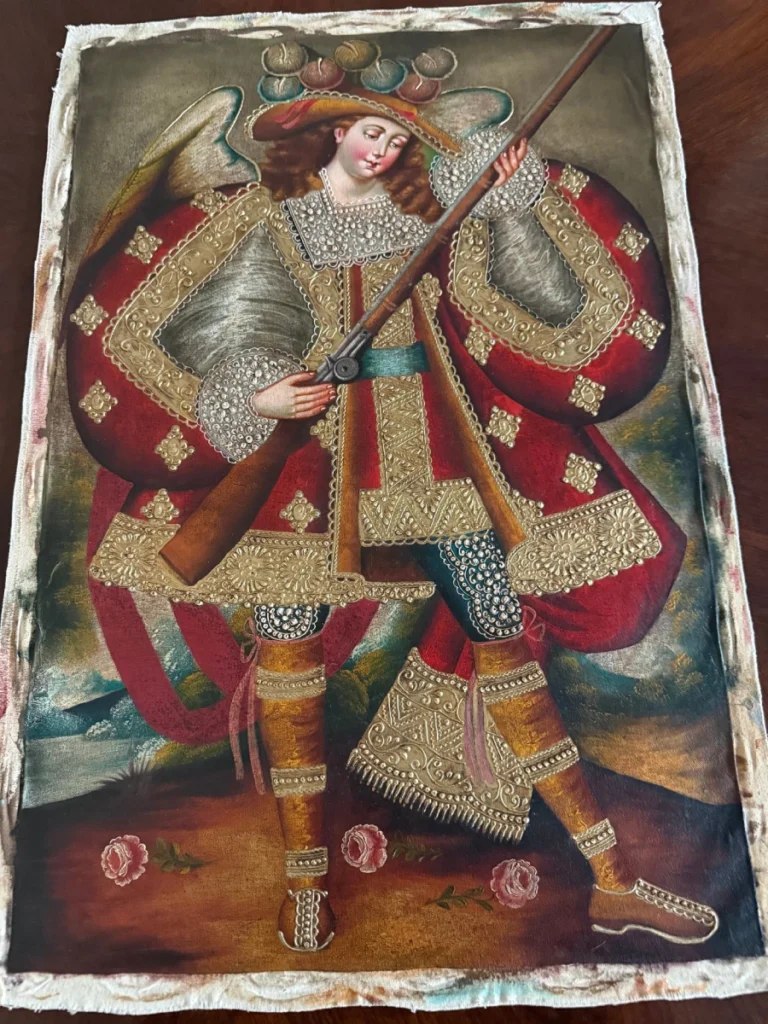
The paintings of the Cusco School are famous for the intense use of gold leaf and religious themes. In these works, you will see archangel harquebusiers and virgins wearing tunics with local Andean flower motifs.
This artistic movement was born in the 17th century as a creative response from indigenous painters to Spanish influence. Currently, you can acquire high-quality replicas that maintain the original manual varnishing and gilding process.
When checking a painting to take home, keep this in mind:
- The canvas must be well-stretched over a stable and dry wooden frame.
- Gold leaf applications should appear integrated and not simply glued on top.
- Look for faces that convey the serenity characteristic of this colonial artistic style.
6. Glazed ceramic pieces
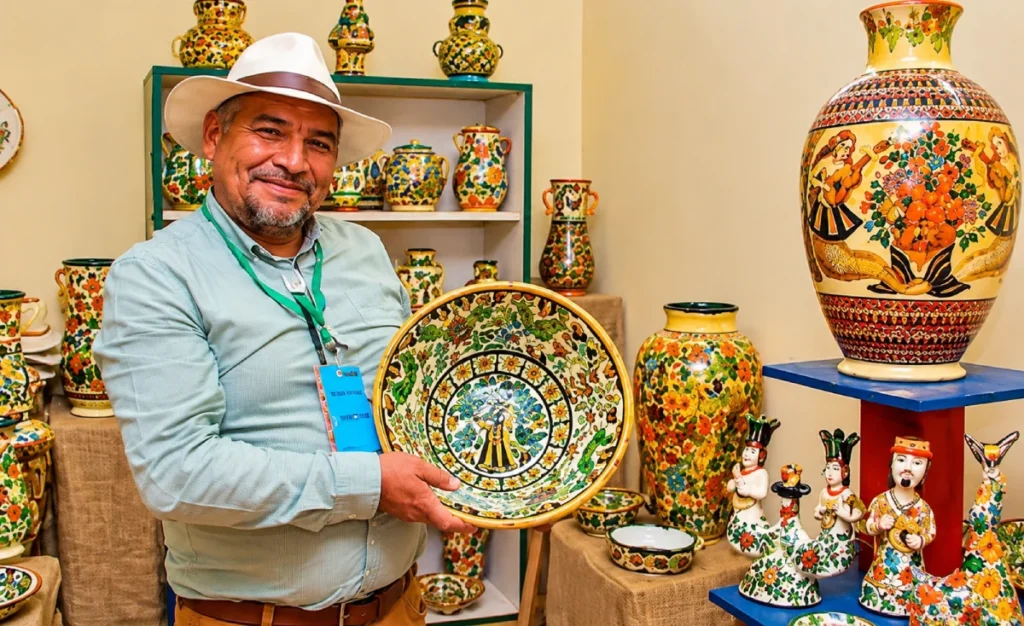
The city’s traditional kilns produce tableware and fountains decorated with very distinctive floral and geometric motifs. These glazed ceramic pieces are the result of centuries of experimentation with clays and mineral pigments.
Unlike Inca-era pottery, which was mostly matte, this technique provides a bright and colorful finish. It is common to find plates with representations of local fauna, such as llamas and birds from the Andean region.
To choose good ceramics, you can follow these recommendations:
- Tap the piece gently to verify that the sound is clear and not dull.
- Ensure that the glaze covers the entire surface evenly and without bubbles.
- Ask if the pigments used are suitable for food consumption or are only decorative.
7. Carved wood works
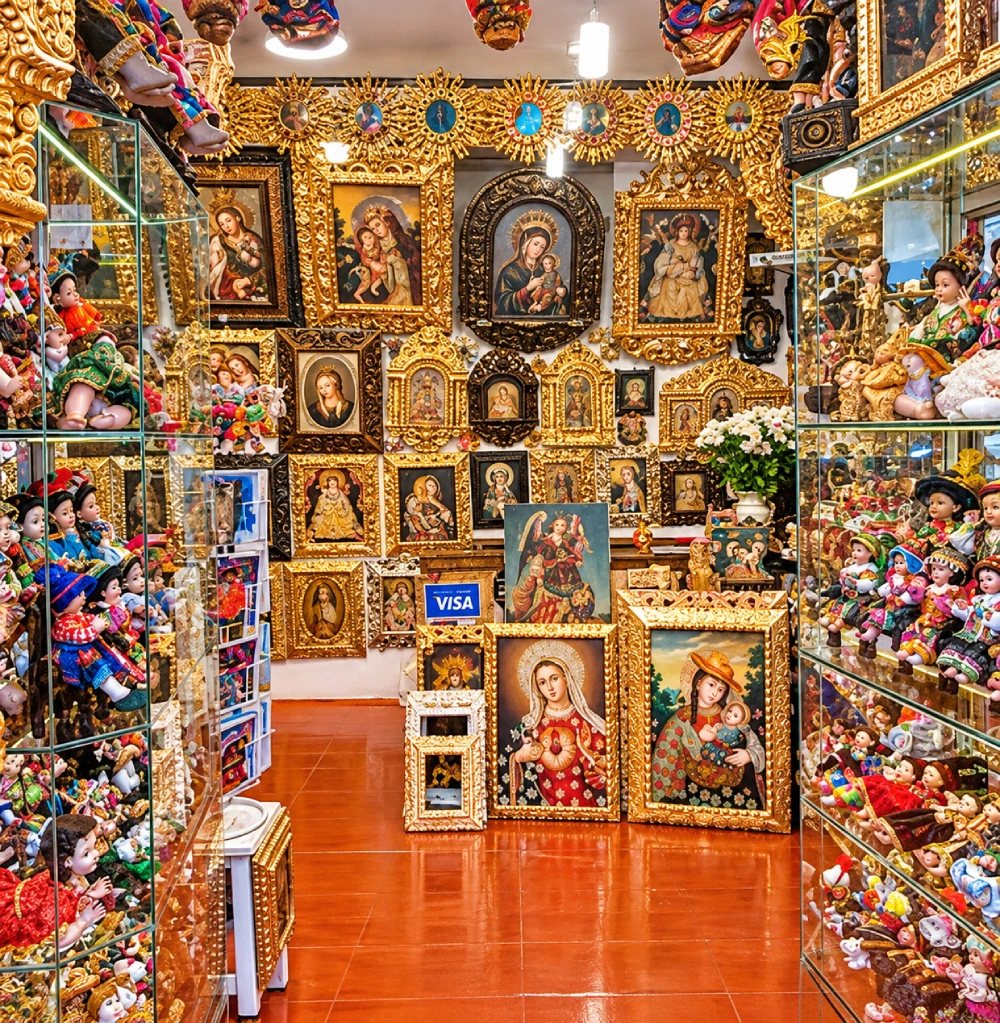
Cedar and walnut are the preferred materials by local cabinetmakers to create monumental frames and mirrors. These carved wood works are usually covered with thin gold leaf to highlight their intricate design.
You will notice that the most common motifs include acanthus leaves, tropical fruits, and scrolls that recall the Andean Baroque. Many of these pieces are made in small workshops where you can smell the aroma of fresh wood.
If you decide to buy a wood carving, we advise you the following:
- Verify that the wood has no cracks that could widen with climate change.
- Check that the carving is deep and that the shapes are symmetrical on both sides.
- Ask about the packing method, since they are fragile pieces for international transport.
- Ensure that the weight is consistent with the type of wood offered to you.
Where to find the best artisanal treasures?
Now that you know the main pieces, you need to know where to look for them to ensure a fair and authentic purchase. The city offers everything from busy markets to specialized boutiques where the service is more personalized.
Artisan markets in Cusco
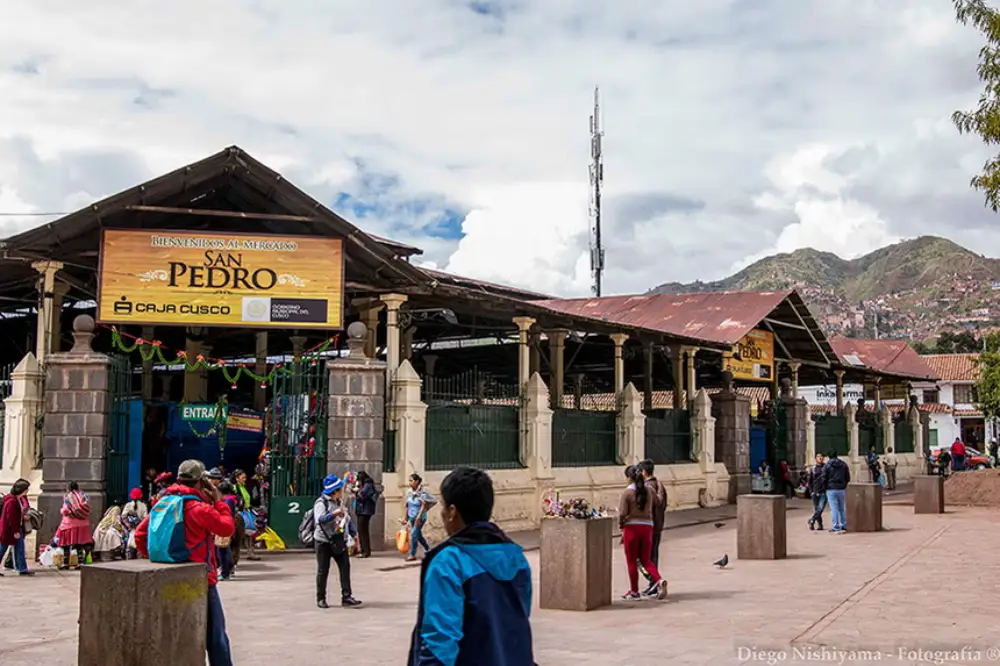
The San Pedro market is the ideal starting point for any traveler looking for variety and affordable prices. You will find aisles full of Andean musical instruments, such as quenas and panpipes, made with reeds from the nearby jungle.
It is also the perfect place to purchase specialty coffee from Cusco, grown in the valleys of Quillabamba. Local beans are appreciated for their balanced acidity and chocolatey notes that delight any demanding palate.
Fairs and creative districts
The Cusco artisan center, located at the end of Avenida El Sol, offers a quieter environment for shopping. We usually recommend looking for textiles there, as the variety of designs and qualities is very extensive.
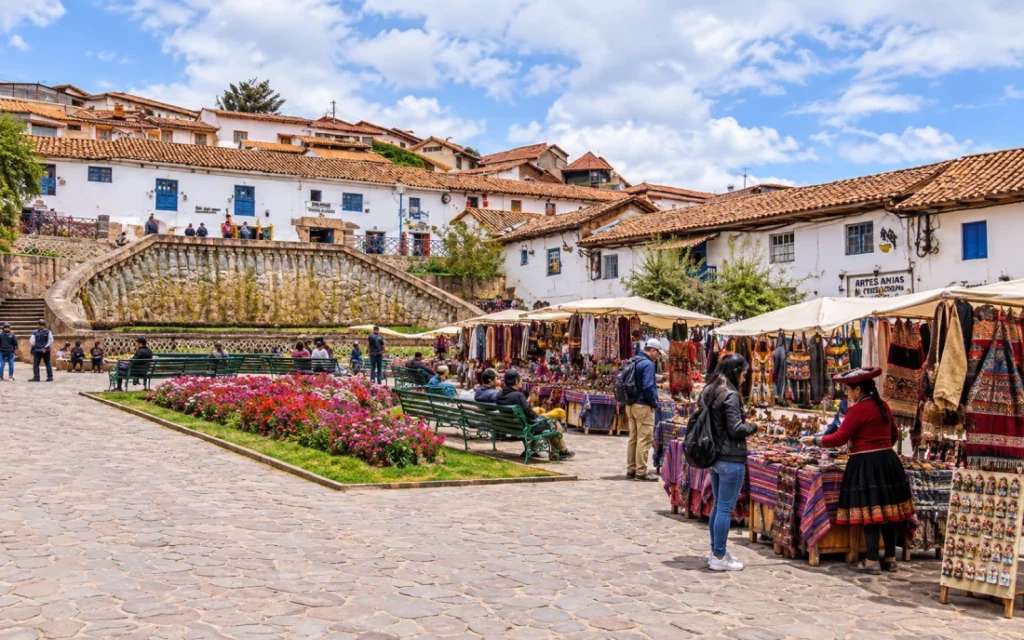
On the other hand, the Saturday fair in the San Blas square brings together contemporary artists. It is an excellent space to find modern proposals inspired by the ancestral past of the capital of the Inca empire.
How to choose the best quality for your souvenirs?
Before finishing your shopping, it is essential that you learn to distinguish between industrial and handmade products. A handmade object will always have small irregularities that make it unique and valuable for your collection.
To ensure a good experience, we suggest following these practical tips:
- Dedicate time to talk with the artisans about the history behind their handmade creations.
- Compare prices at different stalls to get a clear idea of the real market value.
- Always ask for a payment receipt or a workshop card for future references.
- Ask about customs restrictions in your country for the entry of organic products.
We at Trails to Machu Picchu want you to return home with objects that truly represent your trip. With these tips, you will be ready to choose what souvenirs to buy in Cusco in a conscious and responsible way.