The Manu Tour from Cusco is an unforgettable experience for those looking to venture into the Manu jungle of Peru, discover its impressive flora and fauna of Manu, and enjoy an authentic Amazon rainforest experience in Peru. In this article, we’ll cover in detail the itinerary, prices, and key recommendations to plan a trip to Manu National Park from Cusco. You’ll learn how to get to Manu from Cusco, what the most affordable options are (budget Manu tour), what to expect from a 4-day tour to Manu, when is the best time to visit Manu, and how this trip promotes ecotourism in Manu National Park and a sustainable trip to Manu. However, this blog is also for those who want to explore the Manu Biosphere Reserve, get to know the native communities in Manu, and take part in exciting excursions in the Peruvian jungle, including the famous birdwatching in Manu.
- Recommended Itinerary for the Manu Tour from Cusco
- Prices and Costs of the Manu Tour from Cusco
- Key Recommendations for Your Manu Tour from Cusco
- What to See and Do During the Manu Tour from Cusco?
- Why Choose the Manu Tour from Cusco?
- Frequently Asked Questions About Manu Tour from Cusco
- Our Related Tours about Manu National Park Peru
Recommended Itinerary for the Manu Tour from Cusco
Day 1: Departure from Cusco and arrival in Atalaya
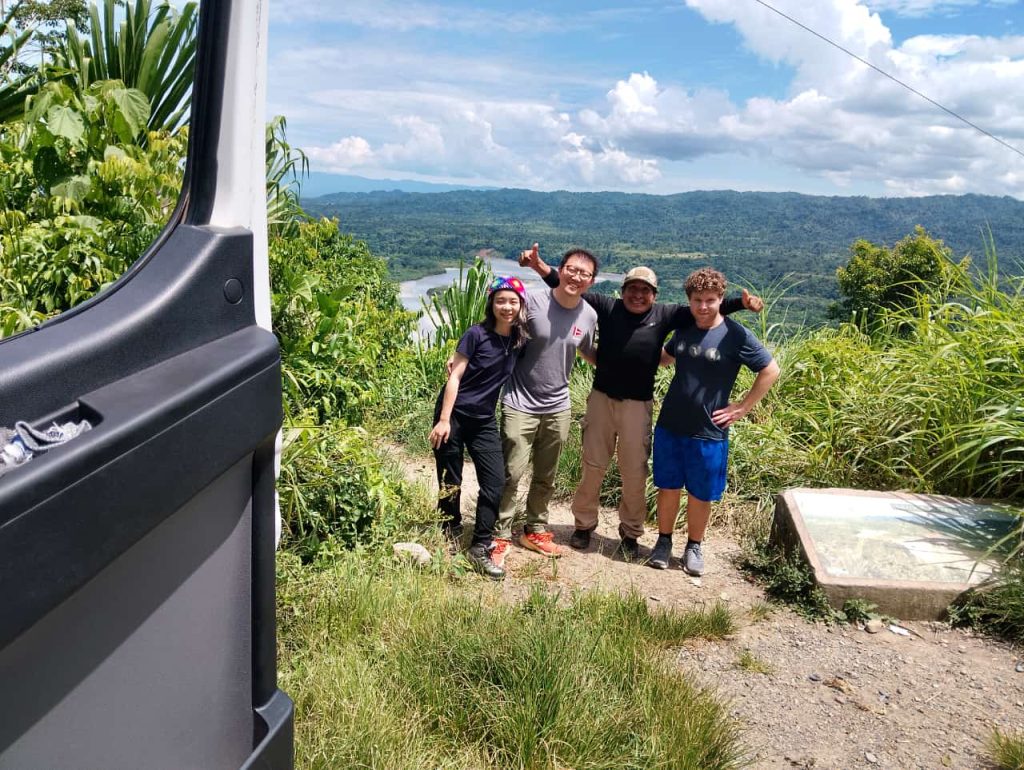
The Manu Tour from Cusco starts early, usually by bus or van. From Cusco, the route takes approximately eight hours along a road that crosses valleys and mountains until reaching Atalaya. On this first day, you’ll experience the contrast between the Andes and the jungle, making it a great introduction to the biodiversity of Manu. The transition from puna to jungle is emphasized, as the climate and landscape change rapidly. This stage includes a brief stop at a viewpoint to appreciate the Manu Biosphere Reserve, as you are entering one of the most biodiverse areas on the planet. In the afternoon, you arrive at the campsite, where there is a talk on the principles of a sustainable trip to Manu. This first day is key according to those who have taken a budget Manu tour and later choose to extend it.
Day 2: Explore the lowland jungle and native communities
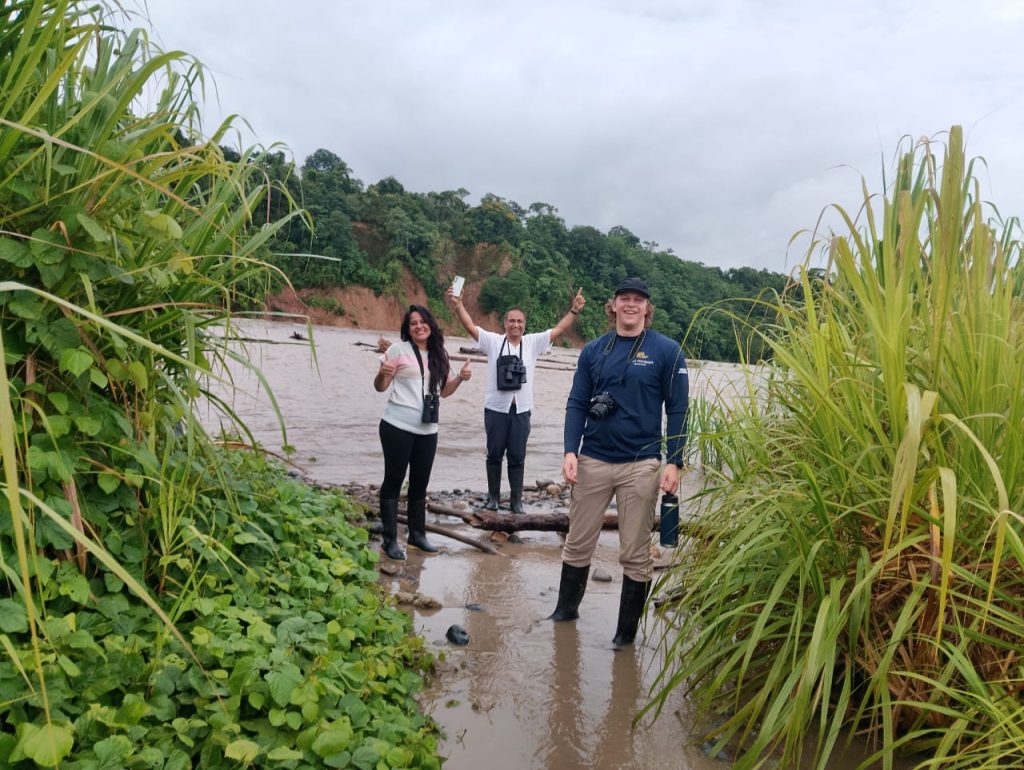
On the second day, a guided hike through the lowland jungle takes place, ideal for those who enjoy close contact with the flora and fauna of Manu. You’ll see iconic species, hear birds and monkeys, and visit a nearby native community. Here you’ll learn about traditional life and support tourism in Manu from Cusco that respects local customs. In addition, a birdwatching in Manu session takes place at dawn, a popular activity in the 4-day tour to Manu. In the afternoon, you can take boat excursions along rivers and feel the energy of the Amazon rainforest of Peru. It’s a day full of discoveries and meaningful contact with communities that maintain an ancestral lifestyle in harmony with their surroundings.
Day 3: More jungle and wildlife
The third day continues with deeper hikes into the Manu jungle of Peru, including views of waterfalls or “water eyes”, and sightings of animals like tapirs, caimans, and various birds. It’s an intense day in nature, emphasizing ecotourism in Manu National Park. Around midday, you’ll enjoy a picnic in the shade of vegetation, and in the afternoon return to the base camp to rest. Those who chose a budget Manu tour find this day key for balancing effort with spectacular views and unique experiences in the Peruvian jungle.
Day 4: Return to Cusco with a stop in Madre de Dios
The final day of the Manu Tour from Cusco may vary depending on the booked duration, but a 4-day tour to Manu typically includes an early departure by boat or shared transport to Atalaya or Puerto Maldonado, depending on the selected route. From there, you return by road to Cusco. Along the way, there’s a stop at a panoramic point overlooking the Madre de Dios River, where you can admire the majesty of the Amazon basin and have one last chance to view the rich flora and fauna of Manu. Finally, you arrive in Cusco at night, ending a journey full of learning, adventure, and connection with nature.
Prices and Costs of the Manu Tour from Cusco
Budget Manu Tour: Affordable Options
There are affordable options to explore Manu without sacrificing quality. A budget Manu tour of 4 days can cost between USD 350 and USD 450 per person, depending on whether the group is shared or private transport is used. These prices include transport from Cusco, campsite accommodation, bilingual local guides, meals, and entrance to Manu National Park. Due to logistical costs and park regulations, these prices are usually stable, although they may vary slightly depending on the season and group size. It’s possible to reduce costs even more by traveling during the low season or sharing services.
Longer Tours and Premium Services
For those who want more time, there are 5, 7, or even 10-day tours that include stays in jungle lodges, longer excursions, and personalized services. A more complete Manu Tour from Cusco can cost between USD 600 and USD 1,200 depending on the level of comfort, exclusivity, and duration. Still, the vast majority of travelers opt for the 4-day tour to Manu as it offers a balance of time, price, and experience.
Key Recommendations for Your Manu Tour from Cusco
Best Time to Visit
The best time to visit Manu is during the dry season, from May to October. However, thanks to its location in the Manu Biosphere Reserve, it’s possible to visit year-round. The wet season (November to April) brings heavy rains that can make boat trips and hikes difficult. Therefore, choosing the dry season makes access easier, improves the birdwatching experience, and reduces the risk of insect-borne diseases.
Essential Preparations
Before departing, it’s essential to determine how to get to Manu from Cusco: most tours include land and river transport, and you must decide whether to travel via Atalaya or Puerto Maldonado. As for gear, bring light, waterproof, quick-dry clothing, comfortable boots, repellent, sunscreen, and a small backpack for excursions. Due to the area’s biodiversity and variable climate, it’s important to have a basic first-aid kit. Recommended vaccines include yellow fever, and it’s advisable to consult a health center for updated recommendations.
Sustainability and Cultural Respect
A sustainable trip to Manu requires attention to the native communities in Manu, avoiding single-use plastics, and respecting their customs. Choosing responsible operators supports tourism in Manu from Cusco that benefits local communities, encourages the preservation of the jungle, and protects the flora and fauna of Manu. Additionally, you should follow guidelines not to disturb trails or feed wildlife.
What to See and Do During the Manu Tour from Cusco?
Birdwatching and Wildlife
Birdwatching in Manu is one of the most in-demand activities. With over 1,000 species recorded in the Manu Biosphere Reserve, local guides point out strategic spots to see macaws, tanagers, hummingbirds, and harpy eagles. Also, hikes allow you to spot monkeys, tapirs, anteaters, and caimans along the rivers. This Amazon rainforest experience in Peru fascinates nature lovers.
Visit Communities and Local Culture
Visiting native communities in Manu means learning about rustic architecture, artisanal traditions, and hunting and fishing techniques. Many communities welcome visitors, showcasing their sustainable lifestyle. This cultural contact enriches the journey with meaning, as it’s not only about observing nature, but also understanding how people live in this ecosystem.
Excursions in the Peruvian Jungle
Excursions in the Peruvian jungle include night walks to spot frogs and tarantulas, boat rides on rivers with river dolphins, and visits to natural pools. There are also hikes to observation towers with canopy views…
… There are also hikes to observation towers with canopy views, offering a panoramic look at the immensity of the Amazon rainforest of Peru. This variety of excursions in the Peruvian jungle is included in most itineraries, even in the budget Manu tour, and ensures an unforgettable experience for travelers of all ages.
Why Choose the Manu Tour from Cusco?
The Manu Tour from Cusco is one of the best ways to explore the Amazon rainforest of Peru without traveling long distances. Its proximity to the imperial city, its variety of flora and fauna of Manu, and its cultural richness make it an ideal destination for lovers of nature, adventure, and ecotourism. Whether you’re looking for a budget Manu tour or a more complete expedition, you’ll always find in this destination a gateway to an unparalleled world. If your goal is a sustainable trip to Manu, don’t hesitate to support local initiatives and travel consciously. Visiting the Manu Biosphere Reserve is not only a privilege but also a commitment to caring for our planet.
Frequently Asked Questions About Manu Tour from Cusco
1. Is it safe to take the Manu Tour from Cusco during the rainy season?
Yes, but the rains can make transportation and excursions more difficult. During February and March — the heaviest rainy season — roads and trails may flood, and the park can become hard to access by land or air. To stay safe, traveling with an experienced guide is crucial. They know which routes remain passable and can adjust your itinerary accordingly.
2. What type of accommodation is offered inside the Manu National Park?
Options range from basic campsites (sleeping mats and simple tents) to rustic lodges with private rooms, beds with mosquito nets, and shared or private bathrooms. Eco-lodges like Tambo Paititi and Tambo Eori offer rooms with terraces overlooking the jungle, sometimes with minimal amenities like candlelight or solar power. Even at the simplest camps, sleeping under mosquito nets is standard to enhance safety.
3. Is trekking experience required for the tour?
Not essential, but a basic physical condition is recommended. Most hikes last between 2 and 4 hours on uneven and humid terrain. Trails can be slippery in wet weather, so sturdy shoes and caution during the rainy season are important.
4. Is food included in the tour?
Yes, most packages include breakfast, lunch, and dinner. Meals typically consist of local jungle ingredients, and lodges and camps often provide full board. In camp settings, food may be simpler, while lodges might offer more elaborate options.
5. Is there cell phone or internet connection during the trip?
Generally, no. The Manu jungle has minimal to no cell coverage, and internet access is rare even in lodges. Some lodges may have satellite phones, radios, or charging stations, but travelers should prepare to fully disconnect during the tour.
Our Related Tours about Manu National Park Peru
- Machu Picchu Inca Trail Tours – 4 Day Inca Trail
- Manu National Park 2 Days Tour – Discover the Heart of the Peruvian Amazon