The experience of observing a Capybara in Manu represents one of the most interesting activities for travelers who want to discover the Amazon wildlife of Peru. This enormous rodent inhabits humid areas near rivers, lagoons, and tropical forests within the famous Manu National Park. Additionally, many tourists visit this region attracted by the possibility of doing activities related to capybara spotting in Manu and other wild species. The enormous biological diversity of this destination makes the Capybara in Manu one of the most sought-after animals during tourist tours through the Peruvian jungle. Therefore, excursions to this protected area allow visitors to enjoy natural landscapes, tropical ecosystems, and direct contact with impressive Amazon wildlife. Many travelers consider this experience one of the best opportunities to observe animals in the wild within South America.
- Capybara in Manu and characteristics of the world’s largest rodent
- Wildlife of Manu National Park and Amazon biodiversity
- Capybara spotting in Manu and tourist experiences
- Tours to Manu from Cusco and access to the Peruvian jungle
- Amazon nature of Peru and tropical ecosystems
- Ecological tourism in Madre de Dios and environmental conservation
- Excursions in the Manu Biosphere Reserve and recommendations
- Exotic animals of the Peruvian jungle and unforgettable experiences
- Frequently asked questions
Capybara in Manu and characteristics of the world’s largest rodent
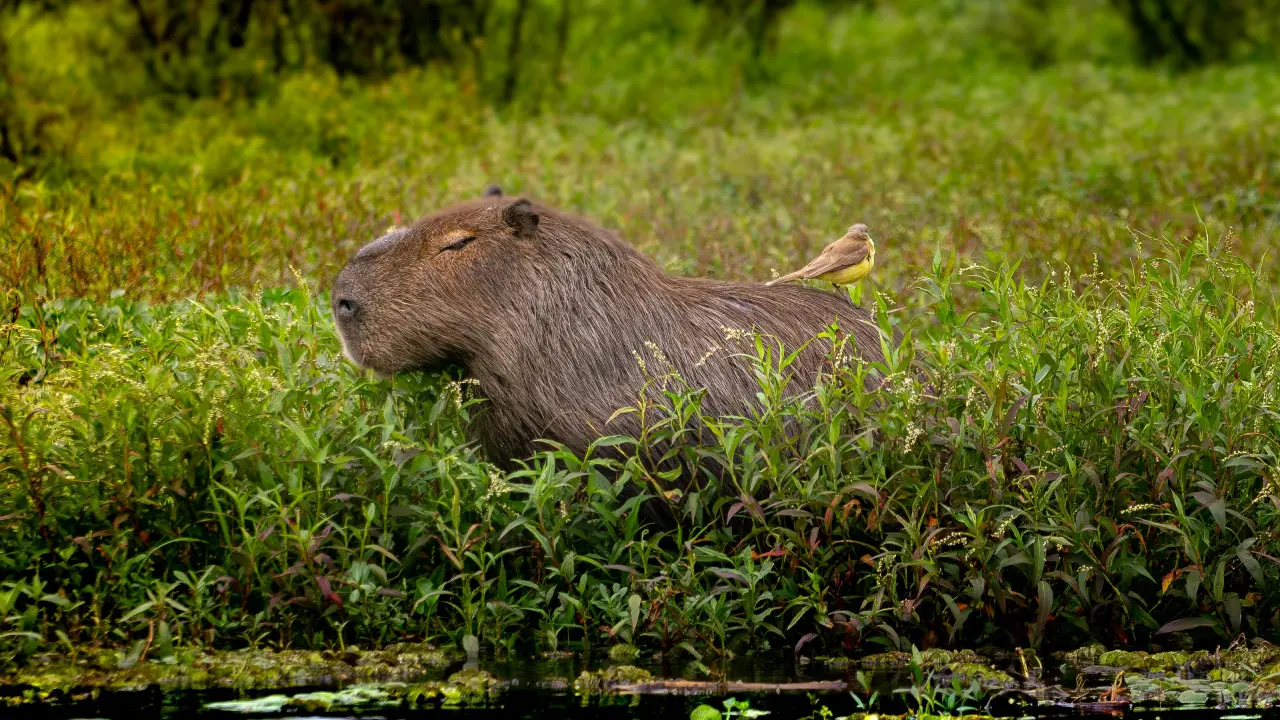
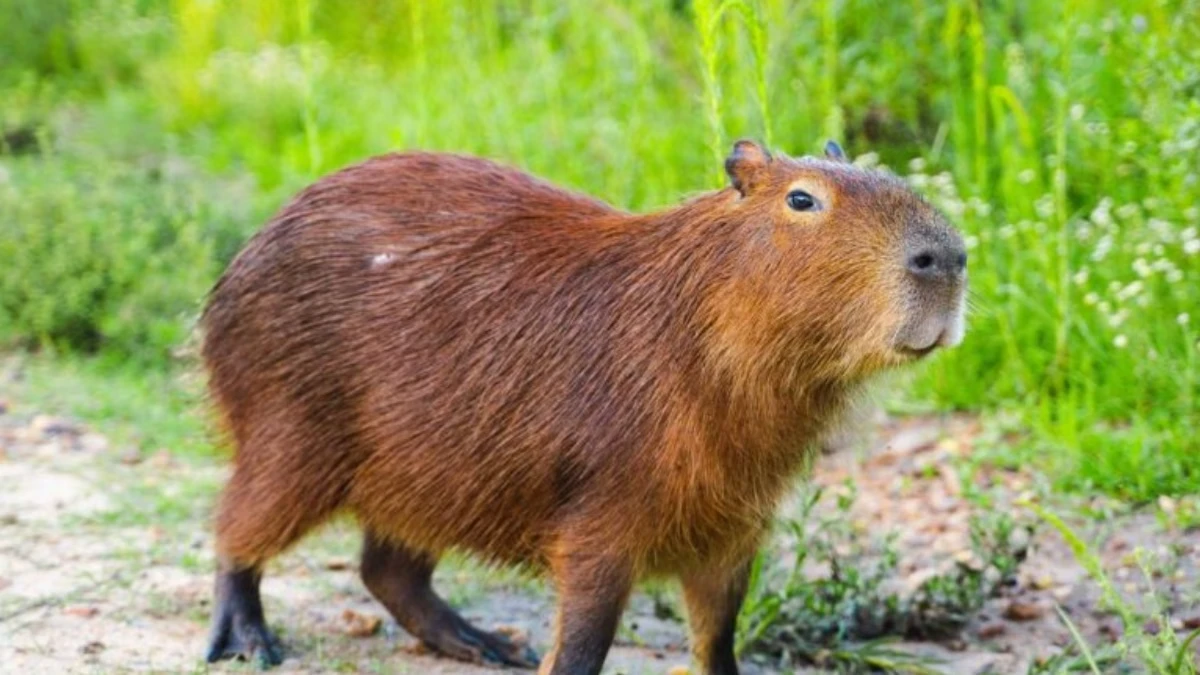
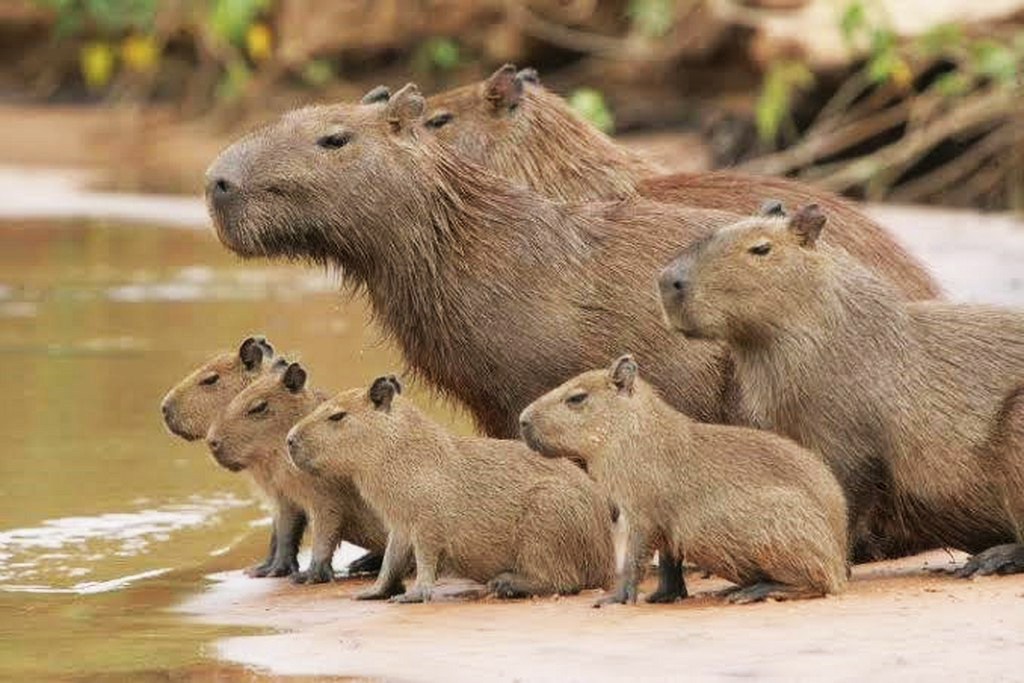
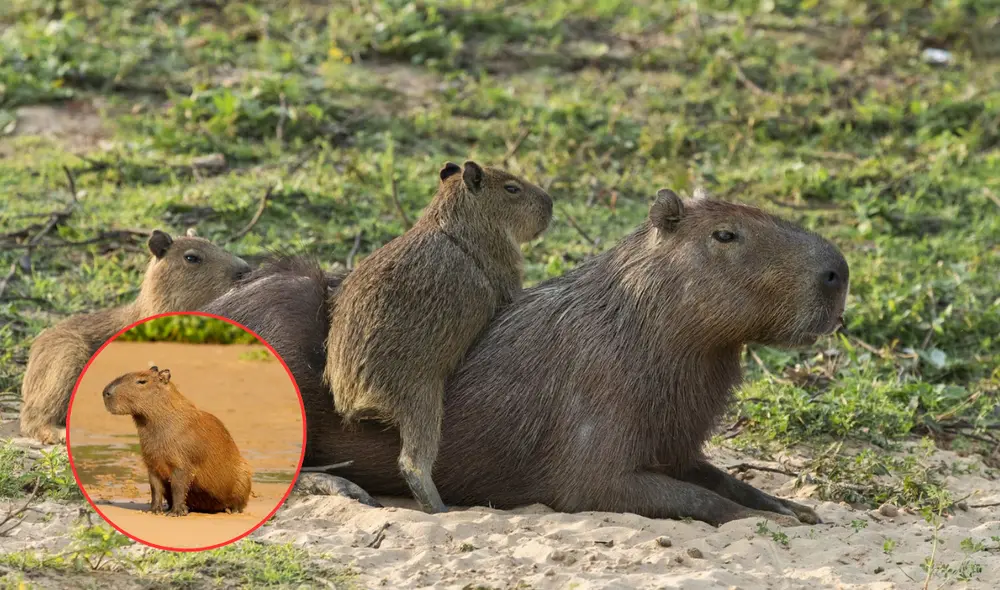
The famous Capybara in Manu belongs to the rodent family and stands out mainly for its enormous body size. Adult specimens can reach more than one meter in length and exceed fifty kilograms in weight. Many tourists are surprised to discover that this animal has semi-aquatic habits and spends much of its time near rivers and lagoons. Moreover, the capybara’s body is adapted to move easily both in and out of water. The Capybara in Manu generally lives in family groups organized around humid areas of the Amazon jungle. These animals maintain highly developed social behaviors and usually move together while searching for food. The capybara’s diet is based mainly on grasses, aquatic plants, and vegetation present in humid tropical areas. For that reason, regions near the Madre de Dios River Peru and other water sources are ideal for its survival. Currently, the capybara is one of the most representative animals of wildlife in the Peruvian Amazon. Additionally, many people travel to the Manu National Park exclusively to observe this species in its natural environment.
Wildlife of Manu National Park and Amazon biodiversity
Biodiversity in the Peruvian jungle
The impressive biodiversity in the Peruvian jungle makes the Manu National Park one of the most important protected areas on the planet. This region is home to thousands of species of plants, birds, mammals, reptiles, and insects distributed across diverse tropical ecosystems. Many specialists believe that the presence of the Capybara in Manu reflects the excellent environmental conservation within this natural reserve. Additionally, the ecological balance allows the survival of numerous species that are rare in other Amazon regions. The Manu National Park is part of important international conservation programs due to its enormous biological richness. Therefore, many tourist activities are carefully regulated to protect natural ecosystems and wildlife. Travelers interested in nature find excellent opportunities here to observe animals in the wild. Furthermore, the diversity of landscapes facilitates specialized tours in ecotourism and nature photography.
Mammals of Manu National Park
The great variety of mammals of Manu National Park represents one of the biggest tourist attractions in the Peruvian Amazon region. Besides the famous Capybara in Manu, visitors can observe monkeys, deer, tapirs, and different species of wild cats. Many tourists take organized excursions because specialized guides increase the chances of spotting animals. Moreover, the tours allow visitors to identify tracks and behaviors of different Amazon species. The abundance of water and vegetation favors the presence of numerous mammals within this natural reserve. For that reason, Manu is considered one of the best South American destinations for wildlife observation activities.
Capybara spotting in Manu and tourist experiences
Photographic safari in Manu
The popular photographic safari in Manu is one of the favorite activities for tourists interested in nature photography and wildlife observation. Many travelers seek to capture images of the Capybara in Manu while it rests near rivers or swampy areas. Patience is essential during these excursions because the animals remain free in very extensive natural ecosystems. Additionally, the best times for observation are usually early in the morning and during the last hours of the afternoon. Many specialized operators organize tours to areas where there is a greater presence of Amazon wildlife. Therefore, visitors significantly increase their chances of observing capybaras and other exotic animals. The environmental conditions of the Manu tropical ecosystem also favor excellent opportunities for landscape and nature photography. Furthermore, the natural lighting of the jungle creates very attractive scenes for amateur and professional photographers.
Wildlife in the Peruvian Amazon
The experience related to wildlife in the Peruvian Amazon allows visitors to understand the enormous biological diversity present within South American tropical forests. The famous Capybara in Manu is part of complex ecological chains developed over thousands of years. Many visitors especially value the possibility of observing animals in completely natural conditions. Additionally, direct contact with Amazon ecosystems generates greater awareness about the importance of environmental conservation. The abundance of rivers, lagoons, and tropical vegetation facilitates the movement of multiple wild species. For that reason, the Manu National Park remains one of the most important destinations for ecological tourism in Peru.
Tours to Manu from Cusco and access to the Peruvian jungle
Journey to the Manu jungle
The traditional journey to the Manu jungle usually starts from the city of Cusco, first crossing Andean areas and then Amazonian sectors of great natural richness. Many tourists consider this route an interesting experience due to the landscape changes observed during the trip. Tour programs focused on observing the Capybara in Manu typically include land transportation and river navigation within protected Amazon areas. Additionally, some tours incorporate guided hikes and nocturnal wildlife observation. During the transfer, travelers cross different ecological floors characteristic of southern Peru. Because of this geographic diversity, visitors can observe Andean mountains, cloud forests, and tropical jungle within a single trip.
Tours to Manu from Cusco
The well-known tours to Manu from Cusco vary according to duration, comfort level, and specific sectors included in the route. Some tour programs last three days, while others exceed a full week of Amazon exploration. Many specialized operators offer activities related to wildlife observation, river navigation, and cultural visits to local communities. Additionally, the Capybara in Manu usually appears as one of the main attractions promoted within these tour packages. Agencies also recommend making early reservations due to the growing tourist demand for this Amazon region. Therefore, prior planning is important especially during seasons of higher visitor influx.
Amazon nature of Peru and tropical ecosystems
Tropical ecosystem of Manu
The impressive tropical ecosystem of Manu hosts a huge variety of plant and animal species adapted to warm and humid conditions. The abundance of water facilitates the development of dense forests and complex food chains within the jungle. The famous Capybara in Manu depends especially on areas near bodies of water to feed and protect itself from natural predators. Additionally, many other Amazon animals use the same aquatic environments to survive. The conservation of these ecosystems is fundamental due to the environmental and scientific importance of the Peruvian Amazon region. Currently, numerous international programs work on projects aimed at protecting the existing biodiversity within the Manu National Park.
Amazon animals of Peru
The great diversity of Amazon animals of Peru constitutes one of the country’s main tourist attractions. Many international travelers visit the Peruvian Amazon interested in observing species that are rare in their natural habitats. The Capybara in Manu shares territory with tropical birds, reptiles, amphibians, and mammals typical of the South American jungle. Additionally, the region hosts a significant number of endemic species that are hard to find elsewhere. Observing Amazon wildlife generally requires organized tours with specialized guides. For that reason, many tourists prefer excursions led by professionals knowledgeable about tropical ecosystems.
Ecological tourism in Madre de Dios and environmental conservation
The growth of ecological tourism in Madre de Dios has generated new economic opportunities related to environmental conservation and sustainable tourism. Many tourism projects currently promote responsible activities aimed at caring for the Amazon nature. Observing the Capybara in Manu represents an experience compatible with sustainable tourism practices as long as the tours respect the environmental regulations established by Peruvian authorities. Furthermore, different tour operators develop educational programs focused on biodiversity and protection of tropical ecosystems. Many visitors return from the Peruvian jungle with greater awareness of the environmental importance of the South American Amazon.
Excursions in the Manu Biosphere Reserve and recommendations
The famous excursions in the Manu Biosphere Reserve allow visitors to explore one of the most important natural territories on the South American continent. This protected area was internationally recognized due to its extraordinary biodiversity and ecological richness. Many tourists interested in observing the Capybara in Manu should consider some basic recommendations before traveling to the Amazon region:
- Wear light and quick-drying clothing
- Use insect repellent
- Protect electronic equipment from humidity
- Use appropriate boots for hiking
- Stay constantly hydrated
- Follow the instructions of tour guides
- Avoid feeding wild animals
- Bring binoculars for wildlife observation
These measures significantly improve the tourist experience and facilitate safe tours within the Amazon ecosystems of Peru.
Exotic animals of the Peruvian jungle and unforgettable experiences
The presence of numerous exotic animals of the Peruvian jungle makes the Manu National Park one of the most important destinations for nature lovers and wildlife observation. The famous Capybara in Manu stands out especially due to its size and social behavior. Many travelers consider touring the Peruvian Amazon to be a completely different experience from any other South American tourist destination. Moreover, the possibility of observing animals in the wild creates unique memories related to adventure and nature. The combination of biodiversity, tropical landscapes, and ecological activities continues to position Manu as one of the most important natural destinations in Peru.
Frequently asked questions
1. Where is it easiest to observe capybaras in Manu?
Capybaras usually stay near rivers, lagoons, and swampy areas within humid tropical zones. Many tour guides know specific sectors where there is a greater probability of observation during organized excursions.
2. What is the best season to visit Manu?
The dry season generally facilitates tourist tours and river navigation due to less rainfall. However, wildlife can be observed throughout much of the year depending on weather conditions.
3. Do capybaras represent a danger to tourists?
The capybara normally displays calm behavior and avoids close contact with people. However, it is always important to maintain a prudent distance and follow the indications of specialized guides.
4. How many days are recommended to visit Manu?
Many specialists recommend programs of at least four days due to the long distances and the large number of activities available within the Peruvian Amazon jungle.
5. Is it necessary to hire organized tours to enter Manu?
In most cases, visitors use organized tourist services due to the logistical complexity, river transportation, and existing regulations within protected Amazon areas.
Discover our travel packages in Peru and let us organize the perfect adventure for you. Get a quote for your trip to Cusco today!