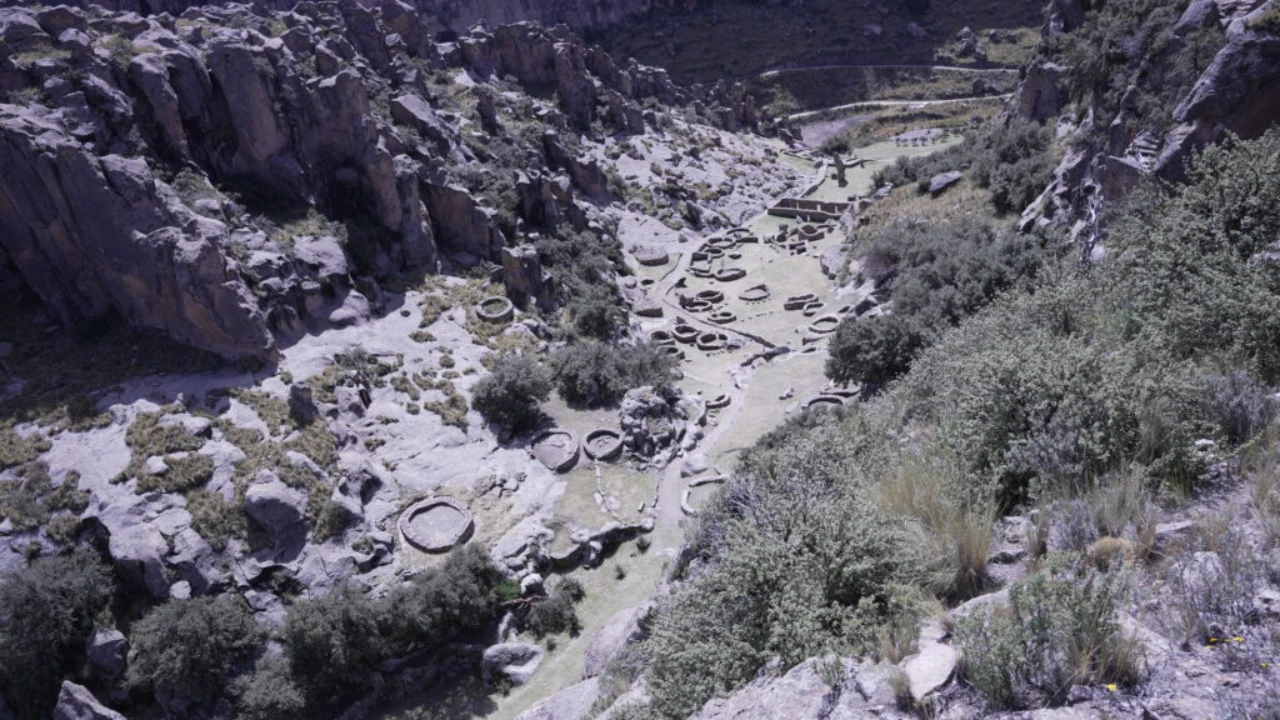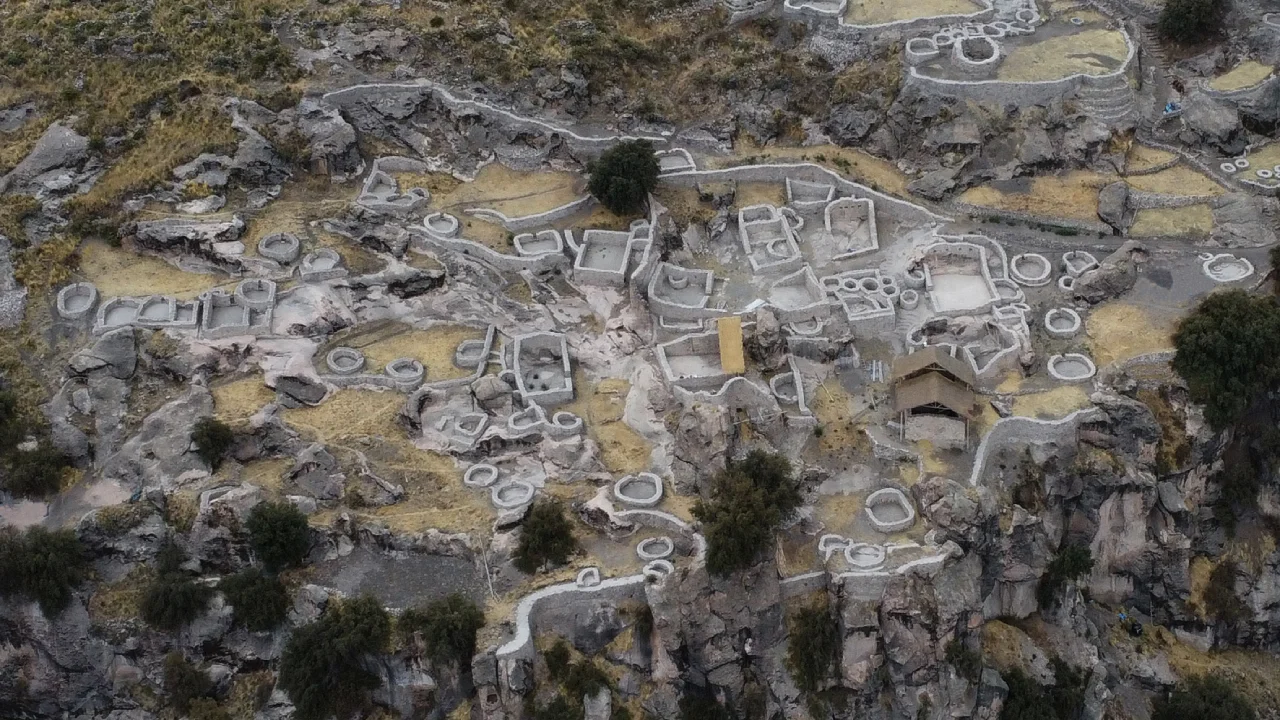
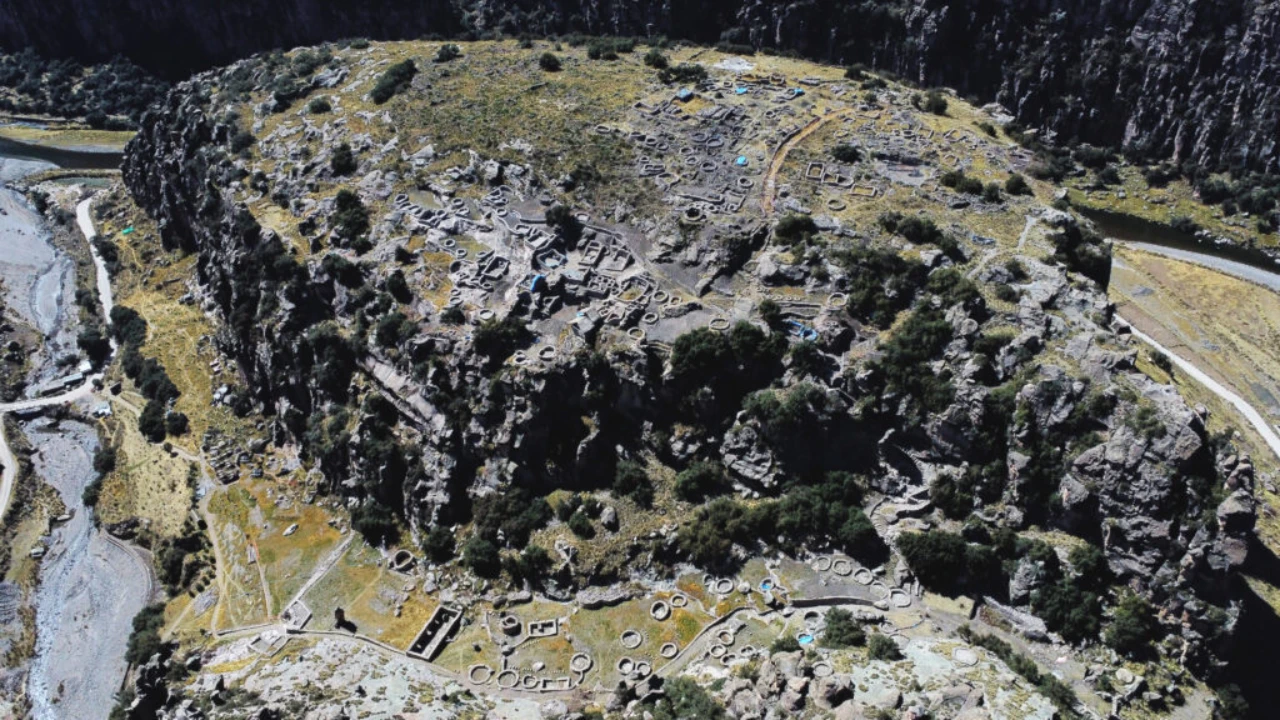
Between mystery, wonder, and resilience, the history of the Inca Empire is reconstructed day by day, and along with it, new questions emerge about the glorious past of the Incas. A few hours from the city of Cusco, in Espinar, stands one of the most important temples of the Tahuantinsuyo, where more than 600 structures withstand the passage of time and reveal tombs, sanctuaries, dwellings, and ceremonial centers at every step. This place is T’aqrachullo.
T’aqrachullo is an Inca temple that has gained worldwide attention in recent days. Surrounded by unique views of the Apurímac Canyon, this remarkable archaeological site combines history, nature, and adventure as told by the people of Cusco themselves. At Trails to Machu Picchu, we know that the best way to share our culture is by sharing what we know about it, so here we tell you everything you need to know about T’aqrachullo.
The encounter with the past: the first discovery of T’aqrachullo
The first discovery of T’aqrachullo dates back to 1990, when local residents grazed their alpacas among ruins that at first glance appeared to be simple grasslands. At that time, Alicia Quirita and Maritza Candia (now archaeologists) explored undocumented archaeological sites in the area by bicycle for their thesis project. During those days of research, Quirita found Inca artifacts and fragments from the Wari culture something unexpected at the time. Shortly afterward, Quirita met archaeologist Johan Reinhard, who in 1994 stated that the descriptions of the site corresponded to a temple of the Inca Empire. Several years later, in 2022, Dante Huallpayunca’s team was scraping soil inside a stone enclosure when one of the team members discovered gold… what would later become one of T’aqrachullo’s greatest discoveries.
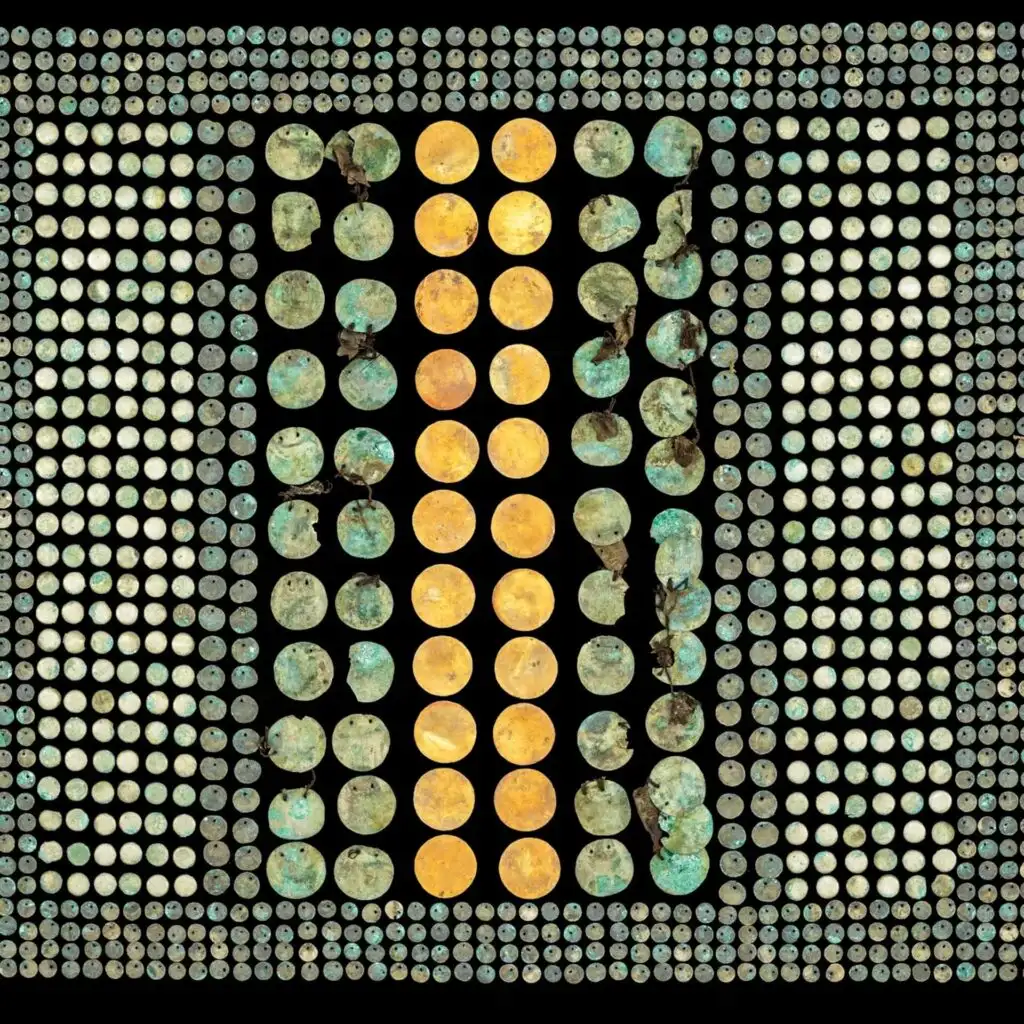
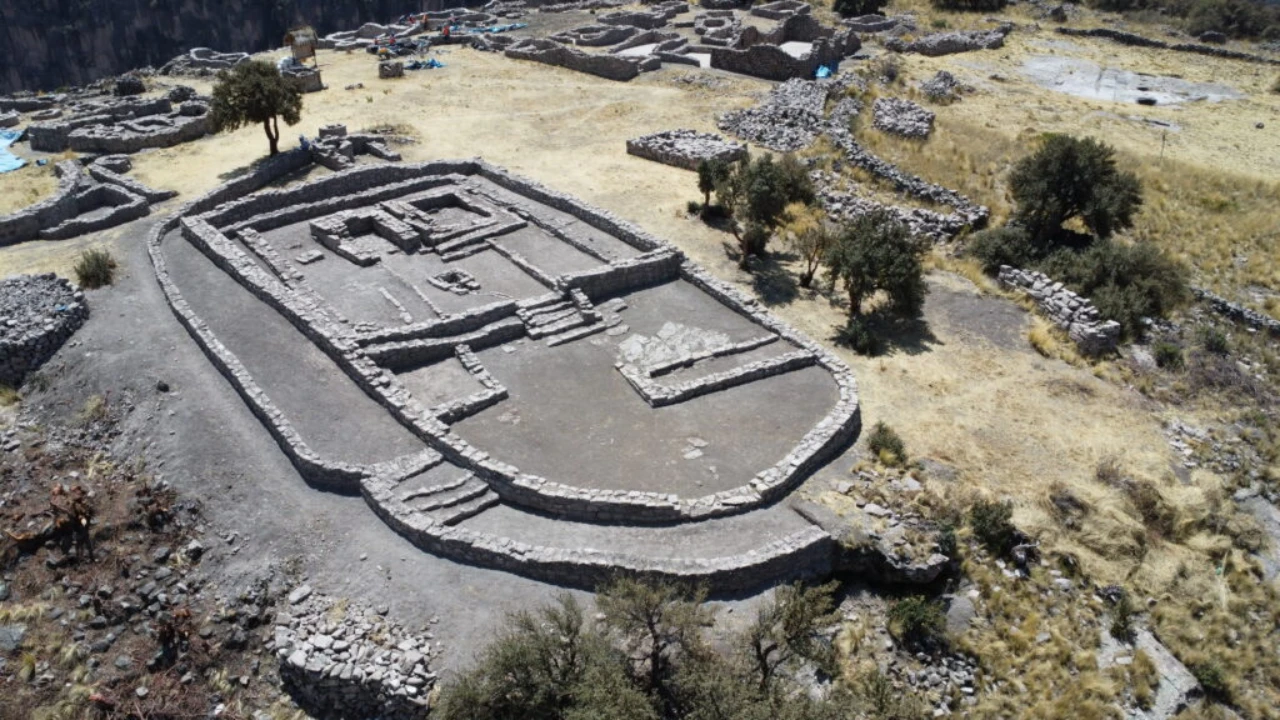
Huallpayunca’s team found nearly 3,000 gold, silver, and copper sequins covered with camelid hides. They later determined that these ceremonial pieces belonged to the Inca elite. In 2023, archaeologist Emerson Pereyra confirmed that the foundations corresponded to a large temple in the area.
Functions of T’aqrachullo
As research continued, nearly 600 structures were discovered, showing how T’aqrachullo served as an important political, economic, and religious center. This impressive site has even been linked to Ancocagua, although this remains under investigation and, due to the lack of specialized equipment, much remains to be explored compared to its sister citadels such as Machu Picchu and Choquequirao, which you can visit today.

At T’aqrachullo, evidence of internal armed conflicts has also been found, which may be linked to the final acts of resistance against Spanish colonization. Stone projectiles, obsidian spearheads, skeletons bearing signs of violent injuries, and areas that appear to have been deliberately blocked to resist and prevent Spanish entry were discovered throughout the complex. Thus, T’aqrachullo once again demonstrates the resilience of the Inca rebels.
How to get to T’aqrachullo?
At Trails to Machu Picchu, we know there are places you should visit at least once in your lifetime, and T’aqrachullo is one of them. If you wish to explore this impressive archaeological site, the journey begins in Cusco.
- In Cusco, take an interprovincial bus to Espinar on a journey that lasts approximately 5 hours. Upon arriving in Yauri (Espinar), head toward Suyckutambo and continue to the Totorani Bridge, the access point to T’aqrachullo.
What places can I see in T’aqrachullo?
This astonishing place offers only a glimpse of the greatness of the Inca Empire and its advanced architecture. At T’aqrachullo, you can:
- Enjoy a panoramic view of the Virginniyoc Canyon.
- Walk a short section of the Inca Trail (Qhapaq Ñan).
- Visit the chullpas and funerary structures.
- Immerse yourself in history by discovering Yuractorriyoc, also known as the Water Mirrors.
- Connect with the Wari culture at Pukara Qepa.
What to do in Espinar?
T’aqrachullo is located in the Cusco province of Espinar, known as the K’ana Nation, where culture, adventure, and adrenaline await.
- Visit the K’anamarca Archaeological Center; recognized as the architectural legacy of the K’ana and Inca cultures.
- Explore the Three Canyons; near T’aqrachullo are the Three Canyons, where you can admire the confluence of the Apurímac, Cerritambo, and Callumani rivers. Many travelers take advantage of the opportunity to enjoy sports such as rafting and canoeing.
- Enjoy the art at the Temple of Yauri.
- Visit the Maukallaqta Archaeological Zone, a site that was used as a residence for Inca nobles.
The Inca citadel of T’aqrachullo remains hidden among the Andes. Immerse yourself in Inca history and discover T’aqrachullo, Machu Picchu, and Choquequirao today.