Traveling to the Peruvian Andes is a unique experience, but altitude can become a challenge. Avoid altitude sickness in Cusco by adopting simple measures that will allow you to enjoy your trip with more safety and comfort. Cusco is located at more than 3,300 meters above sea level, and this condition requires your body to go through an adaptation process. Therefore, it is advisable to be informed in advance about the symptoms, prevention, and appropriate practices to maintain your energy during your trip. With proper preparation, you will be able to explore Machu Picchu, the Sacred Valley, and every corner of the city without limitations.
- Preparation before traveling to Cusco
- Recognizing the symptoms of altitude sickness
- Avoid altitude sickness in Cusco with good acclimatization
- Natural remedies for altitude sickness in Cusco
- Use of medications for altitude sickness
- What to do if I have altitude sickness in Cusco?
- Avoid altitude sickness in Cusco – Machu Picchu
- Health recommendations for Cusco
- How to enjoy Cusco without altitude sickness?
- Frequently Asked Questions About Avoid altitude sickness in Cusco
- Our tours related to hiking to Machu Picchu in Cusco
Preparation before traveling to Cusco
Preparation before traveling to Cusco is one of the most important steps to avoid complications. Altitude can affect people differently depending on their physical condition. Therefore, it is key to take measures days before the trip. Taking time to strengthen your physical condition, staying well-hydrated, and maintaining a balanced diet can make a difference. In addition, consulting a doctor about possible medications for altitude sickness in Cusco is recommended, especially for those with a history of respiratory or heart problems. Traveling with an advance plan reduces the risk of complications and provides greater peace of mind.

Basic tips before your arrival
- Get proper rest during the week prior to the trip.
- Avoid excessive consumption of alcohol or tobacco.
- Maintain a diet rich in fruits and vegetables.
- Consider iron supplements if recommended by your doctor.
- Prepare a small kit with essentials for altitude sickness.
Recognizing the symptoms of altitude sickness
Knowing the main altitude sickness in Cusco symptoms helps identify any sign of discomfort quickly. Among the most common are headaches, nausea, dizziness, and fatigue. These occur due to the lower amount of oxygen available in the air. In some cases, loss of appetite or sleep problems may also appear. Recognizing these signs in time allows you to take immediate action and prevent the situation from getting worse. Listening to your body and acting with caution is essential for a safe travel experience.
Most frequent manifestations
- Persistent headache.
- Tiredness when performing small activities.
- Dizziness and a feeling of instability.
- Nausea or stomach discomfort.
- Difficulty breathing during rest.
Avoid altitude sickness in Cusco with good acclimatization
One of the most effective methods to avoid altitude sickness in Cusco is to respect acclimatization time. The body needs hours or even days to adjust to the lower oxygen concentration. Performing intense physical activities immediately increases the chances of suffering from altitude sickness. Therefore, it is recommended to rest on the first day and prioritize light walks around the city. This gradual pace allows your body to adjust with fewer risks. The tips for acclimatizing in Cusco include constant hydration, light meals, and restorative sleep.

Recommended practices during acclimatization
- Avoid stairs and steep slopes during the first days.
- Eat light, easy-to-digest foods.
- Sleep enough to support recovery.
- Maintain a slow pace during sightseeing.
Natural remedies for altitude sickness in Cusco
Andean culture has developed multiple natural remedies for altitude sickness in Cusco, passed down from generation to generation. One of the most popular is drinking coca tea in Cusco, an infusion that helps improve oxygenation and reduce fatigue. Another option is chewing coca leaves, an ancestral tradition throughout the Andean region. In addition, some local plants such as muña or eucalyptus can be prepared in infusions to ease breathing. These natural methods, combined with rest and hydration, provide complementary support for acclimatization.
Options most used by travelers
- Hot coca tea in the morning and evening.
- Coca candies during walks.
- Muña infusion to ease digestive problems.
- Eucalyptus inhalation to clear airways.
Use of medications for altitude sickness
In addition to traditional remedies, medications for altitude sickness in Cusco are a common alternative. The most well-known are those that improve oxygenation and reduce fatigue symptoms. However, their use should always be under medical advice. Self-medication can cause adverse effects and unnecessary complications. Some people may require supplemental oxygen in severe cases, which is usually available in hotels and health centers. Having this clear information helps act quickly in emergency situations.
Important recommendations
- Consult your doctor before the trip.
- Do not take medication without professional supervision.
- Check the availability of oxygen at your accommodation.
- Carry a personal kit with what your doctor prescribes.
What to do if I have altitude sickness in Cusco?
Knowing what to do if I have altitude sickness in Cusco is essential to react properly. The first thing is to stop any intense physical activity and rest. Drinking water in small amounts frequently helps rehydrate the body. Consuming coca or muña infusions can relieve mild symptoms. If the discomfort persists, it is advisable to go to a medical center for specialized care. Taking quick action prevents complications and ensures a safer trip.
Practical steps in case of altitude sickness
- Rest in a comfortable and calm position.
- Drink fluids in small sips.
- Avoid heavy meals during discomfort.
- Seek medical attention if symptoms worsen.
Avoid altitude sickness in Cusco – Machu Picchu
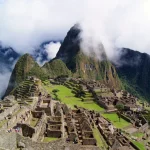
The altitude of Cusco and Machu Picchu shows important differences. While Cusco is at 3,399 meters, Machu Picchu is at 2,430 meters. This variation favors recovery for those who suffer altitude sickness in the city. However, the walk to the citadel requires considerable physical effort. Therefore, it is essential to avoid altitude sickness in Machu Picchu by keeping a proper pace and resting when necessary. Good prior acclimatization in Cusco contributes to making the Machu Picchu experience more enjoyable.
Practical tips for touring Machu Picchu
- Start your walk early to avoid strong sun.
- Carry enough water to stay hydrated.
- Take frequent breaks on the trails.
- Wear light clothing and comfortable shoes.
Health recommendations for Cusco
Following health recommendations for Cusco ensures a safer and more comfortable trip. Altitude requires specific habits that support adaptation. Avoiding unnecessary exertion, maintaining a light diet, and drinking fluids regularly are essential guidelines. In addition, having travel insurance provides support in case of any medical emergency. These measures allow you to tour the city and its surroundings with confidence, reducing risks and maximizing the travel experience.
Healthy habits for travelers
- Frequent hydration throughout the day.
- Warm clothing for cold nights.
- Sunscreen for daytime walks.
- Travel insurance with adequate medical coverage.
How to enjoy Cusco without altitude sickness?
Achieving a good physical balance is possible by following simple steps. With responsible preparation, proper rest, and healthy habits, it is possible to enjoy Cusco without altitude sickness. This way, your experience will be more pleasant and safe. Every walk through the city, its temples, and squares becomes more attractive when your body is adapted. Therefore, investing time in initial acclimatization translates into better memories of your trip.

Frequently Asked Questions About Avoid altitude sickness in Cusco
1. Can altitude sickness affect anyone regardless of age?
Yes, altitude sickness can affect people of any age, regardless of physical condition. However, each body reacts differently. Some young and healthy travelers may experience symptoms, while others may not. The key is to recognize early signs and take preventive measures.
2. Is it advisable to arrive first at the Sacred Valley before Cusco for better acclimatization?
Yes, it is often recommended to arrive at the Sacred Valley first, since it is located at a lower altitude than Cusco. This gradual approach gives the body more time to adapt, making the transition easier and reducing the chances of experiencing severe symptoms.
3. Does alcohol consumption increase altitude sickness symptoms at high altitudes?
Yes, alcohol consumption can worsen altitude sickness symptoms because it dehydrates the body and affects oxygen absorption. It is best to avoid alcohol during the first days in Cusco until proper acclimatization is achieved.
4. Can portable oxygen purchased at Cusco pharmacies be used as support?
Yes, portable oxygen is available in many Cusco pharmacies and can be useful as temporary support. It helps relieve mild symptoms such as dizziness or shortness of breath, but it should not replace medical attention in severe cases.
5. Are children more sensitive to altitude than adults during a trip to Cusco?
Children can experience altitude sickness in the same way as adults. Sensitivity depends more on the individual than on age. However, monitoring children closely is important, since they might have difficulty expressing their symptoms clearly.
For more information, please contact us.
Our tours related to hiking to Machu Picchu in Cusco
- Machu Picchu Day Trip from Cusco: Explore the Ancient Wonder
- Machu Picchu Inca Trail Tours – 4 Day Inca Trail
- 5 Day Salkantay Trek to Machu Picchu – Salkantay Trek Peru
- Lares Trek to Machu Picchu – Lares Peru