Enjoying an adventure in the Peruvian jungle is one of the most authentic travel experiences in South America. Deep inside southeastern Peru, Manu National Park is a UNESCO World Heritage Site and one of the most biodiverse protected areas in the world. Travelers who choose this destination immerse themselves in untouched ecosystems, home to hundreds of mammal species, thousands of birds, and countless plants. Exploring the park combines culture, nature, and unique outdoor activities that few places on the planet can match. Whether joining Manu National Park tours, going on long expeditions, or choosing short jungle hikes, the opportunities for discovery are endless. This region offers the chance to connect with pristine nature, discover remote Amazon communities, and live a once-in-a-lifetime Amazon rainforest trip Peru. Therefore, planning carefully what to include in your journey is key to making the most of your stay.
- Manu National Park as a gateway to adventure in the Peruvian jungle
- Things to do in the Peruvian jungle inside Manu National Park
- Jungle trekking in Peru through Manu’s unique ecosystems
- Birdwatching in Manu Amazon as a top attraction
- Wildlife in Manu National Park and unique encounters
- Amazon jungle tours from Cusco to Manu
- Cultural encounters and community-based tourism in Manu
- Planning your Amazon rainforest experience Peru
- Frequently Asked Questions About Adventure in the Peruvian jungle
- Our Related Tours about Adventure in the Peruvian jungle
Manu National Park as a gateway to adventure in the Peruvian jungle
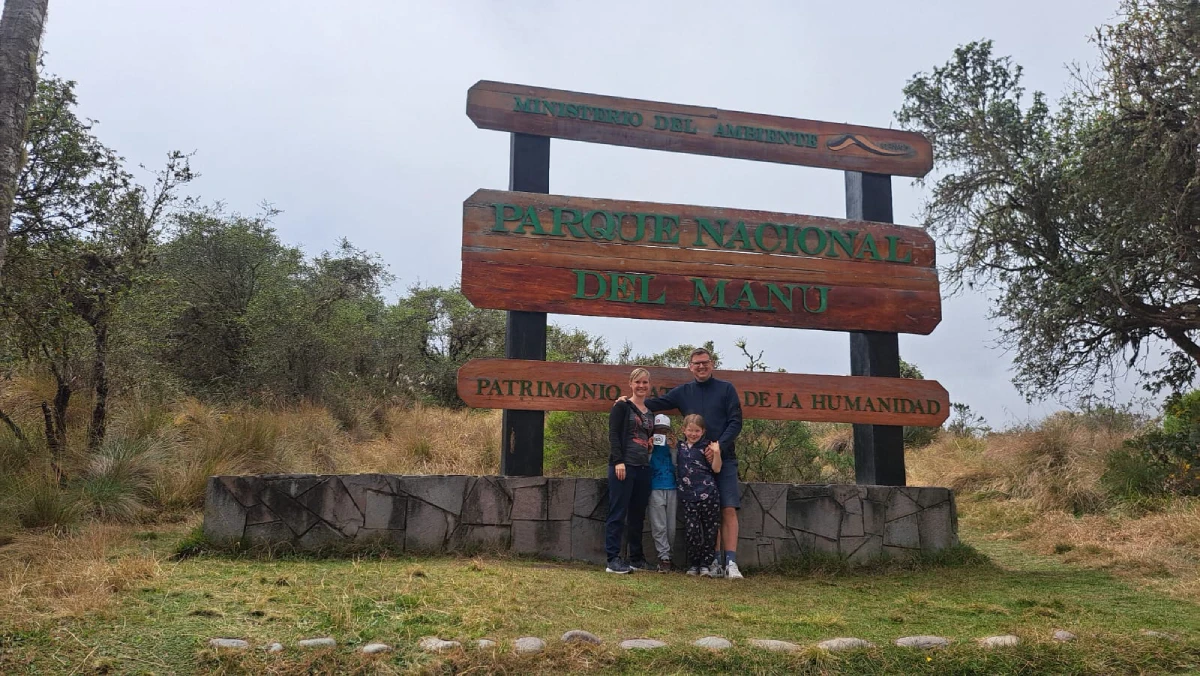
The vast territory of Manu extends from the Andes to the lowland Amazon, covering almost two million hectares. Its protected status allows travelers to explore diverse landscapes without mass tourism. Tourism in Manu National Park is carefully managed to protect the environment, which means visitors can enjoy a more exclusive and genuine experience. Travelers can explore high-altitude cloud forests, winding rivers, and tropical lowlands during the same trip. Expeditions to Manu National Park usually start in Cusco, where most agencies operate organized trips. These tours often include transportation, local guides, meals, and lodging in jungle lodges or basic campsites. By choosing guided tours, travelers help preserve fragile ecosystems and support local communities. This protected area is considered one of the best jungle routes in Manu Peru, making it a must-visit for those who want to experience authentic nature travel.
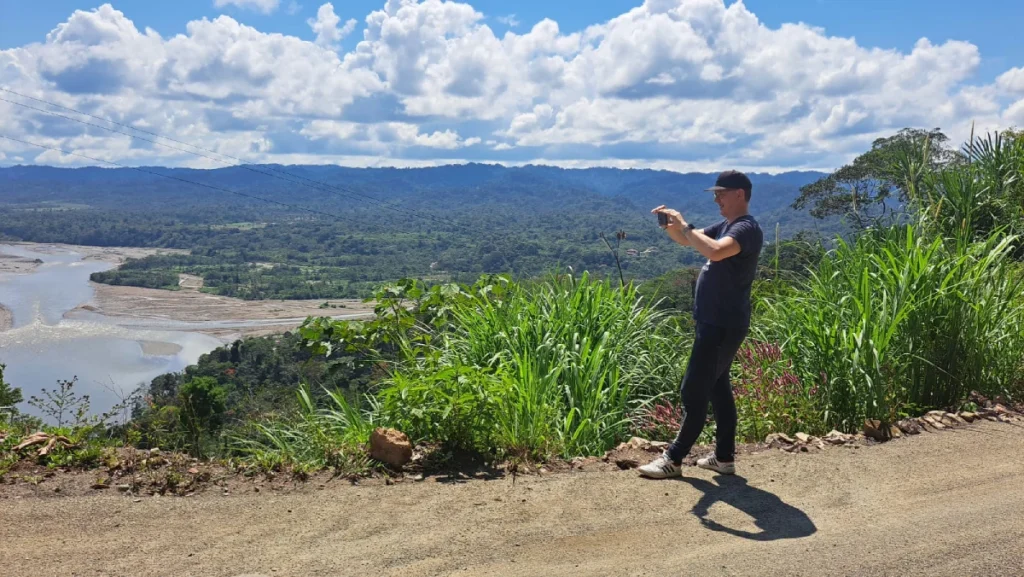
Key highlights of Manu National Park
- Protected by UNESCO as a Biosphere Reserve
- Home to more than 200 mammal species
- Nearly 1,000 species of birds recorded
- Strong community-based tourism projects
- Access through Cusco with organized trips
Things to do in the Peruvian jungle inside Manu National Park
Visitors planning their trip often wonder about things to do in the Peruvian jungle during their stay. Manu offers activities for all types of travelers, from those seeking adventure to those looking for cultural encounters. Most experiences revolve around exploring the rainforest, discovering wildlife, and learning about local traditions. Spending time in the park is more than sightseeing; it is about immersion in an environment where biodiversity thrives. Whether through short walks, multi-day treks, or specialized activities like birdwatching in Manu Amazon, every moment brings travelers closer to nature. For those interested in adventure tours in the Peruvian jungle, the park provides safe and organized ways to live unforgettable experiences.
Main activities available
- Jungle trekking in Peru through different ecosystems
- Observation of giant otters in oxbow lakes
- Guided night walks to discover nocturnal species
- Visits to macaw clay licks
- Cultural exchanges with Amazonian communities
Jungle trekking in Peru through Manu’s unique ecosystems
One of the most rewarding activities is trekking through the park’s varied landscapes. Jungle trekking in Peru inside Manu means moving between cloud forests, mid-elevation valleys, and Amazonian lowlands. Each ecosystem offers unique flora and fauna. Treks usually follow trails used by researchers and local communities, ensuring minimal environmental impact. Trails can be challenging because of humidity and tropical climate, but the experience pays off with remarkable wildlife encounters. Travelers often see monkeys, colorful insects, and even larger mammals like tapirs. Guides enrich the experience by sharing knowledge about medicinal plants and survival techniques. For those looking for a true Peruvian jungle adventure travel, trekking is one of the most immersive choices available. It allows travelers to discover the park’s richness step by step, away from busy tourist routes.
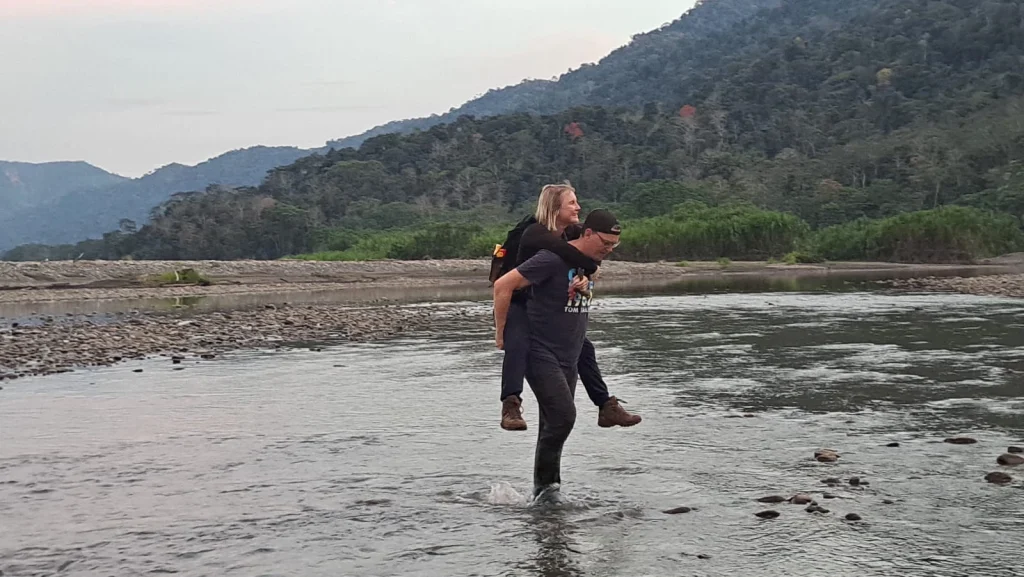
Essential items for trekking
- Lightweight clothing suitable for humidity
- Sturdy hiking boots with good grip
- Eco-friendly insect repellent
- Waterproof bags for equipment
- Reusable water bottles to stay hydrated
Birdwatching in Manu Amazon as a top attraction
The park is recognized as one of the best birdwatching destinations in the world. Birdwatching in Manu Amazon attracts enthusiasts eager to see some of the rarest species in South America. With more than 1,000 bird species recorded, visitors can encounter macaws, toucans, harpy eagles, and many more. Early morning excursions to clay licks are among the highlights, where dozens of macaws gather in vibrant displays. Observation towers and canopy walks offer better chances to spot birds from higher vantage points. For beginners and experts alike, guided birding tours provide equipment and local knowledge. This activity is a central element of the Amazon rainforest experience Peru, combining patience, attention, and admiration for nature. Birdwatching also contributes to conservation by creating economic alternatives to deforestation.
Notable bird species in Manu
- Scarlet macaw
- Andean cock-of-the-rock
- Harpy eagle
- Blue-headed parrot
- Hoatzin
Wildlife in Manu National Park and unique encounters
One of the main reasons travelers choose Manu is the chance to see remarkable wildlife. The diversity of ecosystems allows countless species to thrive, making the park a living laboratory. Encounters with wildlife in Manu National Park include giant river otters, capybaras, peccaries, and jaguars. Oxbow lakes are especially rich in aquatic life, while trails provide opportunities to spot monkeys and birds. Wildlife viewing requires patience and respect for the environment. Travelers should remain quiet and follow guide instructions to increase their chances. Night walks add another dimension, revealing frogs, insects, and nocturnal mammals. This biodiversity demonstrates why Manu is one of the leading natural reserves in the Peruvian jungle. For those seeking an authentic Amazon rainforest trip Peru, seeing animals in their natural habitat is an unforgettable highlight.
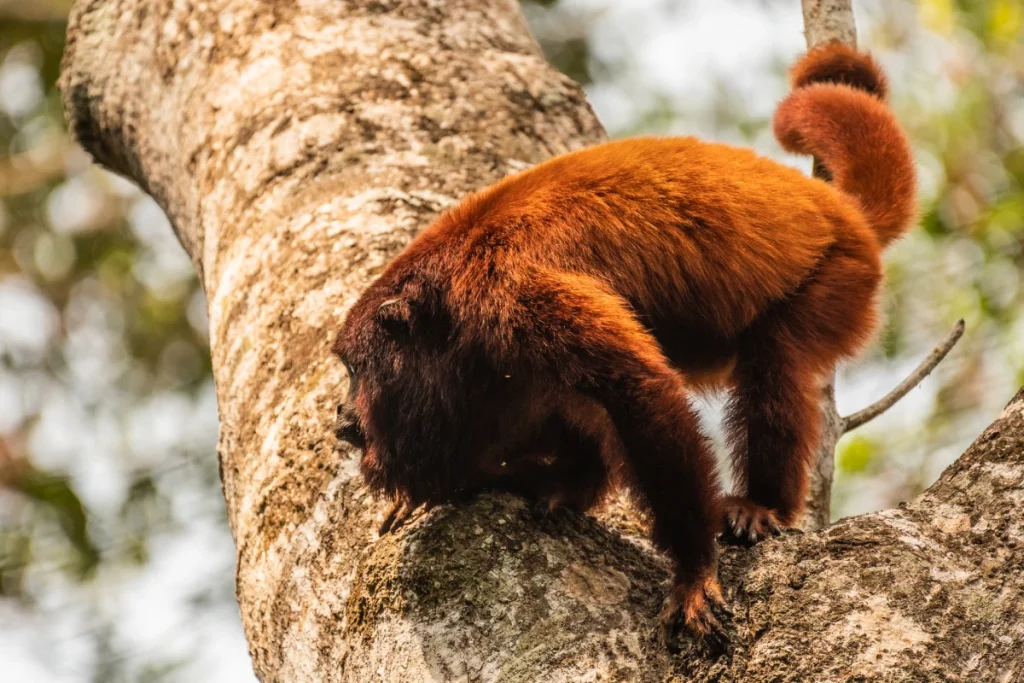
Common mammals seen in Manu
- Capuchin monkeys
- Howler monkeys
- Tapirs
- Jaguars
- Giant river otters
Amazon jungle tours from Cusco to Manu
The most common starting point for Amazon jungle tours from Cusco is the city itself, located in the Andes. From there, travelers take a long but scenic journey into the jungle, usually by road and boat. Tours often last several days, allowing visitors to experience both the Andean transition zone and the Amazon lowlands. Guides provide valuable interpretation of cultural and natural aspects along the way. Accommodations range from basic lodges to more comfortable eco-lodges. Choosing reliable agencies ensures safety and sustainability, both essential in such a remote environment. Expeditions to Manu National Park organized from Cusco are ideal for those who want a well-structured travel experience. This type of trip represents one of the most accessible ways to explore the park while minimizing environmental impact.
Typical itinerary from Cusco
- Departure from Cusco by road
- Stops in Andean viewpoints and local villages
- Entry to the cloud forest region
- Descent into Amazon lowlands by boat
- Arrival at jungle lodges inside Manu buffer zone
Cultural encounters and community-based tourism in Manu
Visiting Manu is not only about nature but also about people. Several indigenous groups inhabit the park and its buffer zones, maintaining traditions and knowledge passed down for generations. Responsible tourism allows respectful cultural exchanges where visitors learn about traditional crafts, agriculture, and daily life. Some tours include community visits, offering insight into how people live sustainably within the rainforest. This form of tourism in Manu National Park strengthens local economies while protecting cultural heritage. Travelers participating in such experiences support initiatives that balance conservation and human presence. For those interested in adventure tours in the Peruvian jungle, combining wildlife observation with cultural discovery creates a more complete journey. It highlights how nature and culture are inseparable in the Amazon.
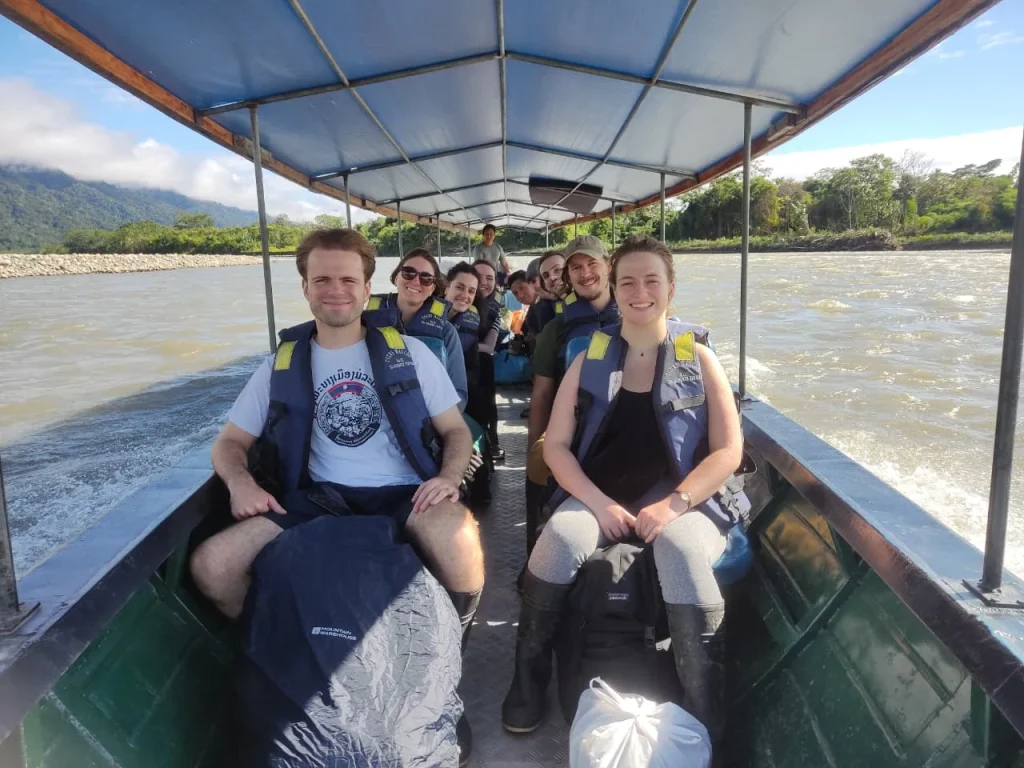
Benefits of community-based tourism
- Provides alternative income to local families
- Encourages cultural preservation
- Strengthens conservation projects
- Offers authentic learning for visitors
- Promotes long-term sustainability
Planning your Amazon rainforest experience Peru
Organizing a trip to Manu requires preparation, since access is limited and services are basic compared to other destinations. Choosing the right season, packing appropriately, and booking with responsible operators are essential steps. Adventure in the Peruvian jungle demands flexibility, as weather conditions can affect itineraries. However, with good planning, the rewards outweigh the challenges. Adventure tours in the Peruvian jungle are available year-round, but May to October is the driest and most comfortable season. Travelers should always prioritize sustainability by avoiding plastic use, respecting wildlife, and following guide instructions. This ensures that the Amazon rainforest experience Peru remains possible for future generations. Manu is more than a travel destination; it is a commitment to conservation and responsible exploration.
Practical travel tips
- Book tours with certified agencies
- Travel during the dry season if possible
- Bring cash, as ATMs are unavailable in remote areas
- Carry a small first aid kit
- Respect local cultures and traditions
Frequently Asked Questions About Adventure in the Peruvian jungle
1. Can I visit Manu National Park independently without a guide?
No, it is not possible to visit Manu National Park on your own. All visitors must be accompanied by authorized guides and licensed agencies. This rule ensures both environmental conservation and the safety of travelers in such a remote and sensitive area.
2. How many days are recommended to explore Manu?
A minimum of four to five days is generally recommended to explore Manu. This timeframe allows visitors to experience both the cloud forest region and the Amazon lowlands, which are very different ecosystems. Longer tours, lasting a week or more, provide a deeper immersion in the park’s biodiversity.
3. Are vaccinations required to enter Manu National Park?
Yes, vaccinations are strongly recommended. Travelers should have a valid yellow fever vaccination and make sure their routine immunizations are up to date. Some visitors also consider preventive medication against malaria, depending on their travel plans and health advice from a doctor.
4. What type of accommodations are available inside Manu?
Travelers can stay in basic jungle camps or in more comfortable eco-lodges located within the buffer zone of Manu. Facilities vary, but most accommodations are designed to maintain sustainable practices, such as solar energy and waste management, while still offering essential services for travelers.
5. Is it possible to combine Manu with other destinations in Peru?
Yes, it is very common to combine Manu with other destinations. Many itineraries include visits to Cusco, the Sacred Valley, and Machu Picchu before or after the jungle adventure. This combination offers travelers a complete experience that covers both the Andes and the Amazon.
For more information, please contact us.
Our Related Tours about Adventure in the Peruvian jungle
- Machu Picchu Inca Trail Tours – 4 Day Inca Trail
- Manu National Park 2 Days Tour – Discover the Heart of the Peruvian Amazon
- Manu National Park 3 Days Tour – Discover the Heart of the Peruvian Amazon