Planning a trip to the Amazon rainforest in Peru? Knowing the best time to visit Manu is essential for a safe, enriching, and wildlife-filled experience. Located in southeastern Peru, Manu National Park is one of the most biodiverse areas on the planet and part of the Manu Biosphere Reserve, a UNESCO World Heritage Site. Travelers who plan their visit carefully based on the weather and jungle conditions will get the most out of this extraordinary destination. We will explain everything you need to know about the climate in Manu, seasonal variations, and the ideal season for exploring the Peruvian jungle.
- Climate in the Manu Biosphere Reserve
- Dry Season in Manu: May to October
- Rainy Season in Manu: November to April
- Seasonal Impact on Wildlife in Manu Peru
- Jungle Tours in Manu: Seasonal Considerations
- Manu Peru Travel Tips by Season
- Choosing the Best Time to Visit Manu for Your Interests
- FAQs: Best Time to Visit Manu
- Our Related Tours about Manu National Park Peru
Climate in the Manu Biosphere Reserve
Manu’s climate is typical of the Amazon rainforest weather in Peru. It is humid, hot, and lush throughout the year, but it is divided into two well-defined seasons: the dry season in Manu and the rainy season in Manu. Each of these periods offers different advantages and challenges for travelers.
The Manu rainforest temperature ranges from 68°F to 95°F (20°C to 35°C), with high humidity levels that stay above 80% most of the time. While the region is green year-round, understanding how rainfall and temperature vary by season will help you decide when to go to Manu Peru.
Dry Season in Manu: May to October
The dry season in Manu extends from May to October and is widely considered the best time to visit Manu. Rainfall is significantly lower, which makes trails more accessible, river navigation easier, and wildlife spotting more frequent.
Because of the more stable travel conditions in Manu Peru during these months, many tour operators offer a wider variety of jungle tours in Manu, including longer treks and river expeditions. This is also the best season for birdwatching in Manu, as migratory species arrive and visibility is higher due to thinner foliage.
In addition, this is when many lodges in the jungle, especially the remote Manu jungle lodges, are more accessible and fully operational. For travelers interested in Manu trekking season, the dry months are ideal for hiking trails without mudslides or extreme flooding.
However, the dry season is also the most popular time for tourism in Manu National Park, so reservations for tours and accommodation should be made well in advance.
Rainy Season in Manu: November to April
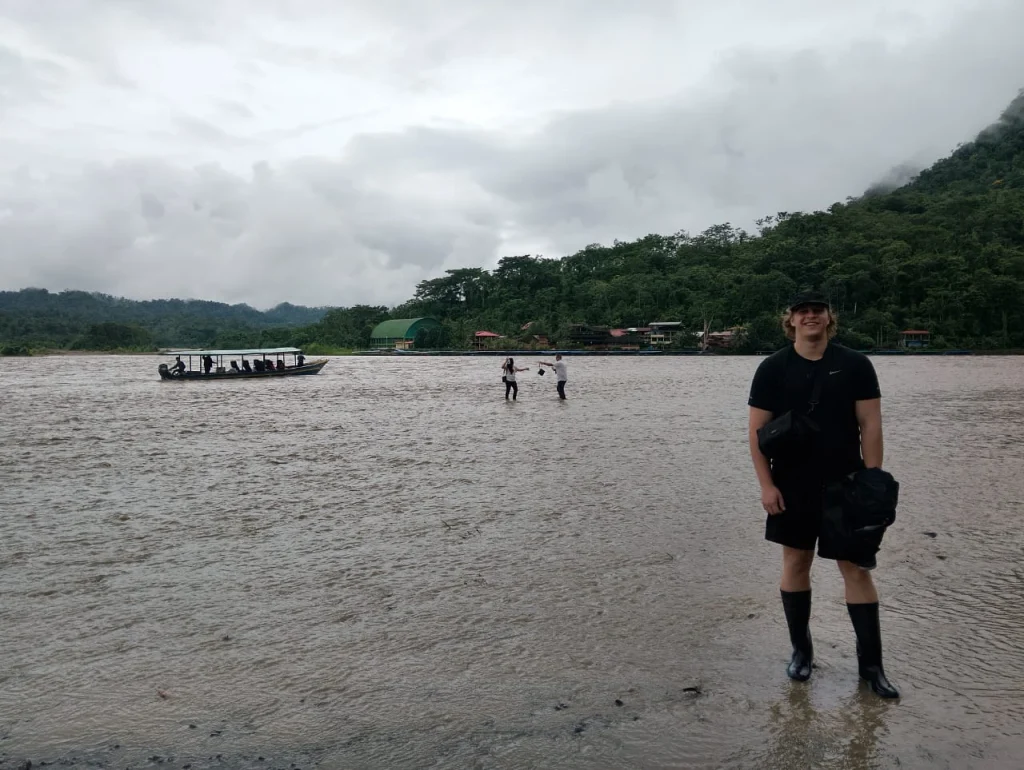
From November to April, the rainy season in Manu brings heavier precipitation, high water levels in rivers, and reduced accessibility to remote areas. However, this doesn’t mean it’s a bad time to visit. Some travelers prefer this time of year for its more intense green landscapes, fewer tourists, and slightly lower travel costs.
The frequent rains, though, may cause delays in transportation and tours. Many parts of the jungle become muddy and more difficult to hike. For that reason, the Manu trekking season is less active during this period.
On the other hand, the Manu rainforest temperature tends to be more stable during the rainy season, without the intense heat peaks of the dry season. The wildlife in Manu Peru is still very active, especially amphibians and insects, which are more visible during the rainy months.
Those who are interested in a deeper and more immersive rainforest experience, and are prepared for the challenges, will find the rainy season equally rewarding, although it is not typically considered the best time to visit Manu for first-time travelers.
Seasonal Impact on Wildlife in Manu Peru
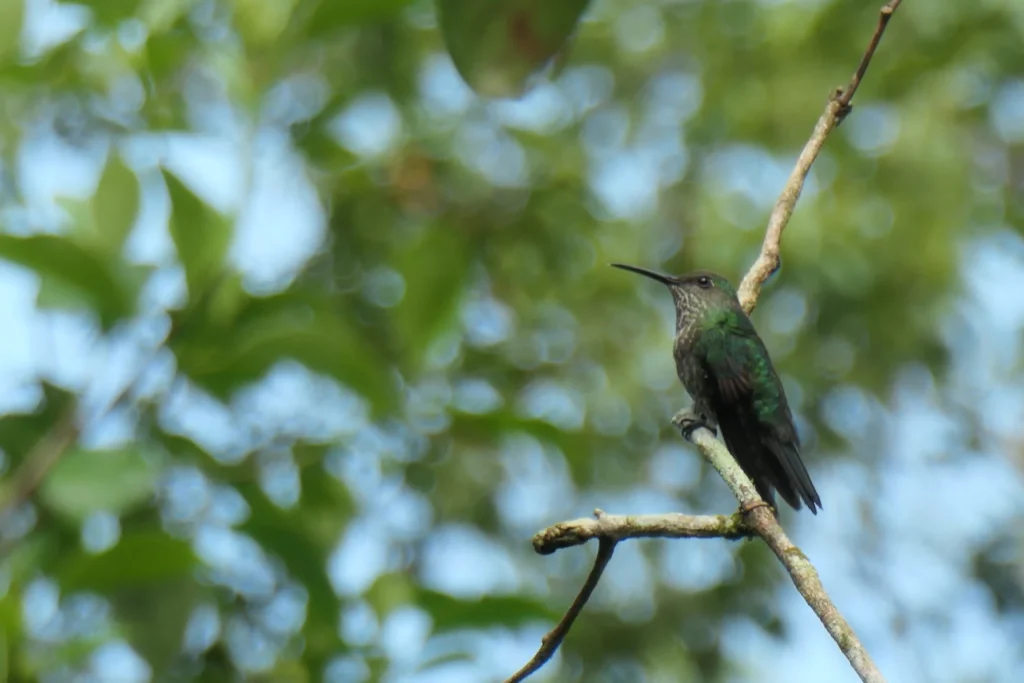
Wildlife viewing is one of the highlights of any trip to Manu. The park is home to jaguars, giant otters, tapirs, hundreds of butterfly species, and over 1,000 species of birds. The best time to visit Manu for wildlife lovers is usually during the dry season, when animals gather around riverbanks and lagoons.
Due to lower water levels, mammals and birds are easier to spot, particularly near clay licks where parrots and macaws congregate. For those interested in rare sightings, like anteaters or harpy eagles, planning your visit during the peak dry months (June–August) can be especially fruitful.
Still, some species are more active during the rainy season, especially amphibians and reptiles. Bird enthusiasts may also enjoy the wet season for observing nesting and mating behaviors.
No matter when you go, wildlife in Manu Peru is always abundant. However, choosing the right time based on your species of interest can enhance your experience significantly.
Jungle Tours in Manu: Seasonal Considerations
One of the main draws to the region is the variety of jungle tours in Manu. These tours vary by season in terms of length, depth of travel, and activities offered. During the dry season, multi-day trips that include long boat rides, overnight stays in remote Manu jungle lodges, and guided treks are more common.
Operators can safely navigate rivers and reach farther points within the park. In contrast, the rainy season in Manu limits access to deeper zones due to rising water and muddy trails. As a result, tours during the wet season often focus on shorter excursions and more accessible trails.
Regardless of when you go, it’s important to choose a certified and experienced tour company. They can offer up-to-date information about travel conditions in Manu Peru and ensure safety throughout your journey.
Manu Peru Travel Tips by Season
Dry Season (May–October):
- Pack light clothes, but include long sleeves for sun and insect protection.
- Bring sunscreen, a wide-brimmed hat, and insect repellent.
- Reserve Manu jungle lodges and tours early due to high demand.
- Be prepared for warm days and cooler nights.
Rainy Season (November–April):
- Bring waterproof gear, including rain jackets and rubber boots.
- Expect delays or itinerary changes due to weather.
- Travel with a flexible mindset.
- Consider shorter tours and stays near access points.
These small adjustments can make a big difference in your comfort and safety, no matter the Amazon rainforest weather Peru throws your way.
Choosing the Best Time to Visit Manu for Your Interests
Ultimately, the best time to visit Manu depends on your priorities. If you want the greatest wildlife sightings, stable conditions, and extended access to the park, choose the dry season. If you’re looking for a quieter and more budget-friendly trip with lush jungle scenery, the rainy season may suit you better.
Both seasons offer unique experiences in terms of climate in Manu Biosphere Reserve, biodiversity, and cultural interactions with local communities. The key is to be informed and prepared for the seasonal characteristics of this part of the Amazon.

FAQs: Best Time to Visit Manu
1. Is Manu National Park open year-round?
Yes, Manu National Park is open throughout the year. However, accessibility can vary depending on the season. During the peak of the rainy season (typically January to March), certain areas and routes may become temporarily inaccessible due to rising river levels or muddy trails. It’s always advisable to check with local tour operators before planning your trip, especially if you intend to visit more remote sectors of the park.
2. Can you visit Manu without a tour?
You can visit the buffer zone of Manu independently, especially areas like the cloud forest and certain community-based lodges. However, access to the core zone and most of the reserved zone requires joining a guided tour with a licensed operator due to strict conservation regulations and permit requirements. This ensures the protection of the park’s biodiversity and safety for visitors.
3. What are the best months for photography in Manu?
From June to August, Manu typically experiences clearer skies, lower humidity, and better light conditions—ideal for landscape and wildlife photography. During these months, trails are more accessible, river visibility improves, and animal activity around riverbanks increases, offering photographers more opportunities to capture Manu’s biodiversity. These are also the driest months, which means fewer interruptions due to rain.
4. Are there mosquitoes in Manu all year?
Yes, mosquitoes are present year-round in Manu due to its tropical climate and high humidity. However, their activity tends to increase during the rainy season when stagnant water sources become more abundant. It’s recommended to wear long sleeves, use insect repellent with DEET, and sleep under mosquito nets, regardless of the season.
5. Is Manu safe for solo travelers?
Manu is generally safe, but due to its remote location and limited infrastructure, it’s highly recommended for solo travelers to join a guided group tour or travel with a certified guide. Navigation can be complex, communication is limited, and help may be far away in case of emergencies. Traveling with a guide ensures both safety and a deeper understanding of the local ecology and cultures.
Our Related Tours about Manu National Park Peru
- Machu Picchu Inca Trail Tours – 4 Day Inca Trail
- Manu National Park 2 Days Tour – Discover the Heart of the Peruvian Amazon