Manu National Park Peru is one of the most important protected areas. Manu National Park offers a vast Peruvian Amazon rainforest experience, and knowing when to go, what to see, and how to get there is essential for planning a successful trip. In this post, you’ll find actionable guidance on Manu biodiversity, Manu wildlife, Manu flora, Manu travel routes, Manu tours, and more. We avoid unnecessary embellishments and focus on facts, clarity, and practical recommendations.

- Overview of Manu National Park and Its Importance
- When to Visit Manu National Park Peru (“When to Go”)?
- Manu Flora and Wildlife: What to See?
- Access and Route Planning (“How to Get There?”)
- Trips, Tours, and Ecotour Options
- Weather, Packing, and Practical Advice?
- Budget, Permits, and Sustainability
- Summary Table: When, What, and How
- Final Thoughts on Manu National Park Peru
- Frequently Asked Questions about Manu National Park Peru
- Our Related Tours about Manu National Park Peru
Overview of Manu National Park and Its Importance
Manu National Park Peru was established in 1973 and today spans more than 17,000 km² across the Cusco and Madre de Dios regions. The park includes multiple ecosystems: high Andean grasslands at over 4,000 m, cloud forests between 2,000 m and 3,500 m, and the lowland Peruvian Amazon rainforest below 300 m. As a UNESCO biosphere reserve and World Heritage Site, the park protects thousands of species: around 1,000 bird species, 150+ mammals, 132 reptiles, 155 amphibians, 210 fish, and over 4,000 plant varieties.
Because of this diversity, Manu National Park is recognized for its Manu biodiversity. Ecotourism here focuses on sustainable tourism in Manu, with guided Manu tours and controlled access to minimize impact.
When to Visit Manu National Park Peru (“When to Go”)?
Dry Season: Best Time to Visit Manu
From May to October, the dry season makes this the ideal time to visit Manu National Park. Trails remain dry, river levels are lower, and visibility improves, which means better Manu wildlife sightings and birdwatching in Manu. Popular wildlife—including jaguars, giant otters, macaws, and monkeys—often gather near water sources during this period. Daytime averages around 25 °C, though nights can drop to 12 °C.
This season is also favored for jungle excursions Peru and trip to the Peruvian Amazon itineraries. However, because it’s peak season, lodges fill early—booking ahead is essential.
Rainy Season: Alternatives and Considerations
From November to April, the region enters its wet season. Rainfall is heavy, raising river levels and creating temporary lakes. That can be challenging for walking trails but offers great trip to the Peruvian Amazon boat access deeper into the park. Plus, many species become more active: jaguars, giant river otters, toucans, and hummingbirds are easier to spot during January and February.
Still, travel is slower, roads may be inaccessible, and accommodations less predictable. If your interest is focused on Manu biodiversity and wildlife, wet season can be rewarding—but prepare for rugged conditions.
Manu Flora and Wildlife: What to See?
Rich Biodiversity and Flora
In the Peruvian Amazon rainforest and adjacent zones, Manu flora includes some 4,385 plant species, with over 1,100 tree species in certain plots. Key tree genera: Bertholletia, Cecropia, Hevea, Ficus, Inga, and more. In high cloud forests, you’ll find orchids, Podocarpus, Polylepis, and various native shrubs. That high diversity makes jungle excursions Peru especially rewarding for botanists and nature lovers.
Wildlife: From Jaguars to Macaws
Manu wildlife is equally impressive. Vertebrates include jaguars, pumas, giant otters, tapirs, peccaries, capybaras, monkeys (capuchins, spider), spectacled bears, giant anteaters, and many more. Amphibians and reptiles include over 150 and 132 species, including black caimans and green anacondas.
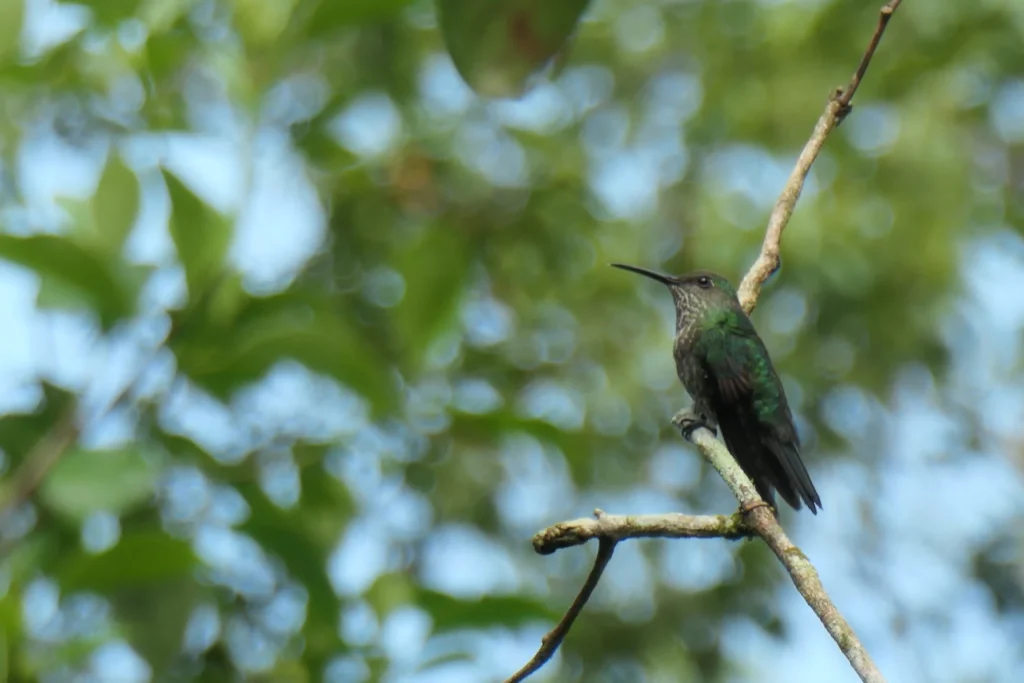
The park is a birdwatcher’s paradise: over 1,000 bird species, including macaws, harpy eagles, Andean cock-of-the-rock, toucans, and hummingbirds. That’s why birdwatching in Manu is a major draw.

Access and Route Planning (“How to Get There?”)
Typical Routes to Manu National Park Peru
From Cusco via Paucartambo
This is the most common Manu travel route. You’ll drive ~4 hrs on paved roads then gravel to Paucartambo; from there, continue to the Manu River and enter the park. Often starts early to catch sunrise views of the Andes and cloud forest.
From Puerto Maldonado via Boca Colorado
Another option is to depart from Puerto Maldonado. Drive to Santa Rosa (~2.5 hrs), cross the Inambari River to Puerto Carlos, then head to Boca Colorado and start river transport up the Madre de Dios River.
Charter Flight to Boca Manu
You can also take a charter plane to Boca Manu, then transfer by riverboat to your lodge. It’s faster but more expensive.
On‑Ground and River Modes
Within Manu National Park, there are no roads—only boats and trails. Boats are essential along the Manu and Madre de Dios Rivers. Walking trails and canopy towers allow wildlife viewing on foot.
Trips, Tours, and Ecotour Options
Selecting a Manu Tour Package
Manu tours range from 3- to 8-day itineraries. Most common is a 4-day trip from Cusco, combining road, river, and lodge stays. Typical inclusions: transport, guide, lodging, meals, permits, park entrance, and wildlife excursions. Choose operators with sustainable practices, local guides, and small groups.
Jungle Excursions Peru: Highlights on Tours
- Cocha Cashu Biological Station: Accessed by boat or float plane, this well‑known biological research station offers bird towers and research trails.
- Wayqecha Cloud‑Forest Station: At ~3,200 m, features orchids, canopy walkways, and cloud‑forest biodiversity.
- Macaw Clay Licks: Displays flocks of macaws gathering to feed in earthen banks—best seen during the dry season.
- Animal rescue centers: Sometimes included to learn about rescued parrots, monkeys, and otters.
- Birdwatching in Manu: pre-dawn and dusk outings to observe harpy eagles, toucans, cock-of-the-rocks, and more.
Weather, Packing, and Practical Advice?
Typical Weather in Manu
The park’s climate varies considerably. In lowland rainforest, average is 25–26 °C, with Andean zones around 8 °C. Annual rainfall ranges from 1,500–8,000 mm, highest in lowlands. As mentioned, dry season offers better conditions, though occasional rain can occur.
What to Pack
Essentials include waterproof gear, quick-dry hiking clothes, sturdy boots, insect repellent, sun protection, binoculars, and a headlamp. Bring cash—lodges inside Manu National Park often don’t have ATMs. For wet season trips, extra waterproofing is vital.
Budget, Permits, and Sustainability
Entry Fees and Permits
Lodges and guides typically include entry. Day visitors entering via Acjanaco, for example, pay around S/.10; entering the lower Manu River basin may cost S/.150. Prices and rules can change, so confirm when booking.
Sustainable Tourism in Manu
Given its ecological sensitivity, sustainable tourism in Manu is essential. Choose small‑scale operators who follow park regulations, support local communities, pay guide and staff fairly, and adhere to “leave no trace” policies. limit group sizes and avoid disturbing wildlife.
Summary Table: When, What, and How
| Aspect | Best Options |
|---|---|
| When to Go | Dry season (May–Oct): best weather, wildlife; wet season: deeper boat access |
| What to See | Manu biodiversity: flora, wildlife, birds, clay licks, canopy, lodges |
| How to Get There | From Cusco via Paucartambo; from Puerto Maldonado via river; charter flight |
| Tours & Routes | 4‑day Cusco trips; eco‑lodges; biological stations (Cocha Cashu, Wayqecha) |
| Packing & Weather | Quick‑dry gear, waterproofs, repellent, cash, binoculars |
| Pricing & Permits | ~S/.10–150 per zone; lodge‑tour packs include permits |
| Sustainability | Choose small operators, support communities, respect wild areas |
Final Thoughts on Manu National Park Peru
Manu National Park Peru is a world-class example of untouched nature. Whether your focus is birdwatching in Manu, exploring Manu biodiversity, navigating jungle excursions Peru, or soaking in the Peruvian Amazon rainforest, this park delivers. Plan wisely, respect the area, and choose your season depending on whether you want dry convenience or wet‑season immersion.
Frequently Asked Questions about Manu National Park Peru
What vaccination is required for visiting Manu National Park Peru?
The yellow fever vaccine is strongly recommended for all travelers visiting Manu National Park Peru, especially if you’re heading to lowland rainforest areas. It’s also wise to be up to date on tetanus, hepatitis A and B, and typhoid. Always consult a travel medicine specialist before your trip.
Are there lodges accessible by road within the park?
Most lodges inside Manu National Park are not accessible by road. The majority require a combination of road and river transport. However, in the buffer zone and cloud forest region, a few eco-lodges are reachable entirely by vehicle from Cusco.
Can I travel independently without a guide?
Visiting Manu National Park without a guide is generally not allowed. The park enforces strict conservation rules that require visitors to be accompanied by a licensed guide. Only specific buffer areas may be accessed freely, but the core zone and major tour circuits require organized tours.
What languages do park guides typically speak?
Most official guides in Manu National Park Peru speak Spanish and English. In some tours, especially premium ones, guides may also speak German, French, or Italian. Be sure to confirm language availability when booking.
Are there family‑friendly tour options and age limits?
Yes, many tour operators offer family‑friendly packages with shorter hikes, child‑safe lodges, and wildlife-focused activities for younger travelers. There are generally no age limits, but parents should consider the physical demands of transport, heat, and terrain before booking.
Our Related Tours about Manu National Park Peru
- Machu Picchu Inca Trail Tours – 4 Day Inca Trail
- Manu National Park 2 Days Tour – Discover the Heart of the Peruvian Amazon