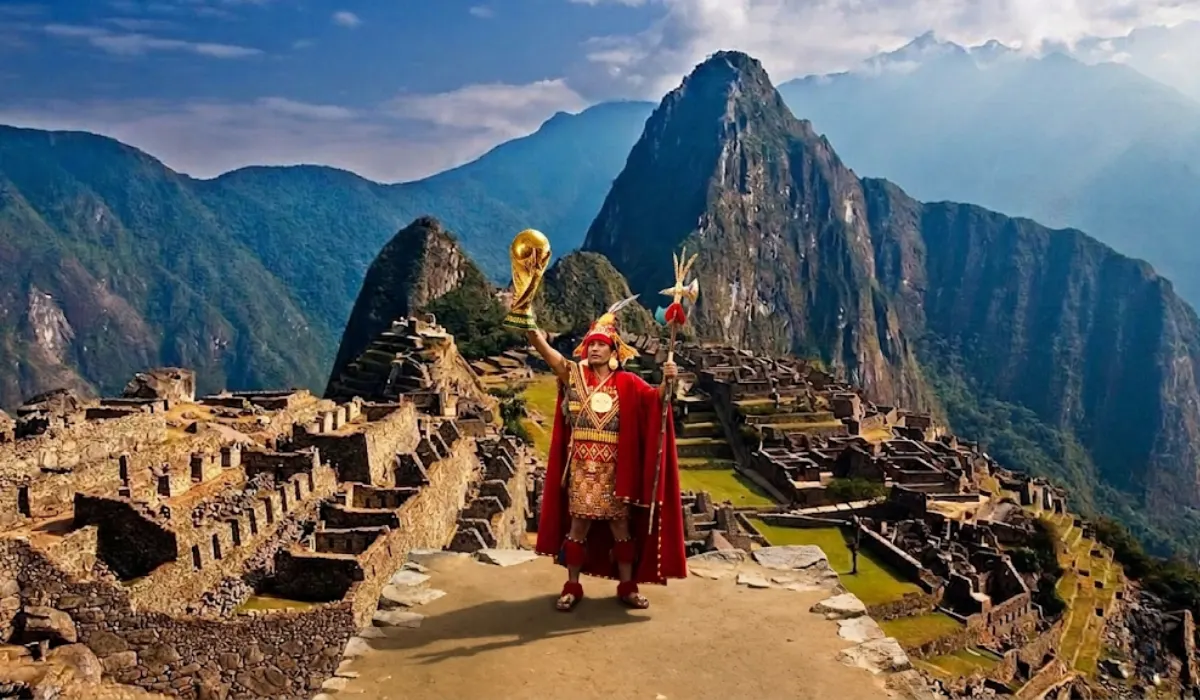
Choosing the right route to tour Machu Picchu largely depends on your current physical condition. Knowing the differences between Machu Picchu circuits allows you to plan a comfortable, safe visit tailored to your personal needs. Each official circuit has a different length, variations in the number of stone steps, and diverse physical demands.
Trails to Machu Picchu can help you choose the most suitable circuit for your trip.
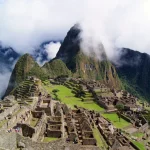
The Inca citadel is located at 2,430 meters above sea level. Although it is situated at a lower altitude than the city of Cusco, the archaeological terrain features continuous elevation changes. Walking on historical cobblestones requires physical stability, proper footwear, and basic physical preparation.
Key factors in the physical effort of Machu Picchu circuits
The difficulty level within the sanctuary does not depend solely on distance in kilometers. There are Inca architectural elements that directly influence muscular and cardiovascular fatigue during the tour.
- Stone stairs: The trails feature steep and irregular steps carved into rock.
- Circuit duration: Routes require between an hour and a half and four hours of continuous walking.
- Altitude effects: Lower oxygen levels compared to sea level affect breathing rhythm.
- Weather exposure: Bright sunshine or occasional rain increase energy depletion for visitors.
Difficulty classification of Machu Picchu circuits
Peru’s Ministry of Culture organizes access to the citadel through a system of official circuits. This structure aims to protect the Inca ruins and manage visitor flow according to mobility capabilities.
Circuit 1: Panoramic Route and moderate effort
Circuit 1 is designed to capture the classic postcard photo from the upper part of the citadel. This itinerary ascends through the upper agricultural terraces of Machu Picchu.
The first section requires moderate cardiovascular effort due to the ascent up steep stairs. However, once the highest point is reached, the path levels out and the return is downhill. The Machu Picchu circuit hike in this option takes about two hours. It is suitable for actively mobile individuals seeking panoramic views without completing the full traverse through the urban sector.
Circuit 2: The Classic route with the longest distance
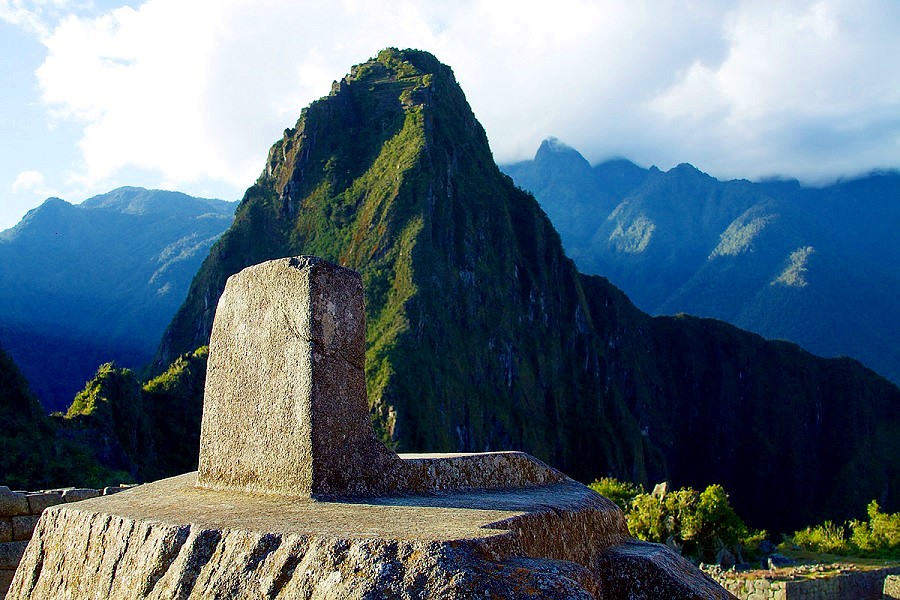
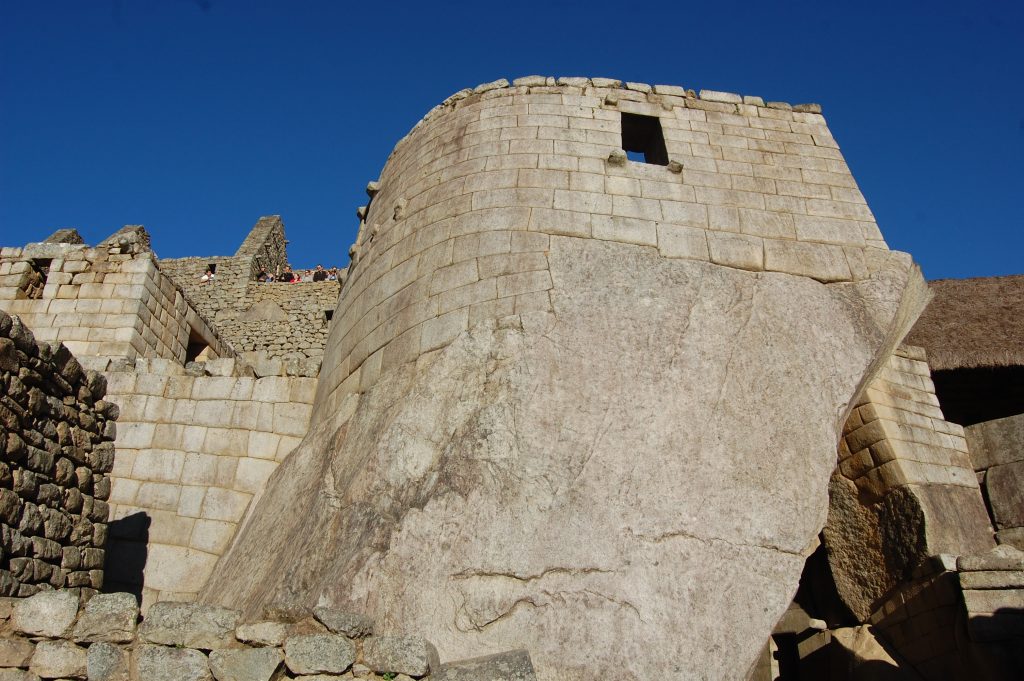
Circuit 2 represents the most extensive and comprehensive route within the main urban area. It allows you to visit iconic sites such as the Temple of the Sun, the Main Square, and the Intihuatana area when accessible.
This tour involves climbing up and down hundreds of steps over an estimated time of three to four hours. It requires healthy joints and good overall physical endurance. When comparing the differences between Machu Picchu circuits, this route stands out as the most demanding among traditional non-mountain options. It is not recommended for people with severe joint issues or reduced mobility.
Circuit 3: The most accessible and inclusive option
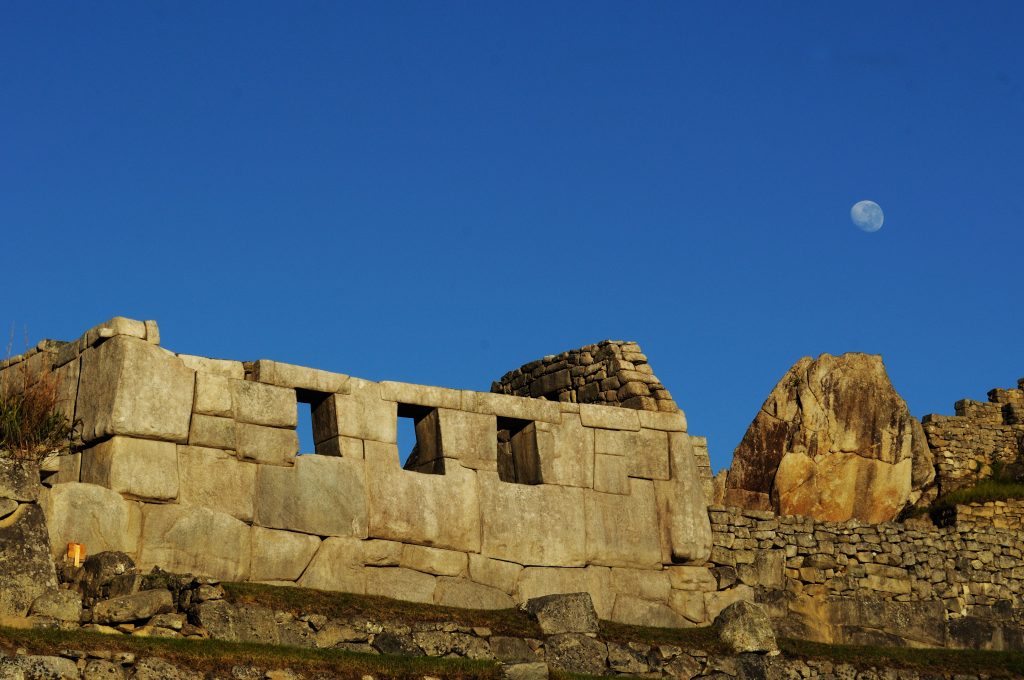
Circuit 3 covers the lower area of the archaeological site, visiting the Inca House and the royal workshops. This route avoids the initial climb to the upper terraces, significantly reducing the elevation change of the walk.
If you are looking for the least demanding Machu Picchu circuit, this is the ideal alternative. It works perfectly as a Machu Picchu circuit for seniors or travelers who prefer to avoid intense physical effort. As a Machu Picchu circuit with fewer stairs, it allows for a smooth and steady pace. Additionally, this zone is part of the accessible Machu Picchu circuits recommended for people requiring a short and flat tour. The visit is typically completed in an hour and a half.
Additional routes to the main peaks
For those seeking a greater physical challenge, combined tickets allow access to climb the surrounding mountains. These routes require excellent physical conditioning and no fear of heights.
Huayna Picchu Mountain
The climb to Huayna Picchu is famous for its narrow paths and vertical stone steps carved into the rock. It demands good muscle strength, great balance, and a steady breathing rhythm. The round trip takes between two and three hours of high physical demand.
Machu Picchu Mountain
The hike to Machu Picchu Mountain is longer but features a less steep incline than Huayna Picchu. The path consists of a wide stone trail with constant steps. It requires aerobic endurance for a total duration of three to four hours.
Huchuy Picchu
Huchuy Picchu hill is the shortest mountain alternative. It offers a short round-trip hike of approximately one hour, accessible to those who want an elevated view without prolonged physical exertion.
Organize your visit to Machu Picchu with the guidance of Trails to Machu Picchu.
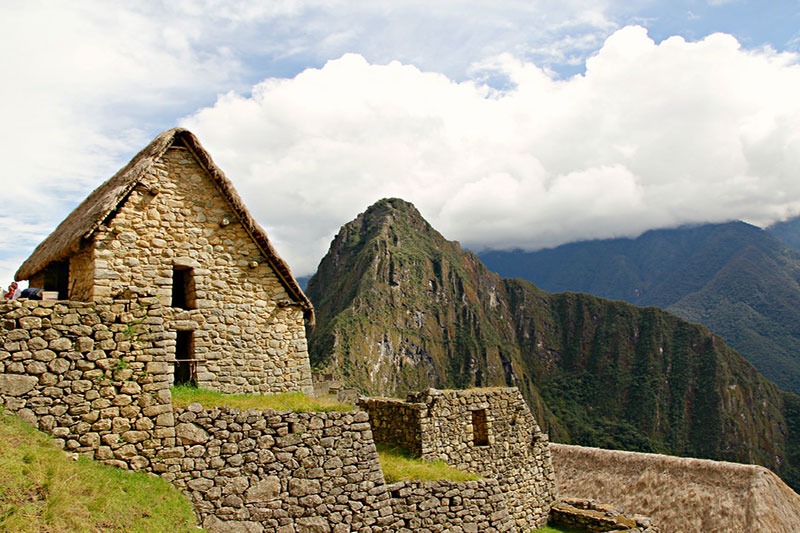
Recommendations to prepare your hike
Planning your visit according to your endurance ensures a safe and enjoyable trip. Honestly assessing your physical capability helps you select the right ticket before traveling.
- Acclimate in Cusco or the Sacred Valley for at least two days before your hike.
- Wear hiking footwear with non-slip soles to prevent slipping on wet stone.
- Use trekking poles only if you have physical limitations, ensuring they have protective rubber tips.
- Walk at an unhurried pace and stay consistently hydrated throughout the journey.
To organize a visit tailored to your physical ability, authorized agencies like Trails to Machu Picchu offer clear guidance on route and itinerary selection in the region.
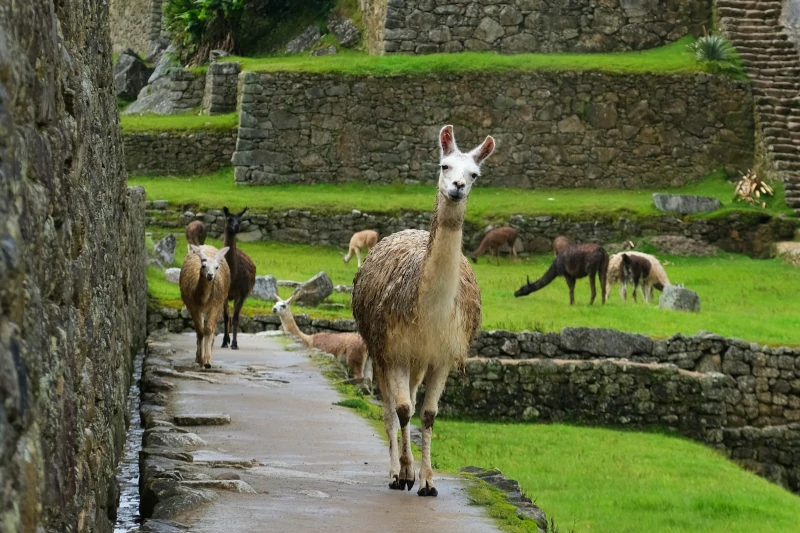
Choosing the right circuit according to your profile
Analyzing the differences between Machu Picchu circuits helps you make an informed decision before purchasing entry tickets. Photographers and travelers with standard mobility will enjoy Circuit 1. Active individuals wishing to explore every architectural corner will get the most out of Circuit 2. Seniors or visitors seeking physical comfort will find Circuit 3 to be the most convenient option.
Remember to check official ticket availability in advance to secure the route that best fits your travel needs. Trails to Machu Picchu provides personalized guidance based on your availability, contact us.