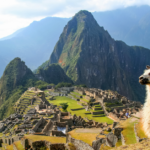
Visiting Maras and Moray lets you explore two of the most interesting destinations in the Sacred Valley of the Incas. Both places combine history, culture, and very different Andean landscapes. Moreover, they are relatively close to the city of Cusco. This makes it easy to include them in any travel plan. Many travelers seek varied experiences during their trip to Cusco Peru. This tour brings together nature, archaeology, and local traditions in one route. Therefore, it is an ideal alternative for those who want to discover other important sites outside Machu Picchu. Both the Maras salt mines and the famous terraces of Moray Cusco show ancient techniques. These still generate interest among researchers and visitors. Likewise, there are various transport options and organized tours. This makes the popular Maras and Moray tour one of the most requested activities among tours in Cusco.
- Historical and cultural importance of Maras and Moray
- The Maras salt mines and their ancestral tradition
- Moray Cusco and the Inca circular terraces
- The Sacred Valley landscape on the route to Maras and Moray
- Maras and Moray tour options from Cusco
- How to get to Maras and Moray from Cusco
- What to see in Maras and Moray during the visit
- Reasons to include Maras and Moray on a trip to Cusco Peru
- Frequently asked questions about Maras and Moray
Historical and cultural importance of Maras and Moray
The relevance of Maras and Moray among the archaeological sites of Cusco relates directly to the legacy of the ancient Inca empire. Each place had different functions, although both were connected to agricultural and economic activities vital for the Andean region. In the case of Moray Cusco, its enormous circular terraces show an advanced design. This design continues to surprise specialists. Furthermore, temperature variations between each level allowed experimenting with different crops. Because of this, many researchers believe the site functioned as a specialized agricultural center during Inca times.
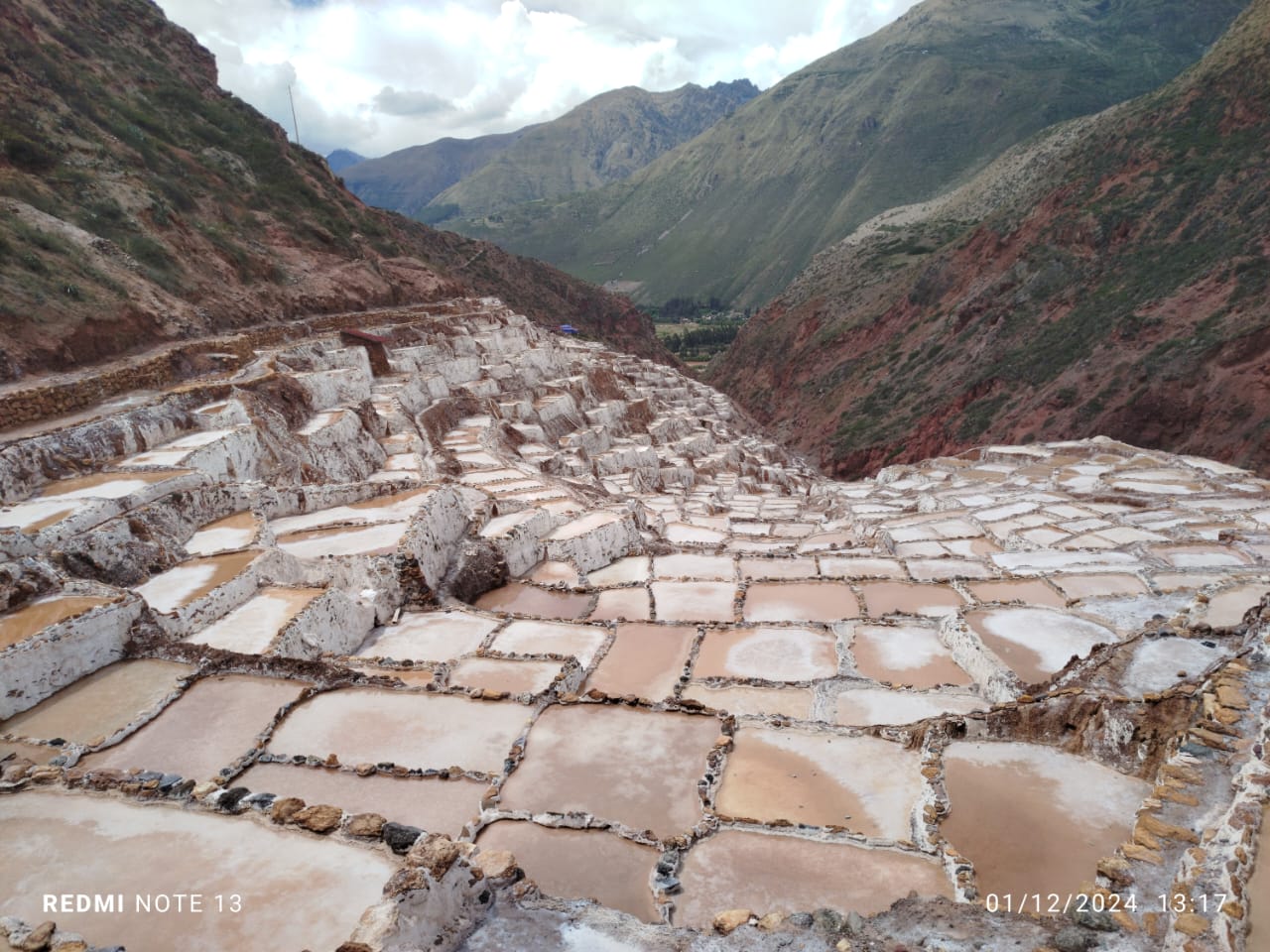
On the other hand, the well-known Maras salt mines represent a tradition that continues to this day. Thousands of small pools form a very characteristic landscape within the valley. These pools receive salty water from a natural spring located in the mountain. Then, the evaporation process produces artisanal salt. Many local families still work in these pools using traditional methods passed down through generations. Therefore, visiting this place also allows you to understand important aspects of Andean economy and community organization.
Additionally, the route between both sites offers a very complete cultural experience. Visitors can observe rural communities, Andean paths, and traditional farming areas. All of this makes Maras and Moray a highly valued destination for those who want to learn about the history of ancient Peru beyond the classic circuits.
The Maras salt mines and their ancestral tradition
The famous Maras salt mines are located on a hillside near the town of Maras, within the district of the same name. This place stands out for its thousands of terraced pools. These create a landscape very different from other attractions in the area. Due to its unique appearance, many tourists include this site among their main activities during a trip to Cusco Peru. Moreover, salt extraction continues to be an important economic activity for local families.
The operation of the pools depends on a natural spring with a high salt concentration. Water flows through small channels into each pond. Then, the sun causes evaporation and leaves salt crystals ready for collection. This process has continued since ancient times and is still done manually. Therefore, visiting the Maras salt mines allows you to observe traditional techniques that remain active today.
Many travelers take advantage of the visit to learn about salt-derived products. These include pink salts, mineral salts, and artisanal items made by nearby communities. Furthermore, the panoramic view of the pool complex offers excellent photo opportunities. The mountainous setting of the Sacred Valley landscape also helps create a very attractive visual experience.
Among the most valued aspects by tourists are the following:
- Observation of traditional salt extraction techniques
- Andean landscapes different from other Cusco attractions
- Contact with local communities
- Easy access from the city of Cusco
- Integration with other nearby tourist tours
Moray Cusco and the Inca circular terraces
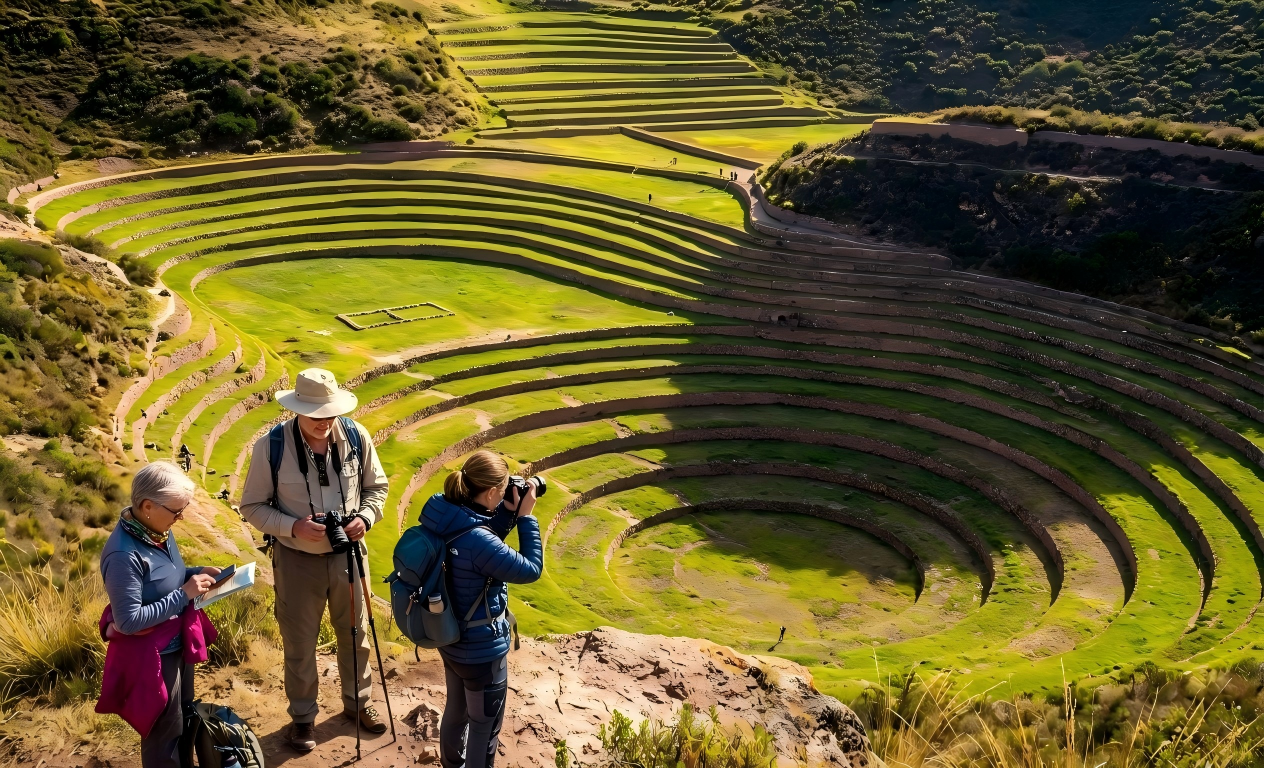
The archaeological complex of Moray Cusco is mainly known for its enormous concentric terraces. These circular structures were built within natural depressions in the terrain. Additionally, each level presents different climatic conditions. Due to these variations, the site may have served to develop agricultural experiments during the Inca period.
The so-called circular terraces of Moray represent an important example of Andean agricultural knowledge. Temperature differences between the top and the bottom reach several degrees. Therefore, the Incas could adapt crops from different regions. This agricultural capacity was essential to sustain the empire’s expansion into very diverse territories.
Another interesting aspect relates to the architectural design of the site. The terraces show an advanced drainage and soil conservation system. Moreover, the stones used were carefully placed to prevent erosion and leakage. The combination of engineering and adaptation to the environment demonstrates the high level of planning achieved by the Inca civilization.
Many visitors consider Moray Cusco to have one of the most unique archaeological landscapes in the country. From the upper viewpoints, it is possible to see the complete shape of the circles and appreciate the magnitude of the complex. Likewise, the silence of the surroundings generates a different experience from other more crowded tourist sites.
The Sacred Valley landscape on the route to Maras and Moray
One of the main reasons to take a tour to Maras and Moray is the natural beauty of the surroundings. The route crosses different rural areas of the Sacred Valley of the Incas, where traditional agricultural activities still prevail. Additionally, the Andean mountains offer panoramic views for most of the trip.
The road allows you to observe small towns, farmlands, and routes historically used by local communities. Because of this diversity, many tourists consider that the experience is not limited to visiting archaeological sites. It also represents an opportunity to learn about the daily life of the Peruvian Andes.
During certain times of the year, the landscape changes considerably. In the dry months, clear skies allow you to better appreciate the mountains and valleys. However, during the rainy season, the fields acquire intense green tones that completely transform the view of the valley. Both periods offer different experiences for those who want to tour the region.
Furthermore, there are natural viewpoints from where you can observe different sectors of the valley. Some tours in Cusco operators include brief stops for photos and rest. Therefore, the journey to Maras and Moray is also an important part of the overall tourist experience.
Maras and Moray tour options from Cusco
Currently, there are several alternatives to take a Maras and Moray tour. Many travelers opt for organized services due to logistical ease and the short duration of the tour. Additionally, these tours often include transportation, a guide, and additional stops at other nearby attractions.
Most excursions depart from the city of Cusco in the morning. Travel time depends on the selected route and type of transport. Generally, the tour can be completed in half a day or throughout a full day. Some agencies combine the visit with other important sectors of the Sacred Valley of the Incas.
Among the most common modalities are the following:
Traditional group tours
These are economical and widely available options among tours in Cusco. They also allow you to share the experience with other travelers. They generally include tourist transport and a bilingual guide.
Maras ATV excursion
The popular Maras ATV excursion has become a highly requested activity. Many visitors prefer this modality for the adventure experience and panoramic views along the route. However, some circuits only reach certain points near the salt mines.
Private personalized services
Private services offer greater schedule flexibility and routes adapted to each group. They also allow more stops for photos or complementary visits. This option is convenient for families or small groups.
How to get to Maras and Moray from Cusco
There are different ways to organize transportation to Maras and Moray. The most used alternative is to hire a tourist service from the historic center of Cusco. However, some travelers prefer to move independently using public transport or private taxis.
The route from the city crosses several areas of the Sacred Valley of the Incas. Depending on the route, the average travel time usually exceeds one hour. Additionally, the roads allow you to observe various rural landscapes along the way.
Those seeking greater comfort usually hire a complete Maras and Moray tour. This option facilitates entry to both places and reduces logistical problems related to schedules or connections. On the other hand, independent travelers can take transportation to the town of Maras and then continue to nearby tourist attractions.
There are also operators specialized in bike routes and hikes. These activities allow you to tour the area more leisurely and better enjoy the natural environment. Furthermore, some routes include visits to traditional communities and agricultural areas of the valley.
What to see in Maras and Moray during the visit
In addition to the well-known terraces and salt pools, there are other interesting elements within the tour. Many visitors seek to expand their experience by including cultural and landscape activities. Therefore, knowing the circuit well allows you to make better use of available time.
Among the main attractions related to what to see in Maras and Moray are the following:
- The agricultural terraces of Moray Cusco
- The thousands of pools at the Maras salt mines
- The mountainous landscapes of the valley
- The nearby small traditional towns
- Artisan markets with local products
- Panoramic photographic routes
- Rural roads used by Andean communities
Additionally, some agencies include cultural demonstrations or tastings of products made with artisanal salt. These activities complement the tourist experience and allow you to better understand the local reality of the region.
Another aspect valued by many tourists is the possibility of combining this route with other nearby attractions. Some itineraries include visits to Chinchero, Ollantaytambo, or additional sectors of the Sacred Valley of the Incas. In this way, the tour can be easily adapted to different types of trips.
Reasons to include Maras and Moray on a trip to Cusco Peru
There are multiple reasons to include Maras and Moray in any tourist itinerary in the Cusco region. Both places bring together cultural, historical, and landscape elements very different from other destinations in the area. Additionally, their proximity to the city makes it easy to organize the visit even during short stays.
One of the most important factors is the diversity of experiences available. Visitors can learn about Inca agricultural techniques, observe traditional salt extraction processes, and enjoy very representative Andean landscapes. Likewise, the tour allows for a better understanding of the historical relationship between communities and the natural environment.
Another important advantage relates to accessibility. There are numerous tourist services and different transport alternatives. Therefore, both independent travelers and organized groups can tour the area without major difficulties.
The photographic value of the tour also stands out. The contrasts between the circular terraces, the salt pools, and the mountains generate very attractive images. Because of this, many tourists consider this circuit one of the most interesting among the tourist places in Cusco.
Finally, the combination of archaeology, nature, and tradition makes Maras and Moray a different experience within classic tourist circuits. This allows you to diversify your trip and discover lesser-known aspects of Andean culture.
Frequently asked questions about Maras and Moray
1. Is the entrance to Maras and Moray bought with a single ticket?
Entry to Moray Cusco is usually included in the tourist ticket for the Sacred Valley of the Incas circuit. However, the Maras salt mines normally manage an independent payment administered by the local community. Therefore, many travelers must consider both costs before organizing the tour. Furthermore, some tours already include these tickets within the total price of the contracted service.
2. What is the best time to visit Maras and Moray?
The dry season, between May and September, offers clear skies and better conditions for touring the area. During those months, panoramic views are usually clearer. However, the rainy season also presents very attractive green landscapes within the valley. Therefore, both seasons have advantages depending on the type of experience sought.
3. How much time is recommended to tour Maras and Moray?
Many travelers dedicate half a day to the basic circuit. However, those who want to tour different sectors calmly may need a full day. Additionally, time increases if you include additional activities such as hikes, ATVs, or nearby cultural visits.
4. What is the altitude of Maras and Moray, and what are its effects on visitors?
The region is located at considerable altitude above sea level. Because of this, some tourists may experience tiredness or mild discomfort related to altitude. It is recommended to rest adequately in Cusco before taking the tour. Also, staying hydrated throughout the visit is important.
5. What services are available during the tourist tour?
In nearby areas, there are small sales stalls, basic services, and spaces designated for tourism. Additionally, some sectors have areas for photos and rest. However, service availability may vary depending on the season and visitor flow. Therefore, many travelers prefer to bring water, sunscreen, and appropriate clothing for temperature changes.
Discover our travel packages in Peru and let us organize the perfect adventure for you. Get a quote for your trip to Cusco today!