Las Must-see Cusco festivals represent one of the most important cultural expressions of Cusco, where Inca roots, colonial traditions, and living customs come together. These celebrations are an essential part of cultural tourism in Cusco. They allow visitors to understand local identity through rituals, music, and gastronomy. Additionally, the Cusco festival calendar stays active all year long. This makes the region an attractive destination across different seasons. Therefore, knowing the Must-see Cusco festivals helps you plan a trip aligned with authentic experiences. Each event has a specific historical meaning. It also involves entire communities in its organization. Because of this, participating in these celebrations means much more than just watching. Visitors integrate into an active and respected cultural dynamic.
- Cusco festival calendar and its cultural importance
- Must-see Cusco festivals throughout the year
- Cultural events in Cusco and experiences for tourists
- Best dates to travel to Cusco and enjoy the festivities
- Practical tips to enjoy Cusco festivities
- Impact of cultural tourism on Cusco festivities
- Festival guide in Cusco to plan your trip
- Frequently asked questions about Cusco festivities
Cusco festival calendar and its cultural importance
The Cusco festival calendar reflects the continuity of Cusco customs and traditions throughout the year. This calendar includes not only religious dates but also agricultural celebrations and historical commemorations. Moreover, many of these festivities connect to natural cycles. Examples include harvests or season changes. Therefore, the traditional festivals in Cusco Peru have a direct link with the Andean worldview. In this context, communities organize parades, dances, and ceremonies. These practices keep ancestral traditions alive.
Among the important events in Cusco Peru, some celebrations attract both tourists and locals. These festivities also boost cultural tourism in Cusco. They generate complementary activities like craft fairs and food presentations. However, remember that each festival has specific rules and protocols. For example, some ceremonies require absolute respect due to their sacred nature. Additionally, many festivities take place in main squares, temples, or archaeological sites. This reinforces the connection between physical space and cultural tradition.
Must-see Cusco festivals throughout the year
Inti Raymi and the jubilee month celebrations
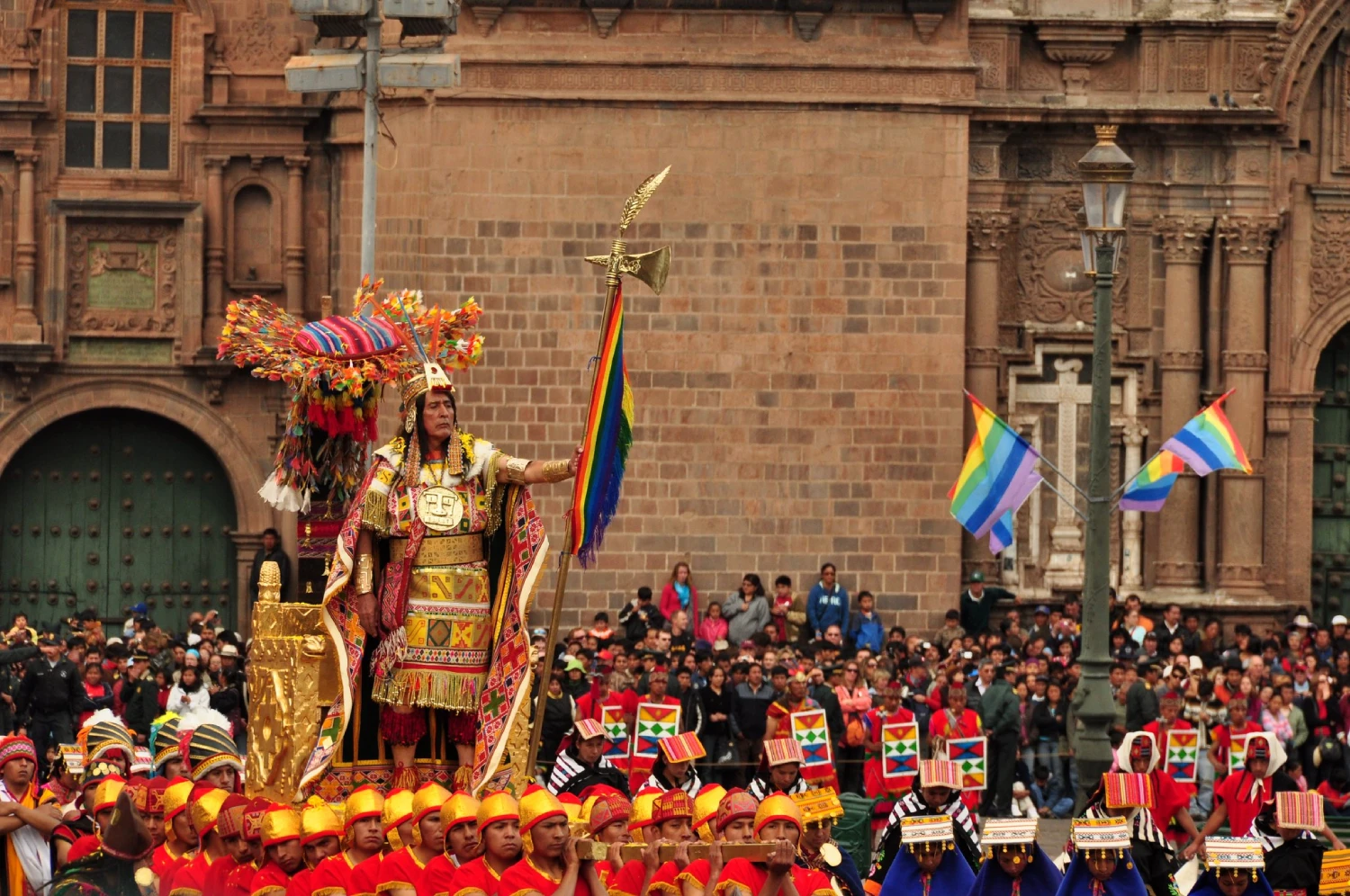
The Inti Raymi is one of the Must-see Cusco festivals, celebrated every June 24th. This historical reenactment represents the ancient Inca ritual honoring the sun god. It takes place at emblematic sites like Sacsayhuamán. Thousands of visitors witness this performance. Additionally, it is part of Cusco’s jubilee month. This month includes parades, dances, and cultural activities. Therefore, June is considered one of the best dates to travel to Cusco.
During this period, traditional Cusco dances play a central role. Each group represents a community with typical costumes and specific choreographies. Moreover, the festive atmosphere spreads throughout the entire city. Because of this, booking services in advance is highly recommended. Activities usually start weeks before the main event. This expands the range of cultural experiences in Cusco.
Corpus Christi and religious traditions
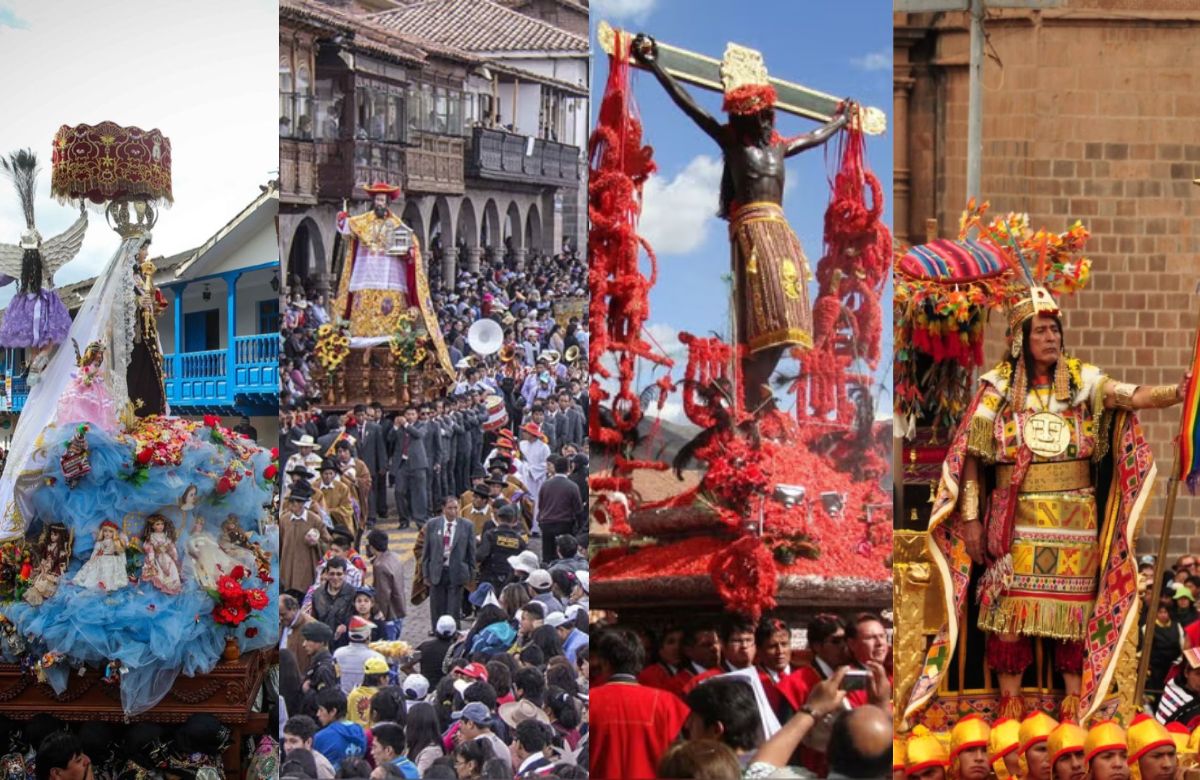
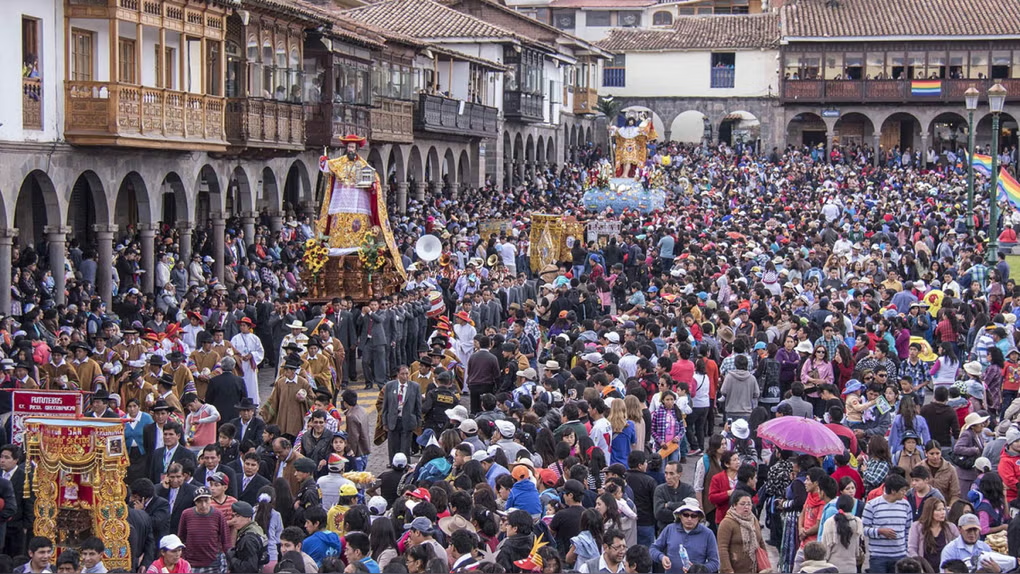
The Corpus Christi is one of the main religious festivals in Cusco Peru, celebrated between May and June. During this festivity, various images of saints and virgins are moved from nearby churches to the cathedral. This event combines Catholic elements with Andean traditions. Furthermore, it is one of the Must-see Cusco festivals due to its historical significance.
The celebration includes processions, music, and typical gastronomy. Among traditional dishes, chiriuchu stands out. People eat it especially on this date. Therefore, the event is also part of the typical Cusco festivals for tourists interested in local culture. However, you must remain respectful during processions. They have a deep religious character. These manifestations strengthen collective identity. They also reflect cultural adaptation over time.
Virgen del Carmen and Andean celebrations in Cusco
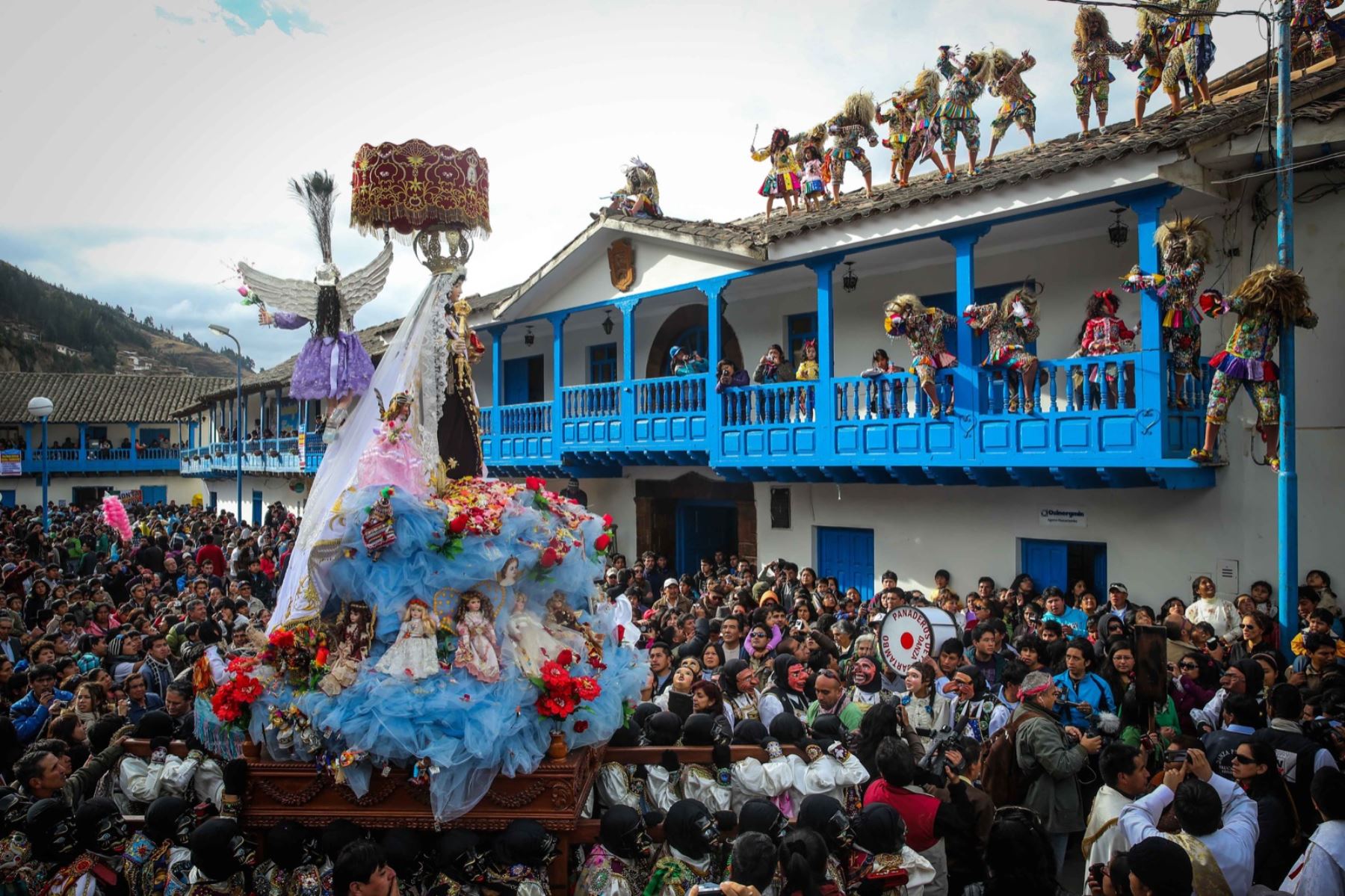
The festivity of the Virgen del Carmen, celebrated in Paucartambo, is one of the most representative within Andean celebrations in Cusco. This event brings together parades with masks and dances. They tell historical and social stories. Additionally, it is considered one of the Must-see Cusco festivals for its authenticity.
For several days, the streets fill with music, fireworks, and rituals. The traditional Cusco dances play a fundamental role in the festival’s narrative. Each dance represents a cultural group or historical episode. Therefore, this celebration offers a complete experience for those seeking cultural events in Cusco. However, due to its popularity, planning your trip in advance is important.
Señor de los Temblores and local devotion
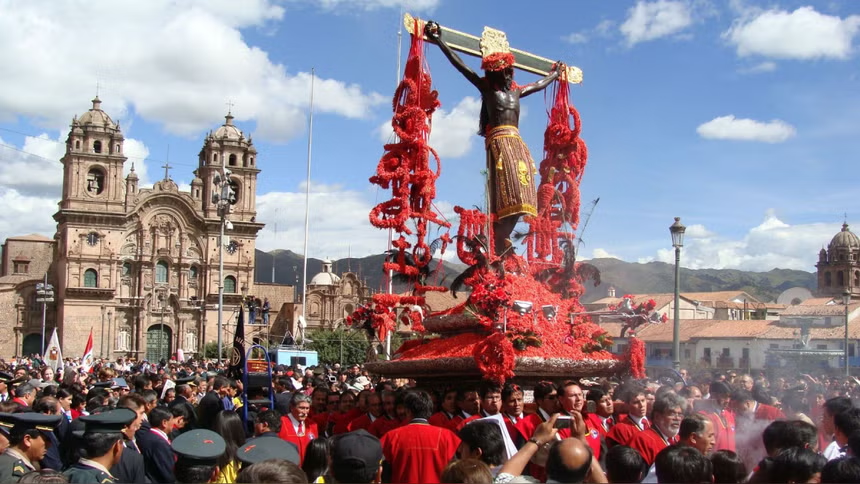
The Señor de los Temblores is the sworn patron of Cusco. His festivity takes place during Holy Week. This is one of the Must-see Cusco festivals due to its strong spiritual charge. The image is carried in procession through the main streets. Additionally, the faithful throw flowers known as ñuccho. These flowers are part of the tradition.
This event is key among the religious festivals in Cusco Peru. It gathers thousands of people. Therefore, the city experiences high tourist traffic during this season. However, the religious character requires respectful behavior. The celebration also connects to colonial history and seismic events that marked the region.
Cultural events in Cusco and experiences for tourists
The cultural events in Cusco offer multiple opportunities to live local traditions. Besides the main festivities, there are fairs, contests, and artistic presentations all year round. These activities complement the Must-see Cusco festivals. They also enrich the visitor’s experience.
- Performances of traditional Cusco dances in plazas and theaters
- Gastronomic fairs with typical dishes
- Exhibitions of local crafts
- Andean music concerts
- Community activities in traditional neighborhoods
These experiences allow visitors to integrate more deeply into local culture. Therefore, they are an essential part of cultural tourism in Cusco. Additionally, many agencies offer tours on festive dates in Cusco. These are designed to coincide with these celebrations. However, choosing responsible operators who respect traditions is important.
Best dates to travel to Cusco and enjoy the festivities
Choosing the right time is key to enjoying the Must-see Cusco festivals. The best dates to travel to Cusco depend on the type of experience you seek. For example, June is ideal for those wanting to experience the jubilee month. However, this is also a high season with greater demand.
On the other hand, May and July offer important festivities with less tourist saturation. Moreover, during these months, various typical Cusco festivals for tourists take place. Because of this, planning ahead is recommended. Also consider the weather. The dry season makes travel easier. However, some festivities happen regardless of weather conditions.
Practical tips to enjoy Cusco festivities
To make the most of the Must-see Cusco festivals, follow certain recommendations. These help guarantee a safe and respectful experience. They also allow you to optimize your time during the trip.
- Book accommodation in advance
- Arrive early to main events
- Respect local and religious norms
- Wear appropriate clothing for weather changes
- Stay informed about schedules and routes
Additionally, it is advisable to acclimate to the altitude before engaging in intense activities. Therefore, dedicating the first days to acclimatization is essential. Festivities may involve long walks or extended time in open spaces. Because of this, good planning improves the overall experience.
Impact of cultural tourism on Cusco festivities
The growth of cultural tourism in Cusco has generated important economic benefits. However, it also presents challenges related to preserving traditions. The Must-see Cusco festivals must stay authentic to preserve their cultural value. Therefore, authorities and communities work together to regulate tourist participation.
Furthermore, tourism promotes the spread of Cusco customs and traditions internationally. This contributes to the region’s cultural recognition. However, visitors must act responsibly. Respect for traditions guarantees the sustainability of these celebrations. Because of this, tourism must be conscious and well-managed.
Festival guide in Cusco to plan your trip
A proper festival guide in Cusco allows you to organize your itinerary efficiently. The Must-see Cusco festivals can be integrated into a travel plan. This plan may include visits to archaeological sites and cultural activities. Additionally, combining these experiences improves your understanding of the historical context.
- Check the updated Cusco festival calendar
- Coordinate transportation and accommodation in advance
- Consider the duration of each festivity
- Include rest days for acclimatization
These actions allow you to fully enjoy the celebrations. Therefore, proper planning is key to making the most of each event. It also facilitates access to more authentic and organized experiences.
Frequently asked questions about Cusco festivities
1. Do Cusco festivities have an entrance fee for tourists?
Some celebrations are free and open to the public. This is especially true for religious processions and events in plazas. However, certain activities like Inti Raymi have restricted areas with paid tickets. These tickets allow you to observe the ceremony from organized spaces. Therefore, it is advisable to check in advance if tickets are required for specific events.
2. Is it necessary to hire tours to attend festivities in Cusco?
Hiring tours is not mandatory, but it can be useful for high-demand events. Organized tours facilitate access, transportation, and strategic location. They also include contextual information about the festivity. However, many events can be enjoyed independently with good planning.
3. Do the festivities take place on the same dates every year?
Most festivities maintain fixed dates within the annual calendar. However, some religious celebrations may vary slightly according to the liturgical calendar. Therefore, checking updated dates before traveling is important.
4. What type of clothing is recommended during the festivities?
Comfortable clothing suitable for weather changes is recommended. Cusco has variable temperatures during the day. Additionally, wearing appropriate footwear for walking is important. For religious events, dressing respectfully is advised.
5. Are the festivities suitable for all types of travelers?
Yes, all types of visitors can enjoy the festivities. However, some involve long walks or large crowds. Therefore, evaluating your personal comfort level is important. Caution is also recommended at events with large gatherings of people.
Check out our travel packages in Peru and let us organize the perfect adventure for you. Get a quote for your trip to Cusco today!