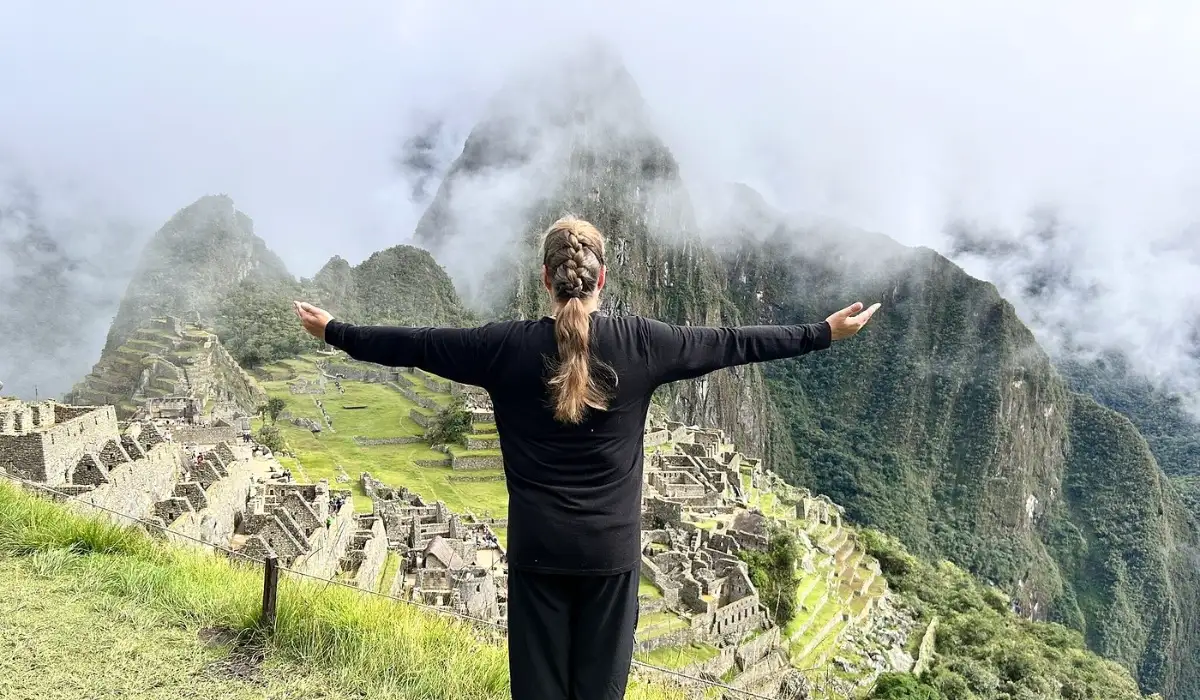
Are you looking for the adventure of a lifetime on your trip to Machu Picchu? If so, you are probably considering the legendary Inca Trail to Machu Picchu. Without a doubt, hiking the paths built by the Incas is an unparalleled experience!
At Trails to Machu Picchu, we know that every adventure requires precise information, especially before booking your next trip. Therefore, we bring you this guide that will provide an expert and transparent perspective to plan your next Andean adventure. Travel safely and avoid mishaps on the way to Machu Picchu.
- What is the Inca Trail?
- Why is the Inca Trail Network to Machu Picchu Legendary?
- Types of Inca Trails to Machu Picchu
- Regulations and Permits on the Inca Trails to Machu Picchu
- Porters: Key People on the Inca Trail to Machu Picchu
- Risks on the Inca Trail to Machu Picchu
- Tips for Hiking the Inca Trail Safely
What is the Inca Trail?
For decades, there has been a popular saying: “all roads lead to Rome.” In the time of the Incas, however, the reality was that all the paths making up the Inca Trail led to Cusco.
History and Extension of the Qhapaq Ñan
First of all, the Inca Trail (Qhapaq Ñan) is the network of roads built during the Inca era with the aim of connecting the territories of the Inca Empire. Today, a portion of this Inca road network remains and spans six different countries: Peru, Ecuador, Bolivia, and parts of countries like Colombia, Chile, and Argentina. Certainly, this complex highway system had secondary branches that reached the coast, highlands, and jungle. Furthermore, the Inca trails were used by armies, chasquis (messengers), mitimaes (resettled groups), and other people of the Inca Empire. Consequently, this road network was also important because:
- It allowed fluid mobility throughout the Andes.
- The infrastructure and organization of the Incas made it function as a highway system, where the Incas improved and adapted infrastructure based on its use.
- It articulated and facilitated mobility from Cusco toward the four suyos (regions): to the north to Chinchaysuyu; to the south to Qollasuyu; to the east to Antisuyo; and to the west to Contisuyu.

Why is the Inca Trail Network to Machu Picchu Legendary?
Imagine reaching Machu Picchu by passing through the legendary Sun Gate (Intipunku); with the Inca Trail, this is possible!
Unique Landscapes and Archaeological Sites
In fact, along the route, the Inca Trail network to Machu Picchu offers unique views of snow-capped peaks, panoramic vistas in places like the Warmiwañusca Pass, and allows you to traverse cloud forests. Different climates, altitudes, and landscapes all in a single journey!
Additionally, with the Inca Trail to Machu Picchu, you can visit unique archaeological sites such as:
- Llactapata: This archaeological site located in the Sacred Valley is renowned for its agricultural terraces.
- Runkurakay: A circular construction that functioned as a watchtower.
- Sayacmarca: An archaeological site that showcases the complex irrigation system possessed by the Incas, demonstrating once again the advancement of their architecture.
- Phuyupatamarca: An archaeological site surrounded by clouds, making it look as if it were floating in the sky.
- Wiñay Wayna: Characterized by its immense agricultural terraces and towers.
- Intipunku: The ancient Sun Gate functioned as an Inca checkpoint before reaching Machu Picchu. It offers an iconic panoramic view of the Inca citadel.

Types of Inca Trails to Machu Picchu
1-Day Inca Trail
- Ideal for people who enjoy more challenging routes.
- This is the most challenging option.
- Private service.
Short 2-Day Inca Trail
- It turns out to be the ideal alternative for travelers who do not have many days available.
- It features a moderate difficulty level.
- Small group service.
Classic 4-Day Inca Trail
- This is the ideal option for travelers who enjoy a complete cultural immersion.
- Its level ranges from moderate to challenging.
- Group service.
Regulations and Permits on the Inca Trails to Machu Picchu
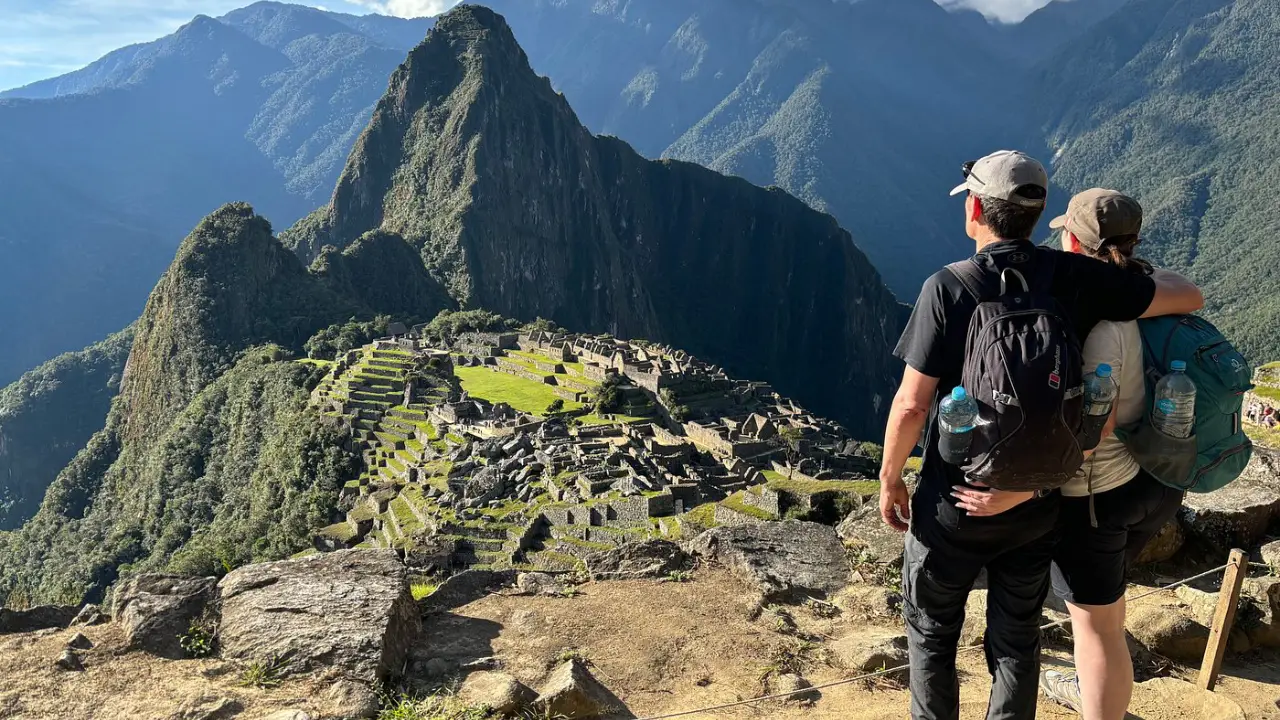
Regarding this, according to the limitations established by the Peruvian government, the Inca Trail network to Machu Picchu allows a maximum entry of 500 people per day. Of these 500 individuals, a maximum of 200 permits are reserved for tourists, and 300 are allocated for agency staff, such as porters, guides, cooks, and support personnel.
Conservation and Logistics of the Road Heritage
This is because, unlike other hiking routes, the Inca Trail is recognized as a cultural heritage site, making its care and preservation necessary. Consequently, by allowing a limited entry of people, a greater preservation of this heritage is guaranteed.
Furthermore:
- On one hand, unlike hiking routes such as the Salkantay Trek to Machu Picchu or the Inca Jungle Trek to Machu Picchu, there are no accommodations, restaurants, or towns to stop at along the Inca Trail.
- Therefore, to hike the Inca Trail, it is necessary to purchase your permit at least 4 months in advance.
- Currently, permits for the 2026 Classic Inca Trail are almost sold out.
- Likewise, during the month of February, the Inca Trail remains closed.
Don’t hesitate any longer—book your Inca Trail with us.
Porters: Key People on the Inca Trail to Machu Picchu
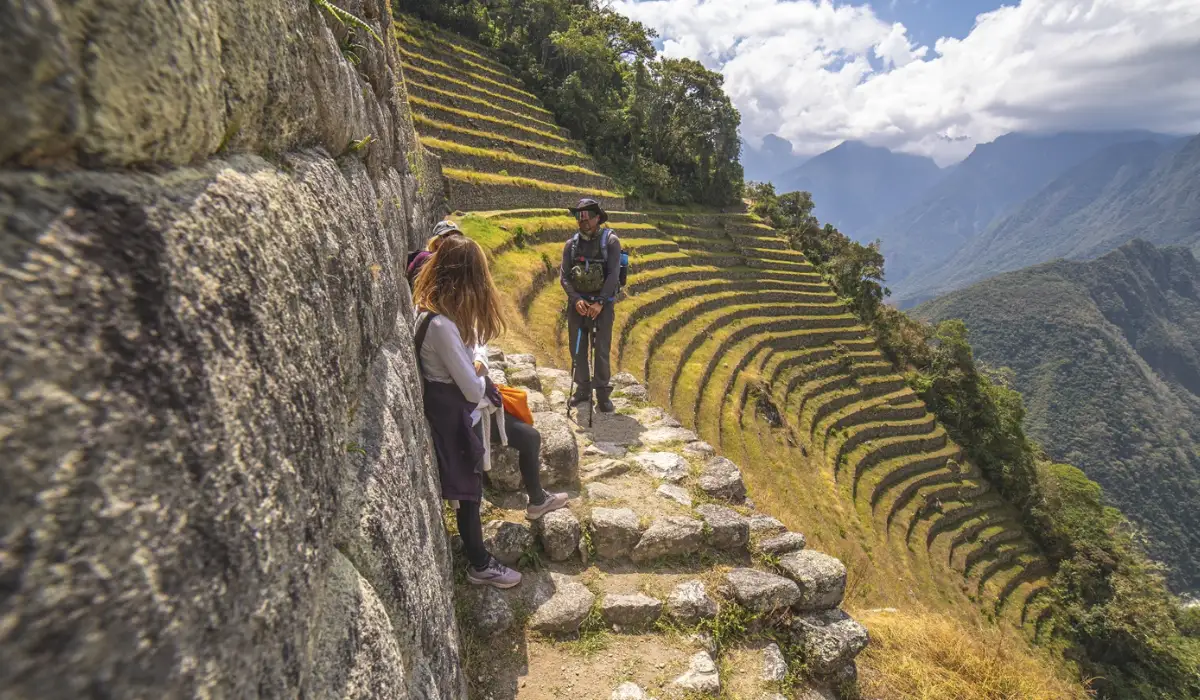
Without a doubt, porters are the indispensable help you need along the Inca Trail to Machu Picchu. These team members are responsible for carrying travelers’ luggage along the Inca road network; most of them are local residents from communities near the Inca Trail, and their first language is Quechua.
The Essential Role of the Support Team
Although they speak little with tourists, their work is crucial because:
- Primarily, they are in charge of carrying kitchen utensils, food, tents, and more—without them, the cook would not be able to prepare meals along the way!
- In the same way, they support each traveler: in addition to carrying the equipment required for logistics, they take care of carrying the travelers’ luggage. This way, you can focus on enjoying the trip!
However, unfortunately, despite the crucial nature of their work, porters often receive wages far below what is required by law; the law also establishes a maximum weight limit of 20 kg. Furthermore, some companies force their porters to carry more weight than legally permitted. Therefore, when booking an Inca Trail tour to Machu Picchu, it is important not to look for the cheapest option but rather the one that guarantees its workers receive appropriate compensation. You can verify this information with your travel advisor before booking and look into their social responsibility policies.
Risks on the Inca Trail to Machu Picchu
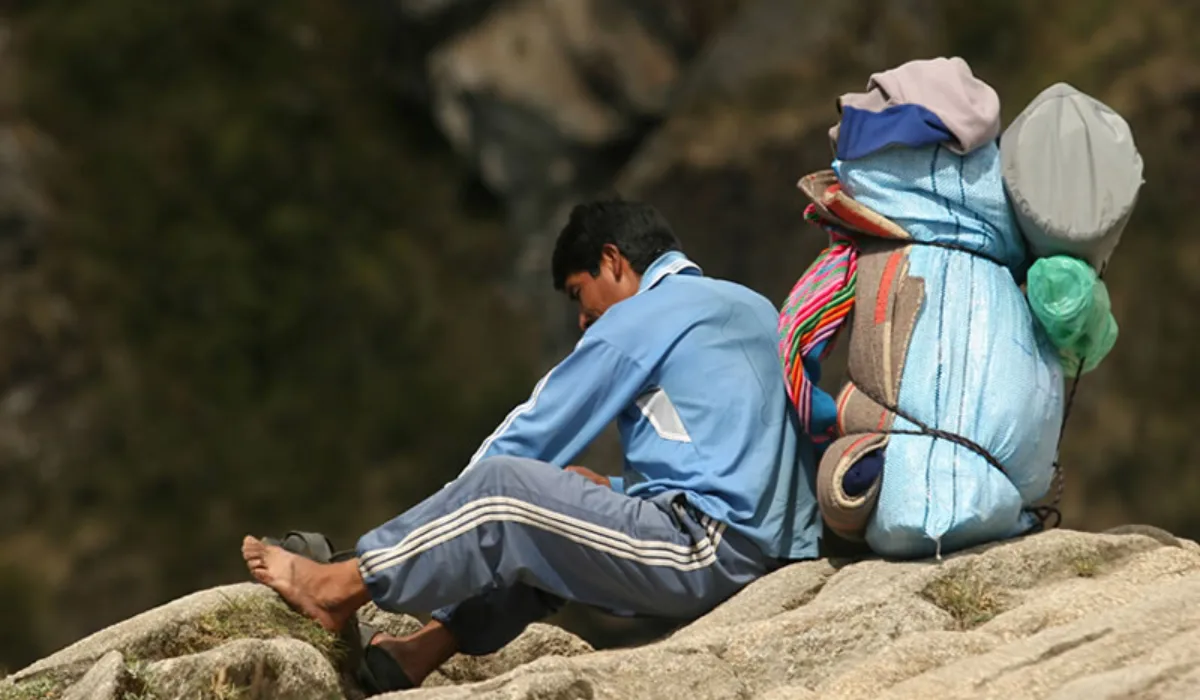
The Inca Trail network to Machu Picchu is traveled daily by dozens of travelers; nevertheless, as with any hiking route, there are risks that you must be careful with.
Physical and Climatic Challenges on the Route
- Altitude sickness (soroche): Routes like the 4-Day Inca Trail reach high-altitude zones such as the Warmiwañusca Pass (Dead Woman’s Pass). This pass reaches an altitude of over 4,000 meters above sea level. The view it offers is breathtaking, as you can admire the Andean mountain range.
- Likewise, exhaustion during the trek: The Inca Trails to Machu Picchu are among the most challenging hiking routes in Latin America. Steep climbs, narrow stone steps, changes in altitude, and more can cause extreme fatigue and dizziness. Therefore, it is important to be accompanied by an expert tour guide.
- Additionally, falls: The Inca Trail network has many sections where falls can be steep. Since this area is only accessible by foot, rescue teams can take days to arrive, making it necessary to walk the trails carefully, avoid leaning on railings, and check if the area is safe before taking a photo.
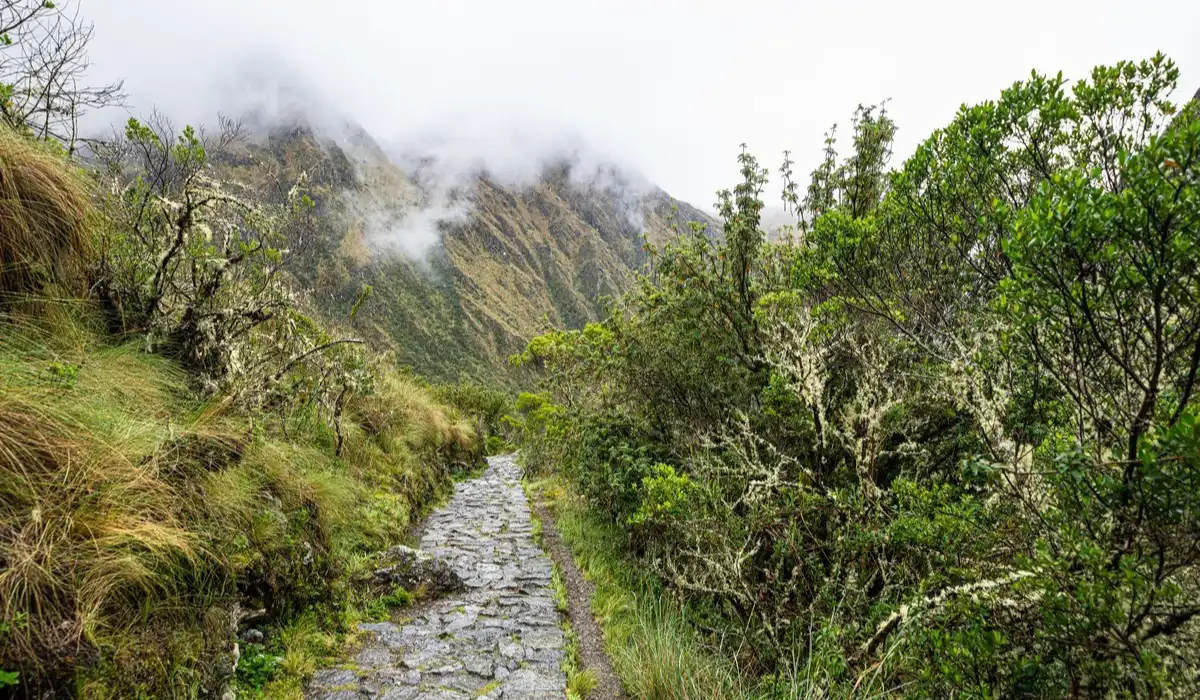
- Lastly, rain: The Inca road network is built with stones, so during the rainy season, the paths become slippery.
Tips for Hiking the Inca Trail Safely
This hiking route is a must if you want to reach Machu Picchu in a legendary way.
Practical Preparation Recommendations
- Therefore, keep proper acclimatization in mind: Before starting this hiking route, it is necessary for your body to adapt to Cusco’s climate, especially the altitude. Spend at least 2 days in Cusco before beginning the trek. Explore the streets of Cusco on a city tour or visit places like the Sacred Valley or the South Valley. This will help your body progressively adapt to Cusco’s altitude so you can travel without complications!
- Layered clothing is also key: Regardless of the season, it is important to dress in layers; this way, you can change clothes along the route depending on the weather while always taking care of your health.
- Don’t forget proper footwear: Without a doubt, it is necessary to use proper hiking shoes or trekking boots on this route (especially if you are doing the longer Inca Trail route). Remember it is crucial to have broken in your hiking shoes beforehand, because if you wear brand new ones, your feet will suffer!
- Likewise, use trekking poles: Using trekking poles with rubber tips is essential to protect your body and preserve the Inca road network. Use them, especially on the downhills; at the end of the day, your knees will thank you.
- Finally, travel with authorized operators: Many travel agencies offer the Inca Trail route; however, few work directly as authorized operators. Secure your spot with a travel agency that holds all the permits required by the Peruvian government. At Trails to Machu Picchu, we possess all the necessary permits to offer the Inca Trail route to Machu Picchu.
Now that you know more about the Inca Trail to Machu Picchu, secure your next adventure here!