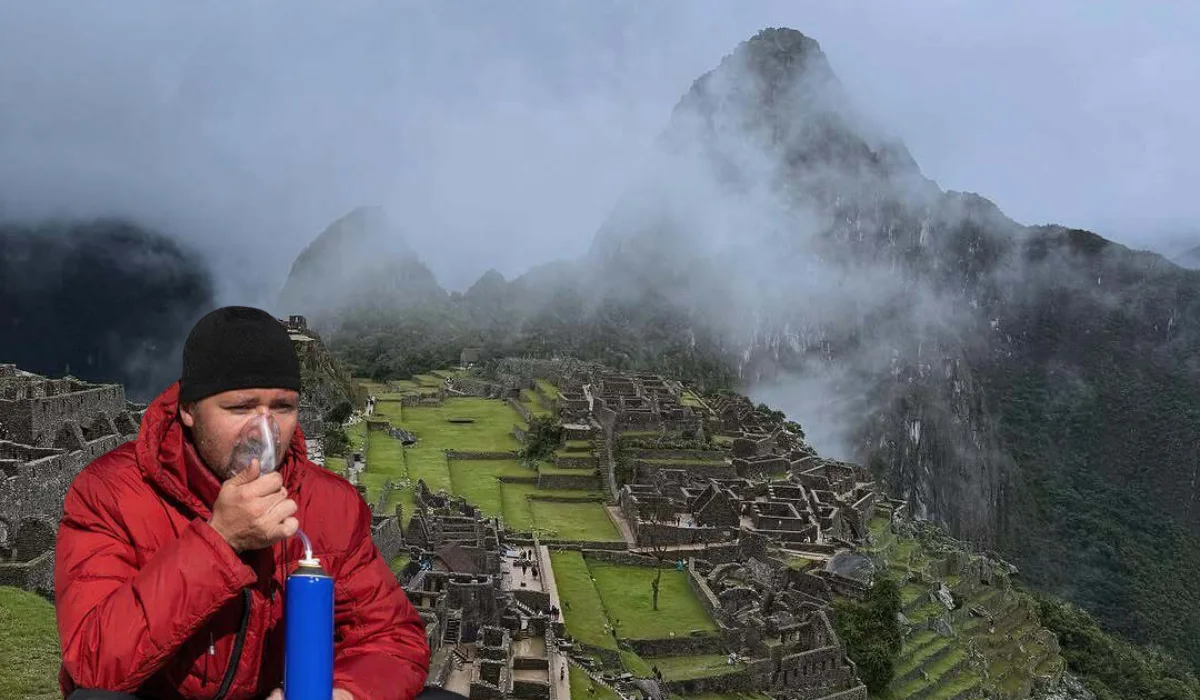
The Imperial region of the Incas is one of the most exciting places in the world to visit. This is especially true if your ultimate goal is to explore the legendary citadel of Machu Picchu. However, when you start watching videos and researching your trip, it is inevitable to wonder: how serious is altitude sickness in Cusco?
For international travelers, altitude sickness can be a crucial factor. This discomfort can dictate your itinerary and even your ability to visit certain archaeological sites. That is why at Trails to Machu Picchu, we teach you how to prevent and manage soroche (altitude sickness) so you can enjoy every single moment of your journey.
What Is Altitude Sickness?
Altitude sickness, locally known as soroche, is your body’s reaction to a lack of adaptation to lower oxygen levels. At high elevations, the air pressure drops, and your body has to work much harder to absorb the necessary oxygen with each breath. Because of this, you might experience headaches, fatigue, or nausea. It is also common to feel short of breath and experience a general sense of malaise.
Many travelers arrive in Cusco expecting the altitude not to affect them at all. However, factors like your hometown’s elevation, the local weather, and the season play a significant role. While this discomfort can impact the first few days of your trip, don’t worry! Altitude sickness is completely preventable, and here is how you can beat it.
How to Avoid Altitude Sickness
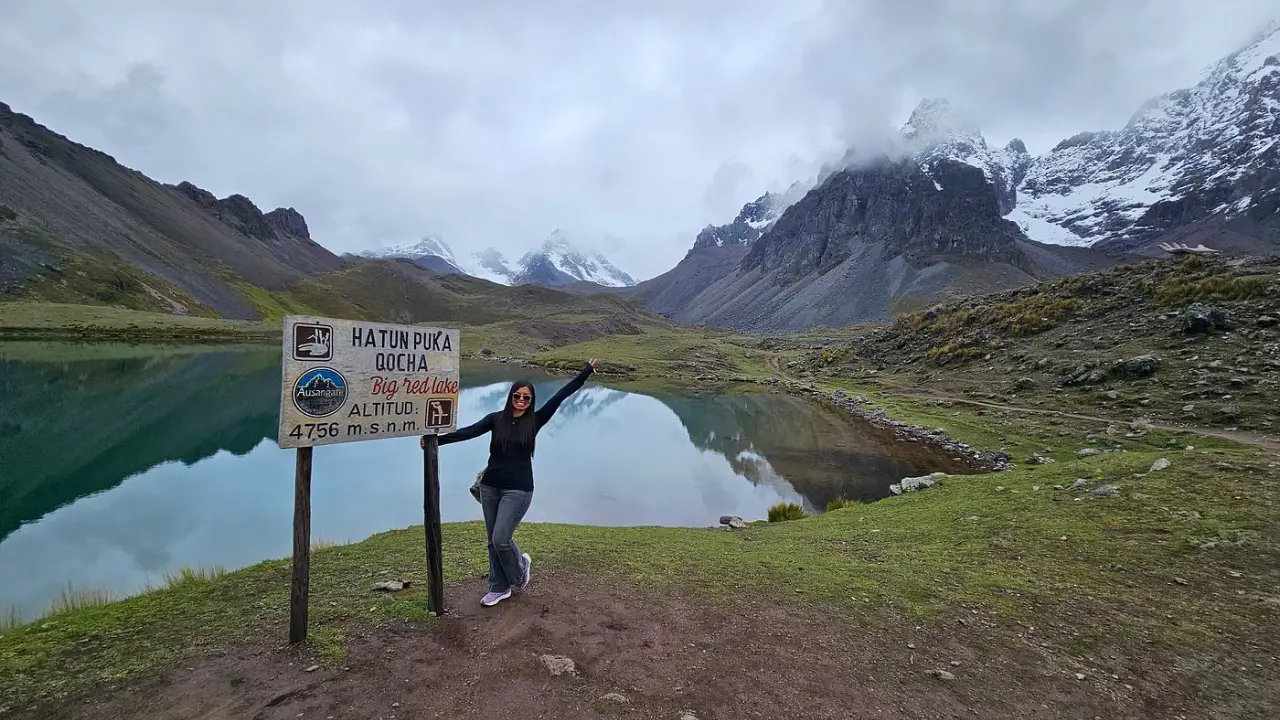
The city of Cusco is located at 3,399 meters above sea level (11,150 feet). Landing at the airport forces your body to adapt suddenly without any prior preparation. Despite this sudden change, there are simple and highly effective ways to minimize the impact.
Here are our top tips on how to avoid altitude sickness:
- Avoid running or playing sports: On your first day in Cusco, avoid any intense physical exertion. Instead, use these hours to relax at your hotel or take a slow, easy walk through the historic center. This is also the perfect time to double-check or book your Machu Picchu tour.
- Take short, unhurried walks: There are several fascinating museums and plazas to visit within the city center. Take short walks at a relaxed pace to allow your body to progressively adjust to Cusco’s elevation.
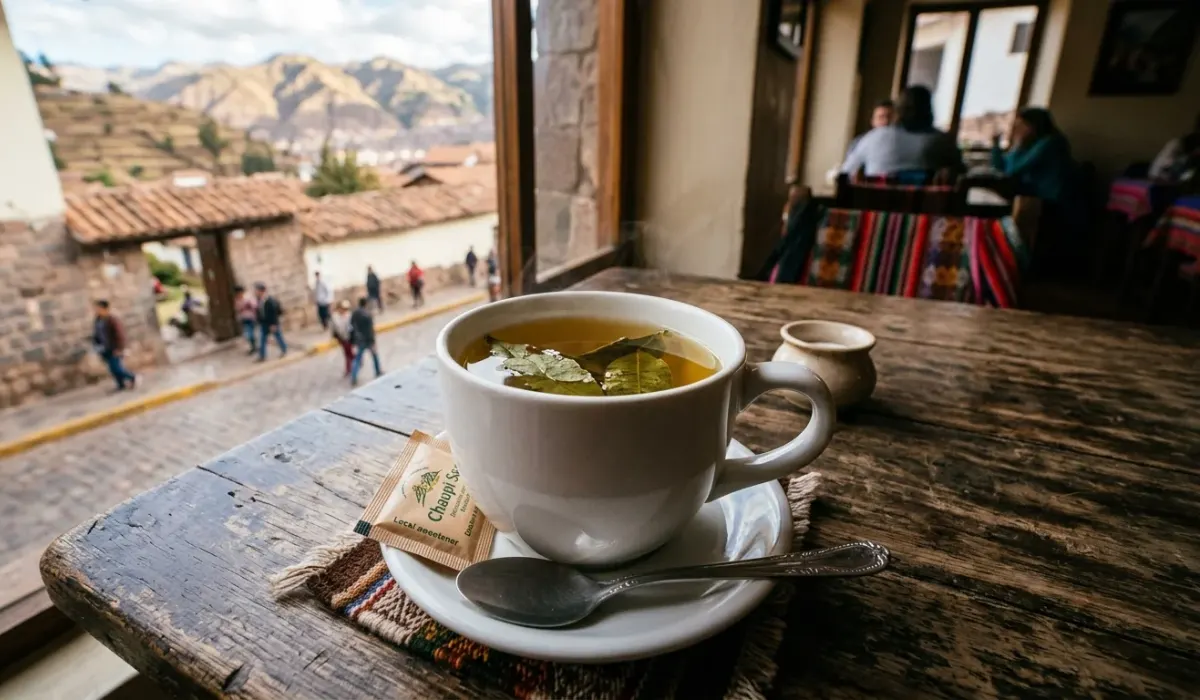
- Drink traditional herbal teas: Consuming local infusions like coca tea (mate de coca) or muña tea (mate de muña) will do wonders for your body. Coca tea acts as a natural cardiovascular dilator, helping your bloodstream absorb oxygen better—this plant was incredibly sacred to the Incas! Meanwhile, muña tea has a wonderful herbal aroma and perfectly soothes digestive issues.
- Avoid heavy meals: We know Cusco’s gastronomy is world-class and deeply tempting. However, while your body is still adjusting to the elevation, your digestion slows down. Avoid greasy foods and do not overload your digestive system on day one.
- Buy portable oxygen: If you feel it is absolutely necessary, you can purchase small, portable cans of pure oxygen (often called Oxishot). They are sold in almost all local hotels, pharmacies, and travel agencies.
- Acclimatize progressively: Acclimatizing does not mean locking yourself in your hotel room and missing out on the fun. With the right itinerary, you can explore Cusco’s cultural side through a light city tour, letting your body adapt naturally while you enjoy the sights.
Without a doubt, altitude sickness is entirely preventable if you follow the right steps.
The Key Strategy: Design an Itinerary to Beat the Altitude
The ultimate way to prevent soroche in Cusco is by designing a smart, progressive itinerary. At Trails to Machu Picchu, we have guided dozens of travelers on their Andean adventures, so we know the ideal route to steer clear of altitude discomfort.
Here is our recommended plan to maximize your time and protect your health:
City Tour – Day 1
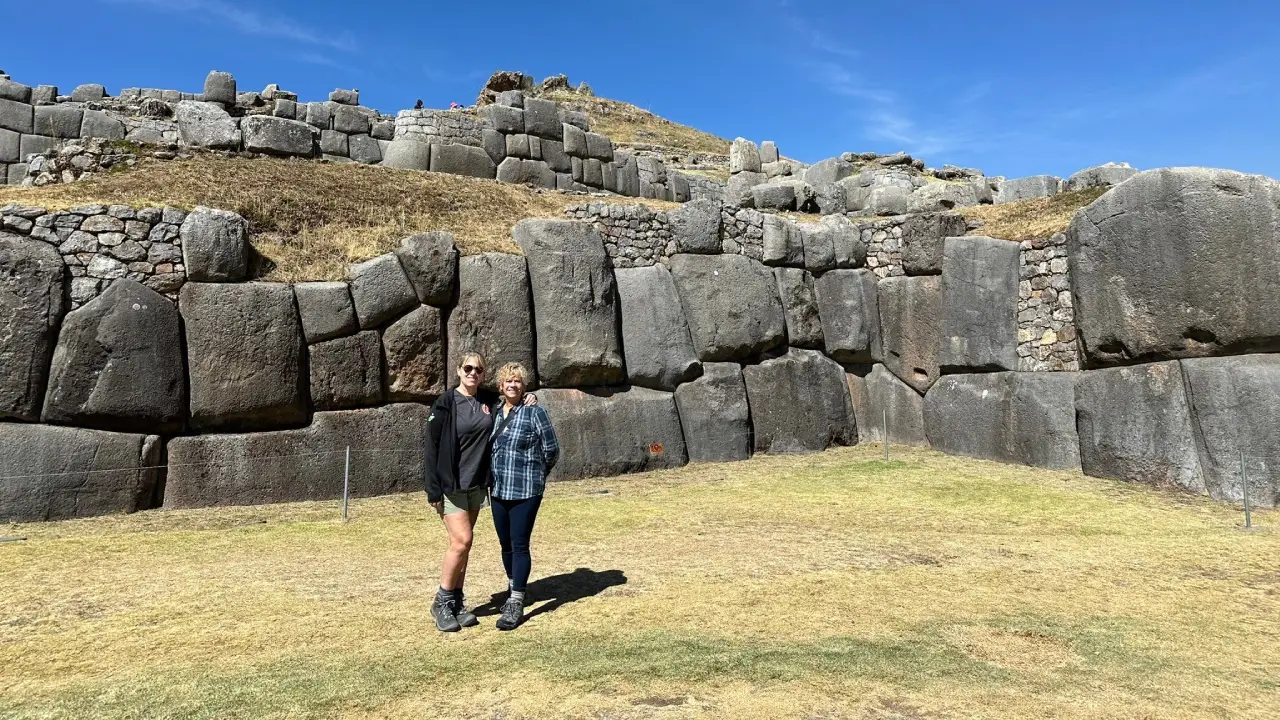
Discover the wonders of the Inca Empire with an urban tour of the city. This is a half-day tour, meaning you can complete it at a very relaxed pace in either the morning or the afternoon. On this route, you will visit Qorikancha, Sacsayhuamán, Q’enqo, Tambomachay, and Puca Pucara.
Sacred Valley or South Valley – Day 2:
- Sacred Valley: Walk the traditional trails of the Incas and visit lower-elevation, beautiful towns like Pisac, Ollantaytambo, Chinchero, and Urubamba.
- South Valley: A fantastic, less crowded option that features stunning historical sites like Tipón, Pikillaqta, and the beautiful church of Andahuaylillas.
Machu Picchu – Day 3
The breathtaking Inca citadel awaits you! Interestingly, Machu Picchu sits at a lower altitude than Cusco (around 2,430 meters), making it a very comfortable day for breathing.
Humantay Lake – Day 4
One of the most beautiful turquoise jewels of the Salkantay region. The hike to Humantay is physically demanding, but by this fourth day, your body will be fully acclimatized.
Pallay Punchu – Day 5
Considered one of the most spectacular sharp-peaked colorful mountains in the world, with Vinicunca, Pallay Punchu awaits you for a short but challenging high-altitude hike.
Our itinerary is designed exclusively for travelers looking to experience the absolute best of Cusco in just a few days. This ensures every visitor enjoys culture, adventure, and gastronomy without health complications. If you are currently comparing the best travel agencies in Cusco for your excursions, feel free to reach out to us.
Tips for a Hassle-Free Cusco Experience
By following our advice, altitude sickness in Cusco won’t be a real obstacle. To round things out, here are our final guidelines to ensure you enjoy every single step of your trip:
- Stay constantly hydrated: Cusco’s high-altitude climate is incredibly dry. Drink water continuously throughout the day; your body will thank you for it.
- Prioritize light eating: Digestion in the Peruvian highlands is significantly slower. Skipping heavy meats and sugary drinks on your first day keeps your energy up and avoids stomach issues.
- Dress in layers: The weather in Cusco and the surrounding mountains can change in a heartbeat—going from scorching sun to freezing winds in minutes. Wear layers so you are always prepared.
- Get plenty of quality rest: Prioritize a good night’s sleep and take it easy during your first few hours in town. There is nothing better for conserving your energy and stabilizing your heart rate.
Traveling to Cusco is a true once-in-a-lifetime experience. The ultimate key to avoiding altitude sickness lies entirely in your preparation. Follow our detailed guide, protect your health, and experience a hassle-free trip to the land of the Incas!
Contact Trails to Machu Picchu today, and let’s customize your ideal itinerary together.