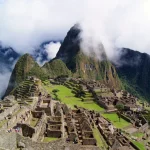
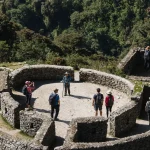
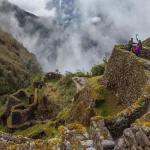
When speaking of different trails to Machu Picchu, one must consider not only the iconic Inca Trail but also a series of alternative routes, each with its own attractions, challenges, and landscapes. In this context, several treks in the Andes connect to Machu Picchu, either through sections of the original path or completely different routes. Below are detailed descriptions of the most relevant options, with updated and useful information for tourists interested in hiking in the Peruvian Andes.
- Classic Trail: Inca Trail Hike
- Highlighted Alternative Routes to Machu Picchu
- Comparison Between Routes and Criteria for Choosing
- Weather on the Routes to Machu Picchu
- Trekking Experiences in Cusco and Tips for Trekkers in Machu Picchu
- Comparison of Main Routes
- Integration of Routes and Combinations
- Final Recommendations and Conclusions
- Frequently Asked Questions
- Our tours related to hiking to Machu Picchu
Classic Trail: Inca Trail Hike
The Inca Trail or Inca Trail hike follows the ancient Qhapaq Ñan, the original Inca road that ascends from Cusco to Machu Picchu. It is usually completed in 4 days and 3 nights, covering approximately 26 miles (42 km) with the highest point at Warmiwañusqa Pass (around 13,780 feet / 4,200 meters above sea level) before descending into the cloud forest and arriving at the Sun Gate (Inti Punku). This trail offers intermediate Inca ruins, original stone staircases, and the excitement of entering the archaeological complex through the traditional entrance.
This trail has restrictions: by official regulation, only a limited number of people can start each day (including guides, porters, and tourists). Therefore, permits sell out months in advance, especially during the dry season (May to September). In general, it is recommended to book at least 6 months before the intended date.
Within the scope of different trails to Machu Picchu, the Inca Trail hike remains the most famous, but not the only one. In addition to the classic version, there is also a short hike to Machu Picchu (2 days / 1 night) that covers a section of the original path, allowing hikers to enter through Inti Punku without completing the entire itinerary. This option is more accessible for those with limited time or who prefer a lighter challenge.
Combined Option: Salkantay Route + Inca Trail Hike
A hybrid alternative within the different trails to Machu Picchu is combining the Salkantay route to Machu Picchu with sections of the Inca Trail. In these combined itineraries, hikers start with the Salkantay route, traverse high mountains, pass through jungle landscapes, and then connect with the final part of the Inca Trail (usually the second day of the original trek). This option allows hikers to enjoy both the ecological diversity of Salkantay and the historical aspect of the Inca Trail. It is ideal for those who want a complete experience without depending solely on the Inca Trail.
Highlighted Alternative Routes to Machu Picchu
Due to the high demand of the Inca Trail, operators and local communities have developed multiple alternative routes to diversify the offer. Below are the most recognized among the different trails to Machu Picchu.
Salkantay Route to Machu Picchu
The Salkantay route to Machu Picchu is currently one of the most popular alternative options. Its highest point is between 15,090 and 15,255 feet (4,600–4,650 meters) (Salkantay Pass), from where hikers descend toward the high jungle and eventually connect with the railway to Aguas Calientes or walk along the tracks to the base town of Machu Picchu. This route does not require a limited permit like the Inca Trail, though it still requires organized logistics in advance.
Highlights of this route include imposing views of the Salkantay glacier, walks through cloud forests, Amazonian biodiversity, and the chance to visit Inca sites such as Llactapata before arriving at Machu Picchu. It also offers a quieter experience with fewer crowds and allows a direct connection with guided tours to Machu Picchu at the end of the trek.
Lares Trek (Lares Trail Tour)
The Lares route, also called Lares Trail tour, is another important alternative within the different trails to Machu Picchu. This trek crosses rural settlements in the central Andes, high mountain passes, and traditional Andean valleys. Unlike the Inca Trail, the Lares route has no limited permits and allows greater flexibility for last-minute bookings.
This trek is notable for its cultural focus: hikers pass through communities where traditional weaving techniques and high-mountain lifestyles persist. Along the way, trekkers cross passes over 14,100–14,760 feet (4,300–4,500 meters) and eventually descend to Ollantaytambo or Hidroelectrica to reach Aguas Calientes and finally Machu Picchu. In many programs, Lares can be combined with a short hike to Machu Picchu or even with a section of the Inca Trail, enriching the experience of the different trails to Machu Picchu.
Huchuy Qosqo Alternative Route
Another interesting option in the catalog of different trails to Machu Picchu is the Huchuy Qosqo alternative route. This trail begins near the Sacred Valley (for example from Lamay) and leads to the archaeological site of Huchuy Qosqo, a smaller Inca outpost. From there, the route descends through valleys until connecting with paths or tracks toward Aguas Calientes and Machu Picchu.
The Huchuy Qosqo trek is less demanding in terms of altitude, making it a good choice for those seeking less-known routes to Machu Picchu with lower physical pressure. Although it does not cross emblematic parts of the Inca Trail, it offers peaceful landscapes, views of the valley, and a different perspective of the Andean environment.
Other Lesser-Known Routes to Machu Picchu
Within the spectrum of different trails to Machu Picchu, there are several less-traveled routes that may interest ambitious trekkers or explorers:
- Choquequirao to Machu Picchu: this long trek starts at the Choquequirao archaeological site (a lesser-known sister city), crosses mountain trails, remote valleys, and mountain ranges until reaching Machu Picchu by train tracks or paths. Some itineraries cross the Apurímac River, include additional Inca ruins, and last up to 9 or more days.
- Ancascocha / Inca Quarry Route: this variant focuses on ancient Inca paths linked to quarries used to build monuments, connecting to the final section of the Inca Trail to Machu Picchu. It allows for a more archaeological and less crowded experience.
- Inca Jungle Route: combines biking, trekking, and rafting before reaching Machu Picchu, with hiking stages and river activities. It is not a traditional full mountain trail but is part of the alternative mixed offer.
- Ausangate with Machu Picchu Extension: although originally the Ausangate trek does not lead directly to Machu Picchu, some itineraries end with a transfer or final hike to Aguas Calientes. It is highly demanding due to the altitudes involved (over 16,400 feet / 5,000 meters in some passes).
These options enrich the catalog of different trails to Machu Picchu, each with its own value, ideal for those seeking unique trekking experiences in Cusco.
Comparison Between Routes and Criteria for Choosing
When analyzing different trails to Machu Picchu, it is useful to compare them based on several criteria: duration, difficulty level, maximum altitude, tourist flow, permit requirements, and biodiversity.
Duration and Physical Demand
- The standard Inca Trail usually takes 4 days (3 nights), with demanding ascents and descents at high altitude.
- The short hike to Machu Picchu can be done in 2 days (1 night), with less intensity but without the full Inca Trail.
- The Salkantay route usually takes 5 days / 4 nights, although there are 4- or 6-day versions.
- The Lares route can take 3 to 5 days, depending on the variant.
- Long treks such as Choquequirao to Machu Picchu can take 7 to 10 days or more.
Maximum Altitude
- The highest point of the Inca Trail is about 13,780–14,100 feet (4,200–4,300 m) at Warmiwañusqa Pass.
- On the Salkantay route, the highest pass reaches 15,090–15,255 feet (4,600–4,650 m).
- The Lares route also crosses passes of about 14,100–14,760 feet (4,300–4,500 m), depending on the variant.
- The Huchuy Qosqo route usually has moderate altitudes, between 12,470–14,760 feet (3,800–4,500 m), with fewer extreme peaks.
- Treks like Ausangate extensions can surpass 16,400 feet (5,000 m).
Tourist Flow and Permits
The Inca Trail has regulated quotas and requires official permits months in advance, which limits availability. Alternative routes generally do not have these restrictions, offering greater booking flexibility. They also usually have fewer tourists, allowing for a more intimate and peaceful experience.
Cultural Access and Biodiversity
- The Inca Trail offers direct connection with multiple Inca ruins along the way.
- The Lares route stands out for cultural immersion, passing through rural communities that preserve ancestral practices.
- The Salkantay route crosses diverse ecosystems from high tundra to cloud forest, with remarkable biodiversity.
- The Huchuy Qosqo route and other lesser-known trails allow for quieter valleys, varied vegetation, and original paths with fewer crowds.
Logistics and Final Transport
- On many alternative routes, the final section to Machu Picchu is completed by train from Ollantaytambo or Hidroelectrica, or by walking along the railway.
- Some combined itineraries allow entry to the archaeological site through the Inca Trail or traditional access (e.g., Inti Punku) on the last day.
- Lesser-known routes may require additional transport between towns, base camps, or remote starting points.
Physical Preparation and Acclimatization
Any trek among the different trails to Machu Picchu requires good physical preparation and proper acclimatization. It is recommended to spend at least 2–3 days in Cusco before starting to adapt to the altitude. It is also useful to include prior moderate hikes, cardio exercises, and stair training to strengthen legs and lungs.
And it is essential to stay hydrated, sleep well, progress gradually, and use trekking poles, proper footwear, and light gear.
Weather on the Routes to Machu Picchu
Weather plays a decisive role in planning any of the different trails to Machu Picchu. The dry season, from May to September, is the most recommended for trekking: less rain, clear skies, and better visibility. In contrast, between December and February, heavy rains can close routes or create risks such as landslides.
During transitional months (March, April, October, November), trails remain open but flexibility is required due to occasional rains. In higher zones, even in the dry season, mornings and nights can be cold, with significant climate variations. Therefore, hikers must bring warm clothing, layers, and rain protection.
Weather also affects terrain conditions: muddy paths, snowy passes, or swollen rivers on remote alternative routes must be considered when choosing among the best trekking routes in Cusco.
Trekking Experiences in Cusco and Tips for Trekkers in Machu Picchu
Within the variety of different trails to Machu Picchu, many trekking experiences in Cusco offer the chance to explore changing landscapes, Andean communities, and remote natural zones. Some useful tips for those planning these treks:
- Book in advance on routes that require permits or quotas, such as the Inca Trail.
- Ensure the chosen operator is responsible, with licensed guides and safety and conservation standards.
- Pack light: a 30L backpack, sleeping bag, warm clothing, rain gear, trekking shoes, and poles.
- Train with hikes beforehand to build resistance to altitudes between 9,800–13,100 feet (3,000–4,000 m).
- Start hikes mid-morning to take advantage of sunlight and avoid afternoon rains.
- Hydrate frequently, eat energy-rich foods, and pace yourself in the first days.
- Use sunscreen, UV-protection sunglasses, and insect repellent, as sun exposure is strong at altitude.
- Allow extra days for acclimatization or weather contingencies.
- Respect the environment by packing out trash, avoiding noise, and following conservation rules.
- Check the local weather forecast and adjust itineraries if necessary.
With these precautions, the experience on any of the different trails to Machu Picchu can be safe, enriching, and memorable.
Comparison of Main Routes
| Route | Typical Days | Max Altitude | Key Features | Permit / Restriction |
|---|---|---|---|---|
| Inca Trail (4 days) | 4 | ~13,780 ft (4,200 m) | Inca ruins, entry via Inti Punku | Regulated quota, prior permit |
| Short hike (2 days) | 2 | ~8,860–9,840 ft (2,700–3,000 m) | Partial Inca Trail access | Easier permit availability |
| Salkantay route | 4–5 | ~15,090–15,255 ft (4,600–4,650 m) | High mountains, biodiversity | No limited permit |
| Lares route | 3–5 | ~14,100–14,760 ft (4,300–4,500 m) | Cultural immersion, communities | No Inca Trail permit required |
| Huchuy Qosqo route | 2–4 | ~12,470–14,760 ft (3,800–4,500 m) | Lesser-known, quiet atmosphere | Free, no strict regulations |
| Choquequirao → Machu Picchu | 7–10 | ~13,780–14,760 ft (4,200–4,500 m) | Long and remote trek | No quota restriction |
This table helps travelers choose according to available time, fitness level, and altitude tolerance.
Integration of Routes and Combinations
Within the concept of different trails to Machu Picchu, one innovative approach is combining sections of different routes to maximize their benefits. Some examples:
- Lares + short Inca Trail: start with Lares to experience Andean villages, then connect with the final Inca Trail section on the third day.
- Salkantay + Inca Trail finale: hike Salkantay for several days, then enter the traditional Inca Trail path to arrive at Inti Punku.
- Huchuy Qosqo with extension: after visiting Huchuy Qosqo, descend to Hidroelectrica or Ollantaytambo, then continue to Machu Picchu.
- Extended Choquequirao route: combine Choquequirao with alternative trails to Machu Picchu for 8–12 day treks or longer.
These approaches expand the possibilities of the different trails to Machu Picchu, adapting to fitness levels, time availability, and personal preferences.
Final Recommendations and Conclusions
When planning a journey through the different trails to Machu Picchu, it is essential to define your goals: whether you prioritize history, culture, nature, or solitude. The Inca Trail remains the most emblematic, but the Salkantay route, the Lares Trail tour, the Huchuy Qosqo route, and other lesser-known treks offer valuable alternatives.
For best results:
- Assess time, fitness level, and acclimatization needs;
- Book well in advance for regulated routes;
- Choose reliable local operators;
- Prepare gear carefully;
- Keep realistic expectations about altitude and weather conditions.
This way, every traveler can choose among those different trails to Machu Picchu the one that best fits their rhythm and goals, ensuring an authentic and rewarding experience in the heart of the Peruvian Andes.
Frequently Asked Questions
1. Is it possible to change routes during the trek if weather conditions become adverse?
In most cases, it is not possible to change routes once the trek has started, since each trail has specific permits and logistics already organized. However, if the weather becomes very unfavorable, guides may adjust the pace, campsites, or daily itineraries for safety reasons. In extreme cases, the trek may be rescheduled or redirected to safer alternative access points closer to Machu Picchu.
2. Do alternative routes guarantee arrival at Machu Picchu on the same day as the visit?
Alternative routes such as Salkantay or Lares usually reach the town of Aguas Calientes a day before the Machu Picchu visit. This allows trekkers to rest and then enter the archaeological site the next morning. Only shorter treks like the Short Inca Trail guarantee direct entry to Machu Picchu on the same day. Therefore, arrival depends on the type of route chosen.
3. Can trekkers hike independently without a guide on alternative routes to Machu Picchu?
Some trails like Salkantay or Lares can technically be hiked without a guide, but it is strongly recommended to join tours with professional guides. They provide safety, logistical support, and cultural context during the trek. In contrast, the Inca Trail requires a licensed guide by regulation, so independent trekking is not allowed on that route.
4. What is the best season to do lesser-known routes to Machu Picchu with minimal risk?
The most suitable period is during the dry season from May to September, when the probability of rain, landslides, or muddy trails is lower. This season offers clear skies and stable weather, which makes trekking more comfortable and safe. The rainy season from November to March increases the risks on less-maintained routes such as Huchuy Qosqo.
5. How does altitude affect routes like Salkantay or Lares compared to the Inca Trail?
Routes such as Salkantay and Lares reach altitudes above 4,500 meters, which means the risk of altitude sickness is higher compared to the Inca Trail, whose highest point is around 4,200 meters. Trekkers on these higher routes should take extra time for acclimatization, stay hydrated, and avoid overexertion to reduce risks. The impact of altitude is a key factor when choosing between these routes.
For more information, please contact us, about that difficult is the Inca Trail.
Our tours related to hiking to Machu Picchu
- Machu Picchu Day Trip from Cusco: Explore the Ancient Wonder
- Machu Picchu Inca Trail Tours – 4 Day Inca Trail
- 5 Day Salkantay Trek to Machu Picchu – Salkantay Trek Peru
- Lares Trek to Machu Picchu – Lares Peru