Peru’s Machu Picchu is a beacon for adventure seekers worldwide. Its infamous Huayna Picchu Stairs of Death, a steep and narrow path carved into the mountain, offers a thrilling challenge.
This hike is not just about the physical feat. It’s a trip to the center of the Inca civilization. It shows their skill in building and their bond with nature.
In this guide, we’ll delve into the history, significance, and allure of the Huayna Picchu Stairs of Death. We’ll also provide practical tips for those daring to undertake this unforgettable hike.
This guide is for hikers, history lovers, and travelers looking for new experiences. It will help you learn what you need.
Join us as we explore the Huayna Picchu Stairs of Death, a symbol of adventure and a gateway to the past.
Understanding Huayna Picchu and the Stairs of Death
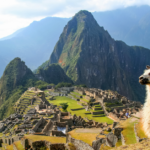
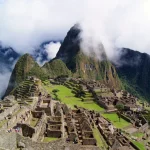
Huayna Picchu, or “Young Peak” in Quechua, towers over the iconic Machu Picchu. This mountain, located in Peru’s Cusco Region, is home to the Stairs of Death.
These stairs, carved directly into the mountain, are a testament to the Inca’s engineering skills. They form a steep and narrow path, winding their way up the mountain.
The total number of steps is around 1,600. Some sections have a near-vertical drop, adding to the thrill of the hike.
The Machu Picchu Death Stairs are a key part of the Huayna Picchu hike, a journey that offers breathtaking views and a deep connection with history.
The Historical Significance of Huayna Picchu
Huayna Picchu and its stairs hold great historical significance. They are a part of the larger network of Inca trails and structures throughout the Andes.
The stairs offer a unique perspective on Inca architecture. They showcase how the Incas integrated their structures with nature, building in harmony with the landscape.
The Huayna Picchu hike is not just a physical challenge. It’s a journey into the past, a chance to walk in the footsteps of the Incas.
The Challenge of the Stairs of Death
The Stairs of Death are known for their steepness and narrowness. This makes the Huayna Picchu hike a moderate to challenging endeavor, depending on your fitness level and hiking experience.
The hike takes approximately 2-3 hours round trip. The altitude of Huayna Picchu, 2,720 meters above sea level, can add to the challenge.
Despite the physical demands, the hike is a rewarding experience. It offers unparalleled views and a sense of accomplishment.

Preparing for the Huayna Picchu Hike
Before embarking on the Huayna Picchu hike, it’s crucial to prepare adequately. This includes understanding the best time to visit, what to bring, and how to navigate the stairs safely.
Altitude sickness can be a concern due to the mountain’s height. It’s recommended to acclimatize in Cusco or the Sacred Valley before attempting the hike.
Only 400 visitors are allowed to climb Huayna Picchu daily. Tickets must be purchased in advance, often several months before your visit.
Best Time to Visit and Weather Considerations
The best time to hike Huayna Picchu is during the dry season, from May to October. During this period, the stairs are less likely to be slippery, making the hike safer.
Morning climbs offer a chance to see the mist lifting off Machu Picchu. Afternoon climbs, on the other hand, often provide clearer views.
Regardless of the time of year, hikers should be aware of weather conditions. Fog and rain can obscure views and make the hike more dangerous.

What to Bring on Your Hike
When hiking Huayna Picchu, it’s essential to pack wisely. Your gear should include:
- Appropriate footwear with good grip and support
- Water and snacks
- Sunscreen and a hat
Remember, the use of walking sticks is prohibited on Huayna Picchu. This rule helps prevent damage to the ancient Machu Picchu steps.
Lastly, always carry all trash out with you. This practice helps maintain the cleanliness of the site.
Navigating the Huayna Picchu Death Stairs
The Huayna Picchu hike is a journey of discovery. As you ascend the stairs, you’ll pass through tunnels and terraces, adding to the adventure.
The stairs can become congested, especially during peak times. Patience and courtesy to others on the path are essential.
The stairs are carved directly into the mountain. This showcases the engineering prowess of the Inca civilization.
The total number of steps is around 1,600. Some sections have a near-vertical drop, adding to the challenge.

Safety Tips and Trail Etiquette
Safety is paramount when hiking the Huayna Picchu steps. The stairs can be slippery, especially after rain, and caution is advised.
There are sections with handrails and cables for additional support. Use these aids to ensure a safe climb.
Remember, the hike is not recommendable for those with a fear of heights or vertigo. Always prioritize your safety and well-being.
The Reward: Views and Vistas from Huayna Picchu
Reaching the summit of Huayna Picchu is a moment of triumph. The panoramic views of Machu Picchu and the surrounding Andean landscape are breathtaking.
The view includes the Urubamba River winding through the Sacred Valley. The sight is a testament to the Inca’s mastery of landscape and their ability to build in harmony with nature.
The Panoramic Splendor at the Summit
The summit offers a unique perspective on Inca architecture. From here, Machu Picchu often appears to float in the clouds below.
The sense of isolation and tranquility contrasts with the busier main areas of Machu Picchu. It’s a place where history, culture, and adventure intersect, offering a unique travel experience.
The journey to the summit is a physical representation of the journey to self-discovery that many travelers seek. It’s a reminder of the human capacity for creation and the importance of preserving our cultural heritage.
Embracing the Journey
Conquering the Huayna Picchu Stairs of Death Peru is more than just a physical challenge. It’s a journey into the past, a testament to the brilliance of the Inca civilization, and a unique opportunity to connect with nature.
Remember, the journey is as important as the destination. Embrace the challenge, respect the environment, and enjoy the unforgettable experience that is the Huayna Picchu hike.