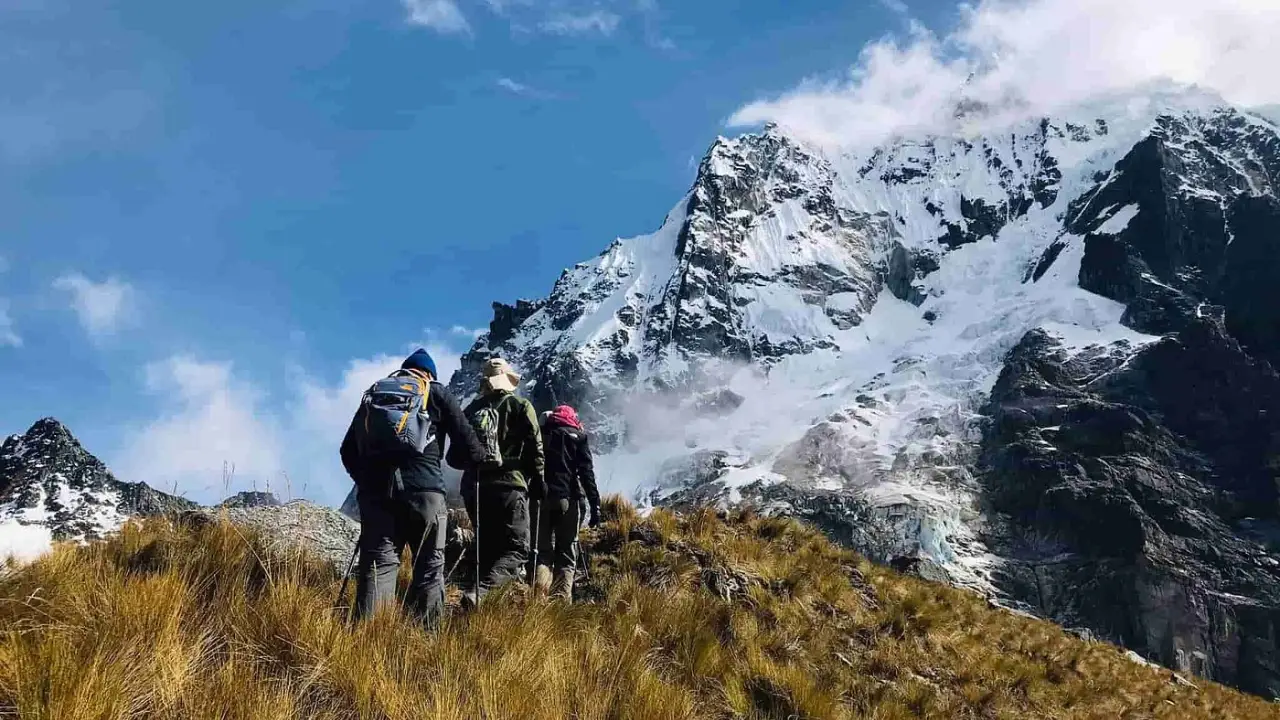
Doing trekking around the snow-capped mountains of Cusco has become a top activity for travelers. These adventurers love nature, mountains, and challenging routes. The Cusco region has some of Peru’s most stunning Andean landscapes. Additionally, many trails let you explore high-Andean lagoons, rural communities, and paths surrounded by snowy peaks. Interest in trekking in Cusco has grown due to its diverse circuits. They suit different experience levels. Some routes last only one day. Others are part of extended, multi-day journeys. Therefore, many visitors include mountain hikes in their travel plans. The famous snow-capped mountains of Cusco offer ideal settings. Here, you can combine physical activity, natural beauty, and Andean culture. Likewise, the growth of adventure tourism in Cusco has created specialized services for both local and international travelers.
- Trekking Circuits Around Cusco’s Snow-Capped Mountains and Their Tourist Importance
- Most Visited Snow-Capped Mountains of Cusco for Trekking and Hiking
- Trekking to Ausangate Mountain and High-Altitude Hikes in Peru
- Trekking Routes in Cusco and Multi-Day Circuits
- Snowy Landscapes of Cusco and Mountain Lagoons
- Trekking Tours in Cusco and Trip Organization
- Mountains for Trekking in Cusco and Important Recommendations
- Frequently Asked Questions About Trekking Around Cusco’s Snow-Capped Mountains
Trekking Circuits Around Cusco’s Snow-Capped Mountains and Their Tourist Importance
The growth of trekking around the snow-capped mountains of Cusco has greatly boosted mountain tourism in the Andes. Today, many agencies offer organized routes. These go to areas near snowy peaks, lagoons, and high passes. Furthermore, there are trails for both beginner hikers and experienced trekkers.
The Cusco region has ideal geography for mountain hiking. The paths cross high-Andean valleys, ravines, and areas near glaciers. Because of this, many tourists consider trekking routes in Cusco outstanding for their scenic variety and natural richness. Likewise, the presence of rural communities lets you learn cultural aspects of traditional Andean life.
Another important aspect is the region’s climatic diversity. Some routes go through cold, high-altitude zones. Others descend into areas with denser vegetation. Therefore, the landscape changes constantly throughout each hike. Many visitors feel this variety makes trekking around the snow-capped mountains of Cusco very different from other mountain destinations in South America.
Moreover, several circuits connect with historic routes. Ancient Andean populations once used these paths. Some trails are even part of old roads linked to the Inca road system. Because of this, these hikes combine nature, archaeology, and culture into one tourist experience.

Most Visited Snow-Capped Mountains of Cusco for Trekking and Hiking
The region has numerous mountains ideal for mountain activities. However, certain snowy peaks stand out. They are popular among travelers interested in hiking in Cusco Peru and high-altitude walks.
Many trekking around the snow-capped mountains of Cusco circuits are organized around peaks known for their scenic beauty and accessibility. Additionally, some routes let you see glacial lagoons and vast high-mountain landscapes for most of the trail.
The most visited snow-capped mountains include:
- Ausangate
- Salkantay
- Verónica
- Humantay
- Chicón
- Sawasiray
- Pitusiray
- Lares
- Wakrapukara in nearby mountainous areas
- Qampa within the Vilcanota range
Many travelers interested in trekking around the snow-capped mountains of Cusco choose routes linked to Ausangate mountain. This is due to its scenic and cultural importance. This peak sits in the Vilcanota range and exceeds 6,000 meters in altitude. Furthermore, several hikes go around areas near glaciers and stunning high-Andean lagoons.
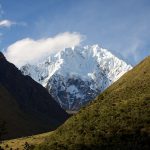
On the other hand, Salkantay mountain is part of one of Peru’s most famous trekking circuits. The route combines snowy landscapes, inter-Andean valleys, and transition zones toward tropical areas. Because of this, many tourists feel it offers a very complete mountain tourism experience.

Trekking to Ausangate Mountain and High-Altitude Hikes in Peru
The famous trekking to Ausangate mountain represents one of the most demanding and recognized routes among high-altitude hikes in Peru. This circuit goes through areas located above 4,500 meters above sea level. It also crosses landscapes dominated by glaciers, lagoons, and massive mountain formations.
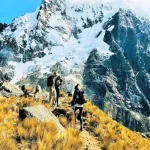
Many travelers believe that trekking around the snow-capped mountains of Cusco reaches its most impressive levels on the Ausangate route. The trail lets you see snow-covered mountains for several consecutive days. Likewise, there are small Andean villages. Here, traditional activities like herding and livestock farming are still practiced.
The hike typically takes four to six days. This depends on your chosen itinerary. During this time, hikers cross high mountain passes and areas with very cold temperatures. Therefore, prior acclimatization in Cusco is essential before starting the trek.
Furthermore, many agencies combine this route with visits to the famous rainbow mountain known as Vinicunca. Because of this, the circuit attracts both travelers interested in natural landscapes and tourists seeking high-mountain photo experiences.
The circuit’s highlights include:
- Turquoise lagoons of glacial origin
- Wide views of the Vilcanota mountain range
- Presence of Andean alpacas and llamas
- Mountain passes above 5,000 meters
- Traditional rural communities
- Hot springs near the trail
Trekking Routes in Cusco and Multi-Day Circuits
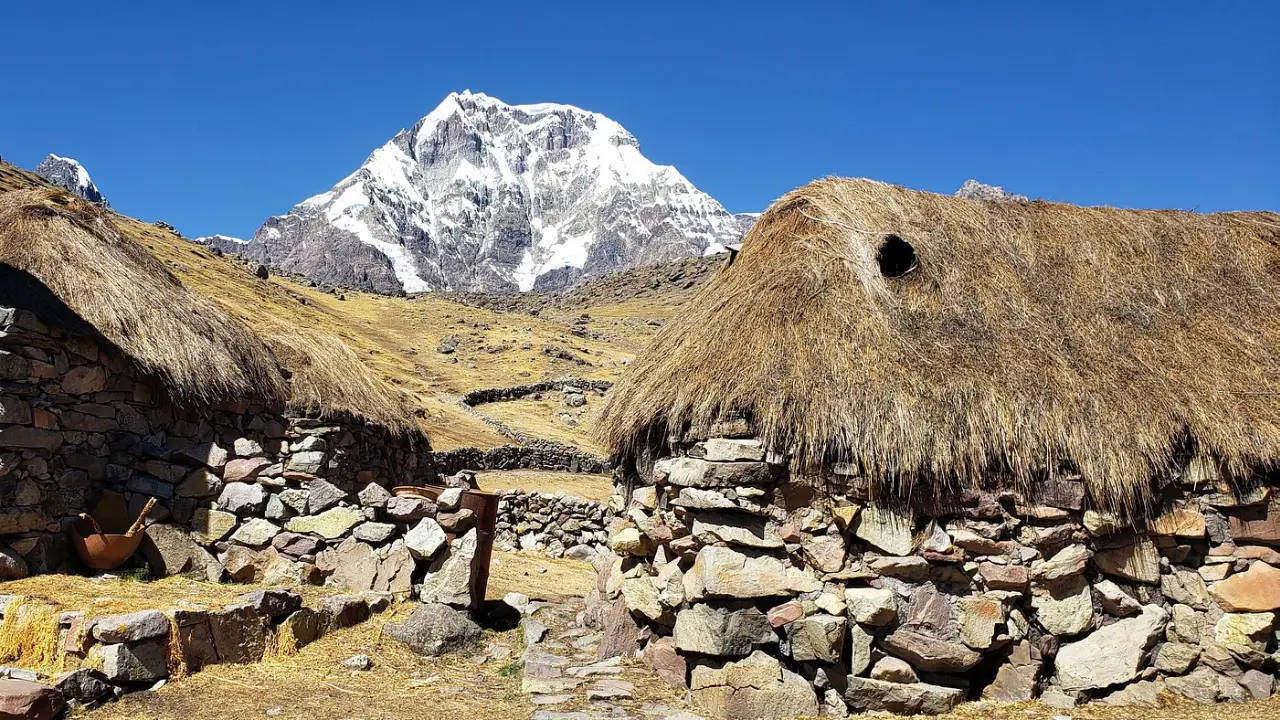
The main trekking routes in Cusco include options of different lengths and physical levels. Some hikes can be done in just one day. However, many visitors prefer so-called multi-day trekking circuits. This is due to the chance to explore remote sections of the Andes.
The growth of trekking around the snow-capped mountains of Cusco has allowed the development of specialized tourist services for long routes. Today, there are organized programs. They include meals, campsites, and guidance from professional guides. Additionally, some circuits have support from wranglers and pack animals.
The most well-known multi-day routes include:
Ausangate Circuit
It is considered one of Peru’s most important mountain treks. Furthermore, it goes through areas near glaciers and high-altitude lagoons.
Salkantay Route
It connects snowy landscapes with subtropical vegetation zones. Likewise, many travelers use this route as an alternative to the traditional Inca Trail.
Lares Circuit
It combines mountain trails with visits to rural Andean communities. Because of this, many tourists interested in local culture choose this trek.
Trekking in the Vilcabamba Range
It includes less visited areas and routes away from mass tourism. Additionally, it lets you observe very diverse mountain landscapes.
Many visitors find trekking around the snow-capped mountains of Cusco more attractive when it includes multi-day treks. This lets you see landscape changes and enjoy the Andean experience better.
Snowy Landscapes of Cusco and Mountain Lagoons
The famous snowy landscapes of Cusco are a main attraction for high-altitude hiking in the region. The combination of glaciers, lagoons, and mountains creates scenes highly valued by photographers and nature lovers. Furthermore, many routes go through areas where relatively untouched high-Andean ecosystems remain.
Doing trekking around the snow-capped mountains of Cusco lets you access areas far from main roads. Because of this, many travelers can see natural landscapes hard to observe on traditional tours. Likewise, many hikes allow you to see high-Andean wildlife. This includes vicuñas, alpacas, and birds native to the mountains.
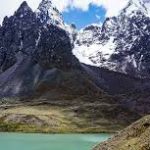
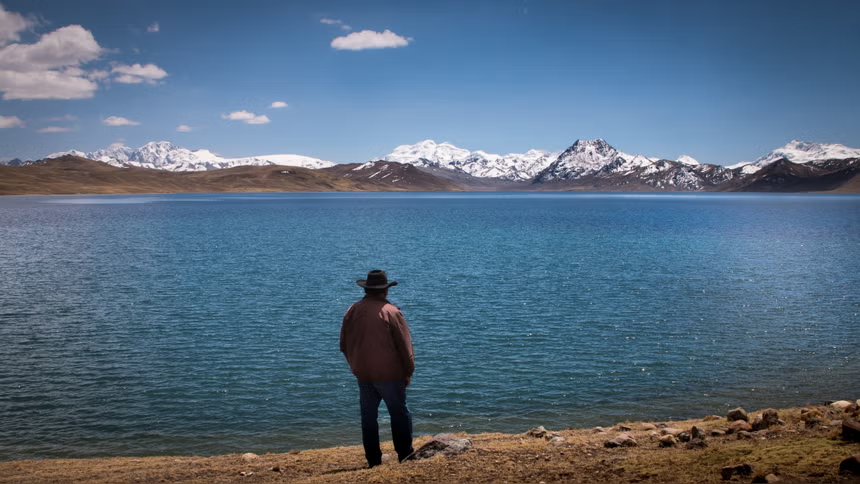
The well-known mountain lagoons in Cusco are an important part of several trekking circuits. Some have turquoise colors due to their glacial water origins. Furthermore, many are located near snow-covered peaks for most of the year.
The most famous lagoons on trekking routes include:
- Laguna Humantay
- Laguna Sibinacocha
- Laguna Ausangatecocha
- Laguna Qomercocha
- Laguna Pomacanchi
- Laguna Singrenacocha
Many tourists consider these lagoons some of the most impressive landscapes for hiking in Cusco Peru. Moreover, the tranquility of the high-Andean areas lets you fully enjoy the natural surroundings.
Trekking Tours in Cusco and Trip Organization
The growth of adventure tourism in Cusco has created a wide range of specialized services for mountain hiking. Today, many operators organize complete programs for travelers interested in trekking around the snow-capped mountains of Cusco.
The so-called trekking tours in Cusco usually include transport, meals, camping gear, and guide support. Additionally, some services offer support horses to carry luggage during multi-day treks.
Many tourists prefer to book organized excursions due to the geographic conditions of Andean trails. Some hikes go through remote areas where no permanent tourist services exist. Therefore, proper logistics are important to ensure safety and comfort during the trip.
Before choosing a route, consider the following aspects:
- Required physical level
- Total trek duration
- Maximum altitude reached
- Weather season
- Previous trekking experience
- Availability of proper gear
- Acclimatization time in Cusco
Many travelers interested in trekking around the snow-capped mountains of Cusco spend several prior days in the city before starting their hikes. This helps reduce altitude-related discomfort and improves physical performance on the trail.
Mountains for Trekking in Cusco and Important Recommendations
The region has numerous mountains for trekking in Cusco suited to different types of travelers. Some routes have moderate difficulty levels. Others require experience with high-altitude hiking. Because of this, physical preparation is an important aspect before starting any trek.
Many trekking around the snow-capped mountains of Cusco circuits go through areas located above 4,000 meters in altitude. Furthermore, some routes exceed 5,000 meters at high mountain passes. Therefore, acclimatization is essential to avoid complications related to altitude sickness.
The most important recommendations include:
- Stay constantly hydrated
- Wear proper thermal clothing
- Bring sun protection
- Walk at a moderate pace
- Eat light foods during the hike
- Rest adequately before the trek
- Bring a rain jacket during the rainy season
Additionally, it is advisable to travel during the dry season. This is especially true between May and September. During these months, weather conditions are usually more stable for hiking in the Andean mountain range. However, some routes continue operating during other seasons depending on weather conditions.
Many visitors believe trekking around the snow-capped mountains of Cusco offers one of the best mountain experiences in South America. The combination of nature, Andean culture, and snowy landscapes makes these routes a highly valued activity for both domestic and international tourists.
Frequently Asked Questions About Trekking Around Cusco’s Snow-Capped Mountains
1. Is previous experience necessary to do trekking in the snow-capped mountains of Cusco?
Not all routes require advanced experience. There are moderate hikes for beginners and demanding circuits for experienced trekkers. However, it is important to choose treks suited to each person’s physical condition.
2. How many days of acclimatization are recommended before trekking in Cusco?
Many experts recommend staying two to three days in Cusco city before starting high-altitude hikes. This helps your body gradually adapt to the Andean altitude.
3. Which season is best for trekking in the snow-capped mountains of Cusco?
The dry season usually offers better weather conditions for mountain hikes. Generally, the months between May and September have less rain and more stable trails.
4. Are there trekking routes near Cusco for single-day trips?
Yes. Some short routes let you visit lagoons and mountainous areas near Cusco without needing to camp. These alternatives are ideal for travelers with limited time.
5. What type of clothing is recommended for high-altitude hikes in Cusco?
You should wear thermal clothing, a waterproof jacket, trekking boots, and accessories to protect against cold and sun. Also, temperatures can vary greatly during a single trek.
Check out our travel packages in Peru and let us organize the perfect adventure for you. Get a quote for your trip to Cusco today!