The best time to visit Manu is closely related to the weather conditions and the type of experience travelers seek. The Manu National Park, located in southeastern Peru, is one of the most biodiverse areas on the planet and attracts those who want to explore the Peruvian Amazon up close. Planning a proper visit depends on the climate, accessibility, tour availability, and permitted activities during each time of year. Therefore, it’s essential to consider key recommendations to make the most of the trip. Throughout the year, the park goes through seasons marked by heavy rainfall and a dry season that makes travel and wildlife observation easier. Knowing the best time to visit Manu is vital when choosing the ideal tour length, deciding between types of excursions, and preparing everything needed for the trip.
- Climate characteristics in Manu National Park
- Advantages of traveling to Manu in the dry season
- Manu’s flora and fauna by season
- Recommendations for traveling to Manu
- Itinerary for traveling to Manu National Park
- Activities that form part of tourism in Manu National Park
- How to get to Manu from Cusco?
- Best months to visit Manu
- Tips for visiting the Peruvian Amazon
- What to see in Manu National Park?
- Frequently asked questions about the best time to visit Manu
- Our tours related to hiking to Machu Picchu
Climate characteristics in Manu National Park
The climate in Manu National Park is humid tropical, with variations in temperature and rainfall depending on altitude. This ecosystem has three main zones: the high Andean puna, the montane forest, and the lowland rainforest. The weather patterns vary among these areas, but the general pattern includes two main seasons: dry and rainy.
Dry season in Manu
Between May and October, the dry season dominates the region. Rainfall significantly decreases, and roads and rivers become more accessible. This season allows for easier trail hikes, boat rides, and jungle exploration. Many guides consider this period the best time to visit Manu, as the chances of weather disruptions are reduced.
Rainy season in Manu
From November to April, the rainy season affects much of the jungle. Frequent rainfall causes rivers to rise, land access to become difficult, and the risk of landslides to increase. Some roads may temporarily close. However, this season also brings benefits such as greener landscapes and heightened animal reproductive activity. Still, for most tourists, it does not represent the best time to visit Manu.
Advantages of traveling to Manu in the dry season
The dry season is favored by tour operators due to the favorable travel conditions. It’s also when most tours to Manu from Cusco take place, especially during June, July, and August.
During this period, trails are in better condition, boat navigation is safer, and jungle hikes are more comfortable. Visibility improves, which facilitates the observation of birds, mammals, and reptiles. Therefore, for those looking for a Manu tour in Peru with educational or photography purposes, these months are the most efficient.
Traveling to Manu in the dry season also means a lower chance of cancellations due to weather. It also allows for better camping conditions and access to parts of the park that are closed during the rainy season.
Manu’s flora and fauna by season
The flora and fauna of Manu change behavior throughout the year. Although biodiversity remains high at all times, some moments offer better observation opportunities.
During the dry season, many animals gather near rivers and lagoons for water, making them easier to spot. Migratory birds and endemic species are also more active and visible. Vegetation remains balanced, allowing easier exploration.
In the rainy season, vegetation grows rapidly, making visibility more difficult. However, this period aligns with the reproductive cycles of amphibians, insects, and birds. Some species like macaws and monkeys appear more frequently in specific areas of the park. Still, for most travelers, this is not the best time for a guided tour to Manu Peru.
Recommendations for traveling to Manu
Before planning any trip, it’s important to follow recommendations for traveling to Manu. The park covers remote areas without phone signal or internet access. Some parts of the journey involve river travel and rural roads.
It is recommended to hire a certified tour operator offering tours to Manu from Cusco. This ensures safety and compliance with environmental regulations. It’s also important to bring appropriate clothing for humid weather, waterproof shoes, sun protection, insect repellent, and personal documents.
During the best time to visit Manu, tourist groups can be larger, so early reservations are advisable. It’s also useful to follow the local guide’s instructions to avoid disturbing the ecosystem or animals. Getting vaccines like yellow fever is an additional precaution.
Itinerary for traveling to Manu National Park
The itinerary for traveling to Manu National Park can vary from three to eight days, depending on the depth of the tour. Most tours start from Cusco and progressively enter the jungle.
Ideal duration of a tour to Manu
The ideal duration of a tour to Manu depends on the traveler’s interests. For a full experience, at least five days are recommended. This allows time in the cloud forest, lowland jungle, and river navigation along the Madre de Dios River. During that time, travelers can visit areas like Paucartambo, Pilcopata, the buffer zone, and the Manu Biosphere Reserve.
Shorter tours, lasting three or four days, usually focus on the upper part and don’t always reach the heart of the park. So, for those seeking an in-depth experience, longer tours are best, and choosing the best time to visit Manu ensures each day can be fully enjoyed.
Activities that form part of tourism in Manu National Park
Tourism in Manu National Park offers a wide range of activities. Each one is designed to connect visitors with nature without causing harm.
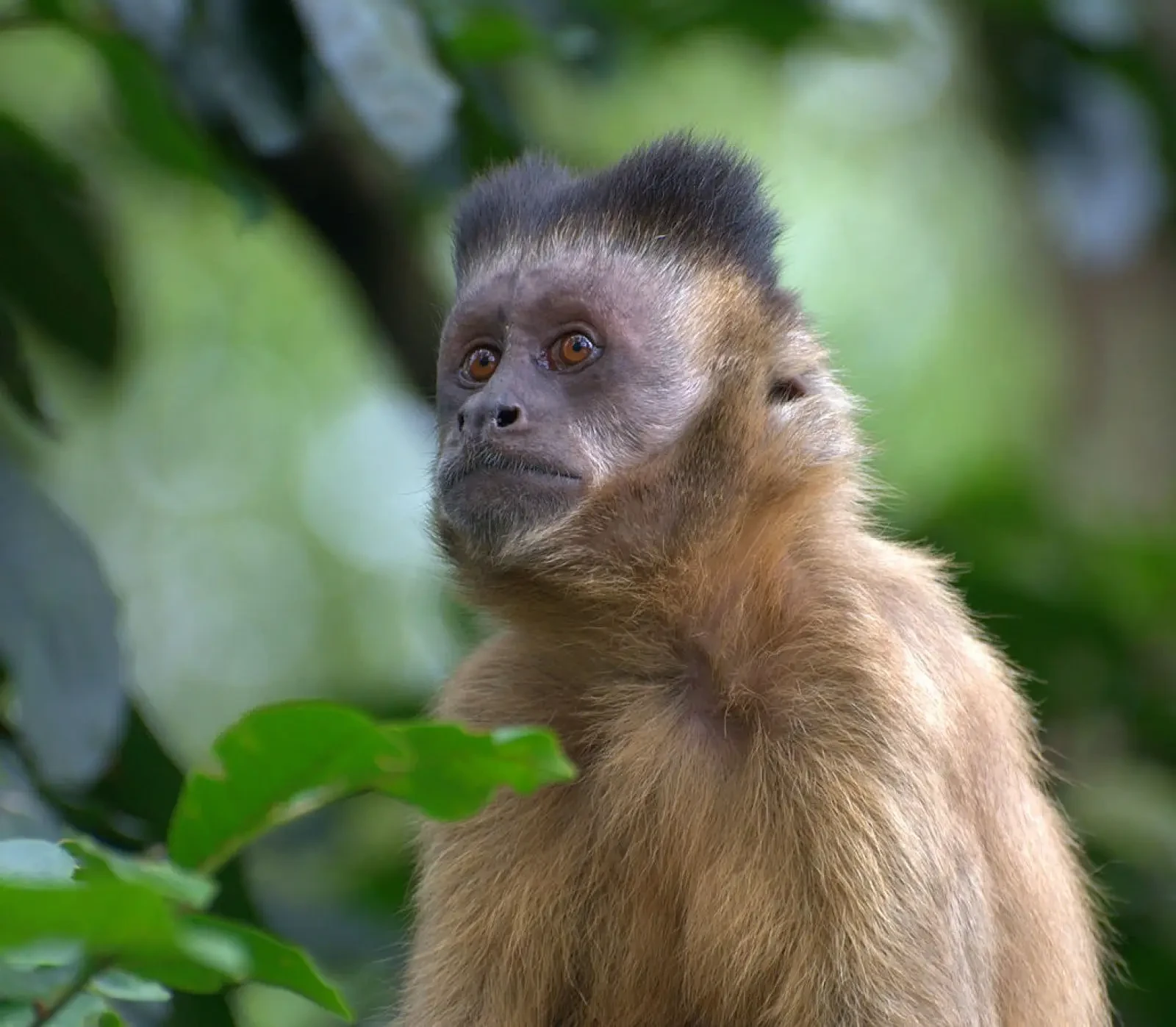
Main experiences include hiking on interpretive trails, river navigation, birdwatching, visiting macaw clay licks, and overnight stays in eco-lodges. It’s also common to spot monkeys, caimans, and other mammals.
Guided tours to Manu Peru include certified local guides who share information about the ecosystem. Moreover, during the best time to visit Manu, many activities can be completed without disruptions, ensuring a smoother experience.
How to get to Manu from Cusco?
One key aspect of planning the trip is knowing how to get to Manu. Most tours depart from Cusco and combine land and river transportation.
The land journey takes about 8 to 10 hours to reach Pilcopata. From there, travelers continue by boat on the Madre de Dios or Alto Madre de Dios River. Final access depends on the type of tour and the specific zone visited within the park.
During the best time to visit Manu, road conditions are better, making it easier to follow schedules. Still, travelers should note that the distances are long and comfort is basic.
Best months to visit Manu
The best months to visit Manu fall within the dry season. From May to October, the weather is more predictable, which facilitates excursions. Within this period, July and August are the most popular due to international vacations, but they also attract the most visitors.
May and September offer a good balance between favorable weather and fewer tourists. Choosing the best time to visit Manu guarantees optimal conditions for exploring each area of the park and enjoying its biodiversity without complications.
Tips for visiting the Peruvian Amazon
Before starting the journey, it’s helpful to follow some tips for visiting the Peruvian Amazon. The Amazon environment differs from other regions in Peru and requires proper preparation.
Bring quick-dry clothing, a hat, sunglasses, and a rain poncho. It’s also recommended to carry a flashlight, water purification tablets, a personal first-aid kit, and a camera with extra batteries.
During the best time to visit Manu, daytime heat can be intense, but nights are cooler. Therefore, wearing long-sleeve lightweight clothing can help protect against sun and insects.
What to see in Manu National Park?
Inside the park, there are multiple points of interest. What to see in Manu National Park depends on the area explored and the type of tour chosen.
Top attractions include the macaw clay licks, palm tree forests, crystal-clear rivers, and observation platforms. Travelers can also visit lagoons inhabited by giant river otters, interpretation centers, and zones where Quechua and Amazonian indigenous communities live.
During the best time to visit Manu, conditions are ideal for exploring these areas without interruptions and with greater safety. This enhances the overall experience and allows true immersion in the biodiversity of the Peruvian jungle.
Frequently asked questions about the best time to visit Manu
- Is a special permit required to enter Manu National Park?
Yes, authorization is needed and must be arranged through a tour agency approved by SERNANP. - Can I visit Manu independently without a tour?
No, access to the reserved zone is only allowed with certified guides and authorized operators. - What are common risks during a trip to Manu?
Risks include insect bites, sudden weather changes, dehydration, and slippery trails. - Is there internet or phone signal in Manu?
No, most of the route lacks coverage. It’s recommended to inform relatives before departing. - Can I visit Manu with children?
Yes, but it’s suggested they be at least 7 years old and comfortable with long walks and basic natural conditions.For more information, please contact us.Our tours related to hiking to Machu Picchu