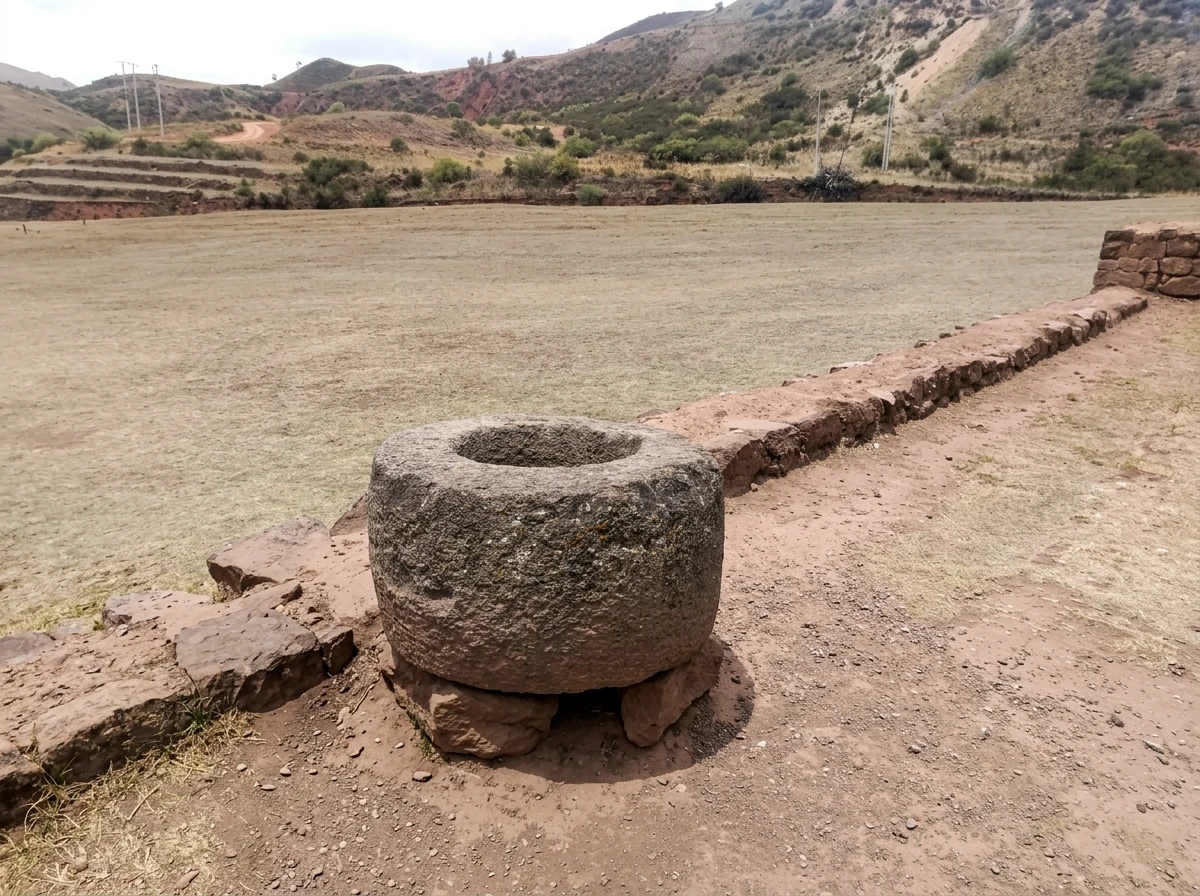
Pikillacta was not a city abandoned in a hurry following a battle or a natural disaster. On the contrary, The mysterious discovery of Pikillacta reveals that its inhabitants left peacefully and in a highly orderly manner. We at Trails to Machu Picchu want to explain how current archaeology has confirmed this planned withdrawal. You will notice that every wall and every enclosure tells a story of a ritual farewell that will surprise you.
- What does the mysterious discovery of Pikillacta reveal?
- Offerings of the Wari elite in the subsoil
- Evidence of the mysterious discovery of Pikillacta: the sealing
- Why did the Wari abandon Pikillacta?
- Recommendations for your visit to the mysterious discovery of Pikillacta
- Frequently asked questions about The mysterious discovery of Pikillacta
- Get to know the living history of Cusco with us
What does the mysterious discovery of Pikillacta reveal?
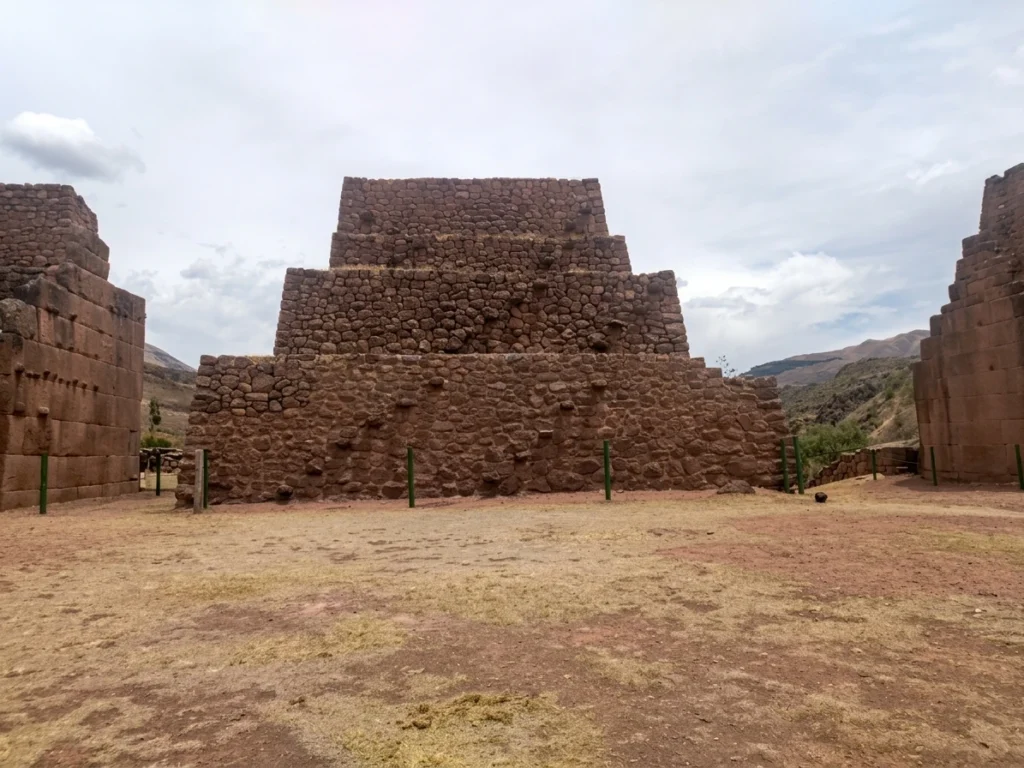
Researchers have discovered that this city was meticulously cleaned before being left completely uninhabited. That is why dwellings without human remains are one of the clearest pieces of evidence for this voluntary withdrawal. Unlike other archaeological sites, here you will not see traces of violence or skeletons in defensive positions.
The mysterious discovery of Pikillacta in its empty dwellings
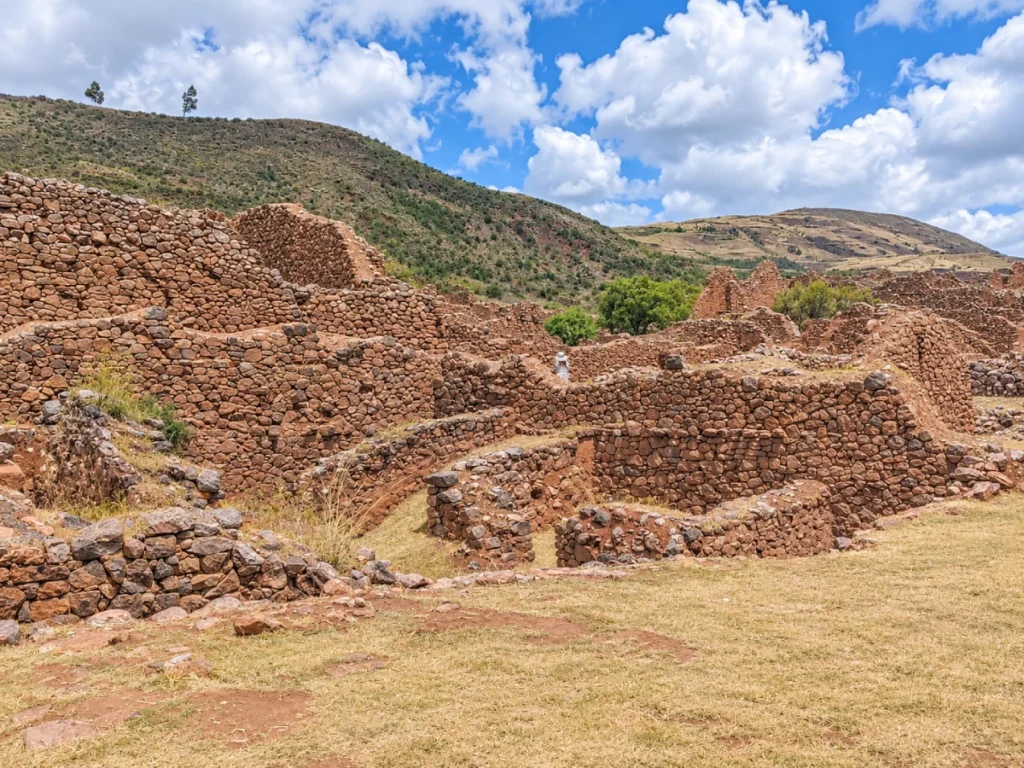
As you walk through the corridors of this ancient city, you will notice that the enclosures are unusually clear. No objects of daily use, such as pots or domestic tools, were left lying on the floors of the rooms. This suggests that the families had enough time to collect all their valuable and useful belongings.
Additionally, recent excavations in Pikillacta show that the floors were swept with dedication. This cleaning was not accidental, but part of a preparation to leave the site. We often say that Pikillacta looks like a house that has been carefully locked up by its owners.
Evidence of a massive and orderly withdrawal
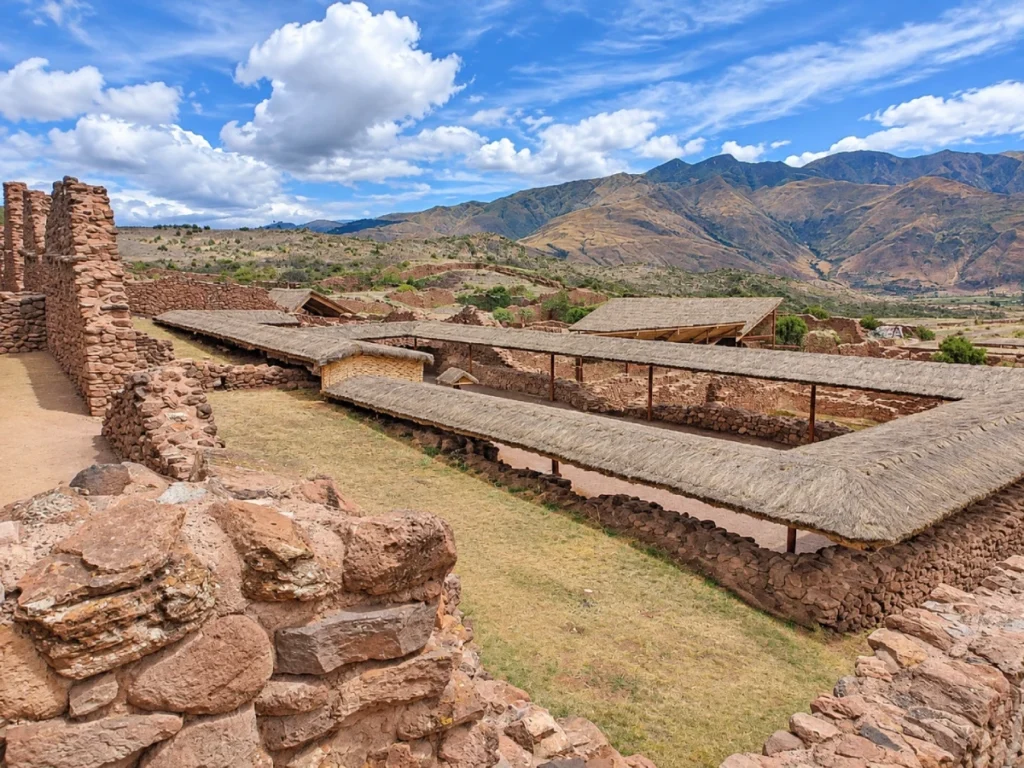
The city’s structure allowed for a coordinated departure of thousands of people toward other regions of the empire. In practice, this implies that the collapse of the Wari state in the area was not sudden. There was an authority that directed the population’s movement strategically and without apparent chaos.
To achieve this order, Wari leaders utilized the wide walls that separated the city’s sectors. Thanks to this design, they were able to control the flow of people toward the main exits without creating crowds. If you visit the site today, you will be able to imagine how the passages facilitated this great organization of the massive withdrawal.
Offerings of the Wari elite in the subsoil
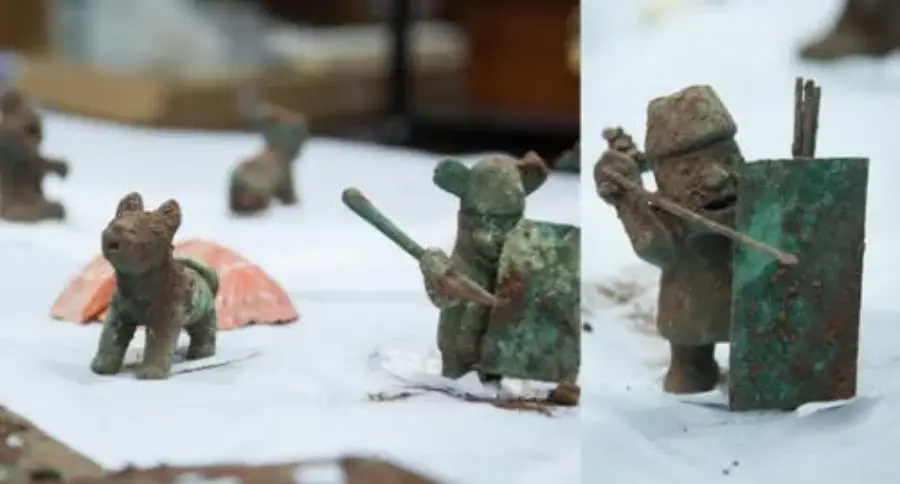
While the people were leaving, the city’s leaders performed complex farewell rituals in specific places. These offerings of the Wari elite included precious materials brought from various parts of the Andean territory. For example, small sculptures carved with an impressive level of detail for their time have been found.
Turquoise figures found and their value
One of the most famous discoveries occurred in a ceremonial pit hidden under the floor of an enclosure. There, the turquoise figures found represented warriors and priests in attire typical of the local nobility. These small pieces were not forgotten, but were deliberately buried as part of the closure.
Even so, it was not only human figures that were buried in these sacred deposits. Buried ceremonial objects made of seashells and fine metals have also been recovered. At Trails to Machu Picchu, we believe these pieces were a payment to the earth before departing.
Offerings deposits discovered in the structures
Archaeologists have located several offering deposits discovered at key points of the urban architecture. Many of these pits were sealed with thick layers of earth and ash to protect their contents. According to reports from the Ministry of Culture from the year 2024, these findings continue to provide data on Wari religion.
For the ancient inhabitants, leaving these offerings ensured that the spirit of the city rested in peace. Therefore, The mysterious discovery of Pikillacta is not just material, but also deeply spiritual. These acts demonstrate that the abandonment was a conscious decision and very respectful of their deities.
Evidence of the mysterious discovery of Pikillacta: the sealing
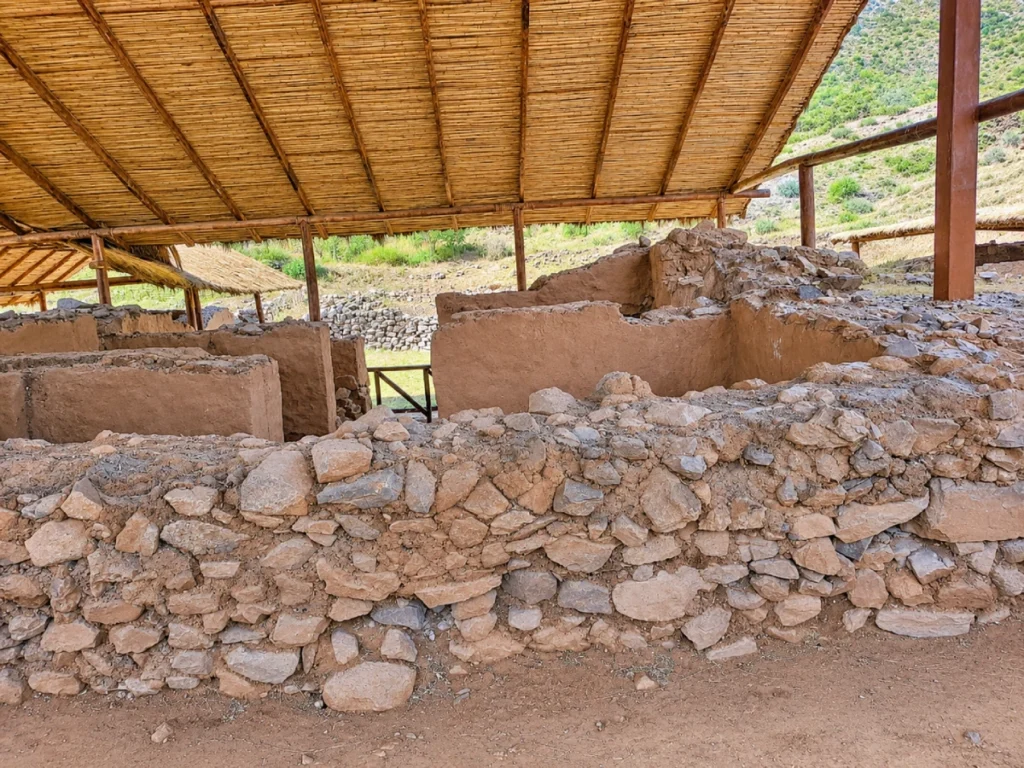
One of the most striking signs of the withdrawal is the way they closed the access points to the city. You will notice that many openings were blocked with construction materials to prevent the entry of outsiders. These evidences of door sealing are visible in a large part of the complex’s administrative sector.
Doors sealed with mud and stones
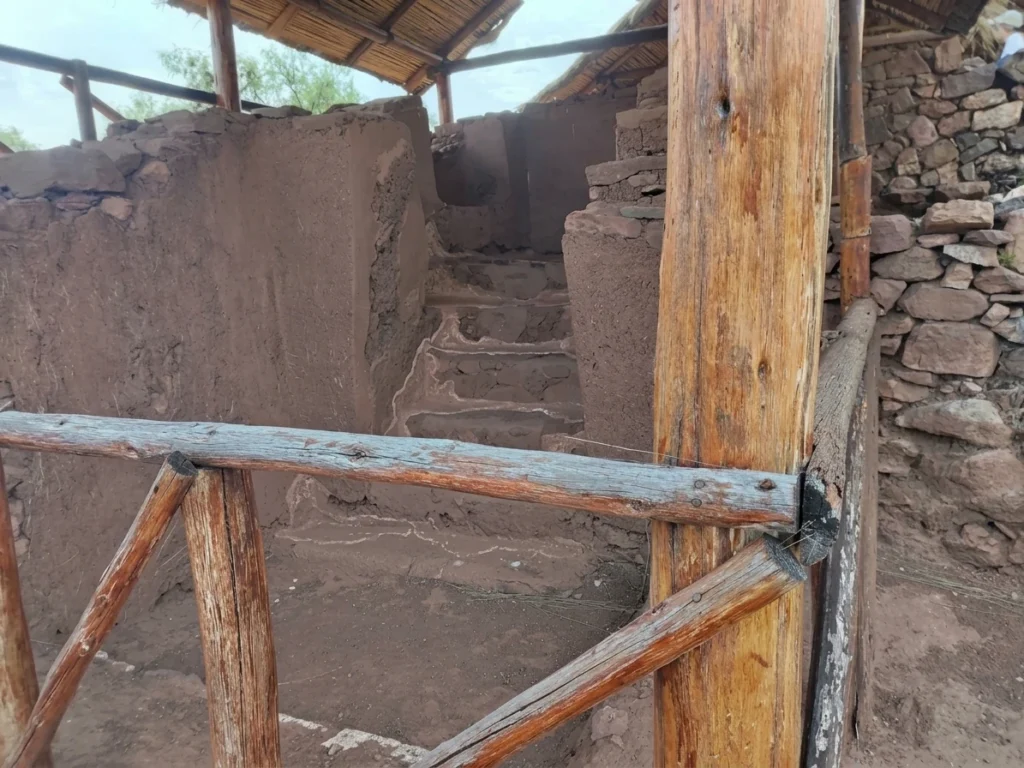
The inhabitants used a mixture of mud and stones to cover the entrances of the most important enclosures. The doors sealed with mud were intended to protect the sacred spaces and empty storehouses from erosion. In this way, the buildings were preserved much better than in other pre-Inca cities that were looted.
Below, we detail some materials used in this process:
- Clay mortar to join the sealing stones.
- Medium-sized and flat stones collected from nearby quarries.
- Layers of plaster or lime to give a final finish to certain walls.
- Compacted earth fill in the lower-ranking access points.
With these steps, the city was protected against the passage of time and potential later invaders. This sealing is a fundamental piece to understand The mysterious discovery of Pikillacta as an act of final closure.
Remains of ritually broken pottery
Near the sealed entrances, researchers often find large quantities of remains of broken pottery. These are not vessels that broke by accident, but fragments destroyed on purpose during ceremonies. We often compare these acts to the ritual toasts that are still performed in the Andes.
The urban closure rites required that chicha jugs be broken after the population left. This marked the end of the city’s life cycle and its transition to the world of the ancestors. That is why you will see that the fragments are intentionally scattered in the main plazas.
Why did the Wari abandon Pikillacta?
Many travelers ask us why they abandoned Pikillacta if the city was so well-built and protected. The answer lies in political and climatic factors that weakened central control from the capital in Ayacucho. During the 9th century, the administrative system began to fail in several peripheral regions of the empire.
The end of Wari rule in Cusco
The end of Wari rule in the Cusco valley did not occur due to an invasion by the Incas, who arrived later. Rather, it was due to a loss of influence over the local populations that supported the administrative center. Unable to maintain the exchange network, the leaders decided to carry out the Pikillacta departure rites.
To understand this change, consider these key points:
- Reduction of the flow of resources from the central capital.
- Appearance of prolonged droughts that affected local agriculture.
- Growth of local groups that sought greater political autonomy.
- Decision of the elite to centralize their forces in other strategic areas.
Ultimately, this set of factors led to the city no longer being viable as a center of power. Therefore, the withdrawal was the best option to preserve the population and its culture.
Organization of the massive withdrawal and the state collapse
The collapse of the Wari state was a gradual process that allowed Pikillacta to be closed with dignity. It was not a catastrophic collapse, but a transformation of the social structure throughout the southern region. The inhabitants dispersed toward smaller communities where they could subsist independently.
From Trails to Machu Picchu, we believe that this event marked the beginning of a new era in Cusco. By leaving the valley free of Wari administration, the ground was prepared for the subsequent rise of the Incas. You will notice that the history of The mysterious discovery of Pikillacta connects directly with the origin of the Tahuantinsuyo.
Recommendations for your visit to the mysterious discovery of Pikillacta
Visiting this archaeological complex requires simple but important planning to enjoy it to the fullest. Being located in the South Valley of Cusco, the weather can change quickly during the day. We recommend leaving early to avoid the strong wind that often blows in the afternoon near the lagoon.
How to get to the South Valley
To get to Pikillacta, you can take private transport or a tourist bus from the city of Cusco. The trip takes about 45 minutes and the road is in excellent condition for all types of vehicles. We at Trails to Machu Picchu often include this site in our specialized tours of the area.
Mind you, remember that to enter you need the Cusco Tourist Ticket valid for this year. We suggest confirming the opening hours at the official office before starting your journey. During the rainy season, which runs from December to March, always carry a light raincoat with you.
What to bring for your archaeological tour
Due to the vast extent of the city, you will walk quite a bit over stone and compacted earth terrain. Therefore, it is essential that you wear comfortable footwear with good grip to avoid unnecessary slips. Do not forget that The mysterious discovery of Pikillacta is best appreciated when you walk through its long, straight streets.
For your comfort, prepare a small backpack with these items:
- Reusable water bottle to stay hydrated.
- High-factor sunscreen and a wide-brimmed hat.
- Camera with a charged battery to capture the walls.
- Light snacks such as dried fruits or cereal bars.
If you follow these tips, your experience at this archaeological site will be much more pleasant and productive. At Trails to Machu Picchu, we love guiding you so you make the most of every minute of your trip.
Frequently asked questions about The mysterious discovery of Pikillacta
Which culture built the city of Pikillacta?
The city was built by the Wari culture between the years 600 and 900 AD. It served as the most important administrative and military center of this empire in the Cusco region. Its architecture stands out for the use of high-rise stone and mud walls.
Were gold treasures found in Pikillacta?
No major gold treasures were found, but valuable Wari elite offerings made of turquoise were. These figurines are masterpieces of pre-Inca art and represent individuals of high social rank. Objects made of Spondylus shell brought from the coasts of present-day Ecuador were also found.
Is it safe to visit Pikillacta on your own?
Yes, it is completely safe to visit the complex on your own if you follow the paths marked by the staff. We recommend hiring a guide to better understand The mysterious discovery of Pikillacta and its construction details. The site has permanent surveillance and rest areas for visitors in 2026.
Get to know the living history of Cusco with us
Exploring The mysterious discovery of Pikillacta allows you to see a different facet of Peruvian archaeology. By understanding that the abandonment was a planned act, you will value the order and discipline of the Wari culture much more. This visit perfectly complements your trip to Machu Picchu and gives you a broader vision of the Andean past.
If you want to delve into these topics, we at Trails to Machu Picchu organize detailed tours of the South Valley. We accompany you so you discover every secret of the sealed doors and ceremonial offerings. With our help, you will plan a route that combines history, culture, and the most beautiful landscapes of the region, contact us.