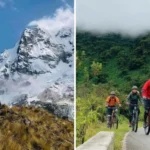
Choosing between Cusco hiking on your own or with guides depends entirely on your previous experience and the type of route. We at Trails to Machu Picchu notice that many travelers seek freedom; however, safety in the Andes is a priority. Therefore, understanding local rules will help you avoid unnecessary risks during your hike.
The key choice: Cusco hiking on your own or with guides
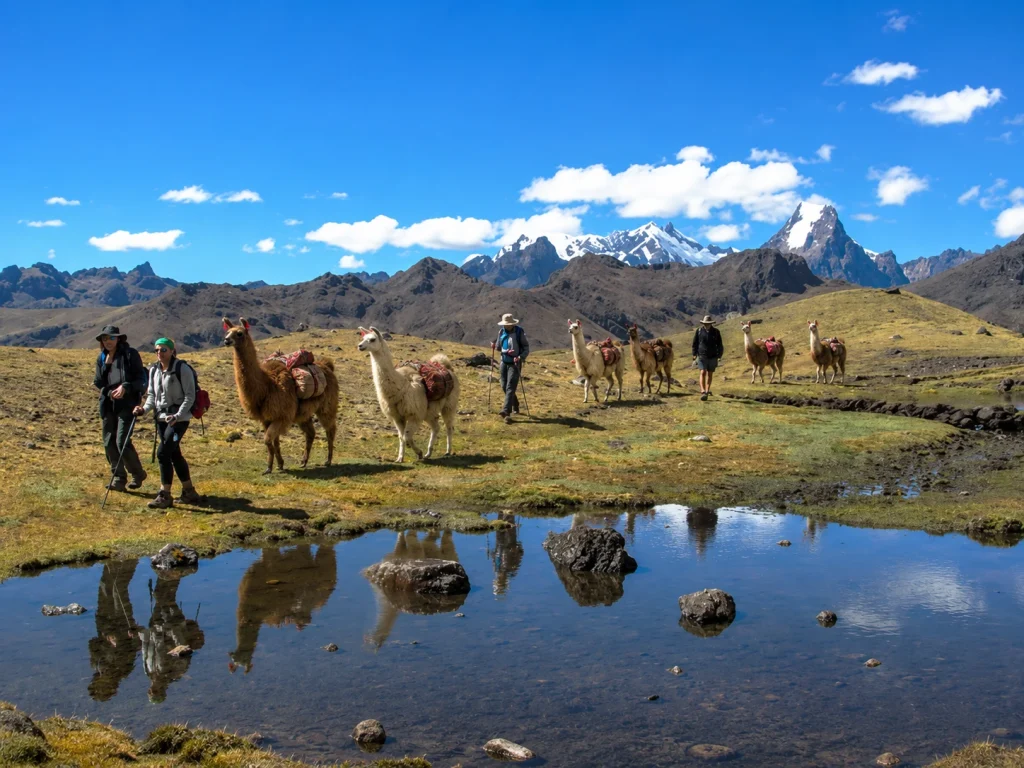
Hiking through the mountains of Cusco allows you to connect with nature in a very personal way. If you prefer autonomy, you can organize your own timing and choose your own resting spots. That said, this option requires you to take full responsibility for your navigation and well-being.
On the other hand, choosing Cusco hiking on your own or with guides implies evaluating your ability to respond to unforeseen events. A guide not only knows the path but understands the behavior of the terrain and the weather. With us at Trails to Machu Picchu, you will have the peace of mind of having constant professional support.
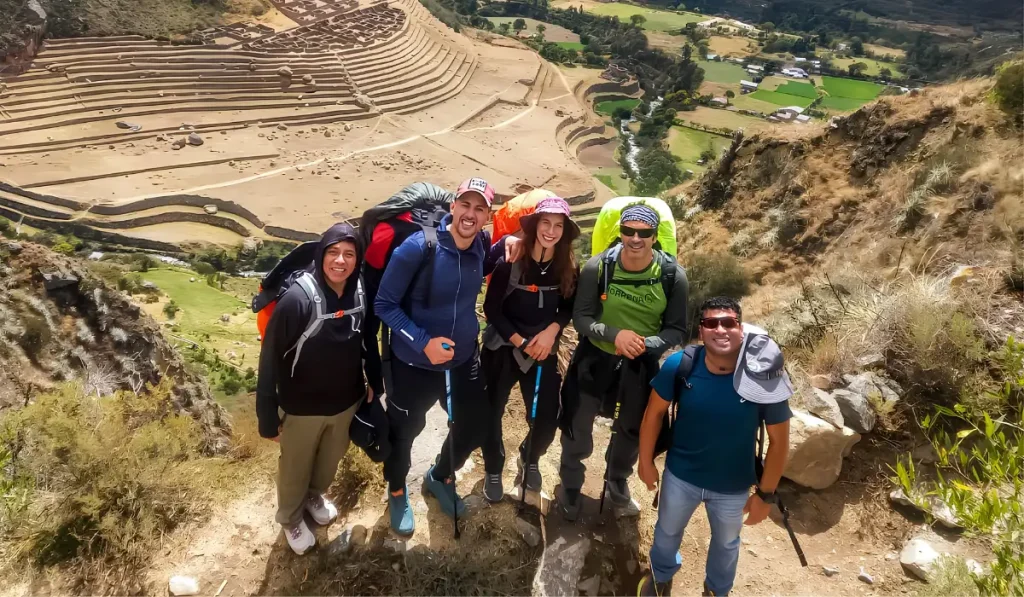
Advantages of hiking autonomously
Hiking without professional company gives you absolute flexibility in your itinerary. You can stop to take photos whenever you want or change your pace according to your fatigue. Furthermore, this method is usually more economical if you already have the proper camping gear.
Even so, the lack of external support increases the risks of going alone in remote areas. We recommend this option only if you have advanced experience in orientation and mountain first aid. For short routes near the city, autonomy is viable; but for long circuits, the scenario changes.
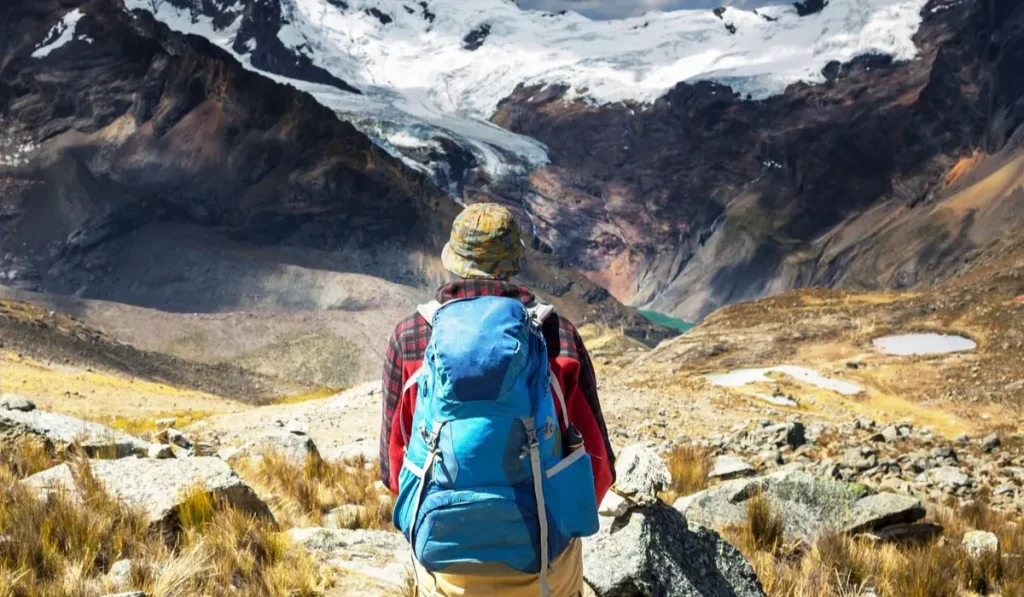
Why it is in your best interest to hire a local guide
Having an expert opens the doors to a deep understanding of Quechua culture. By hiring a local guide, you receive valuable information about history and biodiversity that maps do not show. Their knowledge of medicinal plants and local legends will greatly enrich your time on the trails.
In addition, these professionals are trained to manage critical health or weather situations. They take care of communication with nearby communities in case you need help. At Trails to Machu Picchu, we prefer that you focus on enjoying yourself while we take care of every detail of your safety.
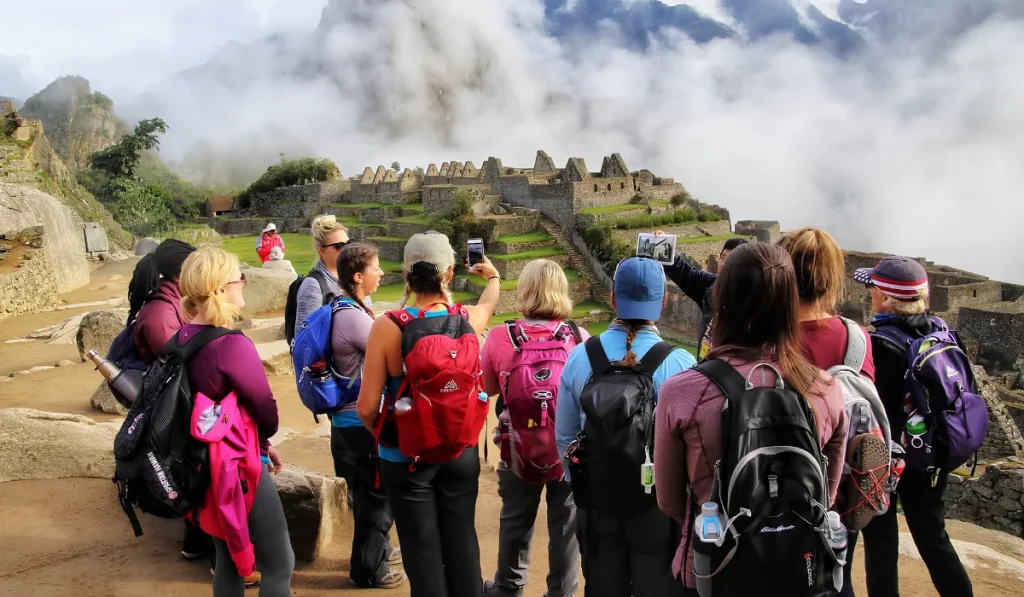
Routes where accompaniment is indispensable
There are trails in the region where you do not have the option of hiking individually. The Peruvian state protects certain circuits due to their archaeological and environmental fragility. Therefore, when planning your Cusco hiking on your own or with guides, you must verify the category of the route.
For these protected areas, entry is restricted to groups organized by licensed operators with a current permit. This ensures that environmental impact is minimal and that sacred sites are respected. If you attempt to enter without accreditation, authorities could fine you and remove you from the area immediately.
The Inca Trail and its mandatory guide routes
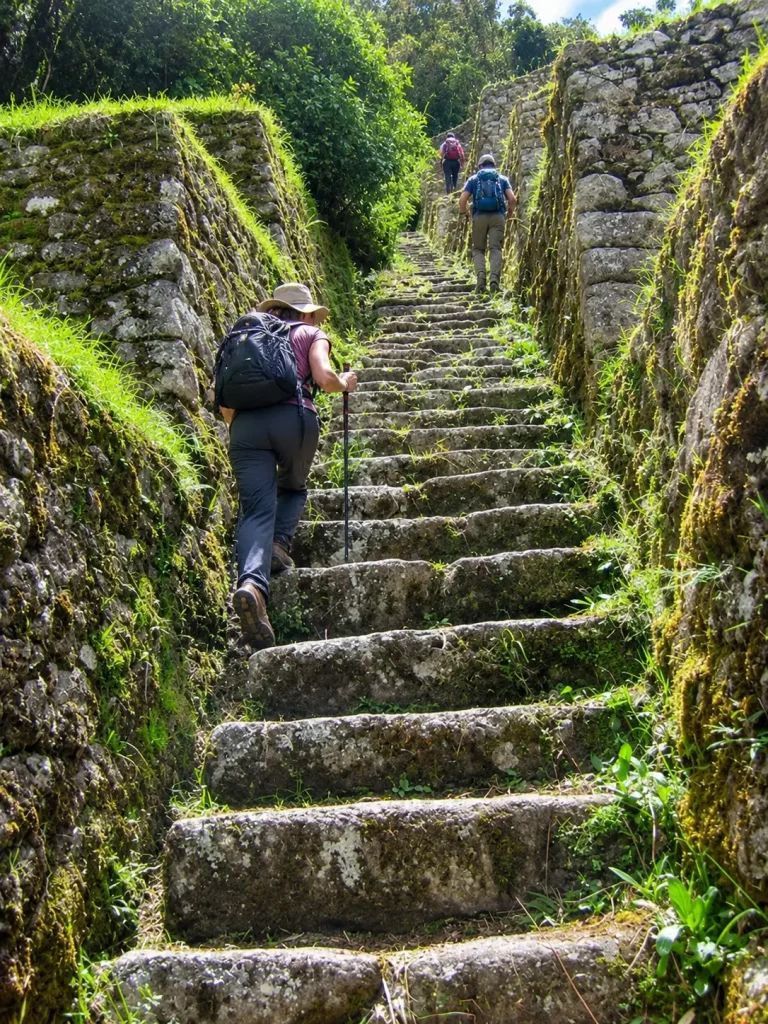
The most famous route to Machu Picchu is a clear example of strict control. Due to its high historical value, these are routes with a mandatory guide all year round. The presence of a professional ensures that the Inca structures do not suffer damage from the constant transit of visitors.
To traverse it, you need to book several months in advance due to the daily quota limit. Once you obtain your spot, you will advance in a group with personnel specialized in cooking and porting. This measure has managed to preserve the original stone path for over five centuries of use.
How to obtain mandatory route permits
Accessing controlled circuits requires the prior purchase of official tickets through authorized agencies. You should know that mandatory route permits are personal and non-transferable, so you will need your valid passport. We at Trails to Machu Picchu manage these documents so you don’t have to worry about bureaucracy.
We suggest carrying out this process as soon as you define the dates of your trip to Cusco. Follow these recommendations to secure your entry:
- Check availability on the official Ministry of Culture website.
- Send a legible copy of your identity document to your operator.
- Confirm that the name on the permit matches your passport exactly.
- Always carry the physical document during the entire hike for checks.
Health and prevention in high-altitude terrain
Cusco’s geography is characterized by altitudes that easily exceed four thousand meters. Your body will feel the lack of oxygen as soon as you start hiking uphill. Therefore, your physical safety is the most important factor when deciding on Cusco hiking on your own or with guides.
You must listen to your body and not force your pace during the first 48 hours in the city. Gradual ascent is the best tool to avoid serious complications that could ruin your trip. If you feel a persistent headache, it is a clear sign that you need to rest immediately.
How to recognize altitude sickness in time
Your body will send warning signs if it fails to adapt correctly to lower oxygen pressure. To recognize altitude sickness, you must pay attention to symptoms such as nausea, extreme fatigue, or lack of appetite. If you notice mental confusion or difficulty breathing at rest, you must descend in altitude quickly.
According to a study by the Wilderness Medical Society published in 2024, immediate descent saves lives. Do not ignore mild discomfort, thinking it will disappear with physical exertion. Keep a constant dialogue with your route partners about how you are feeling at each stage.
The importance of staying hydrated at altitude
The dry air of the Andes accelerates the loss of fluids through breathing. Therefore, staying hydrated at altitude helps your blood flow better and transport oxygen efficiently. We recommend drinking small sips of water every fifteen minutes, even if you do not feel intense thirst.
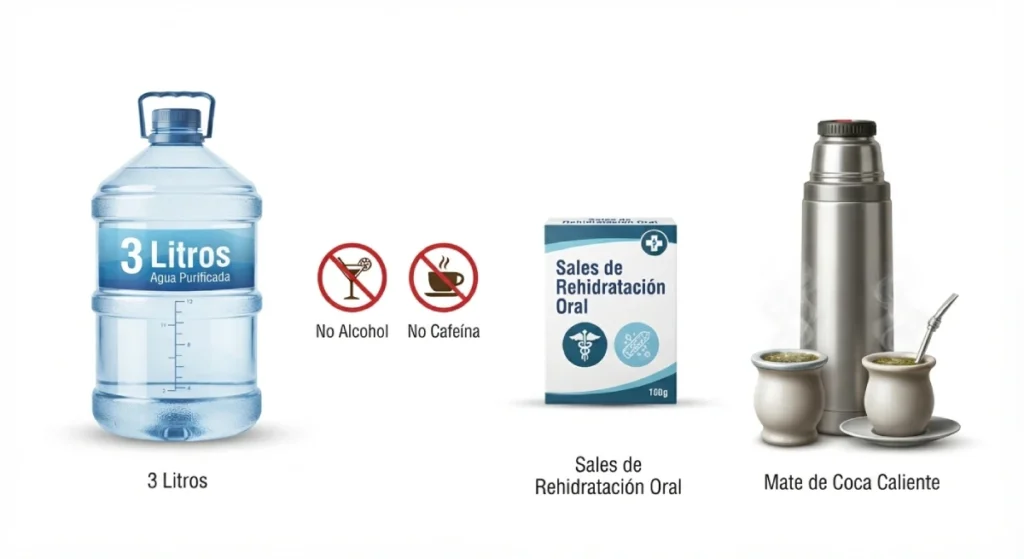
For effective hydration, you can follow this simple plan:
- Drink at least three liters of purified water per day.
- Avoid alcohol and caffeine consumption before long hikes.
- Use oral rehydration salts if the physical effort is very demanding.
- Carry a thermos with hot coca tea to maintain body temperature.
Essential equipment for your protection
Carrying the right clothing and accessories makes the difference between a good hike and a dangerous situation. Terrain conditions in Cusco can be very technical and abrasive. Therefore, when evaluating Cusco hiking on your own or with guides, consider the weight of your backpack.
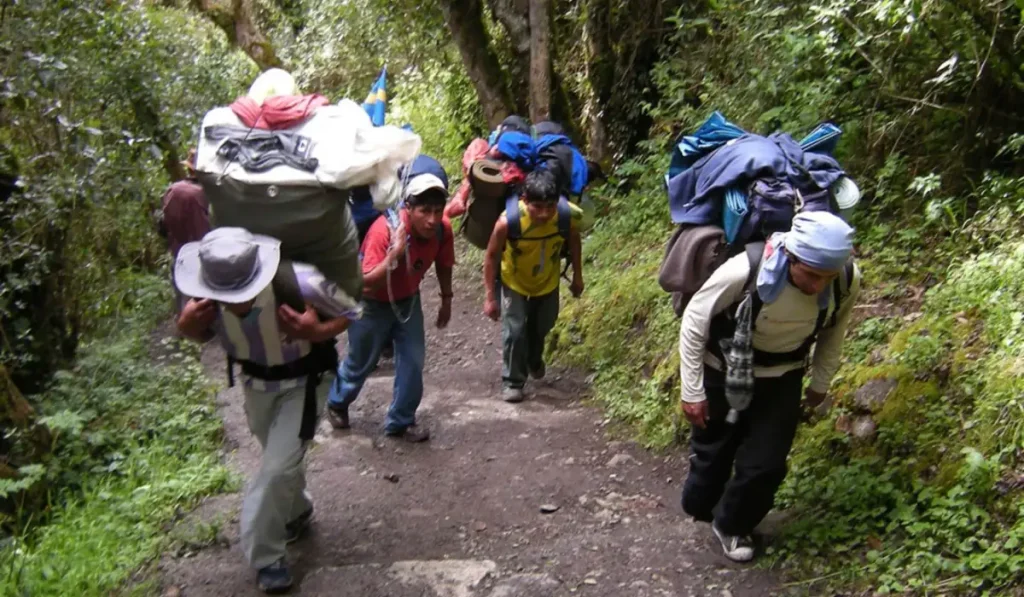
If you go with us, we can support you with the transfer of heavier equipment via mules or porters. This will allow you to hike with a light backpack and concentrate on your stability and breathing. However, there are personal items that should never be missing from your back during the day.
The basic items on what to carry for safety
Your backpack should contain versatile pieces that protect you from the intense sun and sudden cold. When choosing what to carry for safety, always prioritize quality over unnecessary weight. Footwear with good grip and ankle protection will prevent common injuries on loose stone trails.
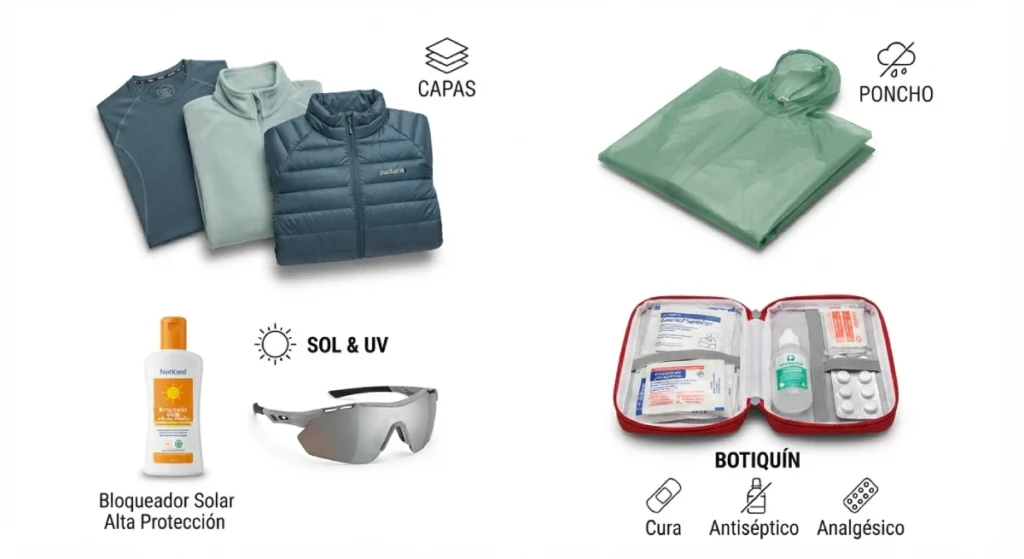
Prepare your basic kit with these essential items:
- Dress in three layers of clothing to regulate your temperature easily.
- Include a light rain poncho, even in the dry season.
- Use high-protection sunscreen and UV-filter sunglasses.
- Carry a first-aid kit with bandages, antiseptics, and painkillers.
Tools to download offline maps
Internet signal disappears completely in most inter-Andean valleys and canyons. Therefore, it is vital to download offline maps on your phone before leaving the hotel. Applications like Maps.me or Gaia GPS usually work well if you have the files saved beforehand.
Even so, also rely on trail signage in Cusco, although it is not always abundant or clear. On many alternative routes, paths diverge and you could end up in a private grazing area. If you do not see official markings, it is best to stop and check your digital location or physical map.
Risk management and extreme weather
The Andean mountains are beautiful but can also be relentless with unprepared hikers. When choosing Cusco hiking on your own or with guides, think about your ability to read the sky. A clear morning can turn into an electrical storm in less than twenty minutes.
We at Trails to Machu Picchu monitor weather reports before each departure to minimize setbacks. Safety on the route depends not only on your physical condition but on your ability to anticipate. Knowing when to turn back is just as important as knowing where to move forward.
Preparation for the changing weather of the Andes
You will notice that the temperature drops drastically as soon as the sun goes behind the peaks. This changing weather of the Andes requires that you always have a thick warm jacket on hand. Hailstorms are common above four thousand meters and can reduce visibility quickly.
If you are caught in an electrical storm, seek low-lying areas and avoid staying near metallic objects or solitary trees. Staying dry is vital to prevent hypothermia at high altitudes. Therefore, waterproof gear should be easily accessible at the top of your backpack.
Satellite communication on routes and rescue
Having a reliable means of contact is the only way to request help in areas without cellular coverage. The use of satellite communication devices on routes has become essential for multi-day hiking. These devices allow sending exact coordinates to search teams if a serious accident occurs.
In case of an emergency, the Andean emergency response can take hours due to the difficult geography. For this reason, we always recommend informing your hotel or trusted people about your detailed itinerary. Thus, if you do not return at the scheduled time, someone will be able to activate local rescue protocols.
Risks of going alone and specialized insurance
Hiking without companions increases vulnerability to falls, getting lost, or encounters with wild animals. The risks of going alone multiply if you do not know the nearest evacuation routes from your position. A small ankle sprain can become a major problem if there is no one to help you.
To mitigate these situations, it is mandatory to purchase adventure sports insurance with mountain rescue coverage. Verify that your policy includes helicopter transfer and care in clinics specialized in Cusco. Reading the fine print of your contract will provide the financial security needed in the face of any incident.
Rules and legality for the hiker
Respecting local rules ensures that trails remain open and safe for all visitors. When defining your plan for Cusco hiking on your own or with guides, consider the impact of your actions. Local communities protect their lands and expect hikers to follow established routes.
In addition, compliance with environmental laws prevents you from receiving sanctions from SERNANP park rangers. These authorities patrol protected areas to monitor that no one camps in prohibited places or starts bonfires. Your responsible behavior helps preserve the beauty of the Andes for the future.
Respecting protected natural area regulations
Places like the Machu Picchu Historical Sanctuary or the Manu National Park have strict regulations. The protected natural area regulations prohibit leaving any type of solid or chemical waste in rivers. You must carry all your trash with you until you find an authorized collection point in the nearest town.
Follow these environmental coexistence rules during your journey:
- Do not collect plants, flowers, or stones from archaeological or natural sites.
- Walk only on marked paths to avoid soil erosion.
- Maintain a safe distance from wildlife and do not attempt to feed it.
- Respect the camping zones designated by local authorities.
How to look for authorized agencies for your expedition
If you decide to go accompanied, it is vital to verify that the chosen company complies with all legal requirements. When looking for authorized agencies, request their registration number with the Ministry of Foreign Trade and Tourism (MINCETUR). A formal company ensures that their guides have official certification and pay fair wages to their staff.
We at Trails to Machu Picchu work under all current regulations to offer you a transparent and safe experience. You can consult us about any route and we will give you honest recommendations based on the current season. Choosing Cusco hiking on your own or with guides will be easier with the right information in your hands.