Choosing the right route to reach Machu Picchu is a key decision. When analyzing which is better, the Inca Trail or Lares Trek, factors such as permit availability, landscapes, and your cultural preferences play a role. Both options offer memorable treks through the Peruvian Andes. However, their itineraries and experiences are completely different.
Trails to Machu Picchu offers options to organize your trek to Machu Picchu.
Characteristics of the Classic Inca Trail
The Inca Trail is the most famous hiking route in South America. It connects ancient pre-Hispanic trails with various archaeological sites.
Direct Access to the Citadel
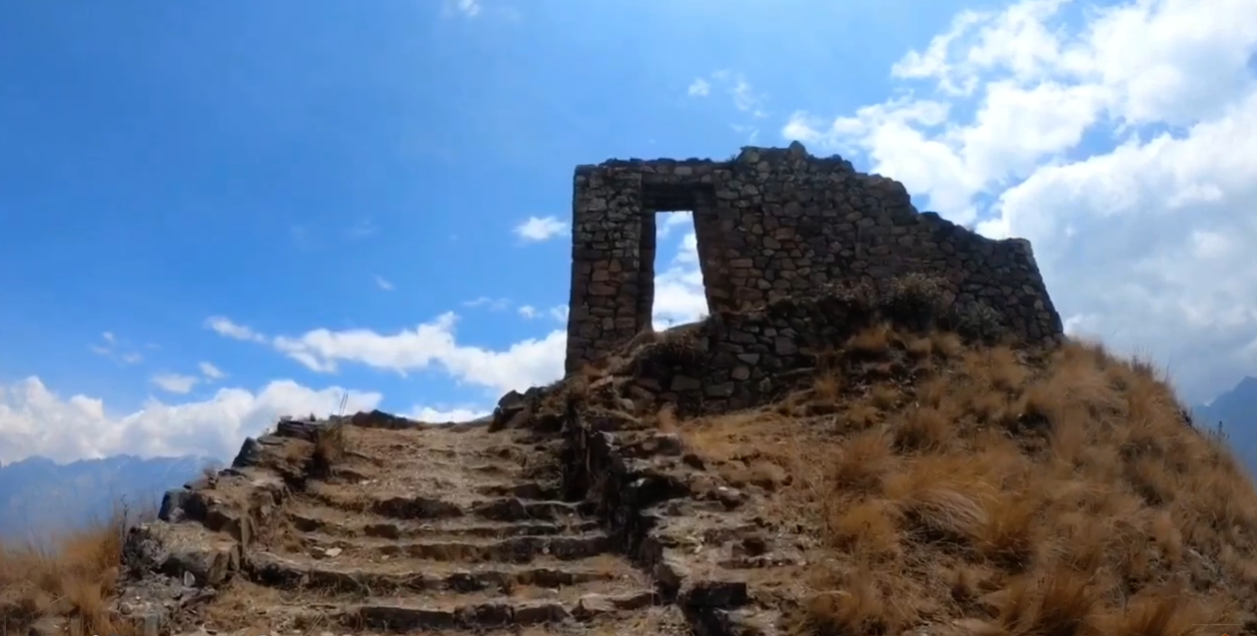
One of its main features is arriving on foot at Machu Picchu. Trekkers enter through the Sun Gate or Inti Punku. This entrance offers a panoramic view at sunrise.
Archaeological Heritage and Regulation
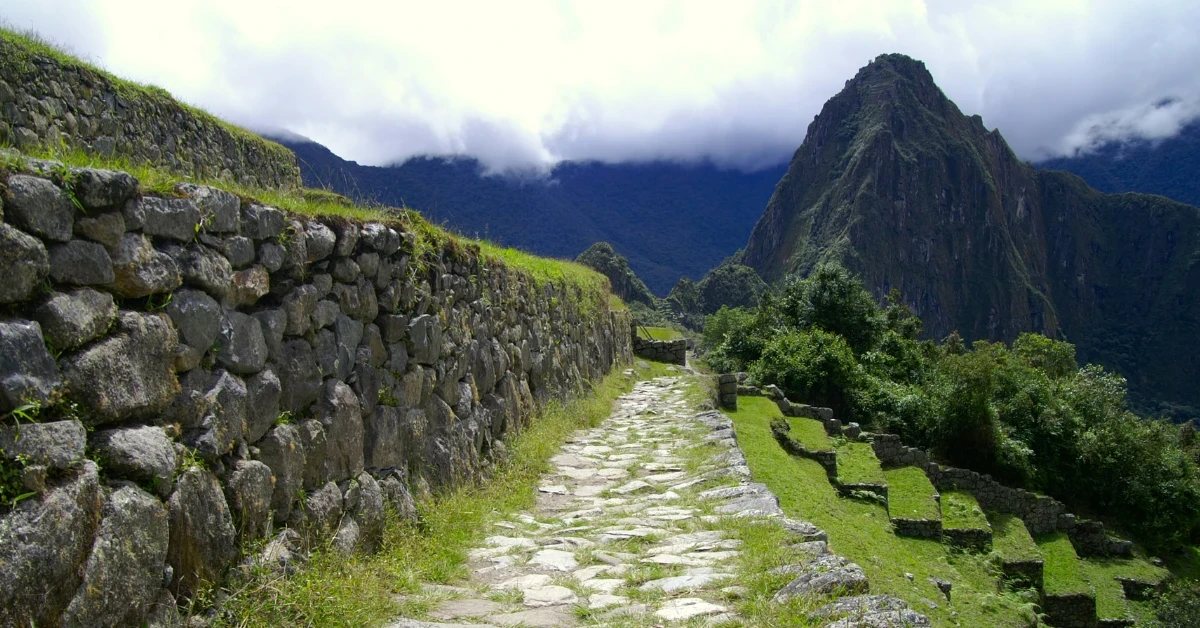
Along the way, you will visit ruins such as Wiñay Wayna and Runkurakay. However, access is strictly regulated. Permits usually sell out several months in advance.
Characteristics of the Lares Trek
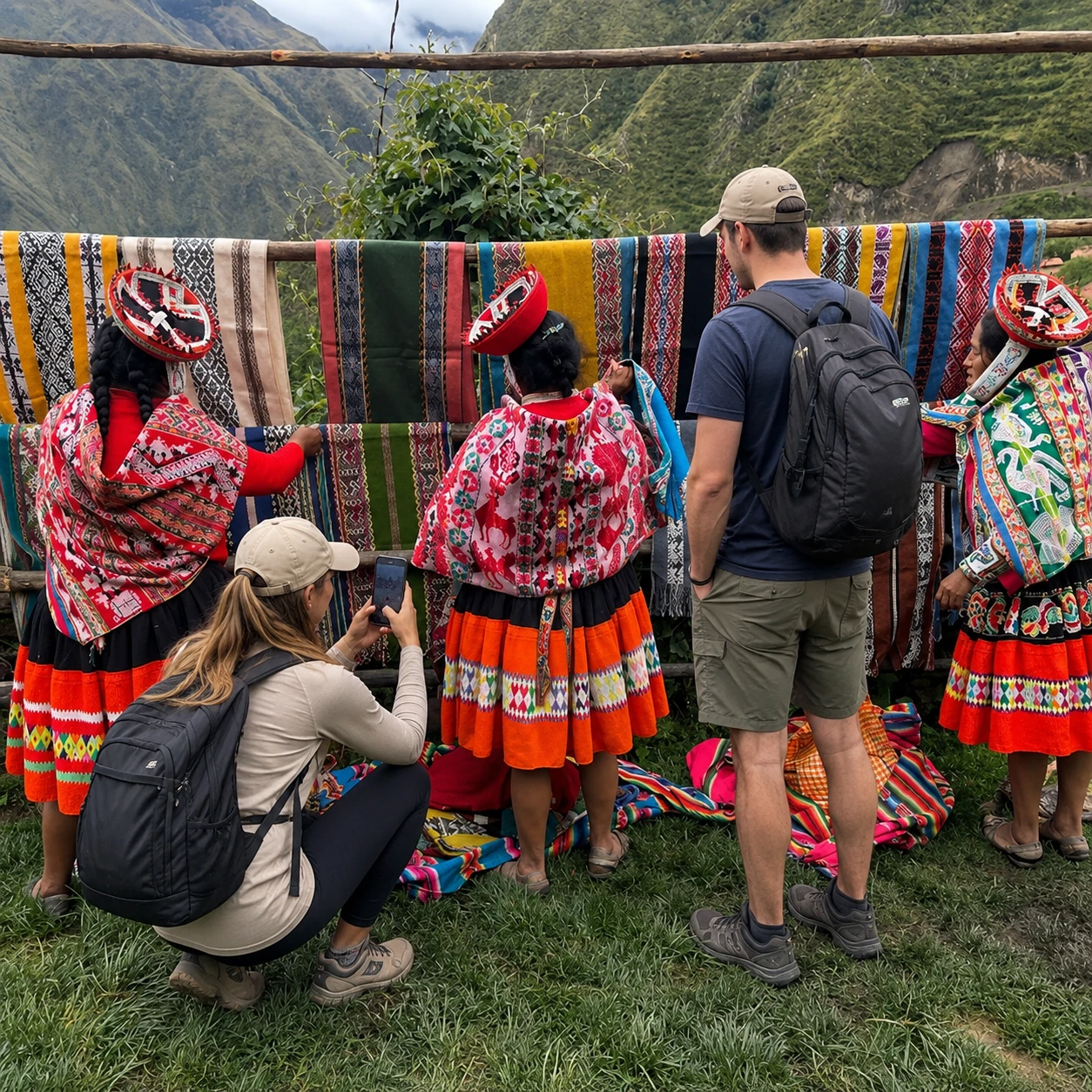
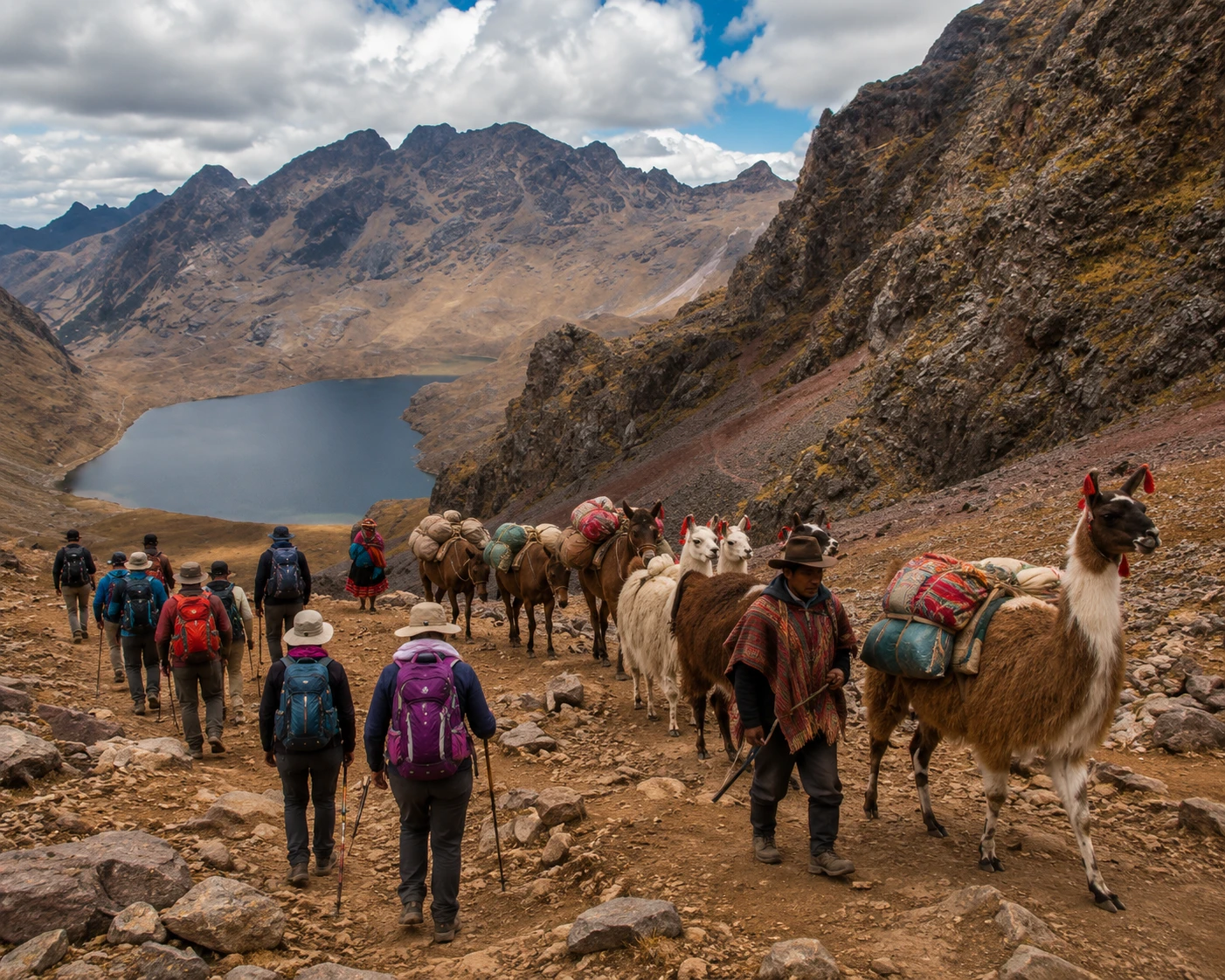
The journey through the Lares Valley crosses off-the-beaten-path rural areas. It offers direct contact with local Andean communities.
Cultural Connection and Nature
On this route, travelers observe the traditions of weavers and farmers. In addition, the landscape combines Andean lakes, snow-capped peaks, and mountain valleys.
Arriving at Machu Picchu via Lares
Unlike the classic route, arriving at Machu Picchu via Lares combines hiking with ground transportation and a train ride. The trek usually ends in Ollantaytambo. From there, you take the train to Aguas Calientes to visit the citadel the following day.
Differences Between the Inca Trail and Lares Trek
To determine which option suits you best, it is helpful to review the differences between the Inca Trail and Lares Trek in key areas:
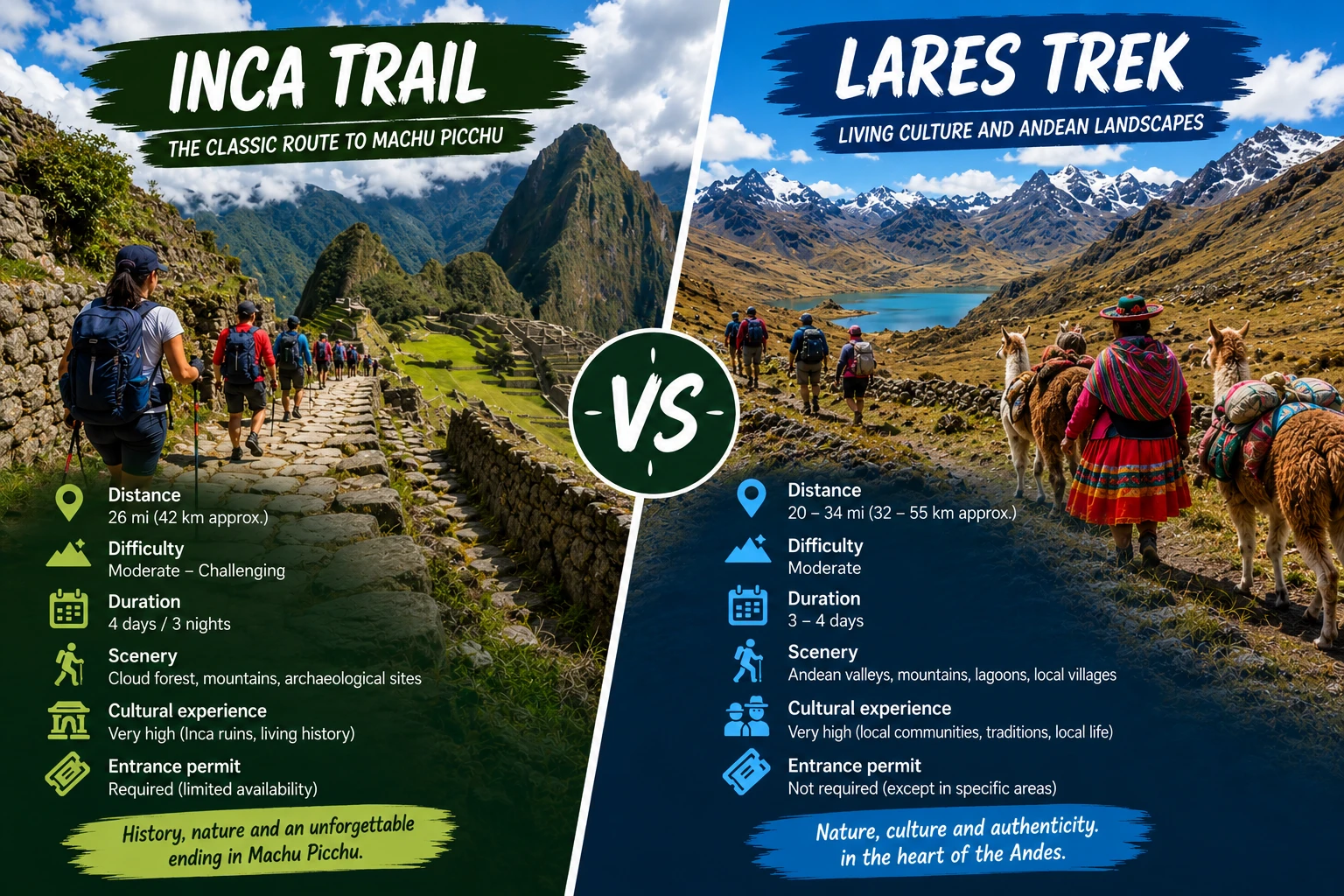
- Availability of spots: The Inca Trail requires advance booking. The Lares route does not have such strict daily entry limits.
- Focus of the trip: The Inca Trail focuses on archaeological monuments. The Lares trek highlights living culture and community engagement.
- Hiker crowds: The Inca Trail route experiences high traveler traffic. On Lares, you hike along peaceful trails.
You can also rely on Trails to Machu Picchu to plan your route according to your preferences.
Advantages of the Lares Route
Reviewing the advantages of the Lares route helps you appreciate less crowded alternatives:
- Greater flexibility to book dates throughout the year.
- Direct interaction with locals from high-Andean communities.
- Opportunity to visit the Lares hot springs at the start of the trek.
- High-mountain landscapes without crowds of hikers.
Inca Trail vs Lares Comparison
When making an Inca Trail vs Lares comparison, the choice depends on the traveler’s profile. To evaluate which is better, the Inca Trail or Lares Trek, consider these points:
Archaeology vs. Living Culture
The Inca Trail is the ideal option for Inca history enthusiasts. The route features stone complexes accessible only on foot. On the other hand, Lares allows you to experience the modern Andean way of life, where ancestral weaving techniques are preserved.
Natural Environment and Landscapes
The landscape of the Lares trek vs the Inca Trail shows marked differences. Lares runs through high mountain passes and alpine lakes. The Inca Trail crosses diverse ecological zones, including cloud forest areas with lush vegetation.
Which Trek to Choose to Machu Picchu?
If you are wondering which trek to choose to Machu Picchu, analyze your planning timeframe. Therefore, if you book months in advance, the Inca Trail route is a solid option. If you are looking to organize your trip on shorter notice, Lares represents a practical alternative.
To decide which is better, the Inca Trail or Lares Trek, answer what your priority is. Do you prefer ancient ruins along the trail or living alongside local residents?
If you would like personalized advice, agencies like Trails to Machu Picchu can help you evaluate your options. They assist with itinerary management based on your availability and physical fitness; contact us.
Preparation Recommendations
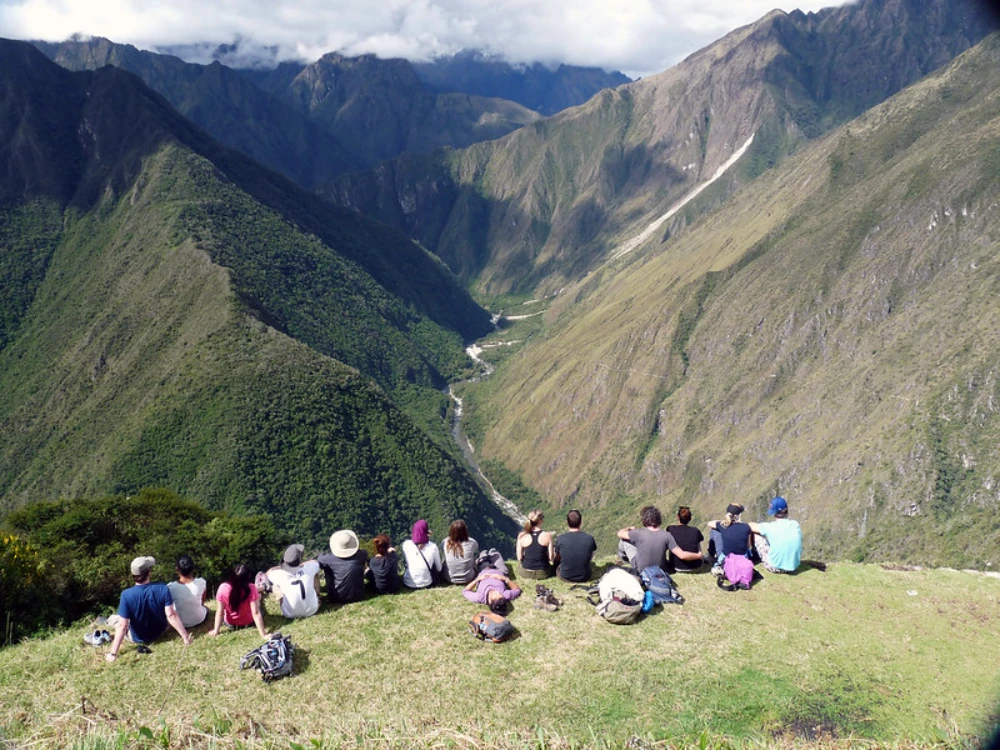
Regardless of the chosen route, acclimatization is essential. Spend at least two or three days in Cusco or the Sacred Valley before starting the hike. This reduces the risk of experiencing altitude sickness.
Bring appropriate clothing for temperature changes. The climate in the Andes varies rapidly between day and night. Wearing broken-in hiking boots will prevent discomfort during trekking days.
Analyzing which is better, the Inca Trail or Lares Trek will allow you to select the route that best suits your expectations. Both alternatives offer valuable ways to explore the Peruvian Andes on the way to Machu Picchu.