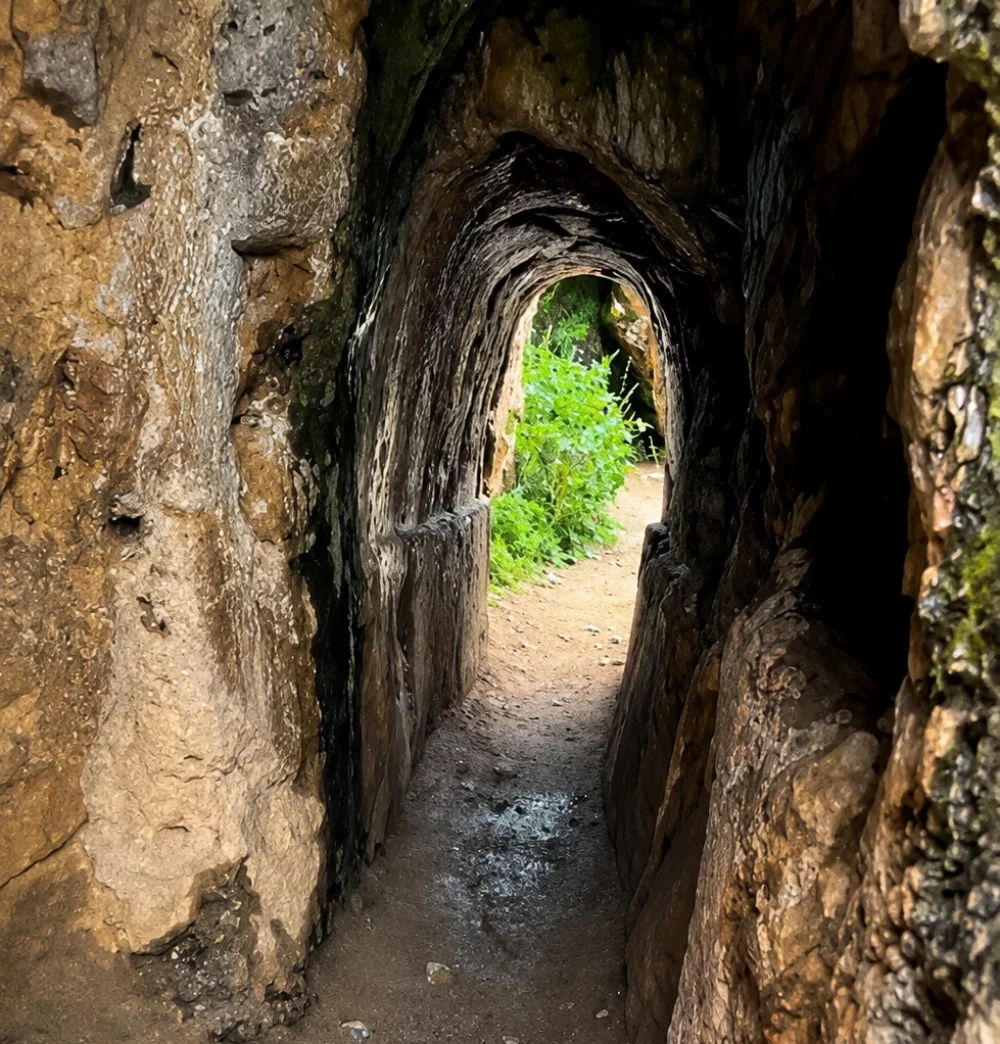
Exploring the mysteries of the Inca empire chinkanas allows you to delve into one of the most fascinating underground enigmas of the Andean world. The word “chinkana” comes from the Quechua language and means “place where one gets lost.” This term designates a network of stone passages, caves, and labyrinths carved or utilized by the Inca civilization. Although many of their entrances remain sealed today, these passages continue to arouse the interest of archaeologists, historians, and travelers exploring the ancient capital of the Tawantinsuyu.
Trails to Machu Picchu offers cultural tours to discover Cusco and its archaeological sites.
- Geological Origin and Construction of Underground Labyrinths
- Andean Worldview: The Sacred Function of the Underground World
- Stories and Legends About the Sacsayhuaman Chinkana
- Spanish Chronicles and the Myth of the Tunnel to Qorikancha
- Comparison: Historical Data vs. Popular Myths
- Tips for Travelers Visiting Cusco
Geological Origin and Construction of Underground Labyrinths
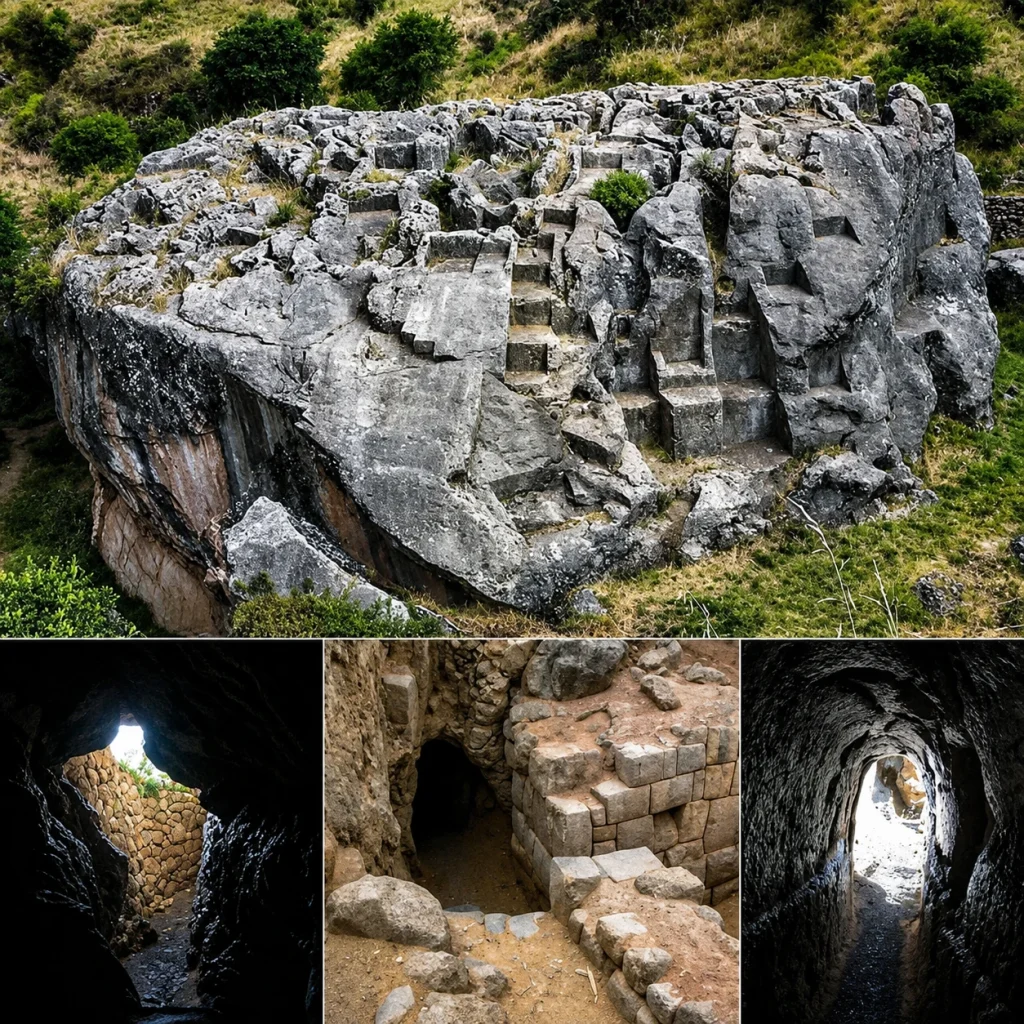
The origin of the chinkanas combines natural geological formation with the intervention of Inca engineering. The mountainous area surrounding the city of Cusco is largely composed of limestone. Over millennia, groundwater erosion shaped natural caverns, fissures, and tunnels within the depths of the valleys.
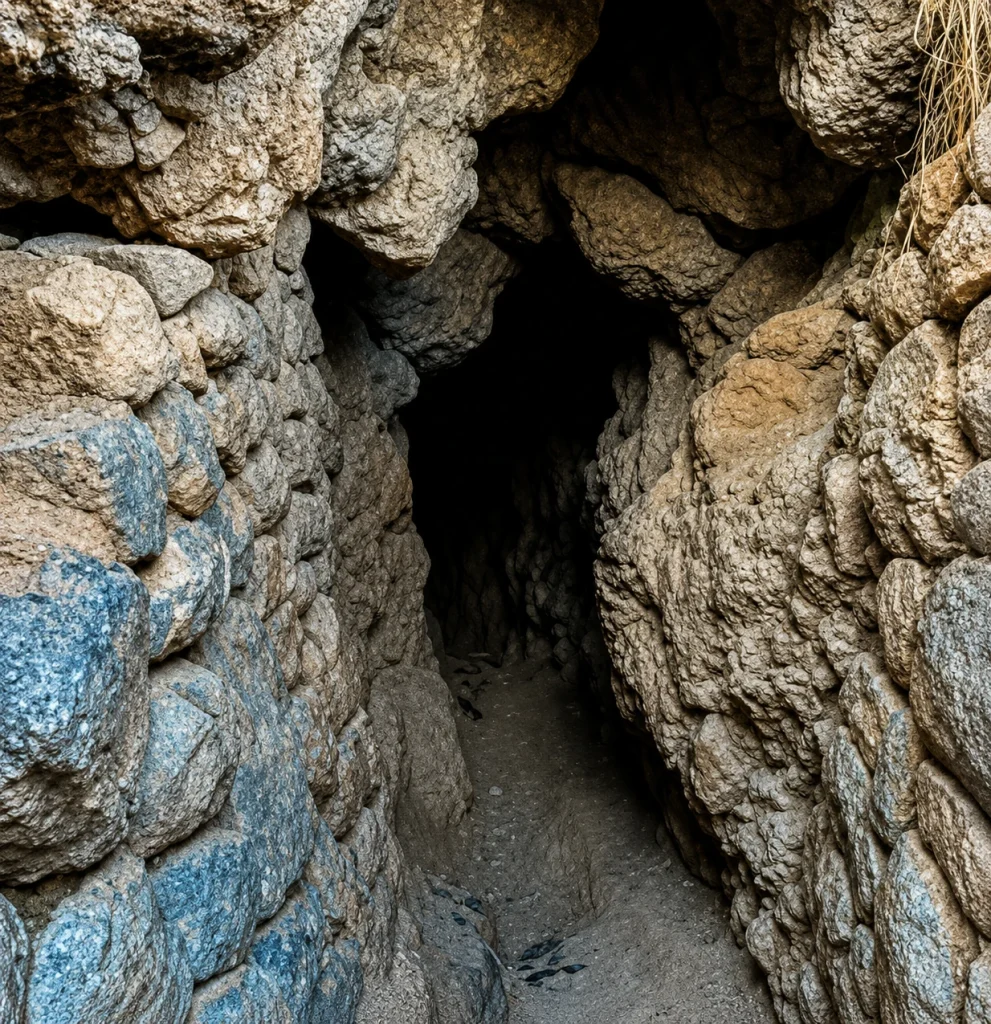
The Incas did not only discover these cavities; they modified them for specific purposes. In many cases, they carved the stone walls, leveled the floors, and reinforced the entrances with ashlar and fine masonry. In this way, they converted simple natural grottos into complex, functional galleries. The stonework demonstrates refined technical mastery, capable of integrating surface architecture with the underground environment.
Andean Worldview: The Sacred Function of the Underground World
To understand the purpose of these spaces, it is necessary to analyze the Andean worldview. Inca society conceived the universe as divided into three interconnected realms:
- Hanan Pacha: The celestial or upper world, associated with gods such as the Sun and the Moon.
- Kay Pacha: The earthly or present world, inhabited by humans, animals, and plants.
- Uku Pacha: The underground world or depths, linked to fertility, ancestors, and the origin of life.
Under this view of the cosmos, the chinkanas were not mere hiding places or defensive routes. They represented direct communication channels with Uku Pacha. The openings in the rock functioned as pacarinas or sacred places of origin. Inside, priests performed ceremonies, initiation rituals, and offerings to Pachamama and underground deities, seeking to maintain cosmological balance.
Trails to Machu Picchu can help you organize a cultural experience through Cusco’s main historical sites.
Stories and Legends About the Sacsayhuaman Chinkana
The archaeological complex of Sacsayhuamán houses the best-known examples of these cavities. In this area, two main underground structures traditionally stand out:
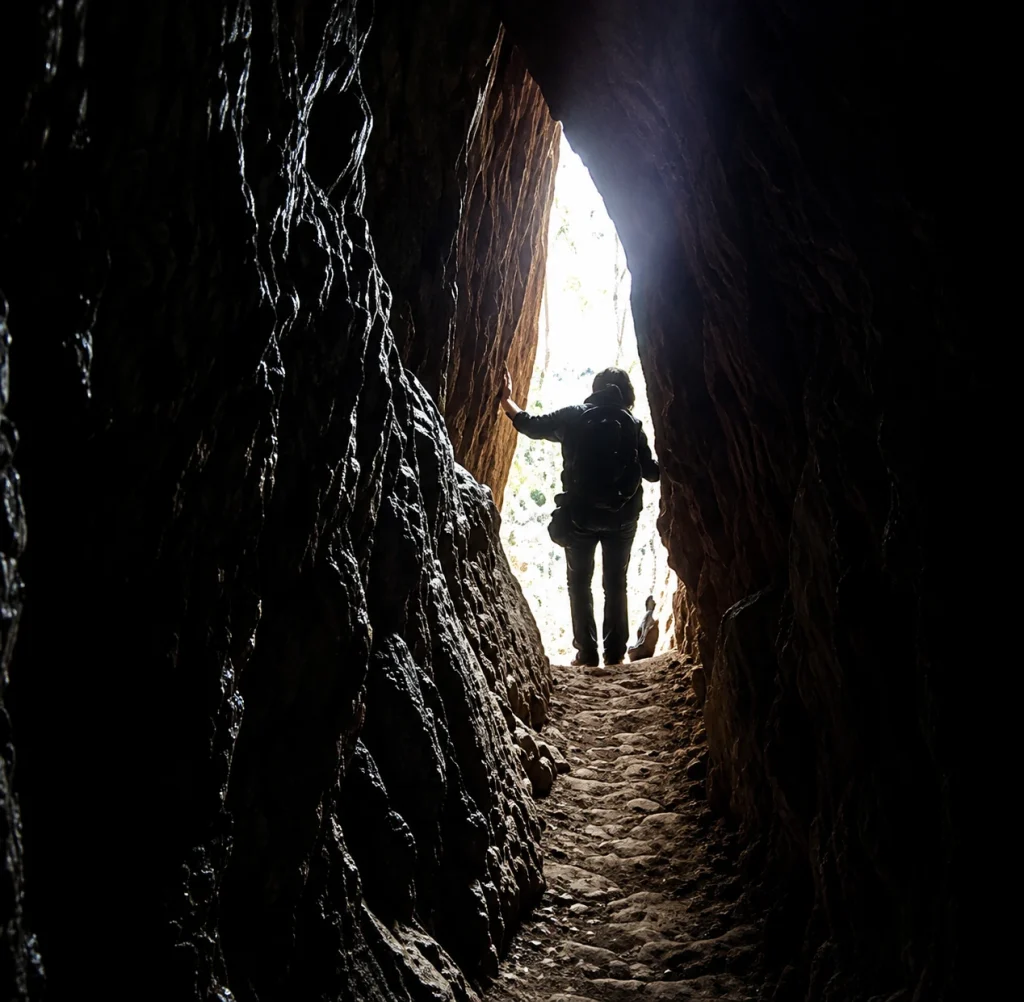
- The Small Chinkana (Chinkana Chica): Located near the Qenqo sector, it is a short passage accessible to the public. Exploring it allows visitors to appreciate how the Incas shaped the rock fissures.
- The Large Chinkana (Chinkana Grande): Situated a short distance from the main area of Sacsayhuamán, it is an extensive network of galleries whose exact limits were never fully mapped. For safety reasons, its main entrances have been closed since the 20th century.
Numerous stories emerged around the Large Chinkana regarding people getting lost inside. During the colonial period and early republican era, accounts circulated of adventurous explorers and students entering the tunnels without adequate equipment. According to local memory, several of them never returned to the surface—a reason that led local authorities to seal the entrances with thick stone walls.
Spanish Chronicles and the Myth of the Tunnel to Qorikancha
During the conquest and colonial period, European chroniclers gathered valuable accounts regarding the existence of Cusco’s underground network. Writers such as Inca Garcilaso de la Vega and Pedro Cieza de León made references to passages connecting the city’s main temples.
One of the most widespread legends claims the existence of a long underground tunnel connecting the fortress of Sacsayhuamán with the temple of Qorikancha, located in the center of Cusco. According to these accounts, the secret network allowed the transport of priests, rulers, and valuable ceremonial treasures during times of conflict or invasion.
Although modern archaeological research has confirmed the existence of underground drains and small service galleries between Inca buildings, the hypothesis of a continuous, major underground highway still lacks definitive scientific evidence. Many specialists suggest that moisture condensation, seismic collapses, and lack of air in deep galleries would have made building such extensive spans extremely difficult.
Comparison: Historical Data vs. Popular Myths
can extend for dozens of kilometers to the Sacred Valley.
| Investigated aspect | Popular myth | Archaeological and historical evidence |
|---|---|---|
| Extension of the tunnels | Interconnected local galleries, mainly associated with specific sectors. | |
| Main function | Secret routes to hide tons of Inca gold. | Ceremonial worship spaces, ritual tunnels, and urban drainage systems. |
| Connection Sacsayhuamán – Qorikancha | A direct passage of several kilometers beneath the city. | Water channels and independent underground structures at each site. |
Trails to Machu Picchu can also include these historical places in a cultural itinerary through Cusco.
Tips for Travelers Visiting Cusco
Today, the mysteries of the Inca empire chinkanas continue to be an important cultural attraction. Those planning to travel to Peru and explore the ancient Inca capital should consider certain practical aspects to enjoy a safe and informative visit:
- Respect safety restrictions: Do not attempt to enter sealed passages or rope-bound areas. Unmaintained underground structures represent a collapse risk.
- Visit authorized sites: The Small Chinkana in Sacsayhuamán and the passages of Qenqo are safe places open to conventional tourism.
- Professional guidance: Exploring these places with a qualified guide allows you to understand their real historical value without falling into unfounded speculation. Those looking to organize well-founded cultural tours in the region can check the options offered by Trails to Machu Picchu to complement their itinerary through the Andes.
- Prior acclimatization: Since archaeological sites near Cusco exceed 3,400 meters above sea level, it is recommended to rest during the first hours of your trip before taking walks through rocky areas.
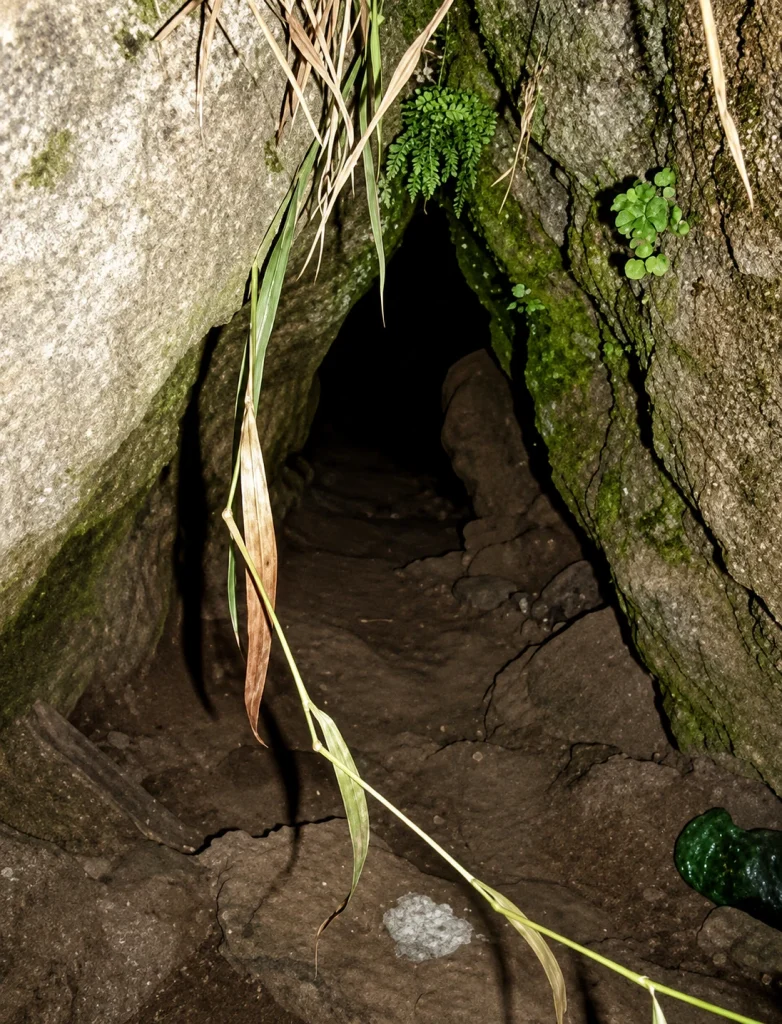
The chinkanas are an invaluable testimony to Andean thought, where architecture, landscape, and the sacred merged in the same space. Visiting these rock formations allows travelers to connect with the enigma, history, and Andean-Incan worldview of South America.
Trails to Machu Picchu can assist you in planning your tours through Cusco and the Andes, contact us.