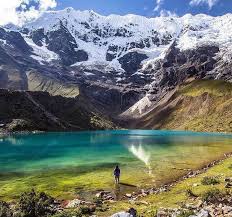
Visiting the Humantay Lagoon in rainy season can become a very different experience compared to the dry season in Cusco. During those months, the landscape changes notably due to increased vegetation, fog, and constant weather variations. Rain also directly influences trail conditions and the tourist route. Many travelers want to visit this destination in the wet season because of the intensity of natural colors and fewer visitors. However, it is important to understand certain aspects related to weather, safety, and the route’s difficulty level. The famous Humantay Lagoon is located near the route to the Salkantay snow-capped mountain, within a high-altitude mountainous area. Therefore, those planning a trip to Humantay Lagoon during the rainy season must prepare adequately before starting the hike.
- The weather at Humantay Lagoon during Cusco’s rainy season
- The trekking route to Humantay Lagoon and trail conditions
- The altitude of Humantay Lagoon and its effects during the trip
- The Humantay snow-capped mountain and landscapes during the wet season
- The best clothing for Humantay and recommended gear
- The Humantay Lagoon tour from Cusco and available options
- Safety at Humantay Lagoon during the rains
- The best season to visit Humantay and climate differences
- Frequently asked questions about Humantay Lagoon in rainy season
The weather at Humantay Lagoon during Cusco’s rainy season
The weather at Humantay Lagoon changes considerably between dry and rainy months. Generally, the so-called rainy season in Cusco occurs between November and March. During this period, rainfall can occur at different times of the day. Temperatures also vary rapidly due to altitude and the conditions of the Andean mountain range.
Constant humidity modifies the area’s natural appearance. The surroundings acquire more intense green tones, and nearby mountains show more vegetation. Likewise, low clouds create different landscapes compared to the dry season. Many tourists consider that the Humantay Lagoon in rainy season offers very attractive visual scenes for photography and observing the natural environment.
However, weather conditions can also affect the route. Intense rains make the trail slippery and partially reduce visibility on some stretches. Additionally, certain sectors present mud or water accumulation. Due to this, checking weather forecasts before organizing the trip is essential. Many tour operators keep updated information on trail status and general route conditions.
Another important aspect relates to sudden temperature changes. Although mornings may start with clear skies, rains often appear later. Therefore, visitors must wear appropriate clothing to face different weather conditions during the hike.
The trekking route to Humantay Lagoon and trail conditions
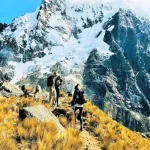
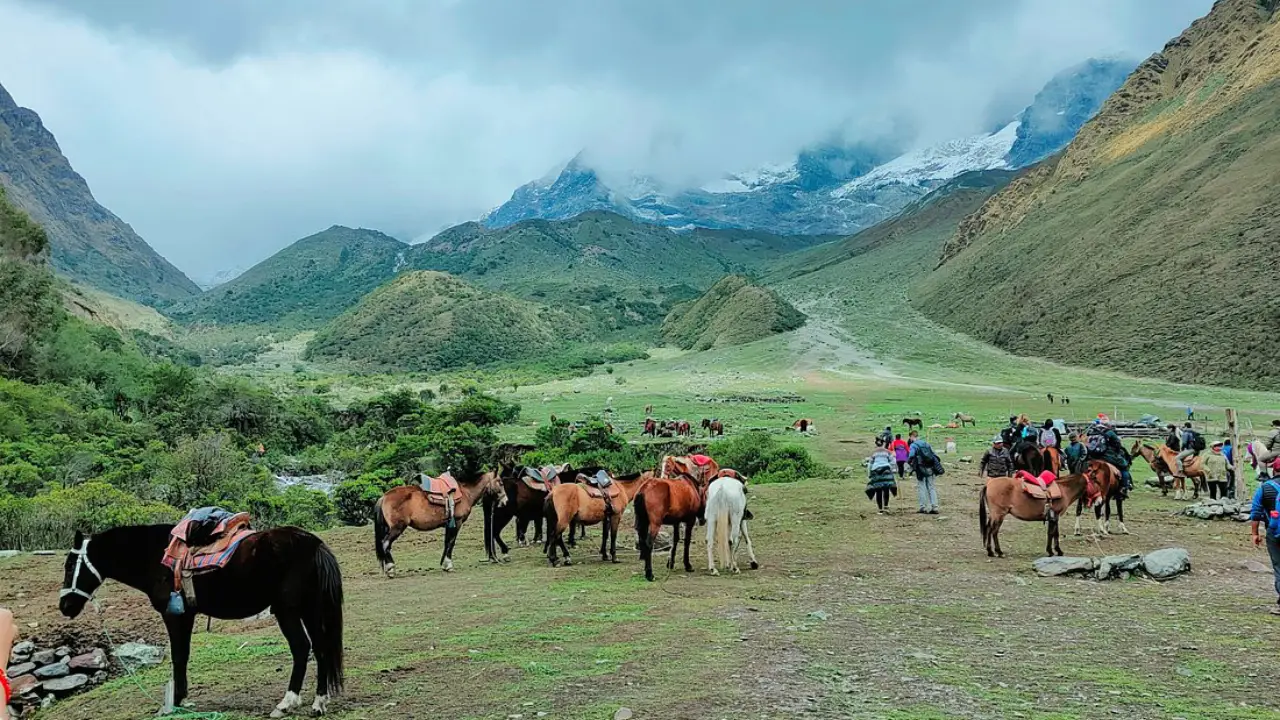
The famous trekking to Humantay Lagoon generally starts from the community of Soraypampa, located several hours from the city of Cusco. From that point begins an uphill hike toward the lagoon. During the wet season, the path to Humantay presents different conditions compared to other months of the year.
The route combines steep sections, rocky areas, and stretches of compacted dirt. However, rains modify the terrain’s stability. Some spaces can become slippery due to accumulated mud. Also, small water channels cross certain segments of the trail. Due to this, the hike requires more caution during the Humantay Lagoon in rainy season.
Many tourists consider that the difficulty level increases slightly during the wet season. Physical effort also intensifies due to altitude and terrain conditions. Therefore, walking at a moderate pace and staying properly hydrated throughout the route is recommended.
Despite these difficulties, travelers still highly value the experience. The natural environment offers views different from those seen in the dry season. Moreover, the sound of water from small thaws and rains complements the mountain’s natural atmosphere.
Among the most important characteristics of the trail, the following stand out:
- Stretches with steep slopes
- Rocky and humid sectors
- Rapid weather changes
- Presence of mud during intense rains
- Mountain landscapes visible throughout most of the route
- More vegetation compared to the dry season

The altitude of Humantay Lagoon and its effects during the trip
The well-known altitude of Humantay Lagoon exceeds 4,000 meters above sea level. Due to this elevation, many visitors experience physical fatigue during the hike. Additionally, some people may feel discomfort related to the acclimatization process.
During the Humantay Lagoon in rainy season, physical effort can feel more intense due to terrain conditions. Mud and humidity increase wear during certain stretches of the ascent. Therefore, many travelers prefer to spend a few previous days in Cusco before taking the excursion.
Lack of proper acclimatization can cause headaches, fatigue, or difficulty breathing. However, most tourists manage to complete the route by taking certain basic precautions. These include resting properly, staying hydrated, and avoiding sudden efforts during the hike.
Many tour operators recommend advancing slowly and taking short breaks during the ascent. Also, some visitors choose to rent horses to reduce physical effort on certain sections of the route. This alternative is especially useful for people with less experience in mountain hiking.
The combination of altitude and weather conditions requires adequate preparation before visiting the Humantay Lagoon in rainy season. Due to this, prior planning represents an important aspect to better enjoy the experience.
The Humantay snow-capped mountain and landscapes during the wet season
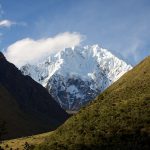
The imposing Humantay snow-capped mountain is one of the most representative elements of the route. This mountain is part of the Andean range near the famous Salkantay trail. Moreover, its presence visually dominates much of the landscape during the hike to the lagoon.
During the Humantay Lagoon in rainy season, the natural environment presents significant changes compared to other months of the year. The mountains show more intense tones due to humidity and seasonal vegetation. Likewise, the presence of low clouds creates very different scenes for those who enjoy landscape photography.
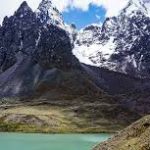
The famous landscapes of Humantay Lagoon combine turquoise lagoons, snow-capped mountains, and high-altitude Andean valleys. Many visitors consider that the wet season gives a more natural and less dry appearance to the environment. However, some days may have partial fog that limits visibility of the snow-capped peak.
Despite this, many tourists prefer to visit the area during this period due to the smaller number of visitors. Therefore, the experience usually feels quieter compared to the high tourist season in Cusco.
Another relevant aspect is the presence of small watercourses and additional vegetation around the trail. These elements visually modify the route and create a different atmosphere than what is seen during the dry months.

The best clothing for Humantay and recommended gear
Choosing the best clothing for Humantay is especially important during the rainy season. Variable weather conditions force visitors to prepare adequately before starting the route. Also, the combination of humidity, wind, and altitude can cause sudden temperature changes during the hike.
Many travelers use waterproof clothing to protect themselves from frequent rainfall. Likewise, wearing several layers of light clothing that can be easily removed or added depending on weather conditions is recommended. Due to this, proper preparation directly influences comfort during the trip.
Among the most recommended items are the following:
- Waterproof jacket
- Rain poncho
- Trekking boots with good traction
- Light thermal clothing
- Gloves and hat for cold weather
- Sunscreen
- Sunglasses
- Waterproof backpack
- Optional walking poles
During the Humantay Lagoon in rainy season, proper boots represent one of the most important elements of personal gear. The trail may present mud and wet stones in different sections. Therefore, footwear must offer stability and protection throughout the hike.
Additionally, many tourists bring extra clothes to change into after the route. This is useful due to the constant humidity present during much of the trip.
The Humantay Lagoon tour from Cusco and available options
Most travelers take the route through a Humantay Lagoon tour from Cusco. These excursions usually include transportation, food, and tour guide accompaniment. Also, many agencies organize daily departures during different times of the year.
The tours generally depart during early morning from the city of Cusco. Later, visitors transfer to Soraypampa, the starting point of the walking route. The total travel time may vary depending on weather conditions and road status.
During the Humantay Lagoon in rainy season, some operators partially adjust schedules due to weather changes. Additionally, certain routes may experience delays caused by intense rains or fog on the road. Therefore, many tourists prefer to book organized services that allow greater logistical control during the route.
Among the most frequent options are the following:
Traditional group tours
These are the most economical and popular options among visitors. They generally include tourist transportation, breakfast, and a basic lunch.
Private personalized services
They offer more flexible schedules and attention adapted to each group. They also allow additional stops during the journey.
Combined routes with Salkantay and Humantay
Some programs integrate sections of the famous Salkantay and Humantay route into longer itineraries. These alternatives are ideal for travelers interested in multi-day hikes.
Safety at Humantay Lagoon during the rains
Safety at Humantay Lagoon represents an important aspect during the wet season. Although thousands of tourists visit the area each year, rains can increase certain risks related to terrain and visibility.
The main factor to watch out for is the trail’s condition. Wet surfaces increase the chances of slipping during the hike. Moreover, some stretches have steep slopes where advancing with greater caution is necessary. Due to this, many guides recommend using support poles and maintaining a steady pace during the ascent.
Another important aspect is changing weather conditions. Rains can start suddenly even during periods of apparent stability. Therefore, wearing waterproof clothing and protecting electronic devices inside appropriate bags is essential.
Among the main recommendations for Humantay are the following:
- Stay hydrated throughout the hike
- Use proper footwear for wet trails
- Walk slowly on inclined sections
- Avoid leaving the main trail
- Bring waterproof clothing and extra clothes
- Follow the instructions of tour guides
- Rest beforehand in the city of Cusco
Many visitors manage to complete the route without major difficulties by following these basic recommendations. Additionally, tourism agencies constantly monitor weather conditions and access routes.
The best season to visit Humantay and climate differences
The so-called best season to visit Humantay depends mainly on the type of experience each traveler seeks. Some people prefer the dry months due to weather stability and clear skies. However, other tourists consider that the Humantay Lagoon in rainy season offers greener landscapes and a different experience.
During the dry season, the trail is usually in better condition for walking. Also, there is a lower probability of rain during the route. However, the number of visitors increases considerably between June and August.
On the other hand, the wet season presents certain advantages related to the natural environment. Landscapes acquire more intense colors, and mountains show greater vegetation. Likewise, the lagoon maintains very striking tones due to the period’s weather conditions.
Many travelers interested in nature photography prefer to visit the area during the rainy months. Despite the terrain difficulties, the visual experience can be very different from other times of the year. Therefore, choosing the season will mainly depend on personal preferences and the desired type of route.
Frequently asked questions about Humantay Lagoon in rainy season
1. Can it snow during the visit to Humantay Lagoon in rainy season?
On certain occasions, some areas near the snow-capped peak may have temporary snow or hail during the wet season. However, this depends on the specific weather conditions of each week. Temperatures tend to drop considerably during mornings and nights.
2. Is there phone signal during the route to Humantay Lagoon?
Mobile phone coverage is limited throughout much of the route to the lagoon. Some sectors have weak or nonexistent signal. Therefore, many travelers inform family or friends beforehand before starting the excursion.
3. Are there food services along the route to Humantay Lagoon?
In areas near Soraypampa, there are small spaces where some visitors buy drinks or basic foods. However, availability may vary depending on the season and weather conditions. Many tourists prefer to bring snacks and extra water during the route.
4. Can inexperienced people do the trekking to Humantay Lagoon?
Although the route has some physical difficulty, many inexperienced people manage to complete the hike properly. Also, options like renting horses for certain sections exist. Moving slowly and resting when necessary is recommended.
5. Does rain change the color of Humantay Lagoon?
Rainfall can partially modify the water’s visual appearance depending on the intensity of the weather. However, the lagoon generally retains its characteristic turquoise tones. Moreover, the wet vegetation around the environment creates very attractive visual contrasts during the rainy season.
Check out our travel packages in Peru and let us organize the perfect adventure for you. Get a quote for your trip to Cusco today!