The biodiversity of Manu National Park represents one of the world’s greatest ecological treasures. Located in the southeastern region of Peru, this park is a natural refuge that shelters an immense variety of animal and plant species in the vast tropical rainforest of Peru. Its ecological and scientific value has been recognized by UNESCO as a Natural World Heritage Site. Therefore, tourism in Manu National Park has become a key option for travelers looking to connect with nature, discover the Amazonian fauna of Peru, and explore unique ecosystems that remain almost untouched.
- Location and features of Manu National Park
- Diversity of Amazonian fauna of Peru in Manu
- Richness of birds in Manu National Park
- Flora of Manu in the Peruvian Amazon
- Routes through the Manu jungle
- Tourism in Manu National Park
- Sustainable tourism in the Peruvian Amazon
- Rainforest exploration in Peru
- Frequently Asked Questions
- Our Related Tours about Manu and wildlife
Location and features of Manu National Park
Manu National Park spans the Cusco and Madre de Dios regions, covering more than 1.7 million hectares. Its geography ranges from the Andes to the Amazonian lowlands, creating a stunning variety of ecological zones. This factor makes Manu one of the most biologically diverse areas in the world.
The park is divided into three zones: the core zone (protected and off-limits to tourists), the reserved zone (open to tours to Manu National Park), and the transitional or cultural zone, where native communities live and promote sustainable tourism in the Amazon. These divisions allow a balance between conservation and responsible tourism.
Diversity of Amazonian fauna of Peru in Manu
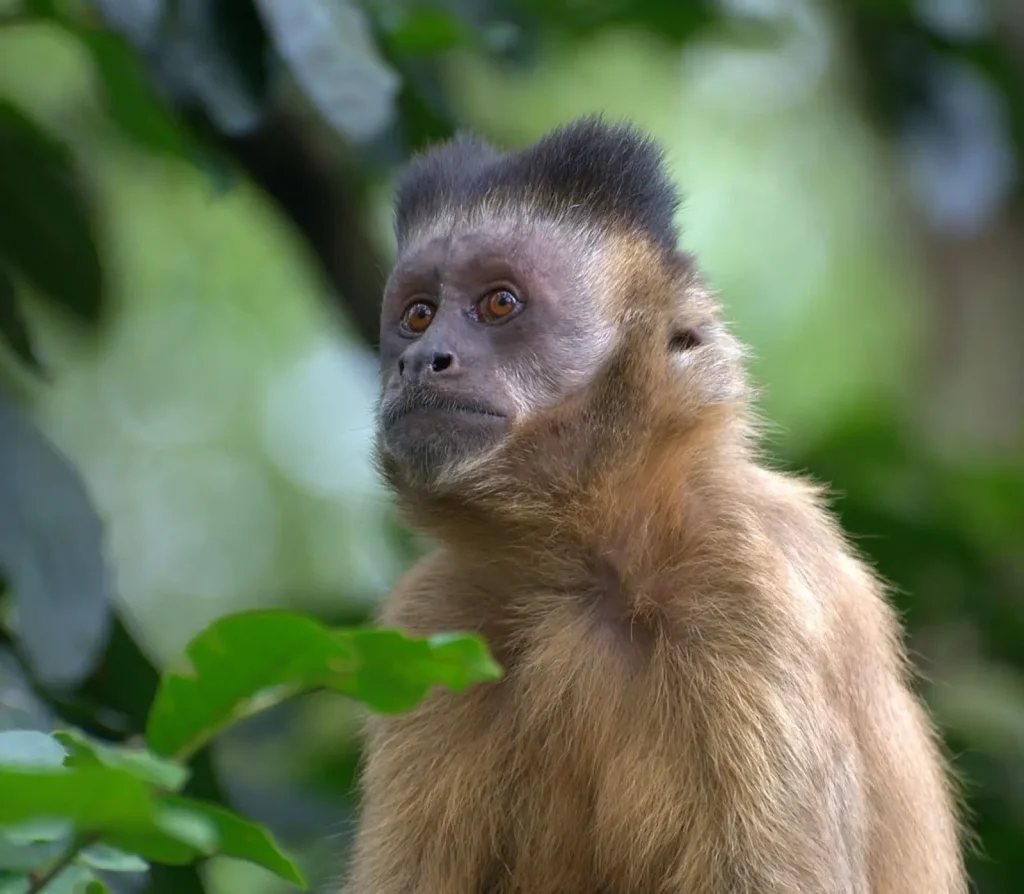
The Amazonian fauna of Peru in Manu is impressive in both quantity and variety. More than 220 species of mammals, 1,300 butterfly species, over 100 species of bats, and around 150 amphibian species have been recorded. Among the most iconic are the jaguar, tapir, giant armadillo, and giant river otter.
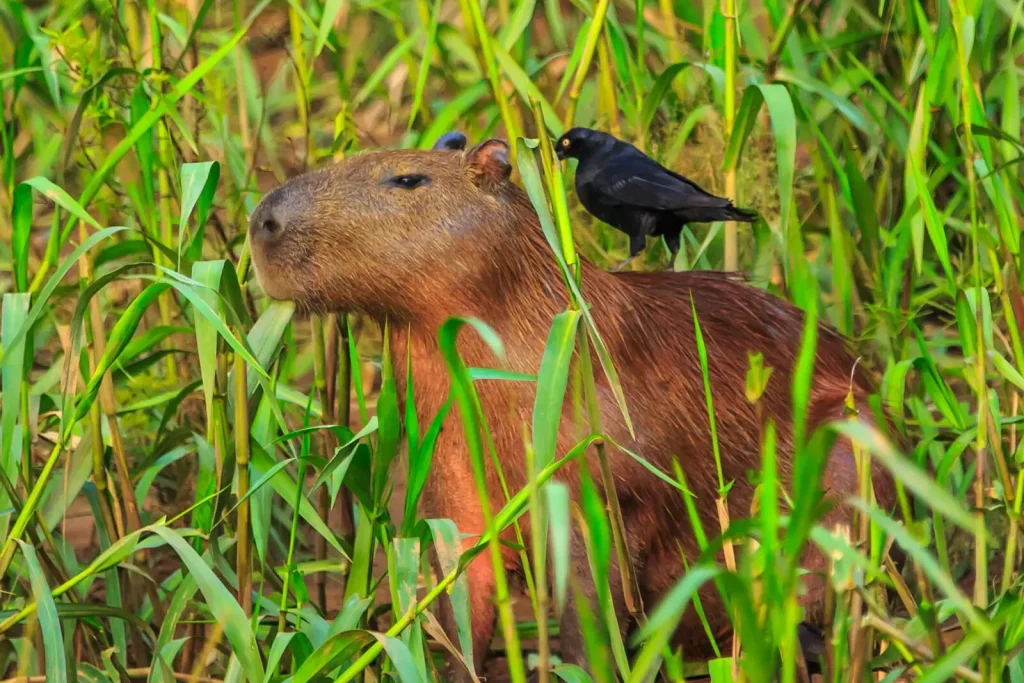
Representative mammals of Manu
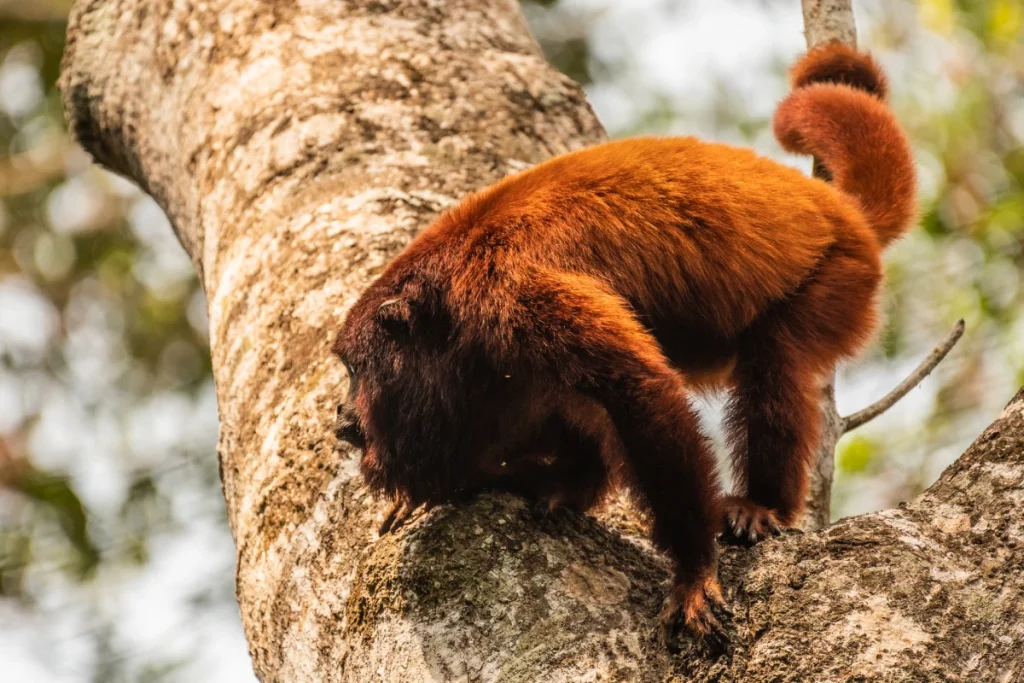
Mammals occupy different habitats depending on the altitude. In lower areas, species like the howler monkey, anteater, and peccary dominate. In higher zones, visitors may spot the Andean deer or taruca. The coexistence of these animals reveals the park’s ecological balance.
Reptiles and amphibians
The park is home to numerous snakes, poisonous frogs, and lizards. Their presence signals a healthy biodiversity of Manu National Park, as these animals are sensitive to ecosystem changes.
Richness of birds in Manu National Park
One of the main attractions for visitors interested in birdwatching in Manu is the vast number of bird species. The park records over 1,000 bird species, which represents 10% of the world’s bird species.
Most notable species
Some of the most striking birds include the Andean cock-of-the-rock, the harpy eagle, the white-throated toucan, macaws, and hummingbirds. Travelers can spot these species on various rainforest exploration routes in Peru, especially during the early morning hours.
Ideal birdwatching zones
The macaw clay lick in the Lower Manu is one of the best places to observe these birds in their natural habitat. For this reason, many operators offering excursions to Manu from Cusco include this stop in their itineraries.
Flora of Manu in the Peruvian Amazon
The flora of Manu in the Amazon is just as diverse as its fauna. It is estimated that the park contains more than 15,000 plant species, many of them with medicinal properties used by local communities.
Types of vegetation by altitude
- In the lowlands, trees such as mahogany, cedar, and tornillo dominate, often reaching over 40 meters in height.
- In mid-level areas, tree ferns, palms, and orchids are common.
- In the cloud forest zone, the vegetation mixes with Andean species like mosses and lichens.
Endemic and medicinal plants
Many plant species in Manu are found nowhere else on the planet. These endemic species of Manu are being studied for their potential medicinal uses. Additionally, Indigenous communities use these plants to treat common ailments, adding cultural value to the biodiversity of Manu National Park.
Routes through the Manu jungle
There are several routes through the Manu jungle that allow visitors to explore the park in an organized way. These routes vary in length, difficulty, and access zones, so it’s important to choose based on visitor interest.
Short route from Cusco
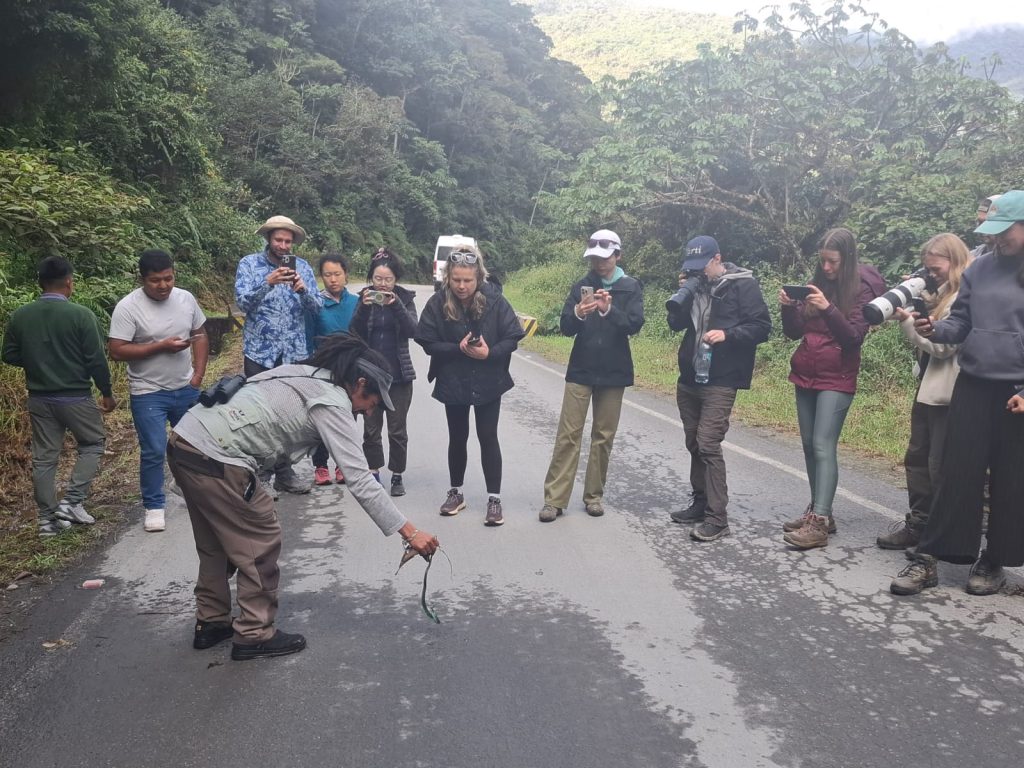
One of the most accessible options starts from Cusco and reaches the park’s cultural zone. Visitors can explore cloud forests, natural viewpoints, and native communities. This route is ideal for those with limited time.
Long route to the reserved zone
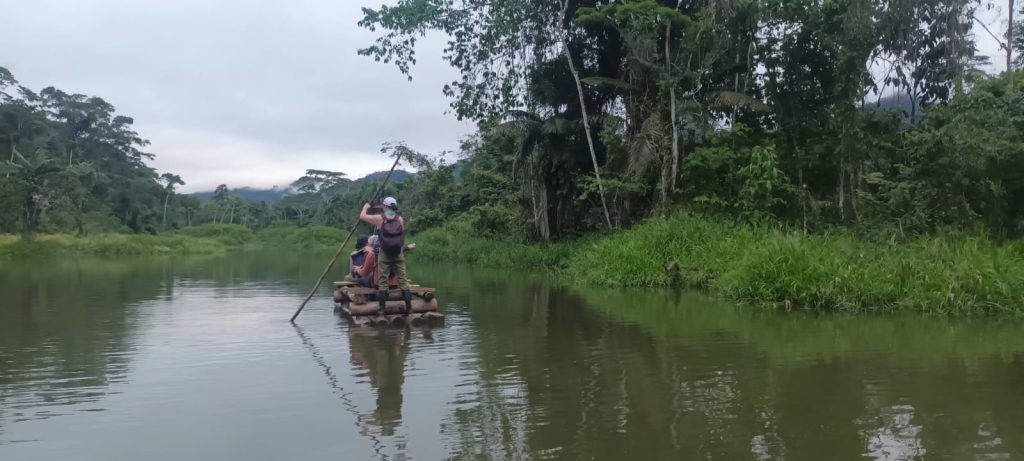
For the more adventurous, there are ecological trips to Manu National Park that last between 7 and 10 days. These include river navigation, jungle hikes, and overnight stays in sustainable lodges. This option offers full immersion in nature and adventure in Manu.
Tourism in Manu National Park
Tourism in Manu National Park is developed under strict environmental regulations. Only authorized operators can access certain zones, ensuring ecosystem preservation.
Types of visits
Visitors can choose tours to Manu National Park that include activities such as hiking, river navigation, wildlife viewing, and visits to local communities. These activities are designed to minimize environmental impact.
Recommended travel season
The best time to visit the park is between May and September. During these months, the tropical rainforest of Peru experiences less rainfall, making trail access easier and improving wildlife visibility.
Sustainable tourism in the Peruvian Amazon
The development of sustainable tourism in the Amazon is essential to conserving Manu’s resources. Thanks to SERNANP regulations, many tourist activities include responsible practices such as solar energy use and proper waste management.
Involvement of local communities
Native communities play a central role in conserving the biodiversity of Manu National Park. They participate as guides, promote the use of local resources, and offer authentic experiences to visitors. This generates income without compromising ecological balance.
Positive impact of responsible tourism
Sustainable tourism helps fund scientific research, support educational programs, and strengthen park management. It also reinforces the value of the biodiversity of the Peruvian Amazon as a global heritage.
Rainforest exploration in Peru
Rainforest exploration in Peru is an experience that changes one’s perception of nature. Walking along Manu’s trails allows visitors to feel the life that thrives in every corner of the jungle.
Gear and preparation
To make the most of these hikes, it’s important to bring lightweight clothing, hiking boots, insect repellent, and a rain poncho. Many tours to Manu National Park provide all the necessary gear, making the experience more convenient.
Natural attractions along the route
Along the walk, visitors can see streams, centuries-old trees, bird sounds, mammal tracks, and areas with a high concentration of insects. All of this forms part of the biodiversity of Manu National Park, which responsible and collaborative management helps protect.
Frequently Asked Questions
1. How many days do experts recommend for visiting Manu National Park?
Between 5 and 10 days are ideal for visiting Manu National Park. This timeframe allows travelers to explore different ecological zones, take part in guided excursions, and observe the biodiversity with enough time and flexibility. Shorter trips may miss key natural highlights.
2. Do you need any vaccinations to enter Manu?
Health authorities recommend the yellow fever vaccine, particularly for those entering the lowland areas of the park. Although not mandatory, it is a common preventive measure for traveling in the Amazon region of Peru.
3. Is there cell signal or internet in the park?
Most areas inside Manu National Park do not have mobile coverage or internet service. This allows for a genuine disconnection from urban life and a deeper immersion in nature. Some lodges may offer limited satellite connection, but it’s not guaranteed.
4. Can travelers visit Manu independently?
No, it is not allowed to explore the park without authorization. Access to the reserved zone and deeper areas of the park requires organized tours with licensed agencies. This regulation ensures visitor safety and the protection of natural resources.
5. What type of lodging is available inside the park?
Visitors can stay in eco-lodges built with sustainable materials, offering basic but comfortable amenities. There are also designated camping areas in specific zones. Accommodations are designed to minimize environmental impact and often include local community participation.
For more information, please contact us.
Our Related Tours about Manu and wildlife
- Machu Picchu Inca Trail Tours – 4 Day Inca Trail
- Manu National Park 2 Days Tour – Discover the Heart of the Peruvian Amazon
- Manu National Park 3 Days Tour – Discover the Heart of the Peruvian Amazon