The flora and fauna of Manu National Park represent one of the greatest natural attractions in Peru and all of South America. This protected area hosts Amazon ecosystems, cloud forests, and high-Andean zones within a single natural region. The flora and fauna of Manu National Park attracts travelers every year who love nature, animal watching, and ecotourism experiences. Additionally, this territory has international recognition due to its enormous biological and cultural diversity. Therefore, visiting this destination lets you discover one of the planet’s richest natural regions. Manu National Park also stands out for its Amazon communities. They preserve ancestral traditions deep in the Peruvian jungle.
- Biodiversity of Manu National Park and ecological richness
- Animals of Manu National Park and wildlife species
- Amazon plants of Manu and natural ecosystems
- Amazon culture in Manu and native communities
- How to get to Manu National Park and tourist access
- Tours to Manu National Park and tourist routes
- Ecotourism experiences in Manu and sustainable tourism
- Best time to visit Manu and weather conditions
- Frequently asked questions
Biodiversity of Manu National Park and ecological richness
The biodiversity of Manu National Park ranks among the most important in the world. This protected area covers different ecological floors. They support thousands of species. The flora and fauna of Manu National Park thrive from Andean zones to low-altitude tropical areas. Moreover, this variety of ecosystems allows species to coexist. You rarely find them together anywhere else on Earth.
The Manu Biosphere Reserve earned international recognition due to its ecological relevance. The flora of Manu National Park includes humid forests, Amazon rivers, and dense vegetation zones. Therefore, the park is essential for environmental conservation and sustainable tourism in Peru.
Animals of Manu National Park and wildlife species
The animals of Manu National Park are a top reason for visiting among domestic and foreign tourists. The fauna of Manu National Park includes mammals, reptiles, amphibians, and fish. They are distributed across different Amazon habitats. Additionally, many species live in areas barely altered by human activity.
Wildlife species of Manu Peru and Amazon fauna
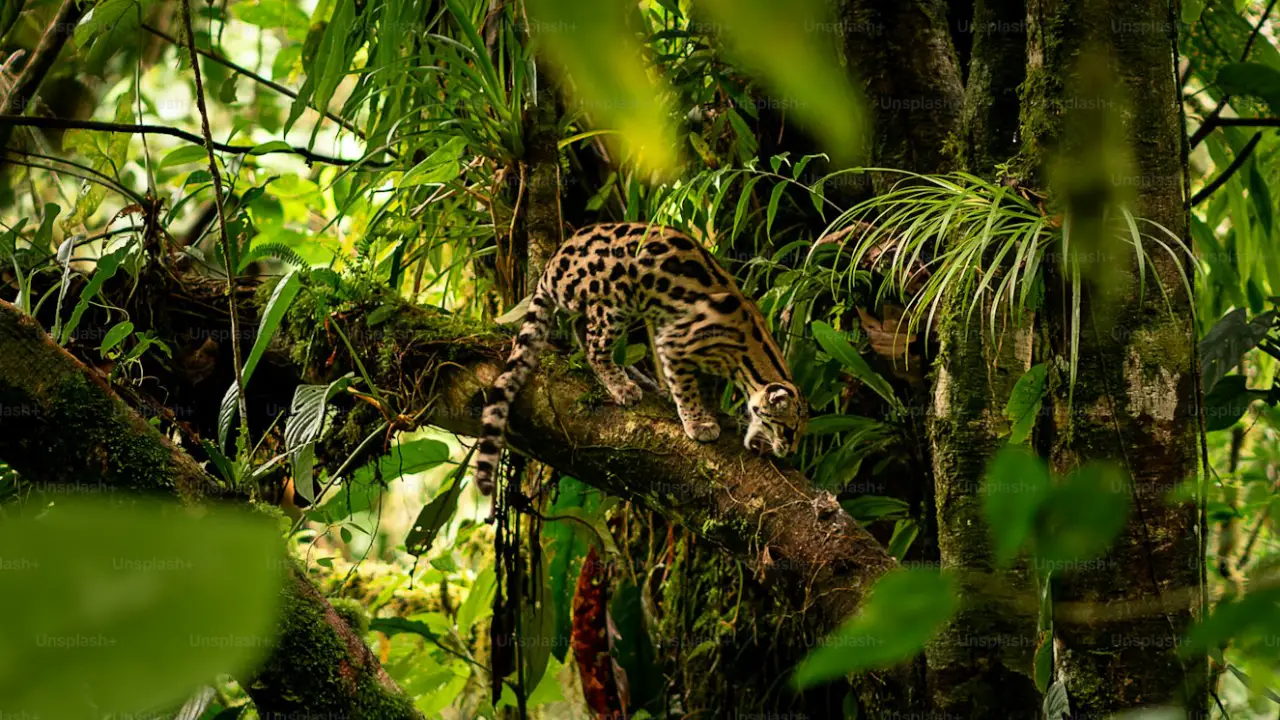
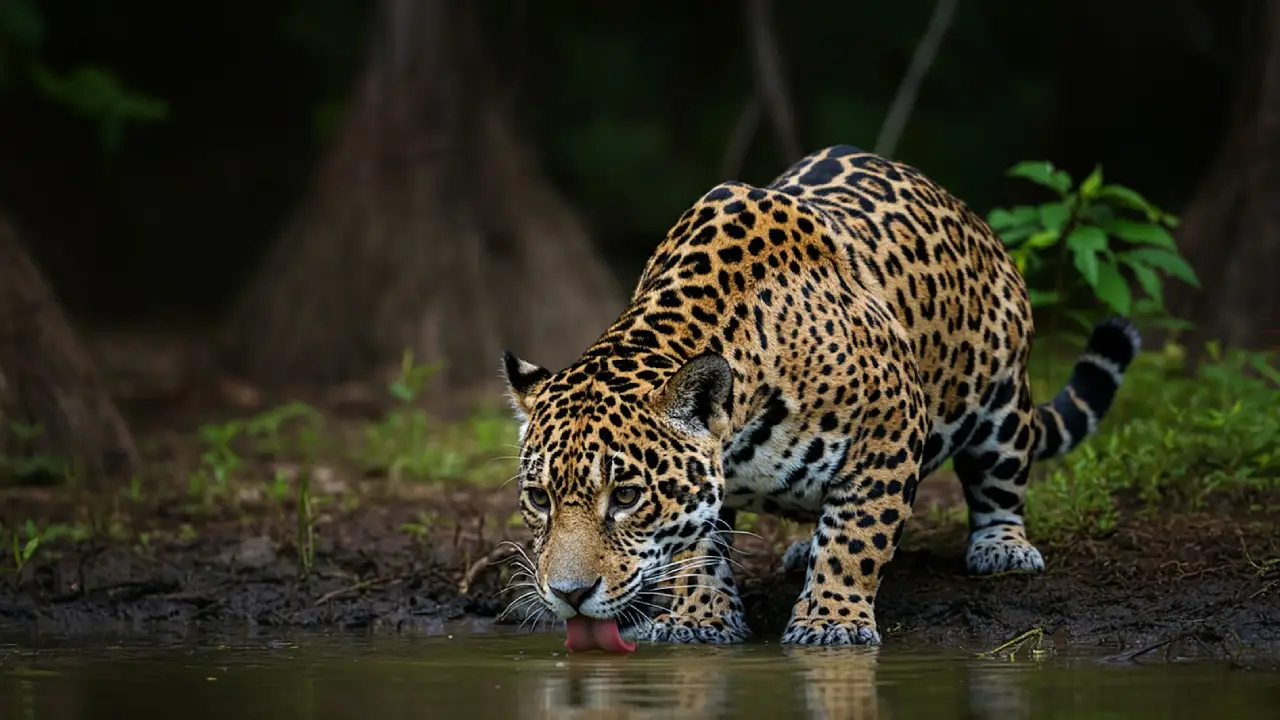
The wildlife species of Manu Peru cover an enormous variety of animals. The fauna of Manu National Park lets you observe emblematic species. These include the jaguar, the Amazon tapir, and several types of monkeys. Furthermore, the Amazon fauna of Manu Cusco includes giant otters and caimans. They live in the region’s lagoons and rivers.
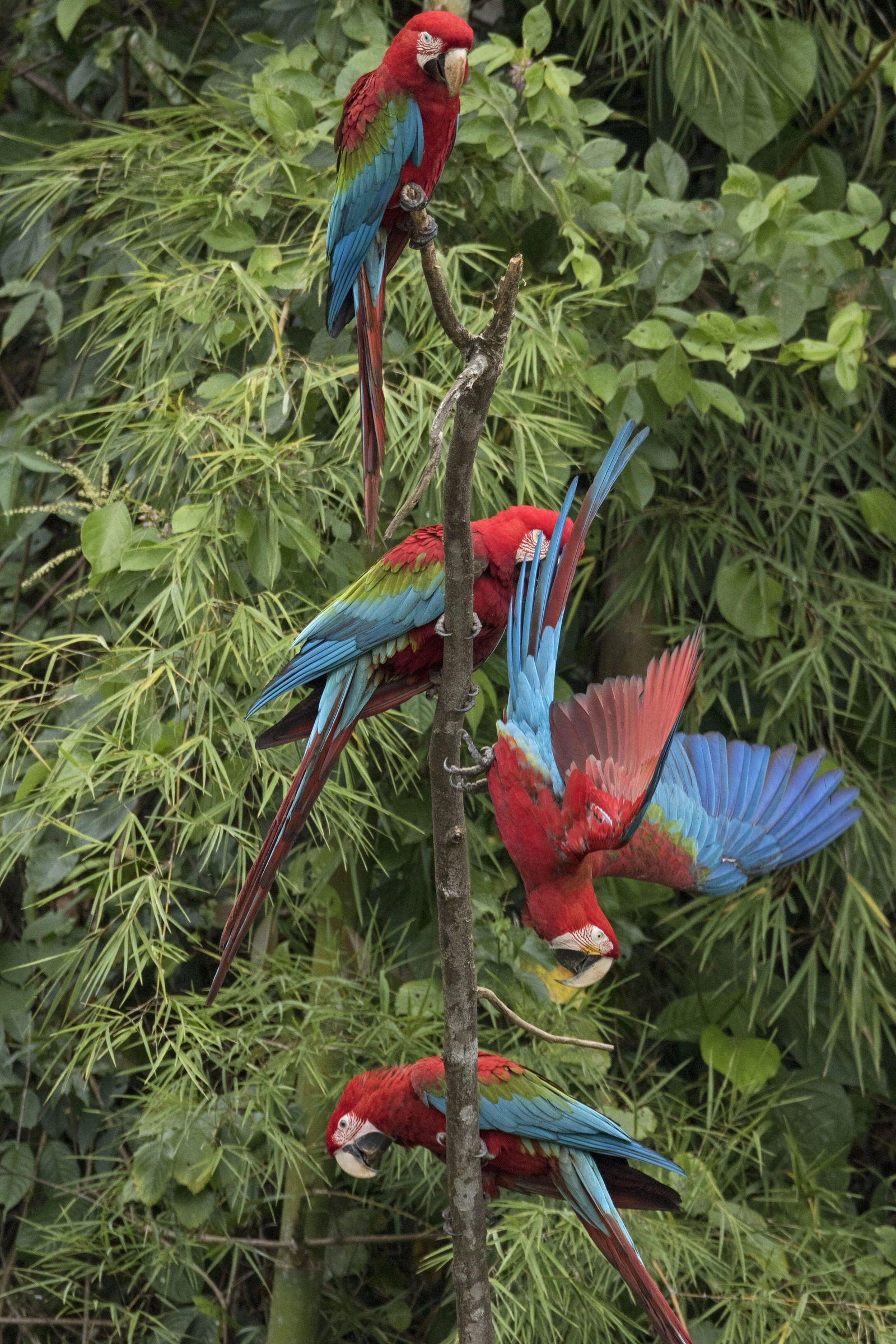
- Macaws at Amazon clay licks
- Capuchin monkeys and howler monkeys
- Andean cocks-of-the-rock in cloud forests
- Amazon tapir in lowland jungle areas
Therefore, the park offers ideal experiences for photography and wildlife observation.
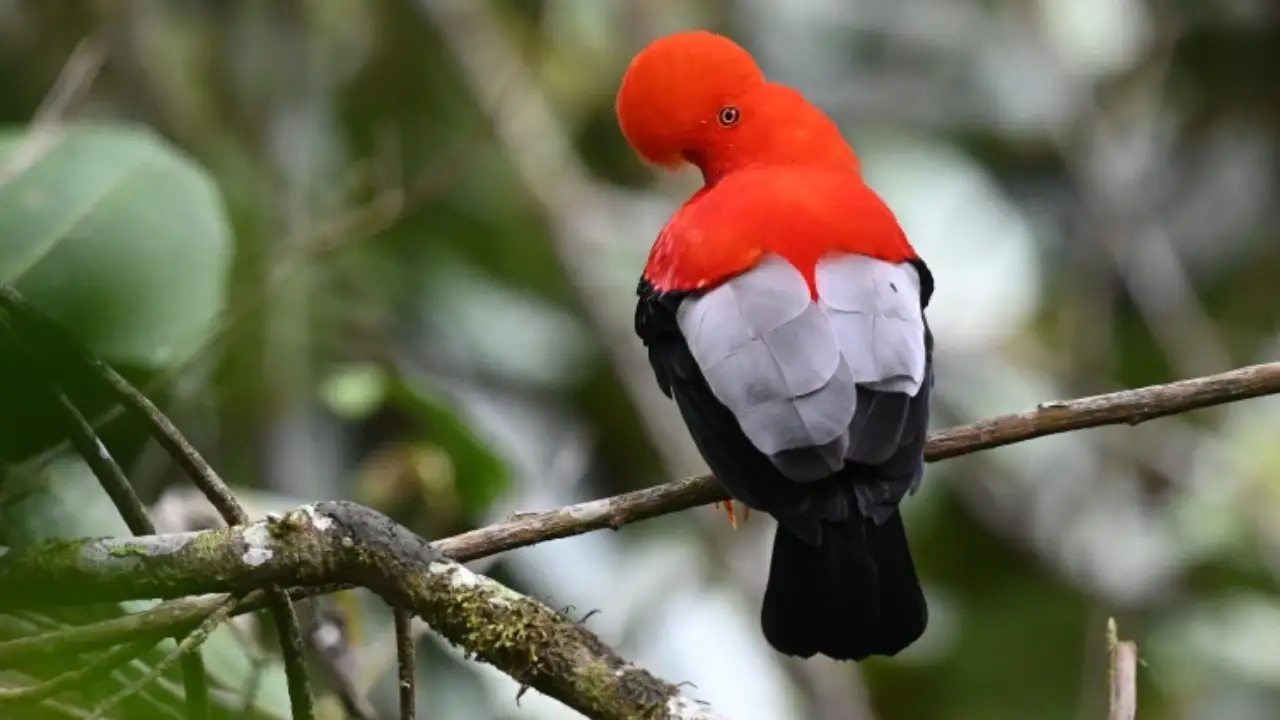
Exotic birds of Manu National Park
The exotic birds of Manu National Park are another main tourist attraction. The fauna of Manu National Park stands out for recording hundreds of bird species within its ecosystems. Moreover, specialized birdwatchers visit this zone because of its great ornithological diversity.
The presence of macaws, toucans, and Amazon eagles makes the park a key destination for birdwatching. The flora and fauna of Manu National Park allow you to observe species in conserved natural environments. Therefore, this activity has become an important source of specialized tourism.
Amazon plants of Manu and natural ecosystems
The Amazon plants of Manu are an essential part of the park’s ecological wealth. The flora of Manu National Park includes giant trees, medicinal plants, and species typical of tropical humid forests. Additionally, the vegetation plays an important role in the environmental balance of the Peruvian Amazon.
The southern Peruvian Amazon jungle has favorable climatic conditions for great plant diversity. The flora of Manu National Park is also characterized by orchids and ferns in cloud forest zones. Therefore, the landscape changes considerably depending on altitude and humidity conditions.
- Cedar and mahogany trees
- Amazon palms
- Orchids of different sizes
- Plants traditionally used by local communities
Amazon culture in Manu and native communities
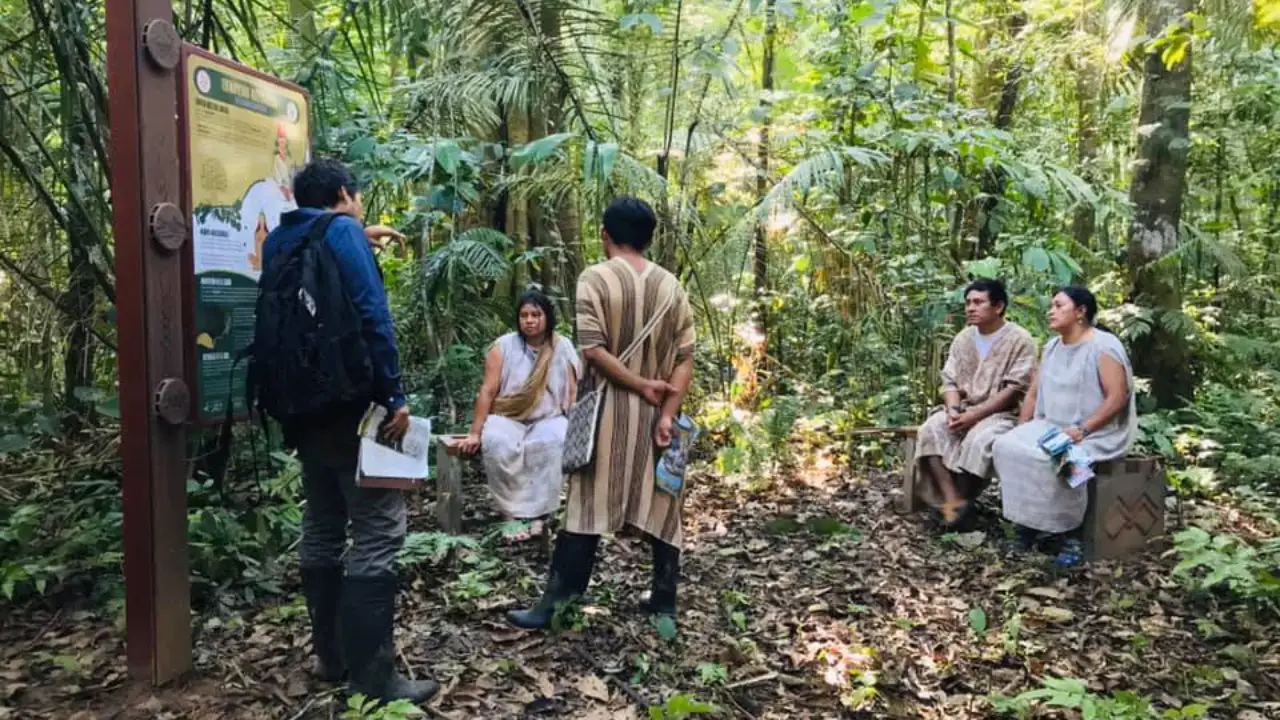
The Amazon culture in Manu is an important aspect for understanding the park’s value. The flora and fauna of Manu National Park are closely related to the traditional practices of Amazon populations. Additionally, the communities maintain knowledge linked to the sustainable use of natural resources.
Native communities of Manu National Park
The native communities of Manu National Park preserve ancestral customs and ways of life connected to the jungle. The flora and fauna of Manu National Park directly influence their daily activities, food, and traditional medicine. Furthermore, many communities now participate in sustainable tourism projects.
Visitors can learn about some of these traditions through organized cultural activities. The flora and fauna of Manu National Park also help you understand the historical relationship between Amazon populations and their natural environment. Therefore, responsible tourism contributes to valuing the region’s cultural diversity.
How to get to Manu National Park and tourist access
Understanding how to get to Manu National Park is essential for organizing your trip. The flora and fauna of Manu National Park are distributed across a vast natural area. It covers sectors of Cusco and Madre de Dios. Moreover, access can be done via land and river routes.
Tourist departures generally start from the city of Cusco. The flora and fauna of Manu National Park can be explored through organized tours. They include transportation, lodging, and a specialized guide. Therefore, hiring tourism services makes it easier to enter authorized zones within the park.
Tours to Manu National Park and tourist routes
The tours to Manu National Park offer different travel options. They vary based on duration and the type of experience you want. The flora and fauna of Manu National Park can be discovered through short trips or multi-day expeditions. Additionally, some circuits combine wildlife observation with cultural activities.
Tourist routes of Manu National Park
The tourist routes of Manu National Park cross different Amazon ecosystems. The flora and fauna of Manu National Park changes considerably between the high areas and the lowland jungle zones. Moreover, the routes let you observe rivers, clay licks, and dense forests.
- Interpretive jungle walks
- Navigation along Amazon rivers
- Bird and mammal watching
- Visits to macaw clay licks
Therefore, the tourist experience varies depending on the chosen itinerary.
Ecotourism experiences in Manu and sustainable tourism
The ecotourism experiences in Manu focus on respect for the natural and cultural environment. The flora and fauna of Manu National Park require conservation measures due to the sensitivity of its ecosystems. Additionally, sustainable tourism seeks to reduce negative impacts inside the protected area.
Visitors often participate in educational activities related to biodiversity and conservation. The flora and fauna of Manu National Park also enable scientific tourism and specialized photography. Therefore, the park has become an international reference for Amazon ecotourism.
Best time to visit Manu and weather conditions
The best time to visit Manu usually coincides with the dry season, between May and October. During those months, rainfall is less intense, and roads are in better condition. The flora and fauna of Manu National Park can be appreciated more easily during this period.
However, the Amazon jungle maintains high humidity levels for most of the year. The flora and fauna of Manu National Park also changes depending on the season. Therefore, each period offers different opportunities for observing animals and landscapes.
Frequently asked questions
- Is it necessary to have vaccinations before traveling to Manu National Park?
We recommend consulting a health professional before your trip. Some vaccines may be suggested due to the Amazon jungle’s conditions and the presence of insects. - Are there restrictions for entering certain areas of Manu?
Yes, some areas have limited access due to environmental conservation measures. Additionally, certain sectors require special permits or organized visits with authorized operators. - How many days are recommended to stay in Manu National Park?
The ideal duration depends on the type of experience you want. However, many travelers choose programs of four to seven days to better understand the area’s biodiversity. - Are there accommodations inside Manu National Park?
Yes, there are lodges and hostels located in authorized sectors. These spaces are usually adapted to the Amazon environment and offer basic services for visitors. - Can you observe wildlife throughout the year?
Animal observation is possible in any season. However, weather conditions and water levels influence how easy it is to find certain species.
Check out our travel packages in Peru and let us organize the perfect adventure for you. Get a quote for your trip to Cusco today!