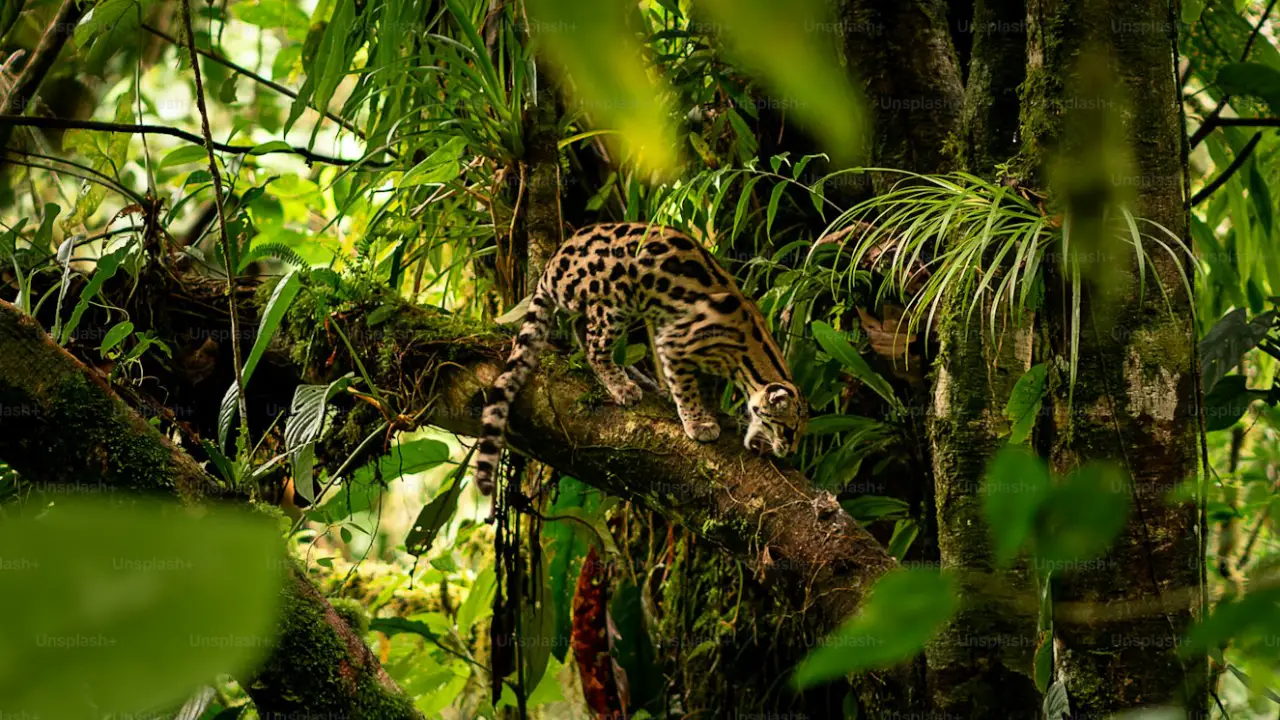
Exploring Manu National Park, one of the most biodiverse areas on the planet, offers drastically different experiences depending on the duration and the zone visited. Below are the fundamental differences between a short 3 to 5-day tour focused on the Cultural Zone and a long 5 to 8-day expedition that ventures deep into the pristine Reserved Zone.
Itineraries and Geographic Scope
Short Tour (3-4 days) – Cultural Zone:
This itinerary focuses on the park’s buffer zone. The journey generally begins in Cusco, descending through the cloud forest, with stops in places such as Paucartambo and the Acjanaco viewpoint, the gateway to Manu. Days are spent exploring the surroundings of the Alto Madre de Dios River, with activities departing from relatively accessible lodges. Excursions are limited to this outer area of the park, which, although rich in flora and fauna, has greater human presence and local activity.
Long Expedition (7-8 days) – Reserved Zone:
This journey goes much further, requiring more navigation time to reach the heart of the park. After passing through the Cultural Zone, the river journey continues along the Manu River, passing the Limonal control post to enter the Reserved Zone, a strictly protected area with limited access. The itinerary includes exploration of oxbow lakes and untouched rainforest, far from human settlements. This type of expedition is a deep immersion into virtually intact Amazon rainforest.
Daily Activities and Experiences
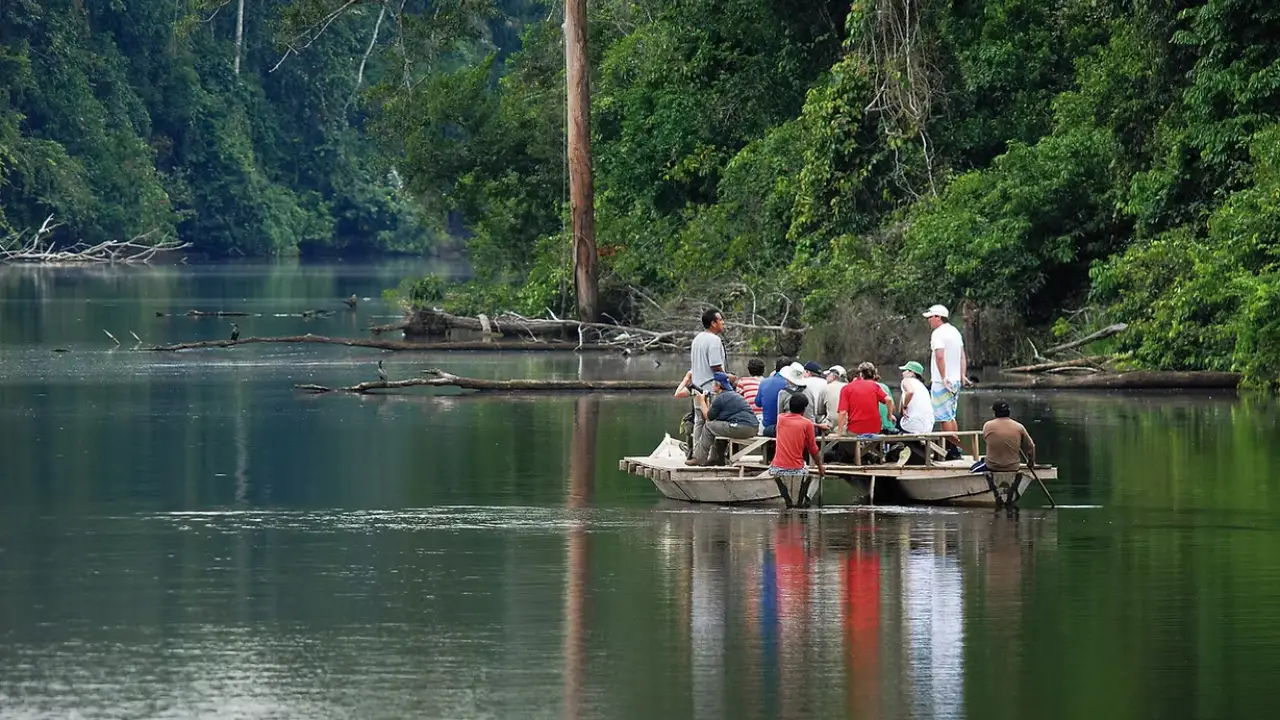
Daily activities include hikes along trails near the lodges, boat rides on the Alto Madre de Dios River, visits to small parrot clay licks, and exploration of Machuwasi Lake on rafts to observe birds such as the hoatzin. Night walks are also conducted to search for insects, frogs, and other nocturnal creatures. It is an excellent introduction to the Amazon, ideal for those with limited time or traveling with family.
Long Expedition (Reserved Zone):
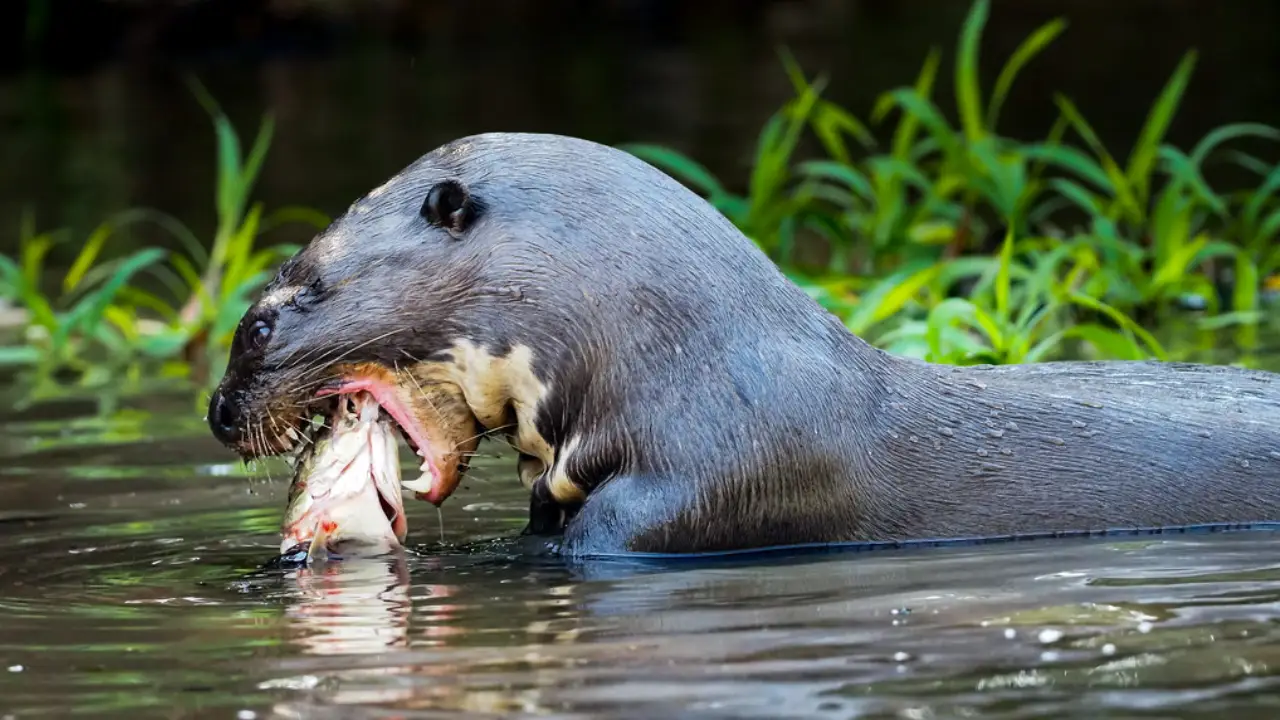
Activities are more intense and focused on observing wildlife in its natural state. Boat rides are longer and become river safaris, searching for wildlife along the riverbanks. Hikes take place in primary forests with giant trees. The highlight is visiting the famous Cocha Salvador and Cocha Otorongo. At Cocha Salvador, catamarans are used to closely observe families of giant river otters, while at Cocha Otorongo a 30-meter observation tower provides panoramic views of the lake and the possibility of spotting monkeys and other mammals. Larger and more active macaw clay licks are also visited.
Accommodation
Short Tour (Cultural Zone):
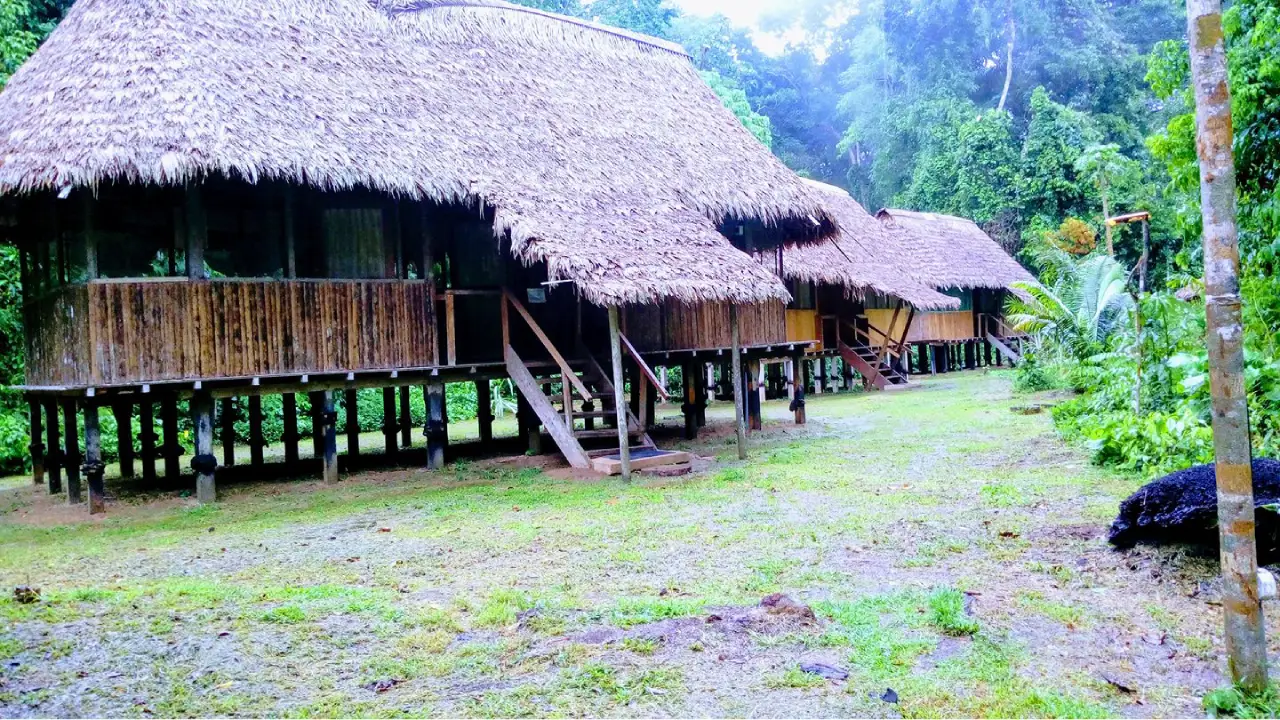
Accommodations in the Cultural Zone are lodges with relatively good amenities, such as private rooms with bathrooms, showers, and, in some cases, electricity by generator during certain hours. They offer a more comfortable stay and are more numerous.
Long Expedition (Reserved Zone):
Within the Reserved Zone, accommodation is more rustic and limited to minimize environmental impact. An iconic example is Casa Matsiguenka, a simple lodge managed by the indigenous Matsiguenka community. There are also campsites and basic lodges with shared facilities. The experience seeks a deeper connection with the natural environment, sacrificing luxury.
River Transportation Logistics
Short Tour (Cultural Zone):
River transportation is limited to short routes along the Alto Madre de Dios River, from Atalaya port to nearby lodges. Covered motorboats are used for these transfers, which usually last between 30 minutes and a couple of hours.
Long Expedition (Reserved Zone):
Logistics are much more complex. It involves full days of navigation. The journey from the Cultural Zone to the interior of the Reserved Zone can take 5 hours or more along the Manu River. These long journeys are an integral part of the experience, as they offer continuous wildlife viewing opportunities along the riverbanks. The boats are also motorized but equipped for long trips, carrying all necessary equipment and supplies.
Opportunities to Spot Iconic Wildlife
This is perhaps the most significant difference between both types of tours.
| Iconic Species | Short Tour (Cultural Zone) | Long Expedition (Reserved Zone) |
|---|---|---|
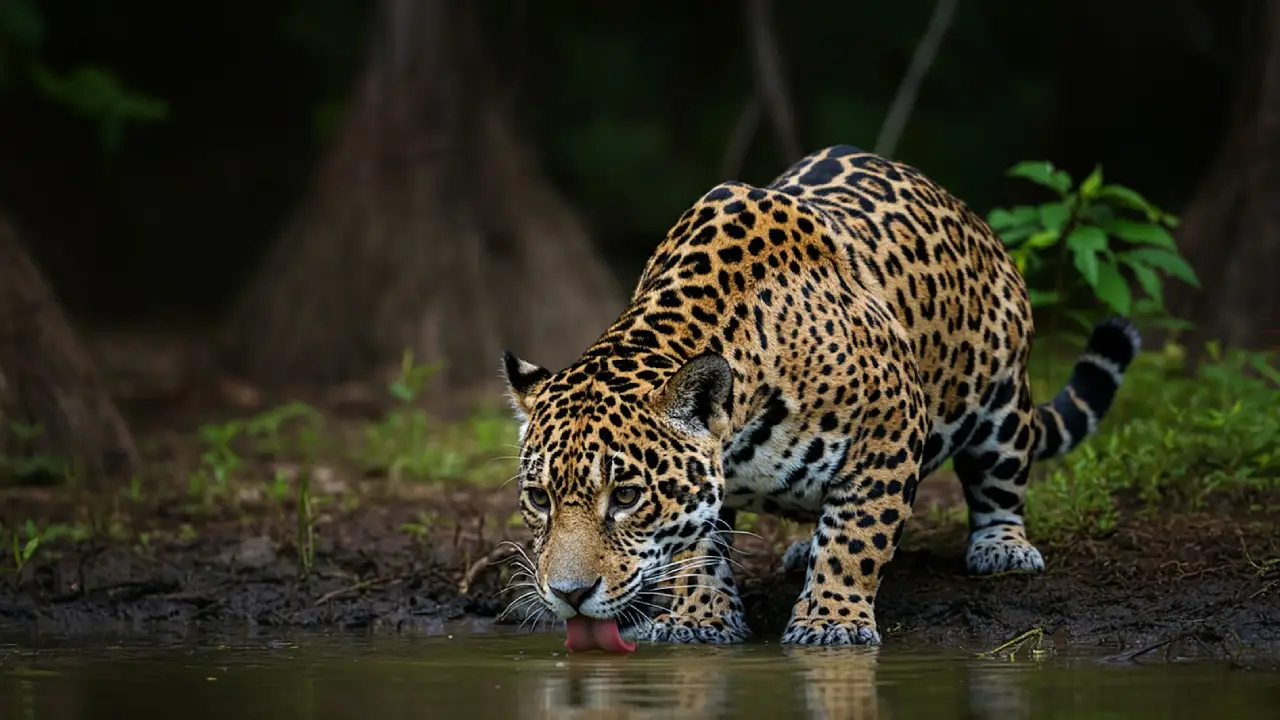
| Jaguar | Very unlikely. Although its habitat extends here, greater human and boat activity makes sightings extremely rare. | Possible, though always a matter of luck. The banks of the Manu River in the Reserved Zone are among the best places in the world to spot it, especially during the dry season (June to October) when they rest on beaches. Statistics suggest that a significant percentage of visitors on long tours manage to see one. |
| Giant River Otter | Very unlikely. They do not inhabit the easily accessible areas of the Cultural Zone. | Very likely. The visit to Cocha Salvador is specifically designed for observing this endangered species. It is one of the main highlights of the Reserved Zone. |
| Macaw Clay Licks | It is possible to visit small clay licks with parrots and parakeets. | Larger and more spectacular clay licks are visited, attracting hundreds of macaws and parrots of various species, offering a stunning display of color and sound. |
| Monkeys | Common species such as howler monkeys can be observed. | The diversity and quantity of primates are much greater. Up to 13 species can be seen, including spider monkeys, woolly monkeys, and emperor tamarins. |
| Caimans | Small white caimans can be seen. | Large black caimans, the largest predator in the Amazon, are commonly seen sunbathing along riverbanks and oxbow lakes. |
In summary, the choice between a short tour to the Cultural Zone and a long expedition to the Reserved Zone depends on the traveler’s priorities. For a first contact with the jungle, with limited time and seeking greater comfort, the Cultural Zone is ideal. For wildlife lovers, nature photographers, and adventurers seeking full immersion and the highest chances of seeing iconic wildlife in a truly pristine environment, the Reserved Zone is undoubtedly the superior option, justifying the greater investment of time and money.